How Natural Colors Empower Kombucha’s Visual Appeal, Flavor, and Clean Label Innovation
The global beverage market is shifting from artificial to natural, and kombucha with natural colors sits at the intersection of this transition. As a fermented, functional beverage, kombucha naturally aligns with clean label expectations—not only in terms of ingredients and functionality, but also in visual appeal.
From the reds and pinks of berry fruits to the vibrant yellows and oranges of sea buckthorn, mango, and passion fruit, natural colors have become a key element of kombucha formulation and brand storytelling.
So, how can brands effectively leverage natural colors to create consistent, visually striking, and flavorful kombucha products that meet clean label standards?
This article introduces the fundamentals of kombucha and, starting from mainstream natural colors, provides practical formulation strategies and production recommendations.
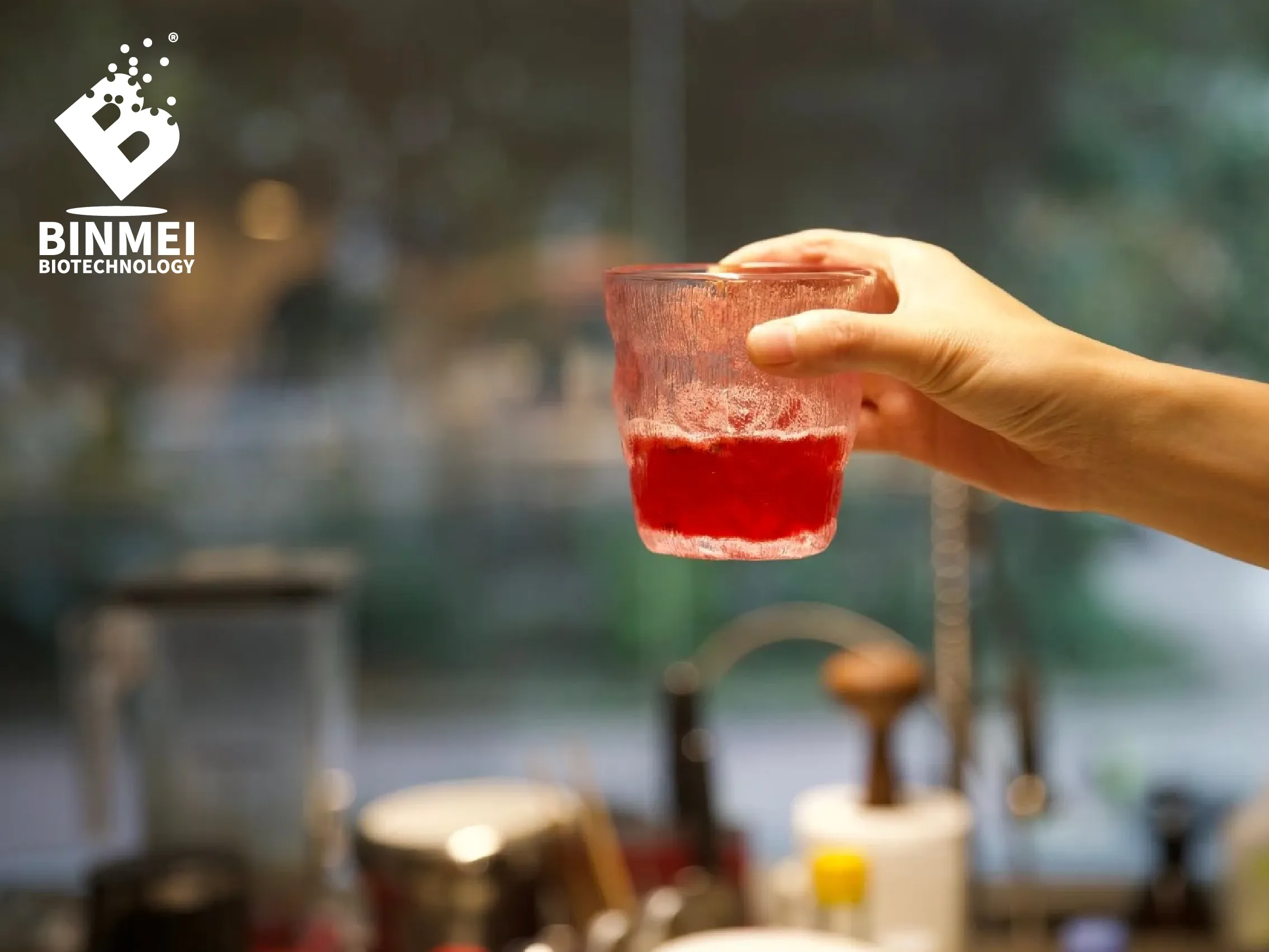
Kombucha Origins, Global Spread, and Fermentation Processes
Kombucha tea is widely regarded as originating from ancient Chinese folk, valued as a health-promoting tea, and known in China as “cha gu” or “tea fungus”.The drink later reached Japan, where it was called “kōcha-kin” (こうちゃきん) and brewed at home.
From the late 19th to early 20th century, it spread to Russia and Eastern Europe as a popular health beverage. And the Japanese transliteration “Kombucha” was adopted as its international name, and the drink gradually gained recognition in global markets.
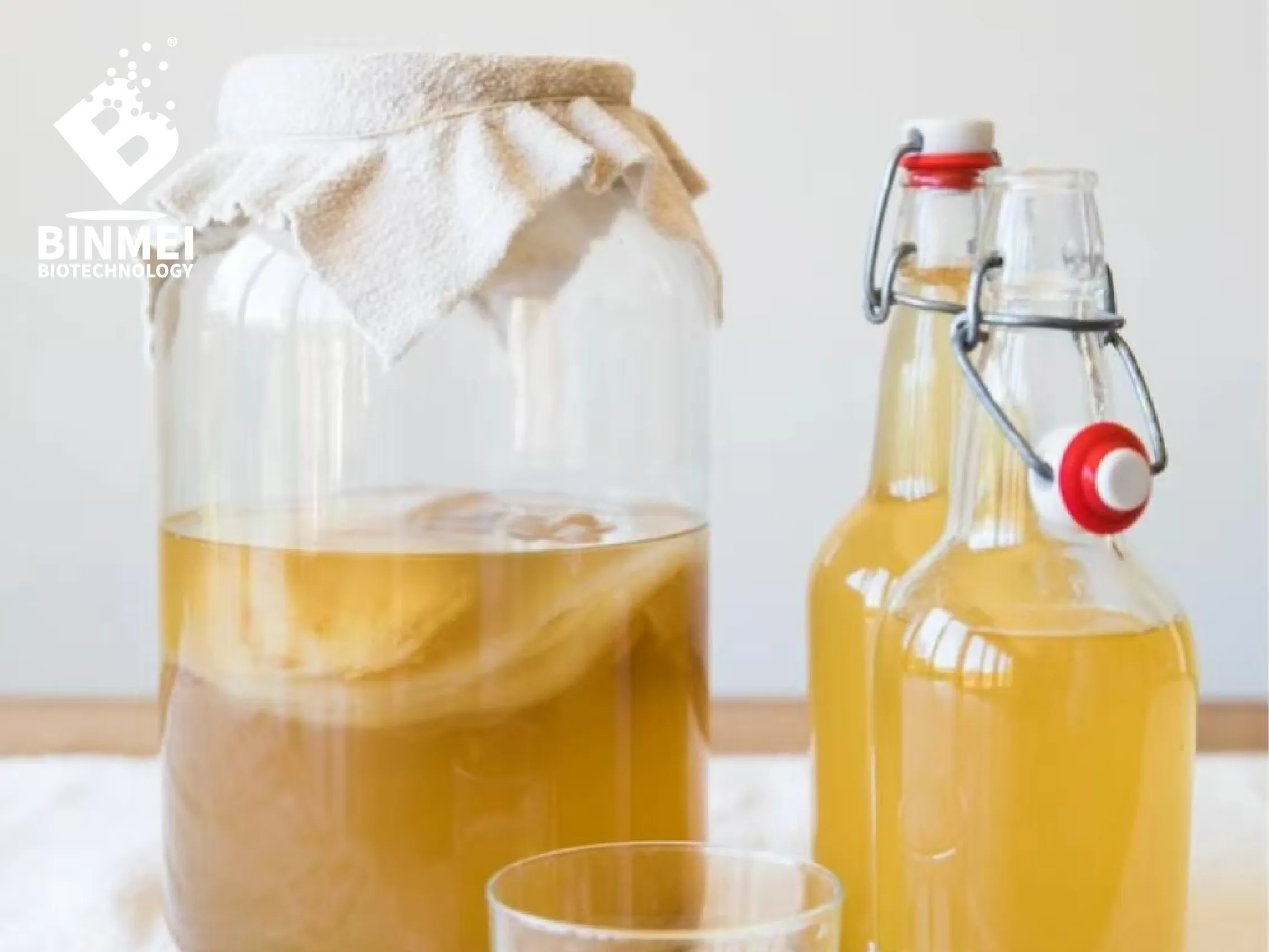
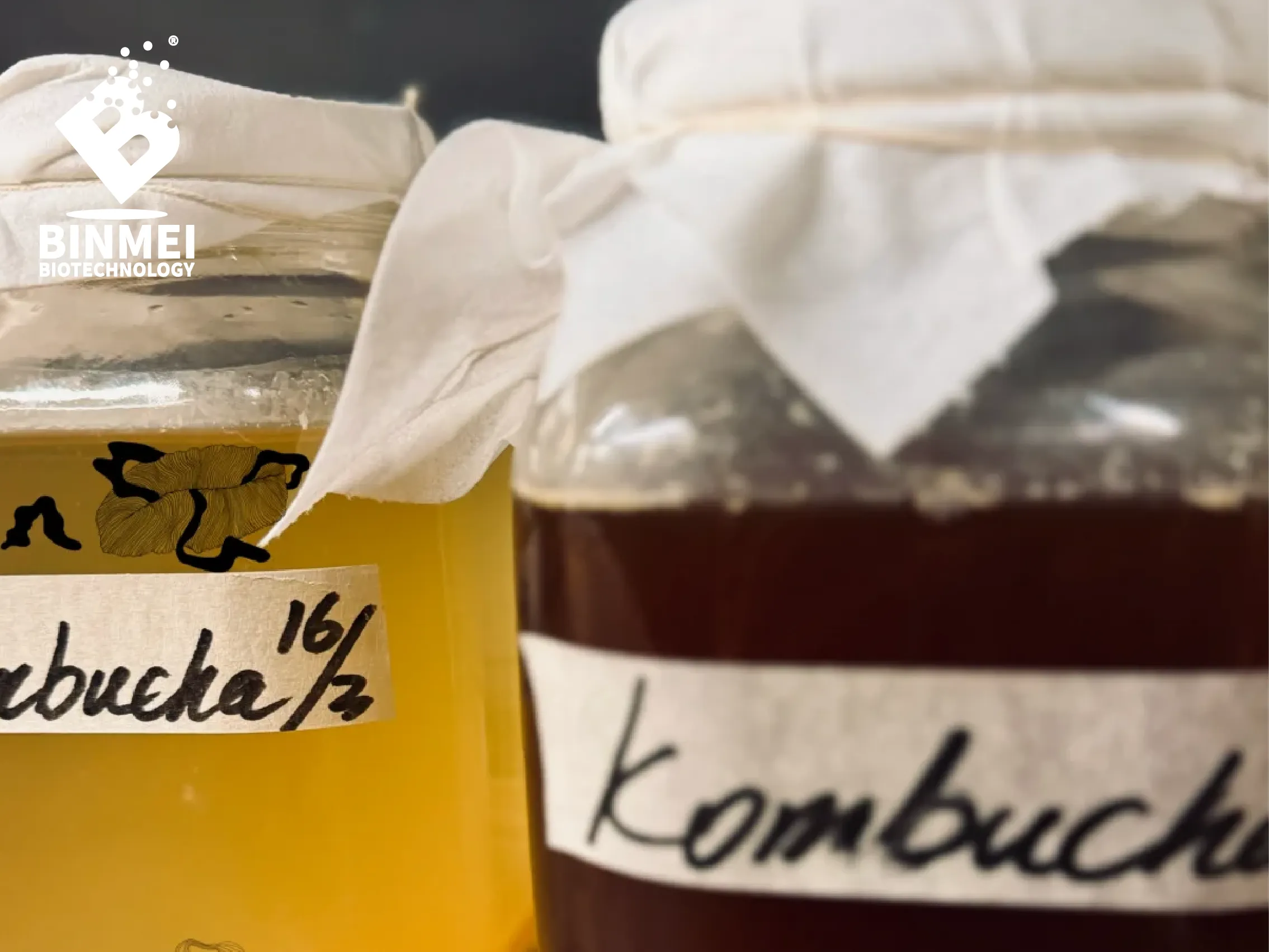
Kombucha tea is typically made in two fermentation stages:
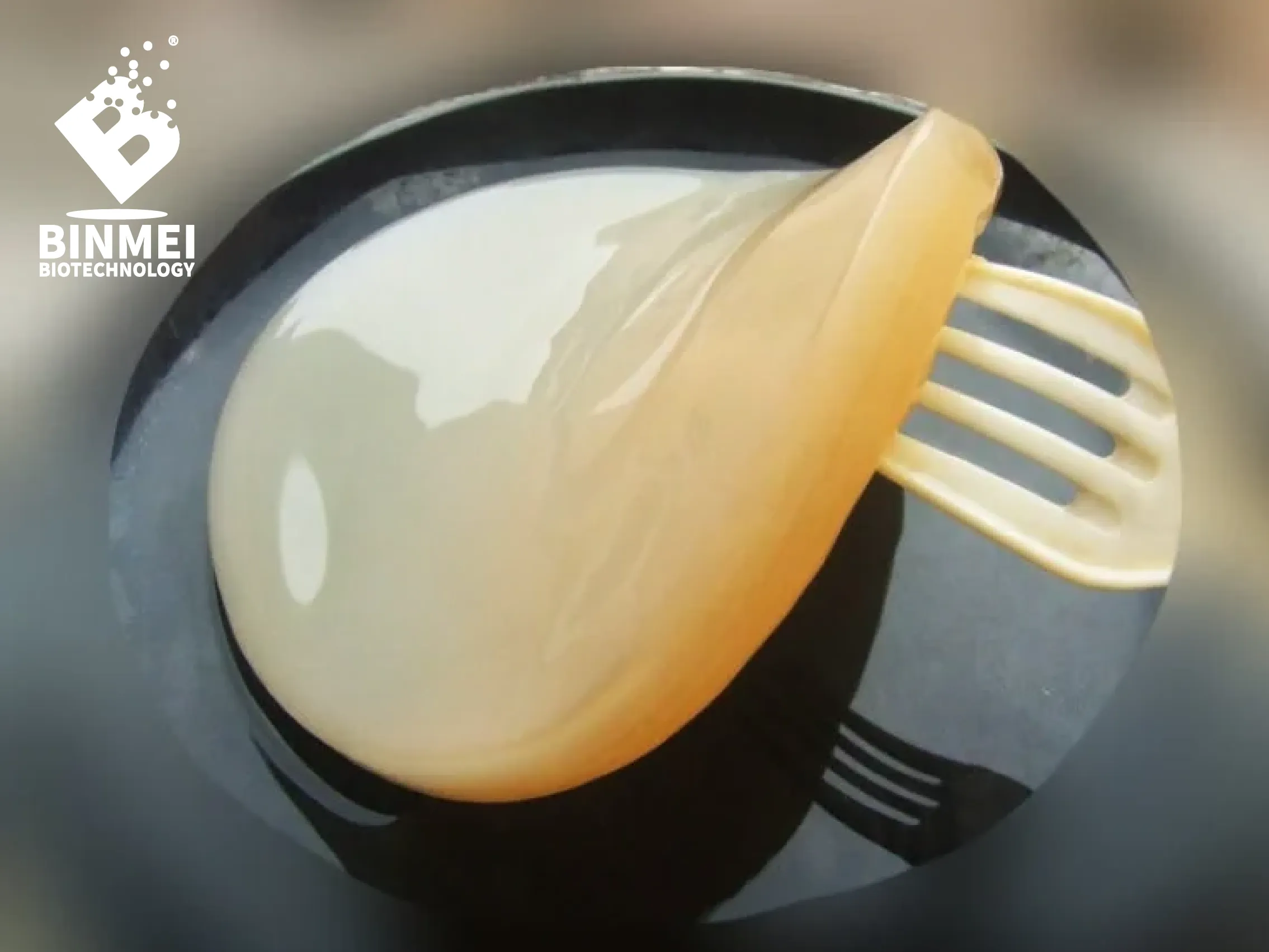
- First fermentation (F1): Tea, sugar, and a SCOBY are fermented to produce organic acids, mild fizziness, and trace alcohol, forming the characteristic sweet–tart base.
- Second fermentation (F2): Fruits, juices, herbs, or botanicals are added, and the sealed beverage undergoes natural fizziness while absorbing color and flavor.
These two steps give kombucha its key characteristics:
- Low pH: Fermentation generates organic acids, typically resulting in a pH of 2.5–3.5, which creates a refreshing tartness and helps inhibit unwanted microbes.
- Active fermentation system: Driven by SCOBY cultures, shapes kombucha’s flavor, acidity, natural carbonation, and clean label identity.
- Environmental sensitivity: Kombucha is sensitive to heat, oxygen, light, and metal ions, so it is typically sealed, light-protected, and refrigerated after secondary fermentation to maintain carbonation, flavor, and microbial activity.
These characteristics necessitate careful control of the kombucha production process, particularly when incorporating natural colors.
Using Natural Colors in Kombucha: Ingredients, Effects, and Real-World Applications
Beyond the inherent color of black, green, or oolong tea, kombucha products are often differentiated by their added ingredients, most notably natural colors derived from anthocyanins, fruits, and specialty botanical sources.
These natural color solutions serve multiple roles:
- Enhancing visual appeal with natural, vibrant, layered colors.
- Enriching flavor complexity, reinforcing fruity or floral sensory notes.
- Conveying health benefits like antioxidants and plant-based origins.
- Adding value and supporting brand differentiation.
Anthocyanin-Based Colors in Kombucha
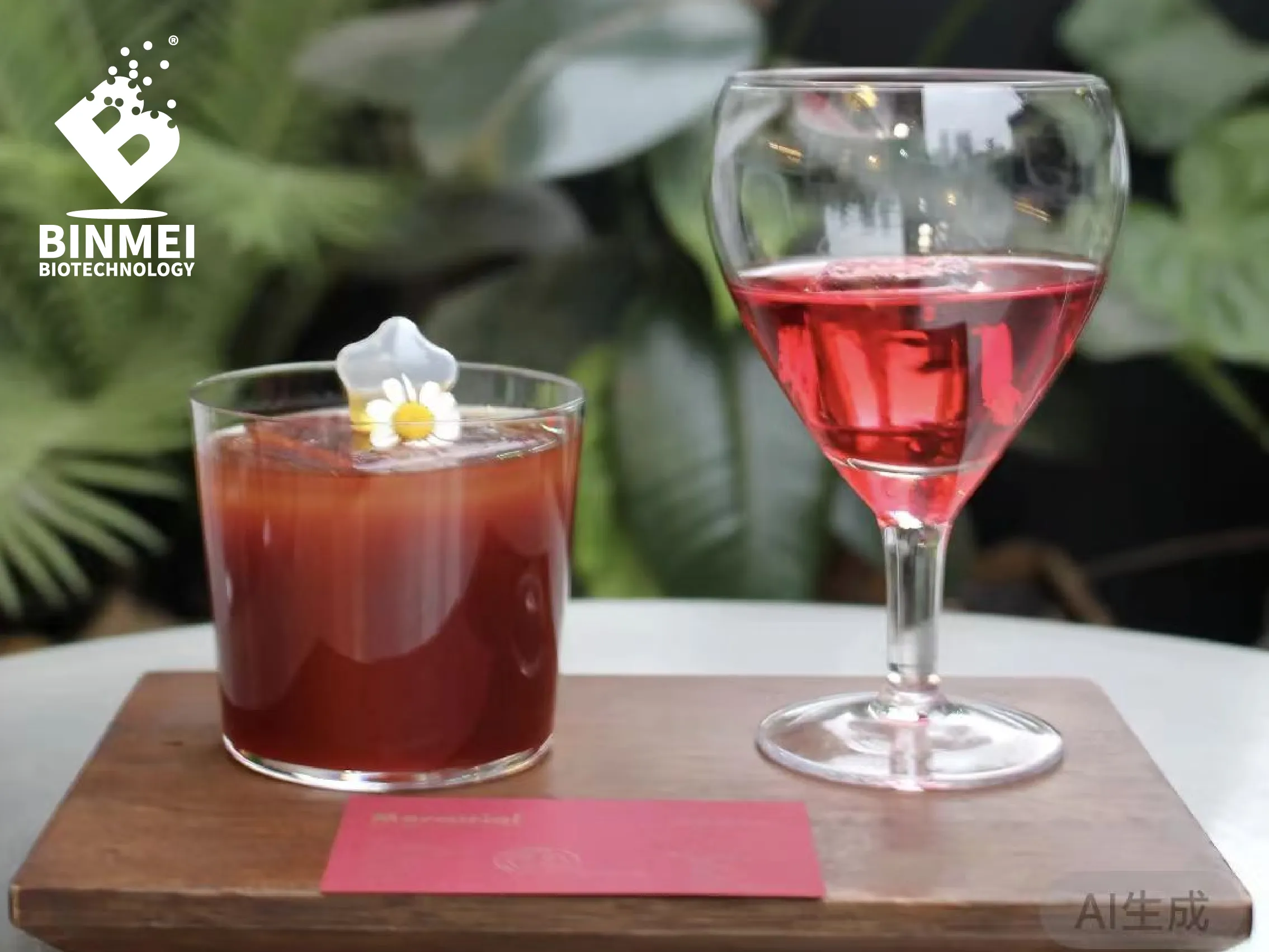
Anthocyanins are widely used in kombucha formulations not only for their color contribution, but also for their well-documented antioxidant activity and associated physiological benefits. Depending on the botanical source, they contribute a range of hues—from deep red–purple berry tones from aronia, to reddish-purple floral shades from hibiscus, and softer pink-to-red notes from rose.
Application examples
- Raspberry & Elderflower Kombucha by UK Equinox Kombucha – Naturally brewed with elderflower, raspberry, and hibiscus, delivering a refreshing fruity taste and a natural pink-to-red color.
- Aronia Kombucha by Denmark Nordisk Kombucha – Made with organic aronia juice, this kombucha delivers a natural red hue with a wine-like fruity character.
Fruit-Based Colors for Flavor–Color Synergy
Fruit-based colors are widely used in kombucha tea for their natural color–flavor match, with typical sources including sea buckthorn, lemon, and passion fruit, delivering bright yellow–orange hues and refreshing fruity tartness.
Application examples
- Havtorn Kombucha by Denmark Folk Kombucha – Brewed with organic fermented tea and flavored with sea buckthorn, producing a bright orange color.
- Germany Verment Kombucha features kombucha blended with sea buckthorn and elderflower, giving a yellow hue and a fresh, citrusy taste.
Specialty Plant-Based Colorants for Visual Innovation
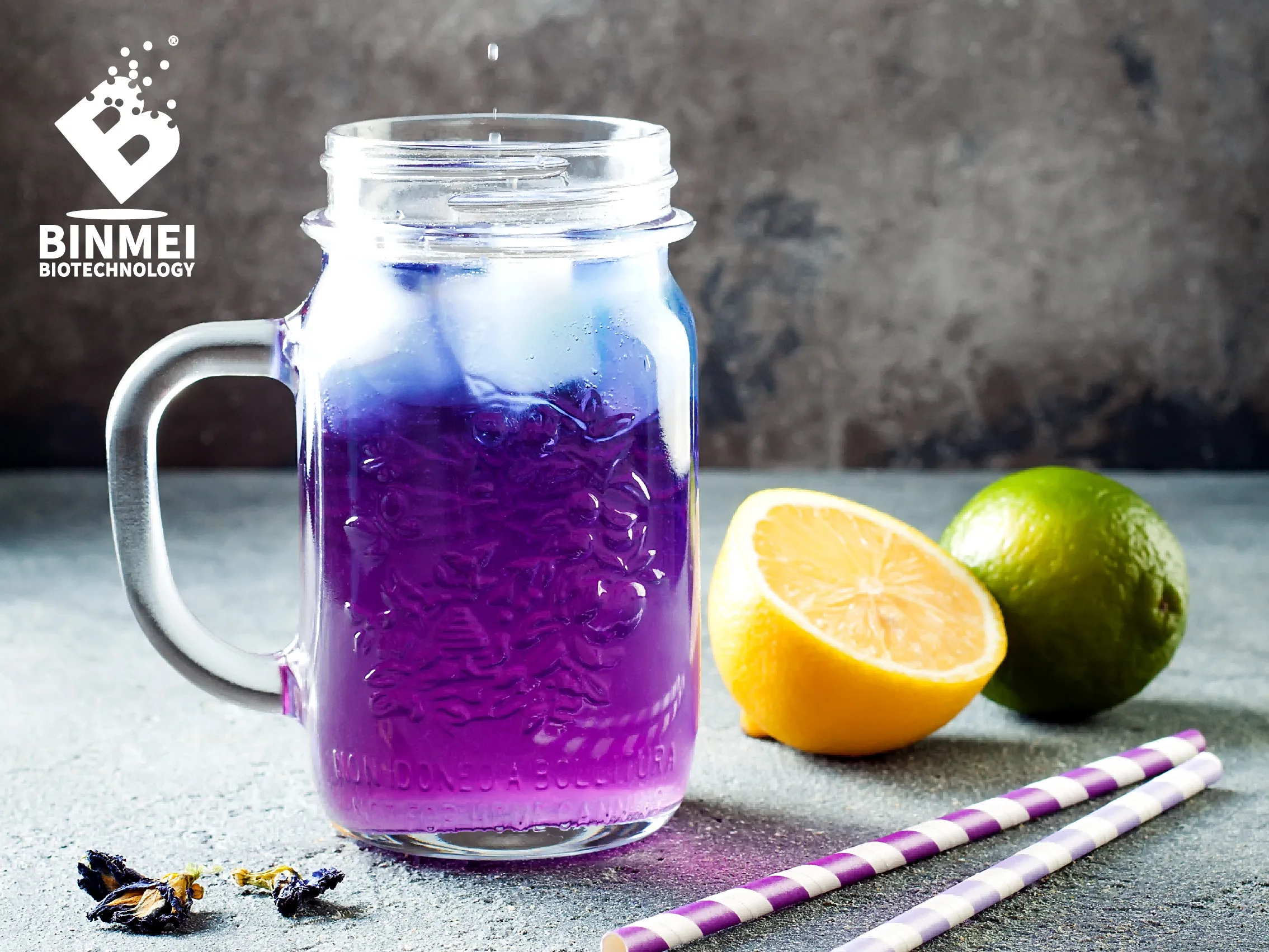
Specialty plant-based colorants focus on visual innovation, using botanical sources such as butterfly pea flower, matcha, and green tea extracts. Butterfly pea flower offers natural blue and pH-responsive gradient effects, while matcha and green tea provide stable green hues that enhance aroma and visual identity.
Application examples
- Butterfly Pea & Rosemary Kombucha by US Laughing Gut Kombucha – Infused with butterfly pea flower and rosemary in kombucha tea, featuring a natural purple hue and showcasing the harmony between plant-based botanicals and fermentation.
- Matcha Kombucha by UK Buddy Kombucha – Brewed on a green tea base and flavored with matcha, delivering its characteristic flavor along with rich polyphenols.
Natural Color-Based Kombucha: Addition Timing, Formulation, and Production Optimization
How can natural colors—such as anthocyanin-based, fruit-derived, and specialty plant colorants—be effectively incorporated into kombucha to ensure consistent color, flavor, and functional benefits?
The following sections outline best practices for addition timing, formulation strategies, and production optimization.
Timing of Natural Color Addition
In commercial kombucha production, natural colorants are typically introduced during the second fermentation stage. This timing offers several technical advantages:
- Minimizes pigment degradation and reduces color loss caused by low pH or active primary fermentation.
- Preserves flavor complexity, avoiding interference with yeast and bacterial activity.
- Retains functional components, such as anthocyanins, polyphenols, and vitamins naturally present in fruits or botanical ingredients.
Formulation Challenges and Strategies
Beyond addition timing, the application of natural colors in kombucha presents several formulation-level challenges, including acid sensitivity, batch-to-batch variation, and potential flavor interactions.
To address these challenges, the following formulation strategies are recommended:
- Acid sensitivity: Select anthocyanin systems optimized for acidic stability or carotenoid-based colorants to maintain color integrity under kombucha’s low-pH conditions. Or pH-responsive ingredients, such as butterfly pea flower, can be applied strategically to create intentional color transitions and visual differentiation.
- Batch variation: Standardize raw material sourcing, harvest season, and extraction parameters to ensure consistent color intensity and hue across production batches.
- Flavor impact: Align color sources with the beverage’s inherent flavor profile. Adjust blending ratios or concentration levels to achieve visual impact without disrupting kombucha’s fermented taste balance.
Processing and Production Optimization
In practical production, the successful use of natural colors in kombucha also requires careful control of processing and storage conditions to ensure long-term stability.
- Temperature control: Avoid prolonged exposure to elevated temperatures to minimize thermal degradation of sensitive pigments.
- PH management: Maintain a stable final pH to prevent unintended color shifts caused by acidity fluctuations during storage and distribution.
- Ingredient ratios: Conduct pilot-scale trials to identify the minimum effective color dosage that delivers the desired appearance while preserving fermentation-driven flavor complexity.
- Light and oxygen protection: Use light-resistant packaging, nitrogen flushing, or low-oxygen filling systems to reduce oxidative and photochemical color degradation, thereby extending shelf life.
With appropriate natural color selection, precise addition timing, and optimized formulation and processing controls, kombucha production can achieve stable coloration, strong shelf appeal, and balanced sensory performance—enabling products that meet both sensory and clean label expectations.
BINMEI: A Trusted Partner for Natural Color Innovation in Kombucha
According to Grand View Research, the global kombucha market was valued at USD 4.26 billion in 2024 and is projected to reach USD 9.09 billion by 2030 at a CAGR of 13.5%[1]. The global kombucha market is poised for rapid growth.
To succeed in this competitive landscape, precise selection of natural colors, thoughtful formulation, and optimized production processes are essential to deliver kombucha that is visually appealing, flavorful, and aligned with clean label standards.
BINMEI has delivered tailored solutions for kombucha and other beverage applications, including red, yellow, blue, green, and black colorants, as well as custom blends, helping brands translate visual appeal, flavor, and clean label innovation into practical, market-ready products, achieving true innovation and differentiation in the beverage sector.
References
[1] Grand View Research. Kombucha Market Size and Share, Industry Report 2030.
All application examples referenced in this article are based on publicly available brand information and are used solely for technical and educational purposes. Product names and trademarks remain the property of their respective owners.