Blue Spirulina vs Green Spirulina
When food manufacturers compare blue spirulina vs green spirulina, the real question is not which one is “better” in general, but which one fits the intended food application more effectively. Although both are derived from spirulina-related raw materials, they serve different roles in natural food coloring.
For B2B buyers, product developers and natural color formulators, understanding the difference between green spirulina vs blue spirulina helps avoid a common mistake: selecting an ingredient based on trend language instead of color direction, formulation fit and commercial need.
What Is Blue Spirulina?
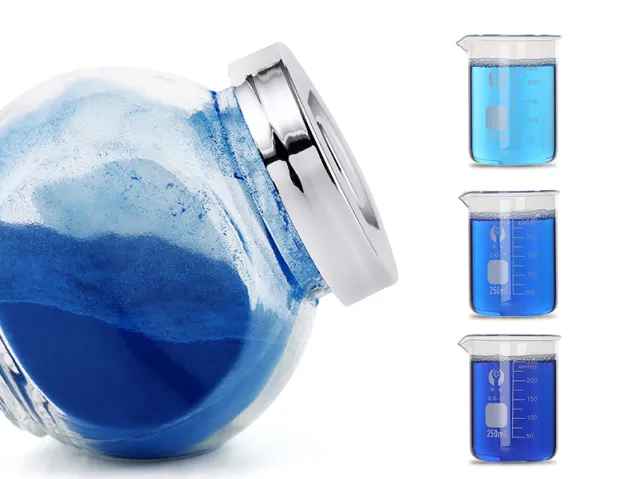
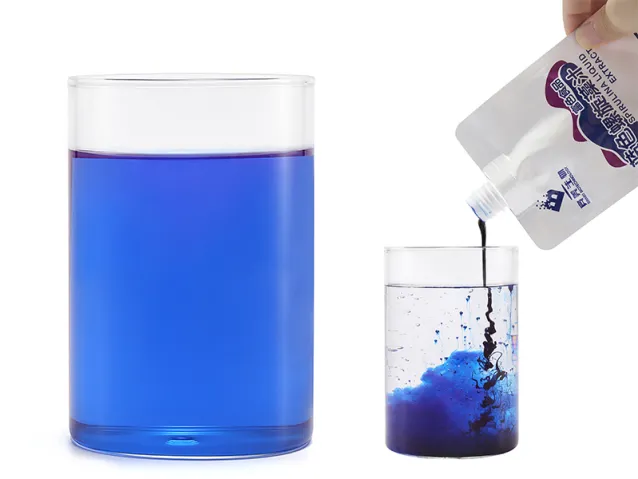
Blue spirulina is generally used to describe a blue coloring solution derived from spirulina-related material, often associated with phycocyanin-rich extracts that are selected for their cleaner blue appearance. In food coloring applications, blue spirulina is commonly evaluated when brands want a vivid or cleaner natural blue tone.
Compared with broader algae-based materials, blue spirulina is usually chosen for projects where the target visual effect is clearly blue rather than green or blue-green.
What Is Green Spirulina?
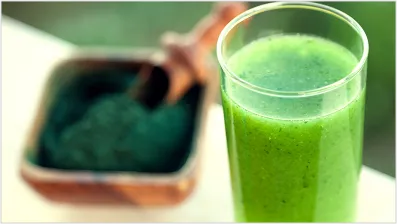
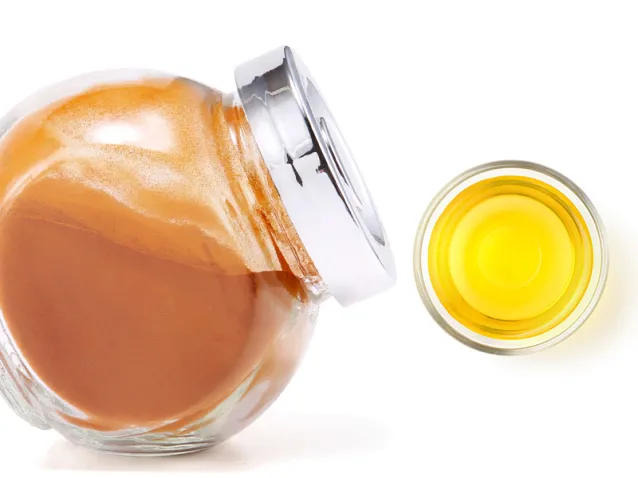
Green spirulina refers to spirulina-based material that retains a greener visual direction. In food applications, it is more relevant when the target outcome is natural green or a darker algae-like green tone rather than a bright blue shade.
This makes green spirulina more suitable for projects where the product concept accepts a natural green identity, or where a green-toned botanical coloring direction is preferred.
Blue Spirulina vs Green Spirulina: What Is the Main Difference?
The biggest difference between blue spirulina vs green spirulina is the final color direction they support in formulation. While both come from related ingredient origins, their practical use in food coloring is not the same.
| Comparison Point | Blue Spirulina | Green Spirulina |
|---|---|---|
| Primary color direction | Cleaner blue | Natural green to blue-green |
| Typical use goal | Natural blue food coloring projects | Natural green or algae-toned coloring projects |
| Best fit for | Products needing a clearer blue identity | Products needing a greener botanical look |
| Selection logic | Choose when shade precision toward blue matters | Choose when green direction is acceptable or preferred |
Green Spirulina vs Blue: Why the Choice Matters in Product Development
For product development teams, choosing between green spirulina vs blue directly affects the final look of the product, the ingredient story and the overall clean-label positioning.
- Choose blue spirulina when the product needs a more recognizable natural blue color result
- Choose green spirulina when a green or blue-green direction better matches the product concept
- Compare by application instead of assuming both are interchangeable
In practice, the wrong choice often leads to unnecessary reformulation because the ingredient did not match the intended visual target from the start.
Best Applications for Blue Spirulina
Blue spirulina is more suitable for applications where a cleaner blue appearance is commercially important. Common examples include:
- Beverages that require a natural blue visual profile
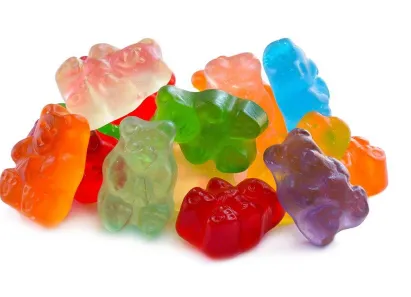
- Confectionery projects with bright or novelty blue concepts
- Desserts and dairy-style products where a cleaner blue tone is preferred
- Specialty food products positioned around plant-based natural color solutions
If the main goal is to create a clearly blue food product, blue spirulina is generally the better starting point.
Best Applications for Green Spirulina
Green spirulina is more appropriate for products that accept or benefit from a greener visual appearance. It is often considered for:
- Natural green beverage concepts
- Bakery or fillings where a botanical green direction is acceptable
- Food projects that do not require a bright blue shade
- Applications where a broader algae-derived ingredient identity is preferred
If the formulation target is not “blue” in a strict sense, green spirulina may offer a more suitable direction.
Blue Spirulina vs Green Spirulina for Natural Food Coloring
In the context of natural food coloring, the comparison should focus on color outcome rather than general ingredient popularity. Many buyers search for blue spirulina vs green spirulina because they need to decide which one better supports their product line, not because they are looking for supplement-style “benefits”.
That is why this comparison should be evaluated through:
- Color direction
- Application type
- Formulation compatibility
- Commercial sourcing requirements
How to Choose Between Blue Spirulina and Green Spirulina
If you are deciding between blue spirulina vs green spirulina, the following questions usually matter most:
- What color do you really need? Cleaner blue or natural green?
- What product are you making? Beverage, confectionery, bakery, dairy or specialty food?
- How strict is the visual target? If the product must look clearly blue, green spirulina is usually not the ideal first choice.
- Do you need a more specific blue solution? In that case, a refined blue spirulina or phycocyanin-oriented option may be more suitable.
In short:
- Blue spirulina is usually the better fit for natural blue food coloring
- Green spirulina is usually the better fit for natural green or blue-green applications
Commercial Considerations for B2B Buyers
For B2B buyers, this comparison is also a sourcing decision. Beyond color direction, buyers typically need to evaluate:
- Product specification
- MOQ
- Packaging options
- Sample availability
- Technical documentation
- Application support
This is especially important when teams are moving from concept testing into supplier selection and commercial evaluation.
Related Spirulina Solutions and Internal Navigation
To make this page function as a true comparison and decision-support page, users should be able to move directly to the next relevant page based on what they decide:
- If you need a clearer blue solution, explore Organic Blue Spirulina Powder.
- If you are evaluating greener spirulina-based options, review Green Spirulina Extract.
- If you want to compare broader blue solution paths, visit Natural Blue Food Coloring.
- If your project is closer to green-toned food coloring, go to Natural Green Food Coloring.
- If you need to understand spirulina extract identity in more depth, see Spirulina Platensis Extract.
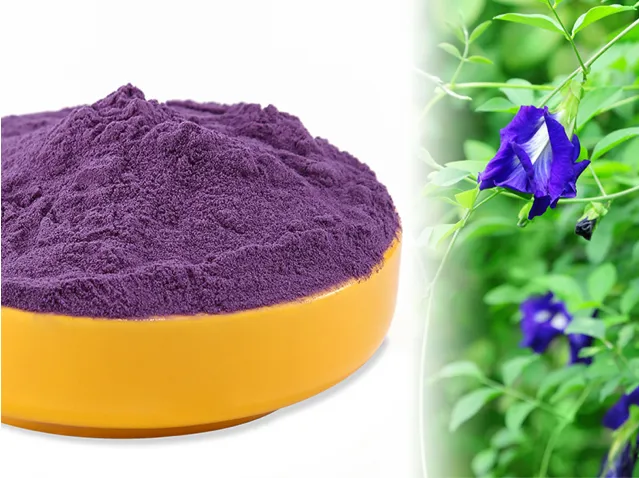
- If your team is also comparing blue sources, read Blue Spirulina Extract VS Butterfly Pea Powder.
- If you need more background on blue spirulina production, read How Blue Spirulina Is Made.
FAQ
Is blue spirulina the same as green spirulina?
No. Although they are related in ingredient origin, they are used differently in food coloring. Blue spirulina is selected for cleaner blue direction, while green spirulina is more suitable for green or blue-green outcomes.
Blue spirulina vs green spirulina: which one is better?
Neither is universally better. The better choice depends on whether your product needs a blue or green final appearance, and which application you are developing.
When should I choose blue spirulina?
Blue spirulina is usually the better option when your product needs a more recognizable natural blue shade.
When should I choose green spirulina?
Green spirulina is more suitable when the target is natural green or blue-green, rather than a cleaner blue tone.
Can this page help with supplier selection?
Yes. This page is designed as a comparison and decision-support page, and it connects users to the next relevant product, category and knowledge pages for evaluation.