
Natural Colors – Green
Natural Green Product Matrix
Choosing the right natural green food coloring depends on the target shade, product system,
stability requirements and flavor tolerance. Instead of treating all green ingredients as equal, buyers should compare
the most practical green food dye options by application and technical fit.
Green Source
Shade Direction
Main Strength
Best Fit
Related Binmei Direction
Spirulina Blended Green
Vibrant teal-green
Bright, modern green tone with neutral taste
Beverage, confectionery, dairy, frosting
Spirulina
Sodium Copper Chlorophyllin
Bright emerald green
Water-soluble and good stability
Beverage, candy, ice cream, bakery
Green category direction
Chlorophyll
Olive / grassy green
Natural plant-origin green image
Oil-based products, sauces, selected niche uses
Special-use green direction
Matcha Powder
Muted yellow-green
Flavor-linked green for niche concepts
Lattes, baking, flavor-forward products
Use only where tea flavor is suitable
How to Choose the Right Natural Green Food Coloring
A good green food coloring choice is not based on shade alone. The best option depends on how the color performs
in the final product and whether the ingredient profile matches the intended commercial positioning.
1. Choose by Target Shade
If you need a very bright teal-green, a spirulina blended green is usually more suitable. If you need a classic bright green,
chlorophyllin is often a stronger option.
2. Choose by Application
Beverage, confectionery, dairy, bakery and frozen foods do not behave the same way. A natural green food dye
for beverages may not be the best option for baking or oil-based systems.
3. Check Flavor Tolerance
Some green sources carry stronger natural flavor notes. If a neutral taste is important, buyers should avoid green ingredients
that may affect the final flavor profile.
4. Review Stability Needs
Heat, light exposure and solubility are all part of the decision. A practical green food color natural solution
should match the processing conditions of the intended application.
5. Consider Product Format
Powder and extract formats do not serve every project equally. For concentrated dry systems or ingredient handling flexibility,
a powder format may be more suitable. For selected liquid systems, a different green solution may be more practical.
Recommended Applications by Green Type
Application
Recommended Green Direction
Why It Fits
Beverage
Spirulina blended green / chlorophyllin
Suitable for brighter green shades and more flexible formulation use
Confectionery
Spirulina blended green
Works well where vibrant visual effect and neutral taste are important
Bakery
Chlorophyllin
More suitable where heat stability is a stronger requirement
Dairy & Frozen Foods
Spirulina blended green
Useful for modern natural green concepts in chilled or frozen systems
Niche Flavor-Driven Products
Matcha powder
Suitable only where tea flavor supports the final product direction
For application-specific direction, you can also review
Beverage Applications,
Confectionery Applications and
Bakery Applications.
Binmei Green Solutions
Binmei supports customers looking for natural green food coloring powder and related green solutions
for commercial food applications. Depending on the target color, product format and formulation requirements, buyers can continue to evaluate the most suitable direction.
- Spirulina for spirulina-based green direction
- Spirulina Superfine Powder for concentrated powder handling and dry-system flexibility
- Beverage Applications for drink-related green formulation direction
- Confectionery Applications for sweets and filling systems
- Bakery Applications for heat-related green selection logic
Commercial FAQ
What is the best natural green food dye for beverages?
In many beverage systems, spirulina blended green and chlorophyllin are among the most practical directions,
depending on the target shade, stability needs and flavor expectations.
Which natural green food coloring powder is better for baking?
For baking, chlorophyllin is often a stronger option because it generally provides better heat stability than more delicate green ingredients.
Do you offer a very bright teal-green solution?
Yes. For bright blue-green or teal-green effects, spirulina blended green is often the more suitable choice.
Can BINMEI customize a green shade?
Yes. Binmei can support custom shade matching for selected green food coloring projects depending on the product category and technical requirements.
Can I request samples and technical documents?
Yes. Samples, technical documents and project communication can be provided upon request for qualified applications.
Explore our full palette of natural colors
Natural Green Product Matrix
Choosing the right natural green food coloring depends on the target shade, product system, stability requirements and flavor tolerance. Instead of treating all green ingredients as equal, buyers should compare the most practical green food dye options by application and technical fit.
| Green Source | Shade Direction | Main Strength | Best Fit | Related Binmei Direction |
|---|---|---|---|---|
| Spirulina Blended Green | Vibrant teal-green | Bright, modern green tone with neutral taste | Beverage, confectionery, dairy, frosting | Spirulina |
| Sodium Copper Chlorophyllin | Bright emerald green | Water-soluble and good stability | Beverage, candy, ice cream, bakery | Green category direction |
| Chlorophyll | Olive / grassy green | Natural plant-origin green image | Oil-based products, sauces, selected niche uses | Special-use green direction |
| Matcha Powder | Muted yellow-green | Flavor-linked green for niche concepts | Lattes, baking, flavor-forward products | Use only where tea flavor is suitable |
How to Choose the Right Natural Green Food Coloring
A good green food coloring choice is not based on shade alone. The best option depends on how the color performs in the final product and whether the ingredient profile matches the intended commercial positioning.
1. Choose by Target Shade
If you need a very bright teal-green, a spirulina blended green is usually more suitable. If you need a classic bright green, chlorophyllin is often a stronger option.
2. Choose by Application
Beverage, confectionery, dairy, bakery and frozen foods do not behave the same way. A natural green food dye for beverages may not be the best option for baking or oil-based systems.
3. Check Flavor Tolerance
Some green sources carry stronger natural flavor notes. If a neutral taste is important, buyers should avoid green ingredients that may affect the final flavor profile.
4. Review Stability Needs
Heat, light exposure and solubility are all part of the decision. A practical green food color natural solution should match the processing conditions of the intended application.
5. Consider Product Format
Powder and extract formats do not serve every project equally. For concentrated dry systems or ingredient handling flexibility, a powder format may be more suitable. For selected liquid systems, a different green solution may be more practical.
Recommended Applications by Green Type
| Application | Recommended Green Direction | Why It Fits |
|---|---|---|
| Beverage | Spirulina blended green / chlorophyllin | Suitable for brighter green shades and more flexible formulation use |
| Confectionery | Spirulina blended green | Works well where vibrant visual effect and neutral taste are important |
| Bakery | Chlorophyllin | More suitable where heat stability is a stronger requirement |
| Dairy & Frozen Foods | Spirulina blended green | Useful for modern natural green concepts in chilled or frozen systems |
| Niche Flavor-Driven Products | Matcha powder | Suitable only where tea flavor supports the final product direction |
For application-specific direction, you can also review Beverage Applications, Confectionery Applications and Bakery Applications.
Binmei Green Solutions
Binmei supports customers looking for natural green food coloring powder and related green solutions for commercial food applications. Depending on the target color, product format and formulation requirements, buyers can continue to evaluate the most suitable direction.
- Spirulina for spirulina-based green direction
- Spirulina Superfine Powder for concentrated powder handling and dry-system flexibility
- Beverage Applications for drink-related green formulation direction
- Confectionery Applications for sweets and filling systems
- Bakery Applications for heat-related green selection logic
Commercial FAQ
What is the best natural green food dye for beverages?
In many beverage systems, spirulina blended green and chlorophyllin are among the most practical directions, depending on the target shade, stability needs and flavor expectations.
Which natural green food coloring powder is better for baking?
For baking, chlorophyllin is often a stronger option because it generally provides better heat stability than more delicate green ingredients.
Do you offer a very bright teal-green solution?
Yes. For bright blue-green or teal-green effects, spirulina blended green is often the more suitable choice.
Can BINMEI customize a green shade?
Yes. Binmei can support custom shade matching for selected green food coloring projects depending on the product category and technical requirements.
Can I request samples and technical documents?
Yes. Samples, technical documents and project communication can be provided upon request for qualified applications.
We select the finest from nature to create the fullest possible palette of appealing shades. Our natural food colors answer the demand for food that's safe to eat with quality ingredients that can be trusted. Scroll through our large selection of food colors below. Under each raw material you’ll find stability information, as well as the many shades it can produce. All our colors are customizable and we offer color matching as well, if you’re looking to change your food color supplier.
SELECT A FILTER
Spirulina
Spirulina is believed to be one of the oldest life forms on Earth and it is widely known as a dietary supplement. But Spirulina is also used as a food coloring ingredient, which is very effective in frozen foods such as shakes, smoothies and ice cream.
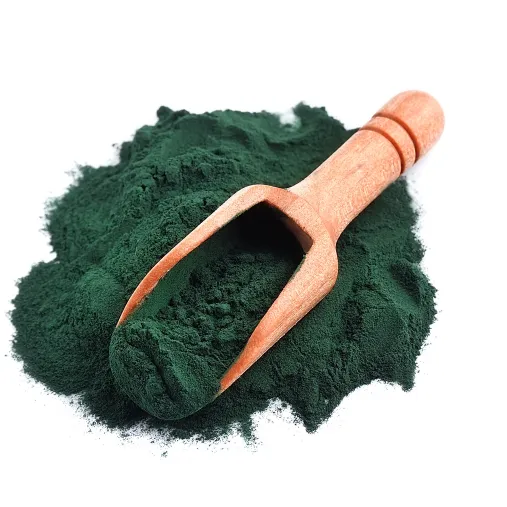
Spirulina Superfine Powder
Spirulina superfine powder is made by screening fresh spirulina and then reprocessing it through high-pressure wall breaking, homogeneous emulsification, etc. It has the characteristics of delicate taste, uniform coloring, which is more conducive to human absorption and convenient blending and use.