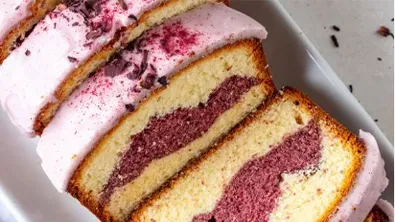
Hibiscus Extract Color
Anthocyanins: INS No. 163(x)
Hibiscus sabdariffa L. (Hs, roselle; Malvaceae) has been used traditionally as a food, in herbal drinks, in hot and cold beverages, as a coloring or flavoring agent in the food industry, and as a herbal medicine. Under acidic conditions, hibiscus extract can bring a pink-to-red visual effect to beverages. BINMEI uses its top-quality hibiscus flowers to extract hibiscus color through a strict quality system. BINMEI has a year-round reserve of hibiscus color powder and liquid inventory, and can also accept customer customization.
BINMEI Top Quality Hibiscus Extract
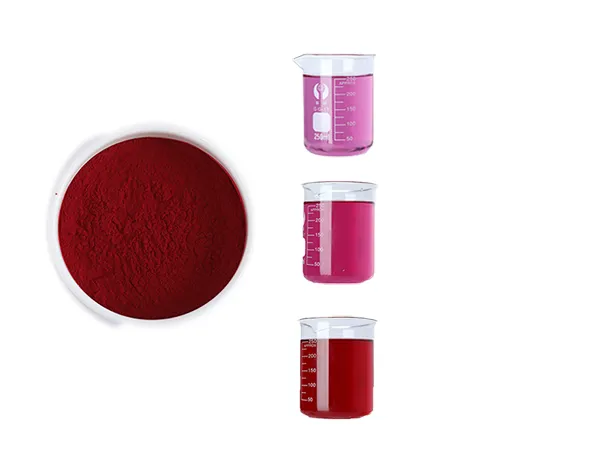
Product Information: Hibiscus Extract
Hibiscus Color for Natural Red Food Coloring
Hibiscus color is increasingly used as a plant-based red to pink-red solution in food and beverage development. For brands that want a cleaner label and a more natural ingredient image, hibiscus is often evaluated as an alternative to synthetic red dyes and animal-derived coloring ingredients. In practical use, hibiscus is valued not only for its botanical origin, but also for its visually attractive red tone in selected applications.
However, hibiscus food coloring is not a universal replacement for every red system. Its suitability depends on the product type, the target shade, the processing environment and the intended market positioning. This page is designed to help buyers and product teams understand where hibiscus works well, how it compares with other natural red options, and how to choose the right hibiscus direction for commercial food coloring use.
What Is Hibiscus Color?
Hibiscus color refers to the red to pink-red color direction obtained from hibiscus-derived ingredients, most commonly from hibiscus sabdariffa extract. The color comes mainly from anthocyanin-related pigment compounds, which are also responsible for the red, purple and pink shades found in many botanical ingredients.
In food coloring applications, hibiscus is usually evaluated as a natural red food coloring source rather than as a nutritional ingredient. This distinction matters. The value of hibiscus in this context is not primarily about wellness positioning, but about how well its color performs in real food systems such as beverages, confectionery and selected dairy applications.
Why Hibiscus Works as a Natural Red Food Coloring
One reason hibiscus color is attractive in food development is that it can create a softer and more naturally expressive red than many synthetic dyes. Instead of producing a highly artificial or fluorescent red, hibiscus often gives a brighter botanical red, pink-red or red-purple tone that better matches clean-label and plant-based product concepts.
- Plant-based image: suitable for brands seeking botanical and natural ingredient positioning
- Visual appeal: able to support bright red to red-purple concepts in selected systems
- Application flexibility: useful in beverages, confectionery and selected dessert concepts
- Cleaner label direction: often preferred where synthetic red dyes are less desirable
At the same time, hibiscus is not automatically the best red source in every product. Its final performance depends on pH, formulation matrix, processing conditions and the visual target of the finished product.
Hibiscus vs Other Natural Red Colors
Choosing hibiscus food coloring becomes easier when it is compared directly with other natural red options. Different red sources can deliver very different shade profiles, stability behavior and application fit.
| Red Source | Typical Shade | Main Strength | Main Limitation | Best Fit |
|---|---|---|---|---|
| Hibiscus Extract | Bright pink-red to red-purple | Plant-based, visually expressive, suitable for beverages and selected confectionery | Can be sensitive depending on formulation conditions | Beverages, gummies, selected dairy desserts, premium red concepts |
| Aronia Berry Extract | Deep red-purple | Rich anthocyanin direction, strong clean-label appeal | Final tone may be darker depending on use level and system | Beverages, confectionery, dairy desserts, red-purple applications |
| Beetroot | Pink-red to magenta | Recognizable natural red source | Can be more sensitive in some systems and may not fit every flavor profile | Frostings, fillings, chilled products, low-heat applications |
| Carmine | Strong red | Very effective red tone | Not vegan and less suitable for plant-based positioning | Applications where strong red is required and label positioning allows it |
In practical terms, hibiscus is often chosen when a brand wants a more botanical-looking red and a plant-based ingredient story. Where a deeper red-purple direction is needed, Aronia Berry Extract Powder may also be worth comparing.
Best Applications of Hibiscus Color
The best use of hibiscus color depends on the application system. Not every food category places the same demands on a natural red source, so the practical value of hibiscus must be evaluated by product type.
Beverage Applications
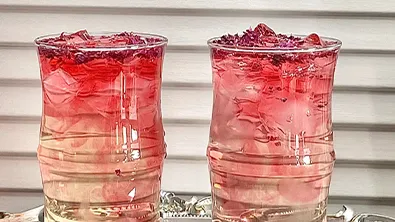
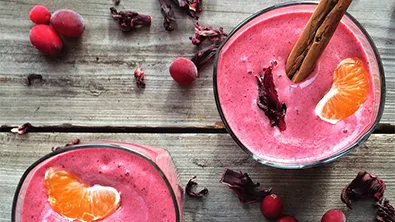
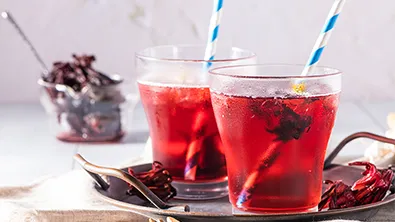
Beverage systems are one of the most suitable directions for hibiscus liquid extract and related hibiscus coloring solutions. In many drinks, hibiscus can support a bright and naturally appealing red tone while aligning well with fruit-forward or botanical flavor concepts. For more beverage-specific direction, you can also review BINMEI's Beverage Applications.
Confectionery Applications
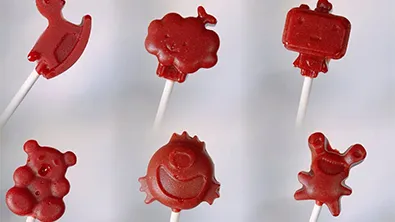
In gummies, fillings and selected confectionery concepts, hibiscus extract powder or liquid-format hibiscus direction may be useful where a natural red or pink-red shade is needed. The final decision depends on pH, sweetness profile and target appearance. For related product direction, you can also review BINMEI's Confectionery Applications.
Dairy and Dessert Applications
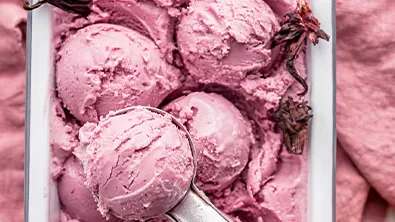
In yogurt, dairy desserts and selected frozen products, hibiscus can support a soft botanical red direction when the formulation is suitable. In these applications, visual softness and premium color image can be more important than maximum color intensity.
Premium Botanical Concepts
Hibiscus is also attractive in premium and floral-style product concepts where the ingredient story is part of the value. In such cases, hibiscus is not chosen only because it is red, but because it supports a recognizable botanical positioning.
Powder vs Liquid Hibiscus Extract
Buyers evaluating hibiscus extract powder and hibiscus liquid extract should choose the format according to the product system and production workflow rather than assuming one format is always better.
When Powder Is More Practical
- For dry mixes and powdered systems
- When flexible dosage and concentrated storage are important
- When product development teams want more control over blending and reformulation
When Liquid Is More Practical
- For beverage systems and ready-to-use liquid applications
- When faster dispersion is needed
- When the production line already works more efficiently with liquid color ingredients
The best choice depends on whether the project is focused on beverage applications, confectionery use, or a more specialized red concept.
How to Choose Hibiscus for Food Coloring
Choosing hibiscus color for a commercial project should follow a practical selection logic. It is not enough to know that hibiscus is natural. The real question is whether it is the most suitable red direction for the final product.
1. Start with the Target Shade
Decide whether the goal is a pink-red, bright red or red-purple direction. Hibiscus is often strongest when a botanical red expression is acceptable or desirable.
2. Match the Application Type
Beverage, confectionery and dairy systems behave differently. Hibiscus may be more suitable in some categories than in high-heat or highly specialized processing systems.
3. Check pH and Stability Behavior
As with many anthocyanin-related ingredients, formulation conditions matter. Teams should always evaluate the final product matrix before confirming the color source.
4. Review Flavor Fit
The visual result is important, but flavor compatibility also matters. A suitable hibiscus food coloring direction should support the product concept without creating unwanted mismatch in taste perception.
5. Consider Label and Market Positioning
Hibiscus is especially useful in products where botanical, plant-based or premium clean-label positioning is part of the commercial strategy.
Commercial Supply and Bulk Options
For buyers looking beyond concept selection, a suitable hibiscus solution must also support commercial execution. That means the supplier should be able to provide the right product format, technical communication and basic support for scale-up.
| Commercial Item | Support Direction |
|---|---|
| Bulk Supply | Available for commercial food coloring projects |
| MOQ | Can be discussed based on product type and project scale |
| Sample Support | Samples can be provided for evaluation and formulation review |
| Technical Support | Application-related communication available upon request |
| Related Product Direction | Powder and liquid hibiscus-related solutions depending on project needs |
Related Natural Red Solution Paths
Hibiscus is one valuable path within the broader red category, but it is not the only one. Buyers comparing natural red options may also want to review:
- Aronia Berry Extract Powder
- Alternatives for Red Food Coloring
- Beverage Applications
- Confectionery Applications
Commercial FAQ
Can hibiscus be used as a natural red food coloring?
Yes. Hibiscus can be used as a natural red to pink-red food coloring direction in selected beverage, confectionery and dessert-related applications.
Is hibiscus better than aronia for red food coloring?
Not always. Hibiscus and aronia provide different shade directions and may be better suited to different product systems. The best choice depends on the target red tone and application.
Which is better for beverages: hibiscus extract powder or hibiscus liquid extract?
Liquid formats are often more practical in beverage systems because they can be easier to disperse, but the best choice still depends on the production workflow and formulation needs.
Can hibiscus color be used in confectionery?
Yes. Hibiscus can be considered in gummies, fillings and selected confectionery concepts where a natural red direction is required.
Can BINMEI support bulk hibiscus color projects?
Yes. BINMEI can support commercial natural red food coloring projects and help buyers evaluate whether hibiscus is the right direction for their intended application.
| Specification | HE |
| Color Value | Conventional and Customized |
| Appearance | Red Powder and Liquid |
| Solubility | Water Soluble |
Nutritional Value
| Serving Size | 100g |
| Amount Per Serving | Calories 387 % Daily Value* |
| Total Fat 0g | 0% |
| Cholesterol 0mg | 0% |
| Sodium 30mg | 1.5% |
| Total Carbohydrate 95g | 32% |
| Protein 1.72g | 3% |
Food Color
FAQ
Packaging and Orders
We are mainly offering large packaging for business use, as well as small packaging s for retailing, such as 100g small pack. Meantime, we also can customize the packaging and specifications according to customer needs.