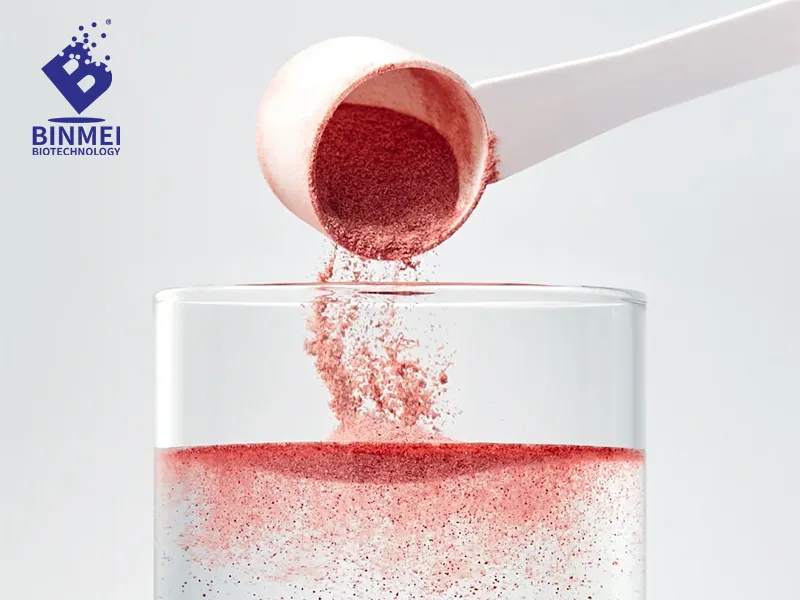
Red Food Coloring Substitute: Natural Options for Commercial Formulations
Red Food Coloring Substitute: Quick Answer for Commercial Formulations
A red food coloring substitute should be selected by target shade, finished-product pH, processing conditions and application rather than treated as a universal one-to-one replacement. Within Binmei's red color portfolio, Aronia Extract and Black Carrot Extract provide red to dark-red anthocyanin options with an optimal pH range of 2.5-4.0, while Beet Extract provides red to pink shades with an optimal pH range of 4.0-6.0 and requires additional attention to heat exposure.
For food manufacturers and R&D formulators, this distinction matters because two natural red pigments can look similar during early trials but behave differently once they enter an acidic beverage, heated confectionery system, frosting, dairy formulation or frozen dessert.
The practical question is therefore not simply what can replace red food coloring. The right option needs to match the required shade, formulation pH, production process and finished-product conditions.
Compare Natural Red Food Coloring Substitutes
Binmei focuses this comparison on three natural red color directions within its current product portfolio: Aronia Extract, Black Carrot Extract and Beet Extract. Their pigment chemistry and formulation windows are different, so the correct substitute depends on the conditions of the finished product.
| Natural Red Option | Color Direction | Verified pH Performance | Processing Consideration | Evaluation Direction |
|---|---|---|---|---|
| Aronia Extract | Red / Dark Red | Optimal: pH 2.5-4.0 Acceptable: pH 3.0-4.5 Above pH 5, the shade may shift toward blue or gray. |
Validate performance against the actual product pH, process and finished formulation. | Evaluate for acidic formulations requiring a red or dark-red direction. |
| Black Carrot Extract | Red / Dark Red | Optimal: pH 2.5-4.0 Acceptable: pH 3.0-4.5 |
Validate the color under the intended production and finished-product conditions. | Evaluate for acidic food and beverage systems requiring red or dark-red shades. |
| Beet Extract | Red / Pink | Optimal: pH 4.0-6.0 Acceptable: pH 3.5-6.5 |
Heat-sensitive. Where the process allows it, post-pasteurization addition can reduce unnecessary heat exposure. | Evaluate for red-to-pink formulations with a suitable pH and controlled heat exposure. |
How to Choose the Right Substitute for Red Food Coloring
1. Define the Target Shade
Red is not a single formulation target. Aronia Extract and Black Carrot Extract are red to dark-red options, while Beet Extract provides a red-to-pink direction. Define the required visual result before comparing technical performance.
2. Check Finished-Product pH
pH is one of the most important variables when working with natural red colors. Aronia Extract and Black Carrot Extract have an optimal pH range of 2.5-4.0. Aronia Extract may shift toward blue or gray above pH 5. Beet Extract operates in a different window, with an optimal pH range of 4.0-6.0.
3. Review Processing Temperature
Processing temperature can change which color is practical. Beet Extract is heat-sensitive, so the heating profile and point of color addition should be considered during formulation. Do not assume that an attractive bench-top shade will remain unchanged during commercial processing.
4. Match the Color to the Application
The complete food system matters. Ingredient matrix, pH, color-addition point, processing conditions and the required finished appearance should be evaluated together before commercial scale-up.
For commercial formulation work, use the same decision order consistently: Color → Application → Processing → Formulation → Solution.
Choosing a Red Food Coloring Substitute by Application
Bakery and Heat-Processed Foods
Heat should be reviewed early in bakery and other high-temperature processes. Because Beet Extract is heat-sensitive, it should not be selected for a baked product simply because its initial red or pink shade appears suitable. Review the actual process temperature, exposure time and color-addition point before scale-up.
Explore Binmei Bakery Applications for related application information.
Frostings and Icings
Frostings and icings generally expose the color to less heat than a baked batter. Beet Extract can be evaluated when the formulation requires a red-to-pink direction and its pH falls within an appropriate range. In more acidic systems requiring a darker red, Aronia Extract or Black Carrot Extract may also be relevant candidates.
Beverages
For beverages, check pH before choosing the color. Aronia Extract and Black Carrot Extract have an optimal pH range of 2.5-4.0. Aronia Extract may shift toward blue or gray above pH 5. Beet Extract has an optimal pH range of 4.0-6.0, but its heat sensitivity means pasteurization conditions and the color-addition stage also need to be considered.
Explore Binmei Beverage Applications for related formulation information.
Gummies and Confectionery
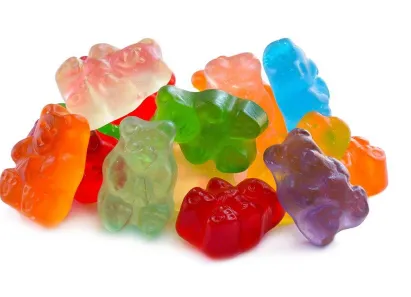
Gummies and confectionery can combine acidity with meaningful process heat, so both factors should be evaluated together. Aronia Extract and Black Carrot Extract provide logical starting points for acidic systems requiring red or dark-red shades. Beet Extract may be evaluated where the required shade and pH fit its performance window, with heat exposure considered when determining the color-addition point.
Explore Binmei Confectionery Applications for related application information.
Dairy and Frozen Desserts
In dairy and frozen desserts, begin with the finished-product pH and target shade. Beet Extract can be evaluated for red-to-pink directions within its relevant pH window, while Aronia Extract or Black Carrot Extract may be considered in more acidic formulations requiring a darker red direction. Testing in the actual matrix is more useful than selecting only from a color swatch.
See Binmei Dairy Applications and Ice Cream Applications for related information.
Why Manufacturers Evaluate Natural Alternatives for Red Food Coloring
Food manufacturers may evaluate alternatives for red food coloring for clean-label formulation, reformulation away from selected synthetic dyes, customer requirements or changing market expectations. Moving from a synthetic color to a naturally derived color is not always a one-to-one substitution because natural pigments respond differently to pH, heat and formulation conditions.
For commercial reformulation, define the required color result first and then test the candidate under the actual process and finished-product conditions. Ingredient name alone is not enough to predict performance.
Binmei Natural Red Color Options
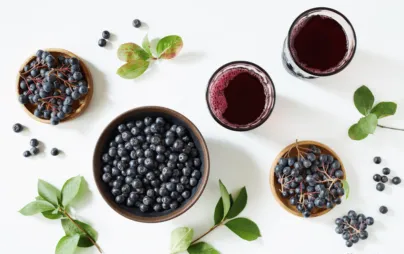
- Aronia Extract — red to dark-red anthocyanin color for evaluation in acidic formulations.
- Black Carrot Extract — red to dark-red anthocyanin color with an optimal pH range of 2.5-4.0.
- Beet Extract — red to pink betanin-based color with an optimal pH range of 4.0-6.0 and heat-sensitive behavior.
- Natural Colors - Red — review Binmei's existing red color category when more than one formulation direction needs to be evaluated.
From Formulation Evaluation to Commercial Supply
Selecting the pigment is only one part of a commercial color project. Procurement and R&D teams also need to evaluate technical support, documentation, production consistency, sourcing requirements and packaging needs before moving from laboratory trials to routine production.
Learn more about Binmei's Core Competencies and manufacturing and sourcing capabilities when evaluating a B2B natural food color supplier.
Frequently Asked Questions About Red Food Coloring Substitutes
What is a good substitute for red food coloring?
A suitable substitute depends on target shade, product pH and processing conditions. Aronia Extract and Black Carrot Extract are red to dark-red options for acidic systems, while Beet Extract provides red to pink shades in a different pH window and requires additional attention to heat exposure.
What can replace Red 40 in commercial food formulations?
For manufacturers reformulating away from Red 40, natural options can include Aronia Extract, Black Carrot Extract or Beet Extract, depending on target shade, product pH, processing temperature and the finished formulation. There is no universal one-to-one replacement.
Which natural red food coloring works in acidic foods?
Aronia Extract and Black Carrot Extract are relevant candidates to evaluate in acidic systems. Both have an optimal pH range of 2.5-4.0. Aronia Extract may shift toward blue or gray above pH 5, so finished-product pH should be confirmed before selection.
Does natural red food coloring change with pH?
Yes. Natural pigments can change shade or performance as formulation pH changes. Anthocyanin-based colors are particularly pH-responsive, so natural red colors should be evaluated at the actual finished-product pH.
Is Beet Extract suitable for heat-processed foods?
Beet Extract is heat-sensitive. Where the manufacturing process allows it, post-pasteurization color addition can reduce unnecessary heat exposure. Otherwise, color retention should be validated under actual processing conditions before commercial scale-up.
How do I choose between Beet Extract, Black Carrot Extract and Aronia Extract?
Start with target shade, finished-product pH, processing conditions and application. Aronia Extract and Black Carrot Extract are red to dark-red anthocyanin options with optimal pH ranges of 2.5-4.0. Beet Extract is red to pink, has an optimal pH range of 4.0-6.0 and requires closer control of heat exposure.
Test the Right Red Color for Your Formulation
Share your target shade, finished-product pH, application, processing conditions and color-addition stage with the Binmei team. We can support B2B evaluation with a free sample, technical consultation, and OEM / Private Label options including custom packaging requirements.