
Natural Colors – Blue
In food and beverage development, natural blue food coloring remains one of the most difficult color categories to source and apply well.
Compared with red, yellow or orange, blue is more limited in natural ingredient options, which is why product developers, buyers and brands often need a clearer view of the available blue solutions before choosing the right direction.
This page is designed to help customers understand the main routes for natural blue dye, how different blue ingredients fit different applications, and how to select a practical solution for commercial food projects.
Rather than focusing on one single ingredient only, the goal is to give a broader category view of blue food coloring natural solutions used in modern food systems.
What Is Natural Blue Food Coloring?
Natural blue food coloring refers to blue color ingredients derived from natural sources and used to create blue or blue-leaning shades in food and beverage products.
For many brands, this category is important because blue is visually distinctive, highly recognizable, and often used in products where color plays a major role in shelf appeal.
At the same time, not every blue ingredient works the same way.
Some options are better suited to beverages, some are more suitable for confectionery or frozen desserts, and some may be stronger from a sourcing or processing perspective.
That is why a category page should not only name ingredients, but also help users understand which natural blue coloring for food route makes more sense for their product.
Why Natural Blue Dye Is a Special Category
Blue is one of the most sensitive and selective color directions in natural food development.
Many brands want a blue shade because it looks modern, refreshing, playful or premium, but not every natural ingredient can deliver the same visual result or the same formulation experience.
Because of that, choosing the right natural blue food coloring usually depends on more than the color name itself.
Buyers often need to consider the target shade, the product format, the intended application, and whether the ingredient needs to fit a larger clean-label or natural-positioning strategy.
Main Natural Blue Food Coloring Options
BINMEI’s blue category can support several important directions for customers developing blue food and beverage products.
Instead of treating all blue ingredients as interchangeable, it is more useful to look at them as different solution paths within the broader natural blue dye category.
Spirulina Extract
Spirulina-based blue ingredients are among the best-known options in the natural blue category.
They are often considered for applications where brands want a recognizable natural blue direction and a cleaner ingredient story.
For customers already moving toward a product-level decision, a dedicated spirulina product page is often the next step after understanding the category.
Spirulina Liquid Extract
In some projects, a liquid route may be more relevant than a powder route.
A spirulina liquid extract option can be explored where product teams want to compare handling format, workflow suitability or application convenience as part of their sourcing decision.
This is why powder versus liquid should be viewed as a selection factor inside the natural blue food coloring category, not as an isolated product question.
Butterfly Pea Flower Extract
Butterfly pea flower extract is another notable route in the blue category.
It may be evaluated when buyers are comparing different natural source stories or exploring alternative ways to achieve a blue or blue-purple visual direction in selected formulations.
In a category page, this helps users see that blue food coloring natural does not mean only one ingredient source.
How to Choose the Right Natural Blue Coloring for Food
The best natural blue coloring for food depends on the actual product goal.
A useful category page should help users narrow the choice based on real formulation and commercial factors rather than forcing all traffic into one ingredient.
In practice, product developers and buyers often compare blue options based on:
- target shade — whether the product needs a bright blue, soft blue or a blue-leaning tone
- application type — beverage, confectionery, ice cream, dairy or other food categories
- ingredient format — powder versus liquid according to development and production needs
- commercial supply — whether samples, documentation and bulk support are available
- source preference — whether the brand prefers spirulina-based or flower-based natural blue routes
This is one of the main reasons a category page matters for SEO.
Users searching for terms like natural blue food coloring or natural blue dye are often still in the evaluation stage.
They are not always ready for a single product page yet.
They first want to understand what the main blue options are, how those options differ, and which direction is more suitable for their project.
Natural Blue Food Coloring for Beverages
Beverage is one of the most important application areas for natural blue ingredients.
A blue tone can make drinks feel cooler, fresher and more visually distinctive, especially in categories where appearance contributes directly to product positioning.
Customers exploring this route can continue to the beverage applications page for a broader view of how color ingredients are used across drink concepts.
From a category perspective, this is also where users often compare different blue ingredient paths.
Some projects may prefer a spirulina-based route, while others may want to review a different natural source depending on brand story, formulation style or target appearance.
Natural Blue Dye for Confectionery and Sweets
Confectionery is another major category for natural blue dye.
Gummies, candies, jelly products and novelty sweets often rely heavily on visual impact, which makes blue an attractive option when the brand wants a more playful or modern look.
A useful next step for users in this segment is the confectionery applications page, where product teams can view broader use directions beyond the category overview on this page.
In SEO terms, this section also helps match user intent more closely.
Many searches for natural blue food coloring are not purely informational.
They are application-driven.
Users want to know whether a blue ingredient can realistically fit a specific category such as sweets or snacks.
Natural Blue Food Coloring for Ice Cream and Frozen Desserts
Blue can be especially effective in frozen dessert concepts because it creates a strong visual signal.
In ice cream and related products, a blue shade may support concepts that feel refreshing, playful, seasonal or premium depending on the formulation and product design.
That is why customers developing frozen products often move from the blue category page into the ice cream applications section for deeper evaluation.
This kind of path matters because category SEO should guide the user forward.
A page about blue food coloring natural should not stop at describing ingredients.
It should also help users continue into the application area that matches their development goal.
Powder vs Liquid in the Natural Blue Category
One of the most practical decisions in blue ingredient selection is format.
Some customers begin with the source, while others begin with the format they need for development or production.
For that reason, a good category page should acknowledge both powder and liquid routes within natural blue food coloring.
Powder may be preferred in projects where teams want a dry ingredient route that fits their sourcing or handling process.
Liquid may be more relevant where users want to review a different workflow or compare convenience at the formulation stage.
Instead of treating this as a minor technical detail, the category page should present format as part of the decision process itself.
Which Natural Blue Route Is Best?
There is no single best answer for every product.
The stronger answer depends on the project.
In some cases, spirulina-based ingredients will be the most relevant route.
In others, a customer may want to compare a different natural source before moving ahead.
That is why this page should guide users by scenario rather than by a single fixed recommendation.
Someone searching for natural blue food coloring may still need to compare options.
Someone already searching for a spirulina-based product may be ready to go directly to a page such as organic blue spirulina powder.
A good category page supports both behaviors.
Why Work With a Natural Blue Food Coloring Supplier?
For B2B users, choosing a natural blue dye solution is not only about color.
It is also about supply, communication and technical support.
Buyers often need to know whether a supplier can support product evaluation through sample discussions, specification review and bulk inquiry handling.
That is where a category page should begin transitioning from pure education into supplier confidence.
Rather than turning into a full product page, it should help the user understand that BINMEI can support multiple blue ingredient routes and commercial project discussions across different applications.
Customers who want to review the company background can move naturally to the About Us page as part of the sourcing process.
How This Category Page Should Help Users Move Forward
A strong category page for natural blue food coloring should do three things well:
- explain the blue category clearly
- show the main ingredient routes under the category
- guide users toward the right product page or application page
That is why this page should sit above more specific pages in the blue cluster.
Users who need application direction can continue into beverage, confectionery or ice cream.
Users who are already closer to purchase or evaluation can move into a spirulina product page or another ingredient-specific route depending on what they need.
FAQ
What is natural blue food coloring?
Natural blue food coloring refers to blue color ingredients derived from natural sources and used in food and beverage products where a natural blue appearance is required.
What are the main options for natural blue dye?
Common options in this category include spirulina-based blue ingredients and butterfly pea flower extract, with selection depending on the intended application and project needs.
What is the best natural blue food coloring for beverages?
The best choice depends on the desired shade, formulation direction and sourcing preference. Beverage projects often begin by comparing the main natural blue ingredient routes before choosing a specific product.
Can natural blue coloring for food be used in confectionery?
Yes. Natural blue coloring is often evaluated for confectionery products where visual impact is important, especially in gummies, candies and novelty sweets.
Is powder or liquid better for natural blue food coloring?
That depends on the project. Some teams prefer powder for sourcing and handling reasons, while others compare liquid options based on development or production workflow.
How do I choose the right blue food coloring natural solution?
The most practical way is to compare the target shade, application type, ingredient format and supplier support before deciding which natural blue route best fits your product.
Explore our full palette of natural colors
In food and beverage development, natural blue food coloring remains one of the most difficult color categories to source and apply well. Compared with red, yellow or orange, blue is more limited in natural ingredient options, which is why product developers, buyers and brands often need a clearer view of the available blue solutions before choosing the right direction.
This page is designed to help customers understand the main routes for natural blue dye, how different blue ingredients fit different applications, and how to select a practical solution for commercial food projects. Rather than focusing on one single ingredient only, the goal is to give a broader category view of blue food coloring natural solutions used in modern food systems.
What Is Natural Blue Food Coloring?
Natural blue food coloring refers to blue color ingredients derived from natural sources and used to create blue or blue-leaning shades in food and beverage products. For many brands, this category is important because blue is visually distinctive, highly recognizable, and often used in products where color plays a major role in shelf appeal.
At the same time, not every blue ingredient works the same way. Some options are better suited to beverages, some are more suitable for confectionery or frozen desserts, and some may be stronger from a sourcing or processing perspective. That is why a category page should not only name ingredients, but also help users understand which natural blue coloring for food route makes more sense for their product.
Why Natural Blue Dye Is a Special Category
Blue is one of the most sensitive and selective color directions in natural food development. Many brands want a blue shade because it looks modern, refreshing, playful or premium, but not every natural ingredient can deliver the same visual result or the same formulation experience.
Because of that, choosing the right natural blue food coloring usually depends on more than the color name itself. Buyers often need to consider the target shade, the product format, the intended application, and whether the ingredient needs to fit a larger clean-label or natural-positioning strategy.
Main Natural Blue Food Coloring Options
BINMEI’s blue category can support several important directions for customers developing blue food and beverage products. Instead of treating all blue ingredients as interchangeable, it is more useful to look at them as different solution paths within the broader natural blue dye category.
Spirulina Extract
Spirulina-based blue ingredients are among the best-known options in the natural blue category. They are often considered for applications where brands want a recognizable natural blue direction and a cleaner ingredient story. For customers already moving toward a product-level decision, a dedicated spirulina product page is often the next step after understanding the category.
Spirulina Liquid Extract
In some projects, a liquid route may be more relevant than a powder route. A spirulina liquid extract option can be explored where product teams want to compare handling format, workflow suitability or application convenience as part of their sourcing decision. This is why powder versus liquid should be viewed as a selection factor inside the natural blue food coloring category, not as an isolated product question.
Butterfly Pea Flower Extract
Butterfly pea flower extract is another notable route in the blue category. It may be evaluated when buyers are comparing different natural source stories or exploring alternative ways to achieve a blue or blue-purple visual direction in selected formulations. In a category page, this helps users see that blue food coloring natural does not mean only one ingredient source.
How to Choose the Right Natural Blue Coloring for Food
The best natural blue coloring for food depends on the actual product goal. A useful category page should help users narrow the choice based on real formulation and commercial factors rather than forcing all traffic into one ingredient.
In practice, product developers and buyers often compare blue options based on:
- target shade — whether the product needs a bright blue, soft blue or a blue-leaning tone
- application type — beverage, confectionery, ice cream, dairy or other food categories
- ingredient format — powder versus liquid according to development and production needs
- commercial supply — whether samples, documentation and bulk support are available
- source preference — whether the brand prefers spirulina-based or flower-based natural blue routes
This is one of the main reasons a category page matters for SEO. Users searching for terms like natural blue food coloring or natural blue dye are often still in the evaluation stage. They are not always ready for a single product page yet. They first want to understand what the main blue options are, how those options differ, and which direction is more suitable for their project.
Natural Blue Food Coloring for Beverages
Beverage is one of the most important application areas for natural blue ingredients. A blue tone can make drinks feel cooler, fresher and more visually distinctive, especially in categories where appearance contributes directly to product positioning. Customers exploring this route can continue to the beverage applications page for a broader view of how color ingredients are used across drink concepts.
From a category perspective, this is also where users often compare different blue ingredient paths. Some projects may prefer a spirulina-based route, while others may want to review a different natural source depending on brand story, formulation style or target appearance.
Natural Blue Dye for Confectionery and Sweets
Confectionery is another major category for natural blue dye. Gummies, candies, jelly products and novelty sweets often rely heavily on visual impact, which makes blue an attractive option when the brand wants a more playful or modern look. A useful next step for users in this segment is the confectionery applications page, where product teams can view broader use directions beyond the category overview on this page.
In SEO terms, this section also helps match user intent more closely. Many searches for natural blue food coloring are not purely informational. They are application-driven. Users want to know whether a blue ingredient can realistically fit a specific category such as sweets or snacks.
Natural Blue Food Coloring for Ice Cream and Frozen Desserts
Blue can be especially effective in frozen dessert concepts because it creates a strong visual signal. In ice cream and related products, a blue shade may support concepts that feel refreshing, playful, seasonal or premium depending on the formulation and product design. That is why customers developing frozen products often move from the blue category page into the ice cream applications section for deeper evaluation.
This kind of path matters because category SEO should guide the user forward. A page about blue food coloring natural should not stop at describing ingredients. It should also help users continue into the application area that matches their development goal.
Powder vs Liquid in the Natural Blue Category
One of the most practical decisions in blue ingredient selection is format. Some customers begin with the source, while others begin with the format they need for development or production. For that reason, a good category page should acknowledge both powder and liquid routes within natural blue food coloring.
Powder may be preferred in projects where teams want a dry ingredient route that fits their sourcing or handling process. Liquid may be more relevant where users want to review a different workflow or compare convenience at the formulation stage. Instead of treating this as a minor technical detail, the category page should present format as part of the decision process itself.
Which Natural Blue Route Is Best?
There is no single best answer for every product. The stronger answer depends on the project. In some cases, spirulina-based ingredients will be the most relevant route. In others, a customer may want to compare a different natural source before moving ahead.
That is why this page should guide users by scenario rather than by a single fixed recommendation. Someone searching for natural blue food coloring may still need to compare options. Someone already searching for a spirulina-based product may be ready to go directly to a page such as organic blue spirulina powder. A good category page supports both behaviors.
Why Work With a Natural Blue Food Coloring Supplier?
For B2B users, choosing a natural blue dye solution is not only about color. It is also about supply, communication and technical support. Buyers often need to know whether a supplier can support product evaluation through sample discussions, specification review and bulk inquiry handling.
That is where a category page should begin transitioning from pure education into supplier confidence. Rather than turning into a full product page, it should help the user understand that BINMEI can support multiple blue ingredient routes and commercial project discussions across different applications. Customers who want to review the company background can move naturally to the About Us page as part of the sourcing process.
How This Category Page Should Help Users Move Forward
A strong category page for natural blue food coloring should do three things well:
- explain the blue category clearly
- show the main ingredient routes under the category
- guide users toward the right product page or application page
That is why this page should sit above more specific pages in the blue cluster. Users who need application direction can continue into beverage, confectionery or ice cream. Users who are already closer to purchase or evaluation can move into a spirulina product page or another ingredient-specific route depending on what they need.
FAQ
What is natural blue food coloring?
Natural blue food coloring refers to blue color ingredients derived from natural sources and used in food and beverage products where a natural blue appearance is required.
What are the main options for natural blue dye?
Common options in this category include spirulina-based blue ingredients and butterfly pea flower extract, with selection depending on the intended application and project needs.
What is the best natural blue food coloring for beverages?
The best choice depends on the desired shade, formulation direction and sourcing preference. Beverage projects often begin by comparing the main natural blue ingredient routes before choosing a specific product.
Can natural blue coloring for food be used in confectionery?
Yes. Natural blue coloring is often evaluated for confectionery products where visual impact is important, especially in gummies, candies and novelty sweets.
Is powder or liquid better for natural blue food coloring?
That depends on the project. Some teams prefer powder for sourcing and handling reasons, while others compare liquid options based on development or production workflow.
How do I choose the right blue food coloring natural solution?
The most practical way is to compare the target shade, application type, ingredient format and supplier support before deciding which natural blue route best fits your product.
We select the finest from nature to create the fullest possible palette of appealing shades. Our natural food colors answer the demand for food that's safe to eat with quality ingredients that can be trusted. Scroll through our large selection of food colors below. Under each raw material you’ll find stability information, as well as the many shades it can produce. All our colors are customizable and we offer color matching as well, if you’re looking to change your food color supplier.
SELECT A FILTER
Spirulina Extract/Phycocyanin
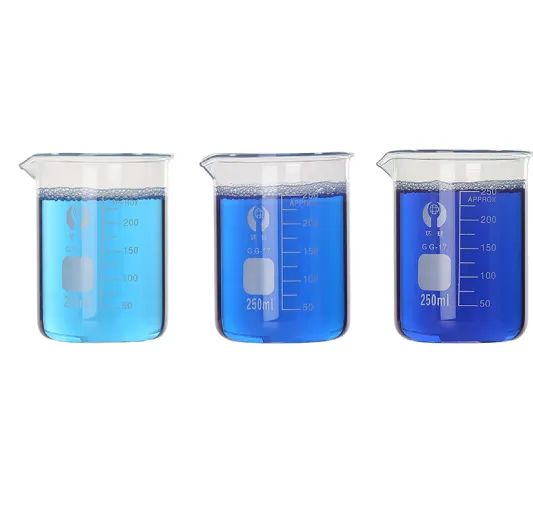
Spirulina extract is prepared by a gentle physical method and the filtered aqueous extraction of the dried biomass of spirulina (Arthrospira platensis), and contains phycocyanins as the principal coloring components. It can be used in a wide range of foods and beverages and nutritional supplements.
Spirulina Liquid Extract
On the basis of retaining the naturalness of Spirulina extract, Spirulina liquid extract is more suitable for the industrial production of food, without the disadvantages of dust and difficult storage. It is very suitable for the industrial production of confectionery and ice cream.
Butterfly Pea Flower Extract
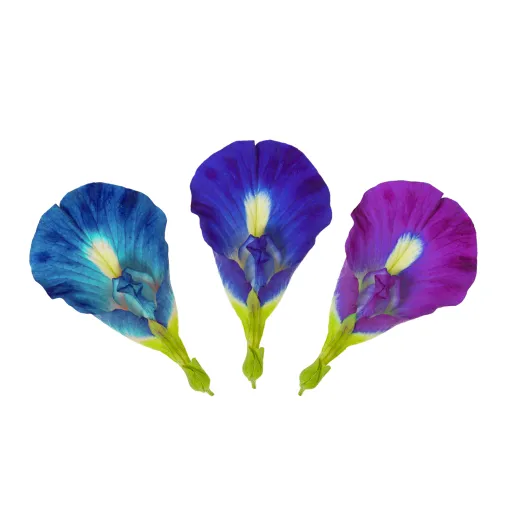
Butterfly pea flower extract is a newcomer to the natural blue family. With FDA regulatory approval in 2021, butterfly pea flower extract, which is light, heat, and pH stable, may bring new color possibilities to food and beverages.