Applications — Confectionery
Industry Background
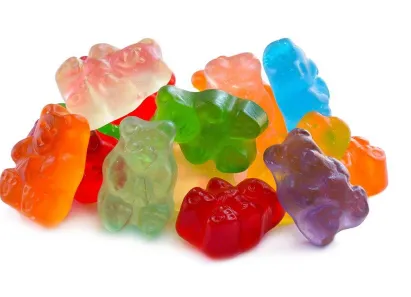
Colorful candy is popular with children and adults everywhere, and it's hard to imagine what fun it would be for kids without color. When consumers select candy, color is the number one choice. We can provide you with natural food coloring in a wide range of colors to help you develop bright, vibrant candies that will appeal to consumers around the world.
Advantages
- Our natural colors are cost-effective while meeting your color needs.
- We can provide ultra-micronized powders that are more helpful in dissolving and mixing.
- In addition to powder, we also offer liquid, which is more convenient to use and store.
- In addition to color, our natural colors also provide health and wellness.
Manufacturing Processes
- Additive reference: typically, a starting color dose between 0.05% w/w and 0.5% w/w is added to the finished product.
- Avoid excessive processing procedures.
- Be aware of color variations due to color mixing with other ingredients.
- Color can be maintained by adding antioxidants.
- Avoid excessive exposure to moisture in the air and control the humidity and temperature in the environment to maintain product quality.
Stabilities
- In confectionery, natural colors usually have excellent stability.
Why Confectionery Needs a Different Color Strategy
Confectionery requires a fundamentally different color strategy because the visual demands are extreme. To achieve a bright, neon, candy-like appearance using botanical extracts, the standard starting dose is typically higher than other foods—between 0.05% w/w and 0.5% w/w in the finished product.
At these higher dosages, natural food coloring in confectionery must do more than just make the product look attractive. It must survive intense manufacturing processes. Choosing natural colors for confectionery should be based on how well the pigment can withstand specific product environments, such as high heat or moisture, while actively supporting the intended concept and shelf appeal.
Natural colors can help confectionery brands move toward a clean-label product image. However, because natural colors will gradually be eliminated with time and exposure to air, the selected color solution must be fortified by proper processing techniques to maintain the structure, style, and expected sensory impression of the product.
Different Confectionery Types Need Different Color Logic
Natural color selection must be strictly evaluated according to the product format. Soft candy, hard candy, chewing gum, pressed tablets, and chocolate-based confectionery expose natural pigments to completely different physical and chemical stresses.
Soft Candy (Gummies & Jellies)
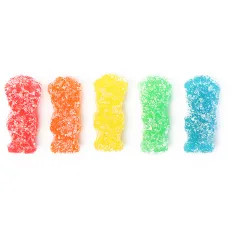
Soft candies often use color to create a vivid and fun appearance. Because gummies are frequently acidic and require boiling, natural colors must be acid-stable. Furthermore, controlling the humidity and temperature in the environment during curing is critical to maintain product quality and color vibrancy.
Hard Candy
Hard candy relies on immediate visual impact, but the extreme boiling temperatures can easily destroy heat-sensitive botanical pigments. To prevent browning or fading, formulators must avoid excessive processing procedures and try to dose liquid natural colors at the latest possible cooling stage.
Chewing Gum
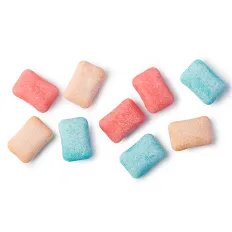
In chewing gum applications, color is often subjected to high mechanical shear. Liquid natural colors are highly convenient to use and store for this application, allowing for smooth blending into flavor syrups before being mixed into the gum base.
Pressed Tablets
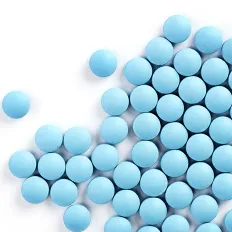
Pressed tablet confectionery requires a perfectly clear and consistent appearance. Using standard powders can result in uneven color spots. This is where our ultra-micronized powders are incredibly helpful—they provide superior dissolving and mixing properties to ensure a uniform visual finish.
Chocolate-Based Confectionery
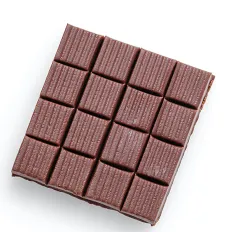
Chocolate is a fat-based system, meaning standard water-soluble colors will not mix well and may cause the chocolate to seize. Color selection here requires specialized oil-dispersible formats or ultra-micronized powders that can be smoothly suspended within the cocoa butter.
Visual Appeal and Flavor Expectation in Confectionery
In confectionery products, color does more than improve appearance; it shapes flavor expectation. Because achieving vibrant candy shades requires up to 0.5% w/w of natural color dosage, there is a risk of introducing botanical off-notes.
A good confectionery color strategy ensures that the visual impression matches the expected flavor experience without interference. By utilizing highly concentrated, cost-effective natural colors, brands can achieve playful, eye-catching visual designs while maintaining absolute flavor integrity. Natural colors should support the product identity instead of creating a mismatch between visual appearance and taste.
Common Challenges in Confectionery Color Selection
A suitable natural color solution must support visual impact while overcoming the physical challenges of candy manufacturing. Here are the core evaluation focuses for R&D teams.
| Challenge | Why It Matters | Evaluation & Solution Focus |
|---|---|---|
| Color Fading & Oxidation | Natural candy colors will gradually degrade over shelf life due to light and oxygen exposure. | Color can be actively maintained by adding antioxidants to the candy formula. |
| Uneven Mixing (Speckling) | Standard powders may not dissolve evenly in dry pressed tablets or fat-based products. | Switch to ultra-micronized powders or convenient liquid formats for perfect homogeneity. |
| Environmental Moisture | Natural color powders are sensitive to ambient moisture, causing clumping and quality loss. | Avoid excessive exposure to moisture in the air and strictly control the humidity and temperature in the environment. |
| Thermal Degradation | High heat in hard candy processing destroys botanical pigments. | Avoid excessive processing procedures and add color at the last possible stage. |
| Ingredient Interactions | Acids or other active ingredients can shift the hue of natural colors. | Be aware of color variations due to color mixing with other ingredients in the matrix. |
How to Build a Better Confectionery Color Strategy
A better confectionery color strategy integrates visual goals with strict manufacturing controls. Instead of selecting color only from a color chart, evaluate how the color will survive production and support the final product identity.
- Determine the Dosage: Plan for an additive reference between 0.05% w/w and 0.5% w/w.
- Select the Format: Choose ultra-micronized powders for dry mixing or liquid formats for syrups.
- Protect the Pigment: Add antioxidants and avoid excessive processing heat.
- Control the Environment: Manage factory temperature and humidity to protect raw material quality.
- Match Flavor Expectations: Ensure the high-impact visual style aligns perfectly with the intended taste impression.
Explore Related Natural Color Solutions
To better understand how to implement these manufacturing strategies for confectionery products, explore our highly stable organic food coloring solutions. You can also learn more about how to choose natural food coloring without affecting flavor, and review our foundational guide to natural food coloring ingredients.
FAQ
Why does confectionery need a different natural color strategy?
Confectionery requires a specific strategy because it demands higher starting color doses (0.05% w/w - 0.5% w/w) to achieve vibrant candy shades, and the natural pigments must withstand extreme manufacturing processes like high-heat boiling or acidic environments.
Do all confectionery products use natural colors in the same way?
No. Pressed tablets benefit from ultra-micronized powders to ensure even mixing, while hard candies and chewing gums often rely on liquid formats that are more convenient to dose and store during processing.
How can I protect my natural candy colors during manufacturing?
You can maintain product quality by avoiding excessive processing procedures, controlling the humidity and temperature in your environment, and adding antioxidants to the formula to prevent color fading.
Why is flavor expectation important in confectionery color selection?
Color influences how consumers expect the product to taste. Because natural colors are added at higher dosages in candy, ensuring the botanical pigment does not interfere with the intended flavor impression is critical for product success.
Where can I learn more about natural color solutions for confectionery products?
You can explore our organic food coloring solutions page and our guide to natural food coloring ingredients for broader reference.
Related Applications
Soft candy

Hard candy
Chewing gum
Pressed tablets