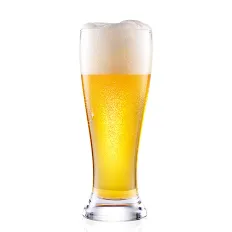
Applications — Beverage
Industry Background
The beverage industry has always been an innovative and dynamic one, with brands and consumers alike looking for the next innovation. Since the popularity of social media, the color of your beverage has become increasingly important to your product. This is because a great looking color not only helps your product stand out on the shelf, but also emphasizes the naturalness of your product.
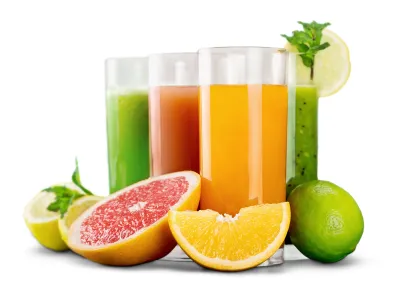
Advantages
- Our natural colors are cost-effective while meeting your color needs. We can offer ultra-micronized powders, which are more helpful for dissolution and mixing.
- In addition to powder, we also offer liquid, which is more convenient to use and store.
- Our natural colors are also available on health and clean labels.
Manufacturing Processes
- Adding amount reference: usually, add between 0.02%w/w-0.25%w/w of the starting color dose adding the amount in the finished product.
- Production processing: pay attention to the order of addition, please try to add color at the last stage of production.
- The processing temperature should not be too high and the processing time should not be too long.
- Quick cooling helps to maintain the color.
- Please pay attention to the color mixing with other ingredients that cause the color change.
Stabilities
- Please note the effect of different ph values on the color.
- Please try to shorten the pasteurization process.
- Natural color will be gradually eliminated with time, you can extend the shelf life by changing the outer packaging.
Why Beverage Is One of the Most Color-Sensitive Applications
The beverage industry is incredibly dynamic, driven heavily by social media aesthetics where visual identity is paramount. Consumers evaluate the color of a drink long before they experience its flavor. For this reason, utilizing natural food coloring in beverages is not just about making the drink look attractive—it is about immediately signaling the product's naturalness, quality, and clean-label integrity on the shelf.
Compared with other food applications, beverages leave zero room for error. A suitable color must withstand liquid suspension, match the expected flavor profile, and survive rigorous thermal processing. Whether formulating a vibrant energy drink or a premium plant-based water, formulators need cost-effective natural colors that align seamlessly with health-conscious positioning without compromising visual brilliance.
Different Beverage Types Need Different Color Strategies
Different beverage matrices interact with botanical pigments in unique ways. Evaluating your color strategy by beverage type ensures you select the optimal format—whether that is an ultra-micronized powder for dry mixes or a convenient liquid format for ready-to-drink (RTD) processing.
Powdered Beverages
Powdered hydration mixes and protein shakes require rapid dispersion and a stable appearance upon reconstitution. For this category, ultra-micronized color powders are highly recommended, as they offer superior dissolution and seamless mixing without clumping, ensuring the consumer sees an even, instant color activation when mixed with water.
Energy Drinks & Sports Beverages
Energy drinks demand bold, highly recognizable visual identities. These systems are often highly acidic and packed with vitamins and minerals that can interact with natural pigments. Selecting an acid-stable natural color ensures the aggressive visual identity remains intact without breaking down over the product's shelf life.
Functional & Wellness Beverages
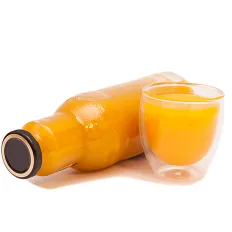
Functional drinks are built on health and clean-label positioning. In these products, natural colors serve as visual proof of the botanical ingredients inside. Liquid color formats are often preferred here, as they are convenient to pump and blend into delicate cold-pressed or functional liquid matrices.
Carbonated Soft Drinks (CSDs)
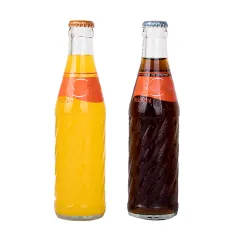
Carbonated soft drinks place immense importance on shelf appeal, especially in transparent PET packaging. In this category, the color strategy must account for prolonged UV light exposure on retail shelves. As natural colors will gradually fade over time, brands can extend shelf life by utilizing UV-blocking outer packaging alongside highly stable pigment selections.
Alcoholic Beverages
Alcoholic applications require colors that remain stable in the presence of ethanol. Whether creating a differentiated craft cocktail or a hard seltzer, the color must remain fully soluble and resist precipitation, ensuring the visual novelty matches the premium drinking experience.
Common Challenges & Manufacturing Solutions in Beverage Color Selection
Achieving the perfect beverage shade requires marrying visual goals with strict manufacturing controls. Based on our formulation expertise, here are the critical R&D focus areas and practical processing solutions for managing natural colors in liquids.
| Challenge | Matrix Impact | R&D & Manufacturing Solution |
|---|---|---|
| pH Condition | Different natural pigments shift hue or precipitate depending on the acidity or neutrality of the beverage. | Always test the color in the final pH of the formula. Be mindful of color mixing with other acidic ingredients that cause unexpected color shifts. |
| Heat Exposure | High processing temperatures (like pasteurization) can degrade natural proteins and pigments, causing browning or fading. | Keep processing temperatures manageable and try to shorten the pasteurization process. Implementing quick cooling immediately after heat treatment helps maintain vibrant color. |
| Order of Addition | Adding natural colors too early in the blending process exposes them to unnecessary thermal and mechanical stress. | Pay strict attention to the order of addition: please try to add the color at the very last stage of production. |
| Dosage & Cost Control | Over-dosing increases formulation costs and risks introducing botanical off-notes into the beverage. | Utilize highly concentrated formats. The standard recommended starting dose is between 0.02% w/w - 0.25% w/w in the finished product. |
How Flavor Perception Affects Beverage Color Decisions
In beverage applications, color physically sets the psychological expectation for flavor. If a natural color formulation requires an excessively high dosage to achieve the target shade, it risks introducing earthy or vegetal off-notes from the raw botanical source.
This is why our highly concentrated solutions are advantageous. By maintaining a highly effective dosage range (as low as 0.02% w/w), brands can achieve striking visual identity without experiencing flavor carryover. A suitable natural color should make the drink look appealing and appetizing while allowing the core flavor profile to shine through completely unaffected.
When evaluating a new beverage project, considering both visual intensity and extraction purity together reduces mismatch and improves concept consistency. For a broader selection view, explore our organic food coloring solutions and learn more about how to choose natural food coloring without affecting flavor.
How to Build a Better Beverage Color Strategy
A robust beverage color strategy aligns processing realities with marketing goals. Instead of choosing color solely by visual preference, R&D teams should evaluate the formulation environment holistically:
- Determine the Format: Choose ultra-micronized powders for dry mixes or liquids for RTD convenience.
- Establish the Dosage: Target the 0.02% - 0.25% w/w range to optimize cost and protect flavor.
- Optimize Processing: Add color at the final stage, shorten pasteurization, and employ quick cooling.
- Protect the Shelf Life: Understand how your pH and outer packaging (UV protection) will impact color longevity.
- Align with Clean Labels: Ensure the selected botanical supports health, clean-label, or organic positioning.
This technical evaluation creates beverage products that are visually striking, commercially viable, and perfectly aligned with current clean-label consumer trends.
FAQ
Why are beverages considered color-sensitive products?
Beverages are highly visual, and consumers immediately connect drink color with flavor expectation. Furthermore, clear liquid matrices offer zero "hiding space" for botanical off-notes or pigment precipitation, requiring meticulous color selection.
What is the recommended dosage for natural colors in beverages?
While it depends on the specific pigment and desired intensity, a standard cost-effective starting dose is usually between 0.02% w/w and 0.25% w/w in the finished product.
How can I protect natural beverage colors during manufacturing?
Add the color at the last possible stage of production to minimize stress. Shorten pasteurization times, avoid excessively high processing temperatures, and implement quick cooling immediately after heating.
Should I use powder or liquid natural colors for my drink?
Ultra-micronized powders are excellent for dry powdered beverage mixes due to their rapid dissolution. Liquid colors are generally more convenient to use, pump, and store for ready-to-drink (RTD) liquid manufacturing.
Where can I learn more about natural food coloring solutions for beverages?
You can explore our organic food coloring solutions page and our comprehensive guide on natural food coloring ingredients for broader reference.
Related Applications
Powdered beverages
Energy drinks
Functional beverages
Carbonated soft drinks