Best Hibiscus Supplement Food Coloring
Best Hibiscus Extract for Food Coloring
Choosing the best hibiscus extract for food coloring is not simply a matter of selecting any hibiscus ingredient. In commercial food applications, the right hibiscus solution depends on the target shade, product type, formulation system and the practical requirements of production. For brands and manufacturers seeking a plant-based red to pink-red ingredient, hibiscus can be a valuable option when the correct format and application direction are chosen.
This guide focuses on how to evaluate hibiscus as a food coloring ingredient, rather than as a general supplement or wellness product. The real question is not whether hibiscus has a strong botanical image, but whether it is the right red solution for beverages, confectionery, dairy products or other commercial applications.
What Makes Hibiscus a Useful Food Coloring Ingredient?
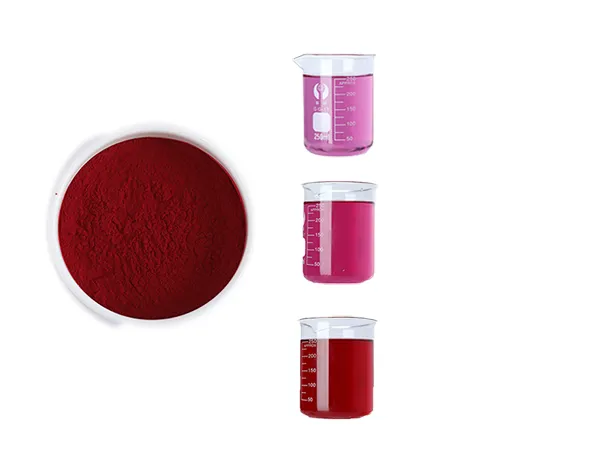
Hibiscus is often considered in natural red food coloring projects because it can deliver a visually attractive range of red, pink-red and red-purple shades. This color performance comes mainly from anthocyanin-related pigment compounds, which are widely recognized in botanical color systems.
As a hibiscus food coloring direction, hibiscus is valued for its plant-based positioning, its compatibility with clean-label product concepts and its ability to create a softer, more natural-looking red tone than many synthetic dyes.
How to Choose the Best Hibiscus Extract for Food Coloring
The best hibiscus extract is not always the strongest or the darkest. In food coloring use, the most suitable choice depends on the product format, the target visual effect and the formulation environment.
1. Choose by Target Shade
Some projects need a bright pink-red, while others need a deeper red-purple direction. Hibiscus may be a strong option when a botanical red tone is preferred over a highly artificial red.
2. Choose by Application
The best hibiscus extract for beverages may not be the best choice for confectionery or dairy. Different food systems require different performance characteristics, so application fit should always come before broad product claims.
3. Choose by Format
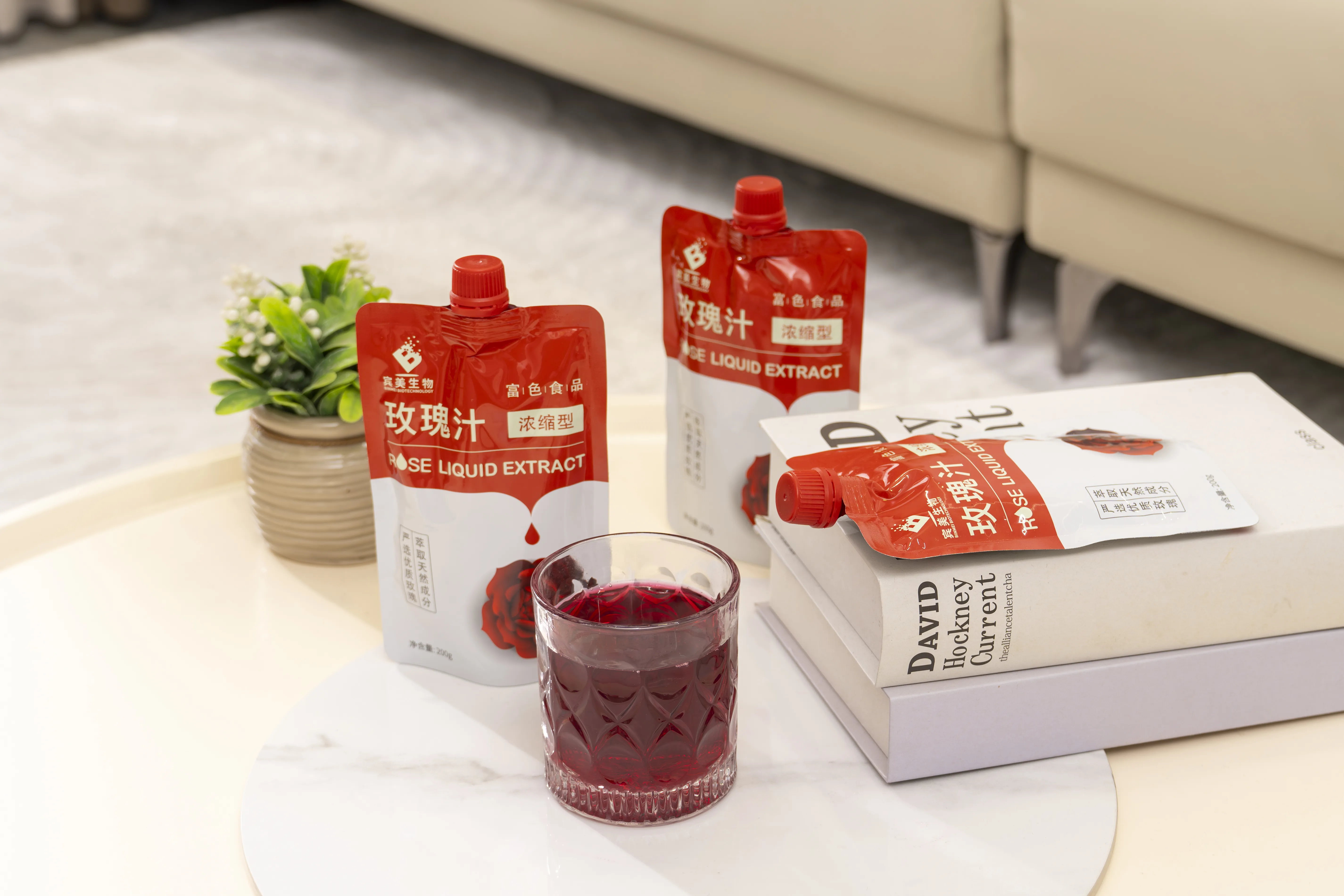
Powder and liquid hibiscus solutions do not serve the same needs. For some buyers, hibiscus extract powder is more useful for dry systems and concentrated handling. For others, hibiscus liquid extract may be more practical in beverage production or formulations that benefit from faster dispersion.
4. Choose by Formulation Conditions
pH, flavor profile and final product matrix all affect how hibiscus performs. A good supplier should help buyers evaluate whether hibiscus is suitable for the intended system before scale-up.
5. Choose by Commercial Fit
The best solution is not only technically attractive, but also practical for sourcing, documentation and sample evaluation. This matters especially in projects moving toward commercial launch.
Hibiscus Extract Powder vs Hibiscus Liquid Extract
One of the most important decisions in choosing the best hibiscus extract for food coloring is selecting the right format.
When Hibiscus Extract Powder Is More Suitable
- For dry mixes and powdered food systems
- For applications where concentrated storage is preferred
- For product teams that want more flexibility in dosage adjustment
- For selected confectionery and dry blend projects
When Hibiscus Liquid Extract Is More Suitable
- For beverage systems that require easier dispersion
- For liquid formulations where direct blending is more practical
- For applications where a faster integration route is preferred
In many cases, there is no universal “better” format. The best choice depends on the production process and product category.
Best Applications for Hibiscus Food Coloring
Beverage Applications
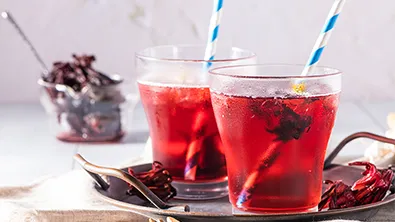
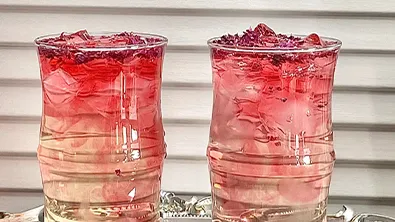
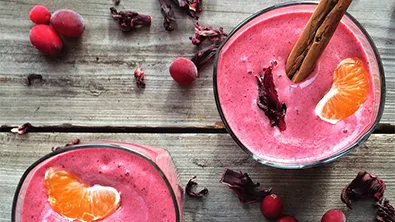
Beverage systems are often among the most practical directions for hibiscus. In drinks, hibiscus can support a bright botanical red or pink-red appearance while fitting naturally with fruit-forward and floral concepts. For more related direction, you can also review Beverage Applications.
Confectionery Applications
Hibiscus can also be suitable in gummies, fillings and selected confectionery products where a natural red direction is needed. In this context, hibiscus extract powder may be useful when dry-system flexibility is important, while liquid direction may be considered for other production setups. For related application thinking, you can also explore Confectionery Applications.
Dairy and Dessert Applications
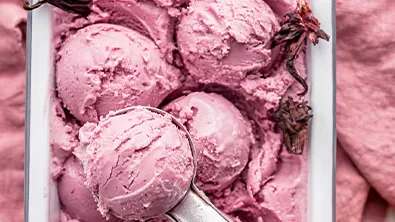
In yogurt, dairy desserts and selected chilled products, hibiscus can support a soft botanical red tone where the formulation allows it. This can be especially useful in premium or visually expressive dessert concepts.
Not Every Red Application Needs Hibiscus
Hibiscus is a valuable red direction, but it is not automatically the best choice in every system. In some projects, deeper anthocyanin-rich or more stable red sources may be worth comparing. For this reason, hibiscus is often best evaluated as part of a broader natural red strategy rather than as a universal red replacement.
How Hibiscus Compares with Other Natural Red Options
When evaluating the best hibiscus extract, it helps to compare hibiscus with other natural red directions. Hibiscus is usually chosen for its botanical image and expressive red tone, but other sources may perform better in specific product conditions.
- Compared with aronia: hibiscus often gives a brighter botanical red direction, while aronia may provide a deeper red-purple profile.
- Compared with beetroot: hibiscus can be more attractive in some beverage and premium botanical concepts, while beetroot may be used differently depending on the system.
- Compared with carmine: hibiscus supports vegan and plant-based positioning, which can be commercially important for clean-label brands.
For broader red comparison, you can also review Alternatives for Red Food Coloring and Hibiscus Color.
Commercial Supply and Product Evaluation
In commercial projects, selecting the best hibiscus extract also involves supply and support considerations. Beyond shade and application fit, buyers often need to confirm whether the supplier can support bulk sourcing, sample review and technical communication.
| Commercial Item | Support Direction |
|---|---|
| Bulk Supply | Available for food coloring and related commercial projects |
| MOQ | Can be discussed according to project scale and format needs |
| Sample Support | Samples may be provided for formulation evaluation |
| Technical Communication | Application-oriented discussion available upon request |
| Format Options | Powder and liquid-related directions depending on project needs |
Related Red Solution Paths
For buyers exploring the best hibiscus direction for food coloring, the following related pages may be useful for further comparison:
- Hibiscus Color
- Aronia Berry Extract Powder
- Alternatives for Red Food Coloring
- Beverage Applications
- Confectionery Applications
Commercial FAQ
What is the best hibiscus extract for food coloring?
The best hibiscus extract depends on the target application, the required shade and whether powder or liquid is more suitable for the product system.
Is hibiscus extract powder better than hibiscus liquid extract?
Not always. Powder can be more practical for dry systems and flexible handling, while liquid may be more convenient for beverages and other liquid formulations.
Can hibiscus be used in beverages?
Yes. Beverage systems are often one of the most practical directions for hibiscus food coloring, especially in botanical and fruit-forward drink concepts.
Can hibiscus work in confectionery?
Yes. Hibiscus can be evaluated for gummies, fillings and selected confectionery products where a natural red or pink-red tone is required.
Can BINMEI support bulk hibiscus food coloring projects?
Yes. BINMEI can support commercial projects evaluating hibiscus as a food coloring direction and help buyers compare it with other natural red options.