Sea Buckthorn Extract: Functional & Reliable Natural Yellow Pigment Alternative Solution
As consumers increasingly prioritize health, transparency, and sustainability, demand for clean-label and functional ingredients continues to rise.
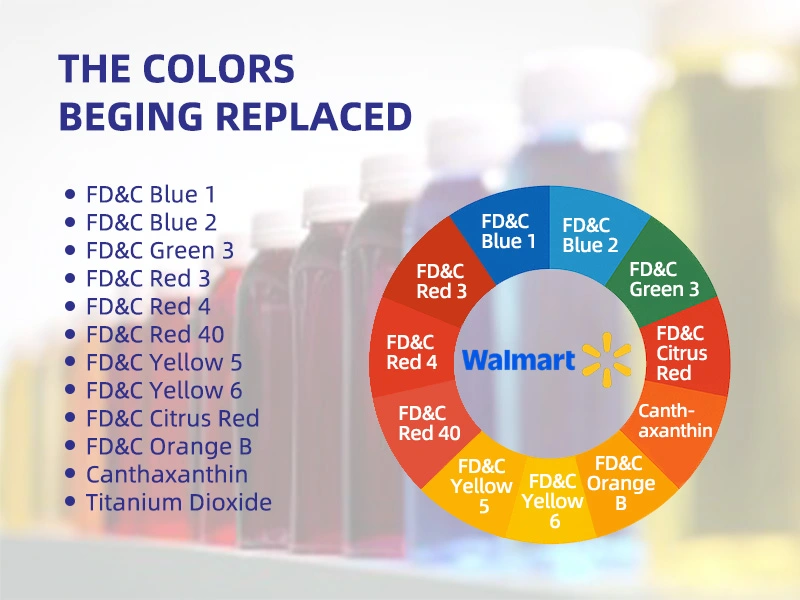
The recent FDA restrictions on synthetic yellow, including FD&C Yellow No. 5 and Yellow No. 6, have further accelerated interest in natural pigment solutions. Against this backdrop, sea buckthorn extract has emerged as a compelling natural alternative to yellow pigments, widely applied in food, dietary supplements, skincare, and other related fields.
So, what exactly is sea buckthorn, and why has its extraction become a favorite natural yellow pigment among brands?
Sea Buckthorn Overview & Global Supply
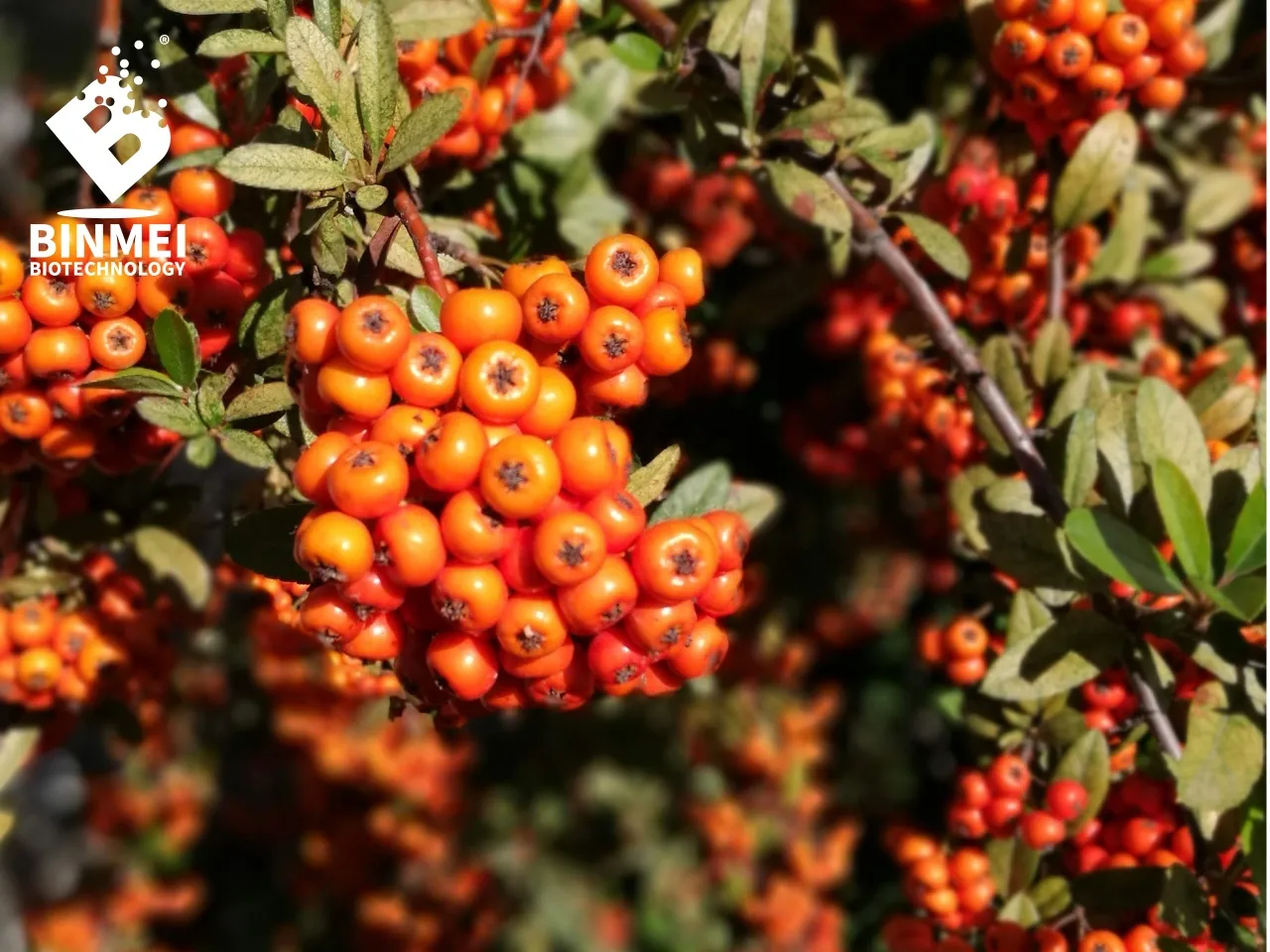
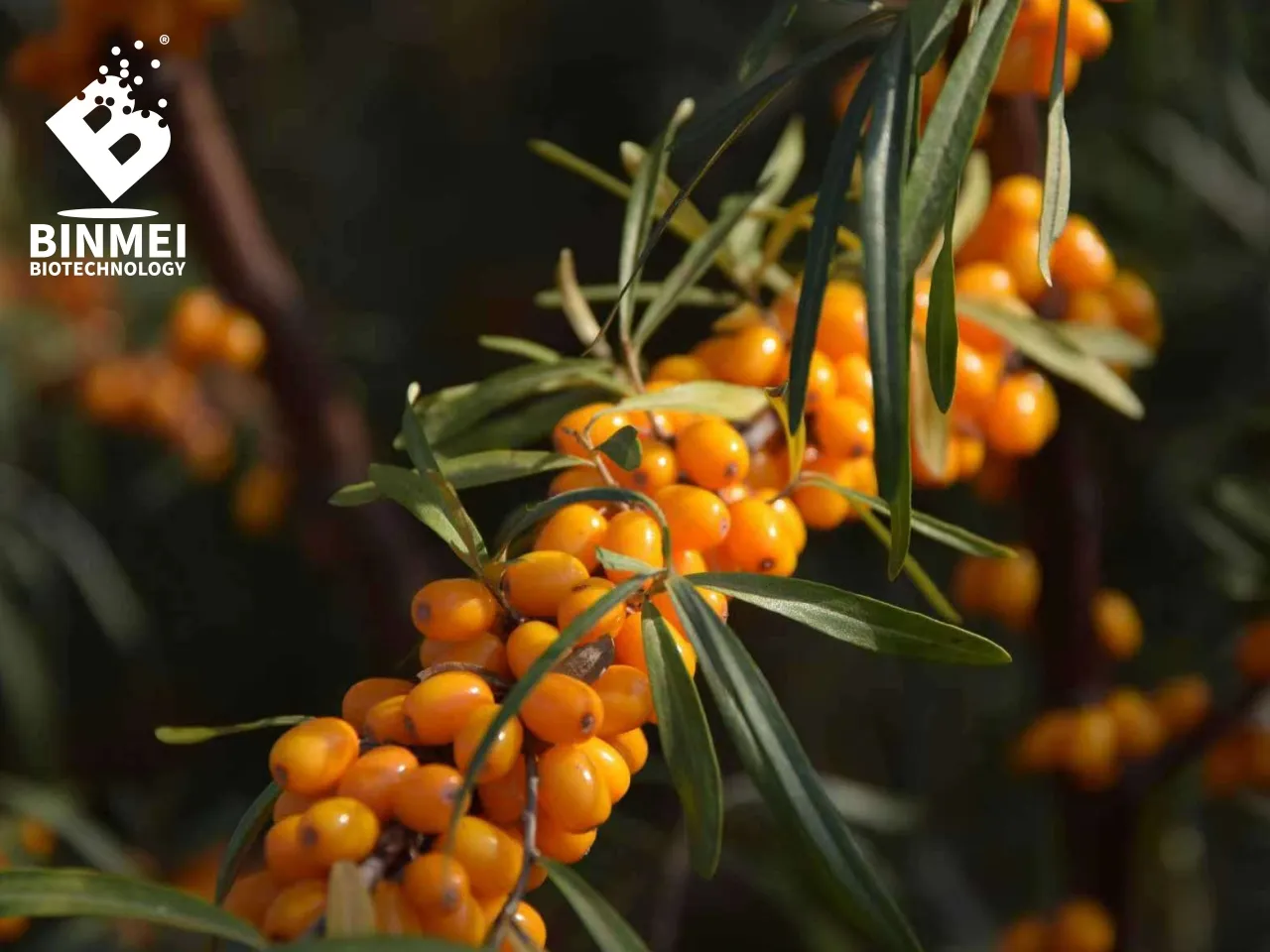
Sea buckthorn (Hippophae rhamnoides) is an ancient and rare plant resource, native to the temperate zones of Eurasia, often regarded as a “natural vitamin powerhouse.” Its remarkable ecological adaptability, tolerance to cold, drought, and saline-alkaline soils, has enabled widespread cultivation across diverse regions.
Internationally, sea buckthorn is commonly known as sea buckthorn or sea berry. Owing to its distinctive raw material characteristics, sea berry has been endowed with various symbolic names across different cultures, including:
- Japan: “Longevity Fruit”
- Russia: “Second Ginseng”
- United States: “Life Energy Fruit”
- India: “Wonder Berry”
Globally, sea buckthorn naturally spans approximately 46 countries. Among them, China holds the world’s most abundant sea berry resources, ranking first in wild reserves and cultivated area. This resource advantage ensures a stable and traceable supply for the development of sea buckthorn natural yellow colorant and functional ingredients.
Sea Buckthorn Nutritional Profile & Functional Benefits
As a plant ingredient that combines nutrition, functionality, and adaptability, the fruit, seeds, and leaves of sea buckthorn are all rich in diverse bioactive compounds.
A notable feature of sea berry fruit is its exceptionally high vitamin C content, ranging from approximately 360 mg/100 g in European subspecies, 114–1,550 mg/100 g (average 695 mg/100 g) in U.S. berries, up to 2,500 mg/100 g in Chinese subspecies[1]. The leaves are rich in flavonoids, including quercetin, isorhamnetin, kaempferol, and rutin, while the seeds provide oils high in ω-6 and ω-3 fatty acids. In addition, sea buckthorn contains vitamin E (tocopherols), carotenoids, polyphenols, phytosterols, amino acids, polysaccharides, and essential minerals.
Functional Benefits
Based on its highly synergistic natural nutritional profile, scientific studies on sea buckthorn (sea berry) have highlighted its potential functional benefits, including:
1. Cardiovascular Support
A controlled trial indicated that ω-6 and ω-3 fatty acids from sea berry seed oil improved lipid profiles and blood pressure in individuals with hypertension and hypercholesterolemia[2]. Moreover, flavonoids in sea berry can help reduce total cholesterol, triglycerides, and LDL-C in the blood, while simultaneously increasing HDL-C. This contributes to the regulation of lipid and cholesterol metabolism and promotes overall blood lipid health[3].
2. Antioxidant and Anti-inflammatory Activity
Sea berry is an important natural source of vitamin C, which exhibits strong antioxidant and anti-inflammatory properties. As a cofactor for hydroxylase enzymes, vitamin C effectively scavenges reactive oxygen species (ROS) and regenerates other antioxidants such as vitamin E, thereby reducing oxidative stress. This antioxidant activity plays a key role in attenuating inflammatory responses and supporting tissue protection and repair[4].
Besides, its flavonoids have been shown to exert notable effects against viral infections and inflammation by modulating immune and inflammatory signaling pathways and improving lipid and glucose metabolism[5].
3. Emerging Anticancer Potential
According to the study PMC12075410, sea buckthorn is rich in flavonoids (such as isorhamnetin, quercetin, kaempferol, and catechin) and carotenoids (including zeaxanthin and lutein). These bioactive compounds have demonstrated anticancer potential in animal tumor models[6].
These attributes further strengthen sea buckthorn’s position as a natural yellow pigment alternative that delivers both color and function.
Sea Buckthorn Applications & Global Regulatory Status
With growing demand for natural, health-oriented products, sea buckthorn has gained wide recognition across food, dietary supplements, and skincare applications, supported by increasing regulatory acceptance in major global markets.
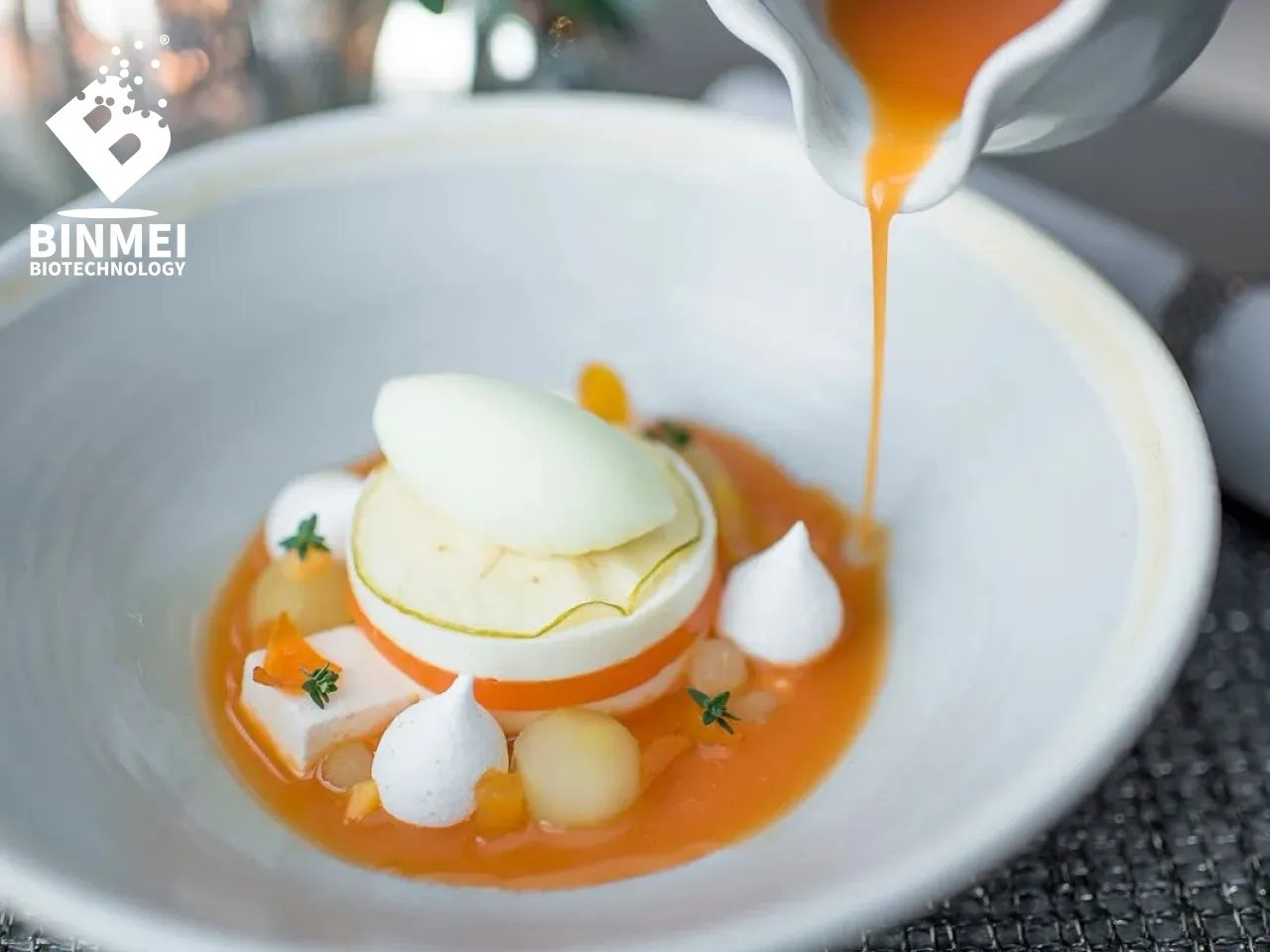
For example, in the food and beverage sector, Germany’s BEHN has launched ANDALO Sea Buckthorn Liqueur, while Canada’s Northern Vigor Berries Inc. offers sea buckthorn vinegar, popsicles, jams, and syrups. In dietary supplements, Taiwan BHK and Germany BIOPRAP market sea buckthorn oil softgel capsules. In skincare, PURITO and APIEU sea buckthorn cream in South Korea utilize its vitamin- and lipid-rich profile to deliver antioxidant, moisturizing, and skin-repairing benefits.
However, regulations about Sea Buckthorn differ across countries, reflecting variations in definitions of edible parts (fruit, seeds, leaves), extraction methods, and novel food classification.
Regulatory Acceptance in Key Markets (EU, US, China, India, Japan)
1. European Union: According to the EU Novel Food Catalogue, sea buckthorn berries, leaves, and flowers are considered traditional foods and are not classified as novel foods. Sea buckthorn seeds and seed oil are also not novel when used in food supplements, supporting their established use in the European market.>>>Regulatory Source
2. United States: Sea berry may be used as a color additive under 21 CFR §73.250 entry. It is acknowledged as a dietary supplement ingredient under the Dietary Supplement Health and Education Act (DSHEA), with NDI records (NDI 210, 211, 212) documenting its use in the market.>>> Regulatory Source
3. China: According to China’s National Health Commission (2013, Document No. 3), sea buckthorn leaves are managed as conventional foods. Meanwhile, according to the Ministry of Health (2002, Document No. 51), sea buckthorn is listed as a substance with dual use, serving both as food and medicine.
4. India & Japan: Sea buckthorn has long been valued in Ayurveda for its rich nutritional compounds, while in Japan, the Japan Sea Buckthorn Association promotes it as a nutritious food ingredient, reflecting modern recognition of its dietary benefits.
This broad regulatory acceptance supports the global commercialization of sea buckthorn natural yellow colorant solutions.
BINMEI Sea Buckthorn Extract: An Ideal Natural Yellow Alternative
Research shows that small-fruited sea berry tends to contain higher levels of polyphenols, flavonoids, and antioxidant activity compared to large-berry cultivars bred mainly for juice yield[7].
BINMEI leverages proprietary extraction technology to concentrate the most valuable components from small-fruited sea buckthorn. As a result, BINMEI’s sea buckthorn extract offers the following advantages:
1. Maximized Nutritional Retention: BINMEI applies low-temperature, low-oxygen, short-time physics extraction to maximize the preservation of sensitive nutrients and the natural pigment of sea berry.
2. High Solubility Performance: Sea buckthorn is naturally rich in lipids, and traditional powders or concentrates often exhibit layering, oil separation, or cloudiness in water. BINMEI’s proprietary technology produces a high-solubility sea buckthorn powder, delivering a clear and stable solution suitable for beverages and instant mixes.
3. Flavor Optimization: Sea berry has a strong natural flavor that may not be widely accepted. BINMEI has developed a low-odor sea buckthorn ingredient through a unique process that removes most of the undesirable taste while retaining characteristic flavor notes, achieving an “odorless, flavorful” profile.
>>>Explore BINMEI Sea Buckthorn Extract
Sea Buckthorn Extract: Unleashing Multifunctionality Across Product Portfolios
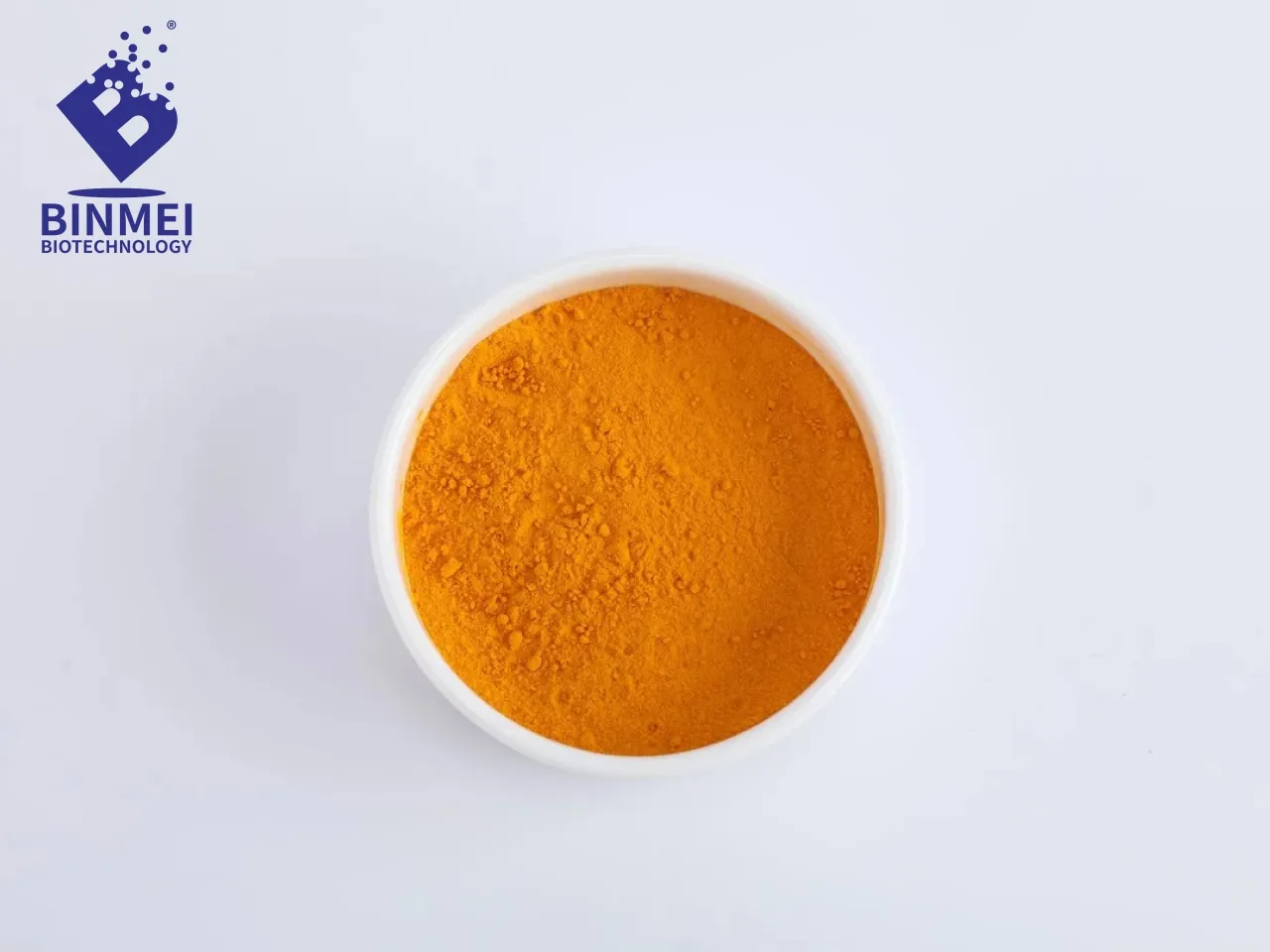
Derived from nutrient-rich sea buckthorn berries, sea buckthorn extract elegantly combines vibrant color with functional benefits. Its carotenoid-driven hue makes it a reliable natural pigment, while its vitamins and bioactives enhance nutritional positioning.
From beverages and powdered drinks to snacks and supplements, sea buckthorn extract offers brands a clean-label natural yellow pigment alternative that aligns with plant-based, health-oriented trends.
As a trusted supplier of natural pigments and functional ingredients, BINMEI leverages its professional R&D team and stringent quality control to deliver sea berry extract that consistently meets high-quality standards. Drawing on extensive expertise in yellow, blue, red, green, and blended pigments, BINMEI is committed to offering turnkey solutions for food, beverage, supplement, and skincare applications, combining vibrant natural color with clean label, functional, and reliable.
Contact us for a free sample of our sea buckthorn extract, along with professional application support.
References:
[1]Jaśniewska, A., & Diowksz, A. (2021). Wide Spectrum of Active Compounds in Sea Buckthorn (Hippophae rhamnoides) for Disease Prevention and Food Production. Antioxidants, 10(8), 1279.
[2]Vashishtha, V., Barhwal, K., Kumar, A., Hota, S. K., Chaurasia, O. P., & Kumar, B. (2017). Effect of seabuckthorn seed oil in reducing cardiovascular risk factors: A longitudinal controlled trial on hypertensive subjects. Clinical Nutrition, 36(5), 1231–1238.
[3]Li, X., Zhang, Y., Wang, J., Huo, Y., & Zhang, Z. (2025). Metabolomics and lipidomics combined with network pharmacology to reveal the hypolipidemic mechanism of Hippophae rhamnoides L. flavonoids. Journal of Future Foods. (Available online 13 August 2025)
[4]Pullar, J. M., Carr, A. C., & Vissers, M. C. M. (2017). The roles of Vitamin C in skin health. Nutrients, 9(8), 866.
[5]He, N., Wang, Q., Huang, H., Chen, J., Wu, G., Zhu, M., Shao, F., Yan, Z., Sang, Z., Cao, L., Wei, R., & Ma, Q. (2023). A comprehensive review on the extraction, structure, detection, bioactivity, and metabolism of flavonoids from sea buckthorn (Hippophae rhamnoides L.). Journal of Food Biochemistry, 2023, 4839124.
[6]Sharma, R., Singh, S., & Kumar, A. (2025). Chemopreventive and therapeutic effects of Hippophae rhamnoides L. fruit peels evaluated in preclinical models of breast carcinoma. Frontiers in Pharmacology, 16, 1561436.
[7]Zheng, Y., Sun, K., Sun, X., Li, Y., Xiao, P., & He, C. (2025). Quality differences in sea buckthorn (Hippophaë rhamnoides L.) berries of wide varieties in China based on key components and antioxidant activity. Food Chemistry, 465, 142139.