Natural Food Coloring for Gummies: When Nature Powers Visual Appeal
The First Impression of Candy: Color Comes Before Sweetness
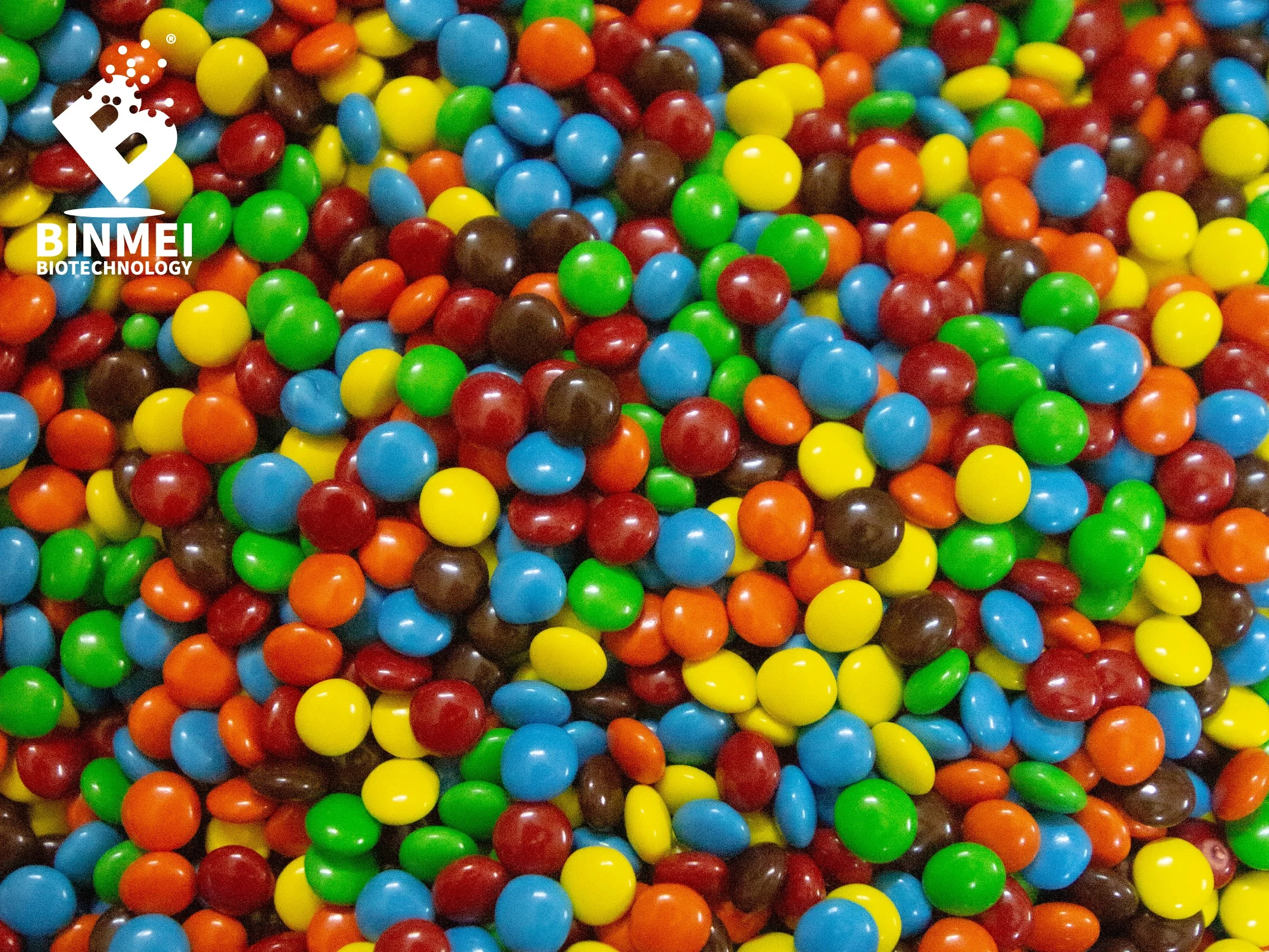
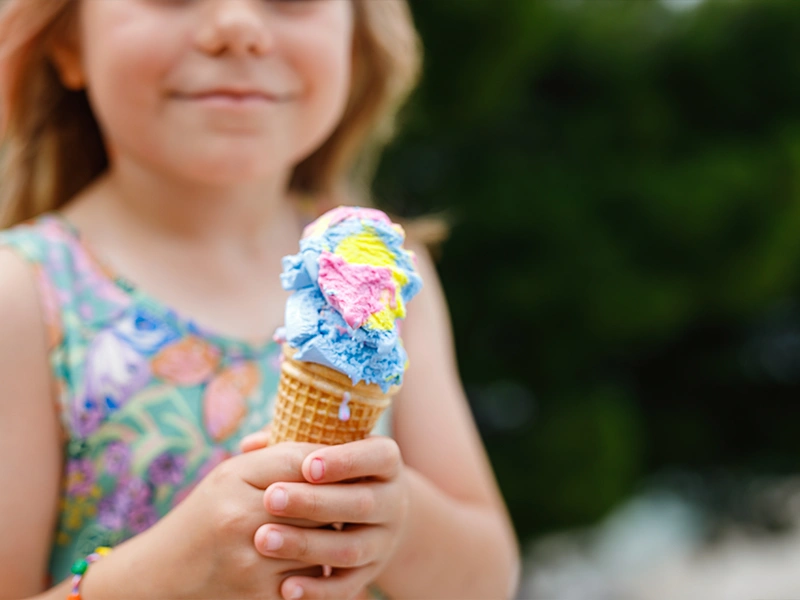
The first sensory experience of candy is visual. Before taste reaches the consumer, it is the visual sensation that does so first—colour. Bright colors not only stimulate appetite, but also convey our emotions. In the hard candy and gummy products, color often determines whether a consumer reaches for the product at all.
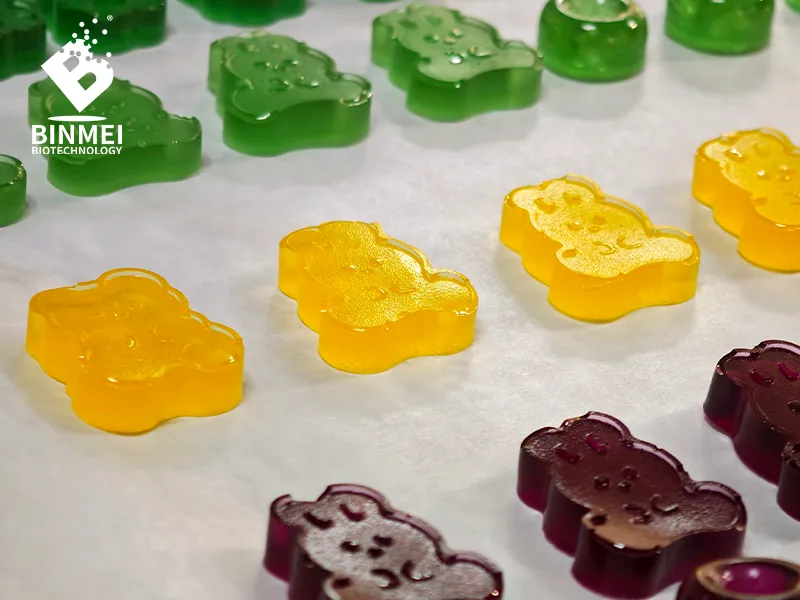
On fiercely competitive retail shelves, where competition is intense, brands rely on bold, innovative, and distinctive coloring for confections to stand out. From a vivid array of pinks to luminous blues and greens, candy colors silently express brand personality, signaling joy, playfulness, imagination, and adventure.
Research shows that color can influence purchasing decisions within as little as 0.1 seconds. Color is often the first trigger that determines whether a candy product is picked up at all. Distinct hues are often associated with unique flavors. Different colors are often associated with distinct flavors, while natural tones suggest a sense of naturalness, health, clean label and premium positioning. Natural food colorings are no longer merely decorative elements, but strategic tools for brand development.
From Bright to Natural: The Trend of Clean Label
Gradually, as ingredient transparency becomes a priority, consumers are paying increasing attention to ingredient labels, including the composition of ingredients, particularly among younger parents. This shift not only reflects a growing health consciousness among consumers, but also manifests in rising demand for synthetic dye-free candy.
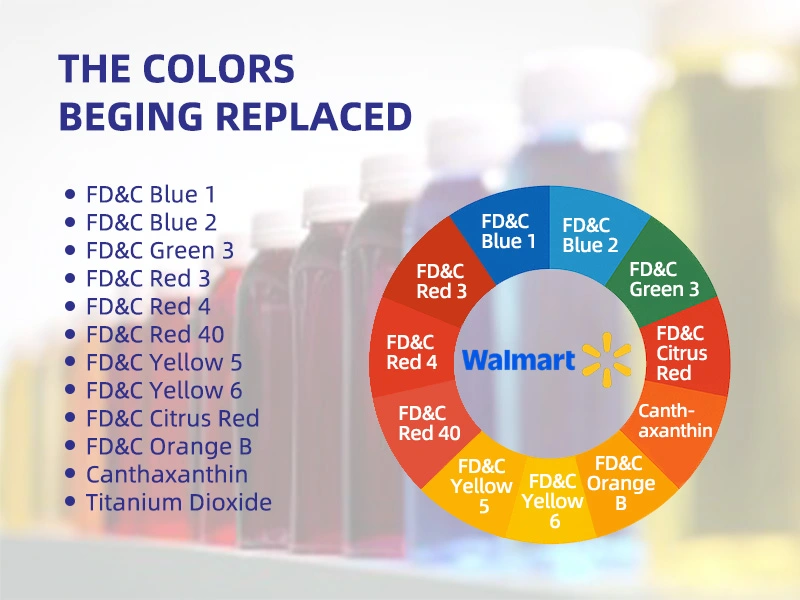
Traditional synthetic dyes such as FD&C Blue No.1 (Brilliant Blue FCF) and FD&C Red No.40 (Allura Red) are increasingly questioned by consumers and phased out by the market and even prohibited from use gradually. In response, global confectionery leaders such as Mars, Nestlé, Hershey, and Mondelez have announced long-term strategies to reduce or eliminate synthetic dyes. This shift has accelerated demand for FD&C dye replacement solutions based on natural sources.
The clean-label movement has expanded from beverages and dairy into indulgent categories like gummy, hard candy, and candy coating systems.
Among these, two typical examples illustrate that the United States and Europe have also introduced corresponding requirements.
- The US Food and Drug Administration (FDA) mandates that using a natural food colorant for candy replaces FD&C colorants for coloring confectionery.
- Europe requires the substitution of E-number colorants with naturally sourced alternatives.
Today, more and more brands adopt natural food coloring derived from fruits, vegetables, plants, and algae—such as spirulina, aronia, turmeric, safflower yellow, and sea buckthorn. These natural alternative solutions support cleaner labels while aligning with consumer expectations for transparency and nature.
Blue Candy: The Most Challenging Natural Color Frontier
Among all confectionery shades, the blue color remains quite a novel color to achieve naturally. As blue pigment is rare in nature, and blue gummies and confections symbolize creativity, innovation, and fun—making them a critical test for naturalcandy coloring.
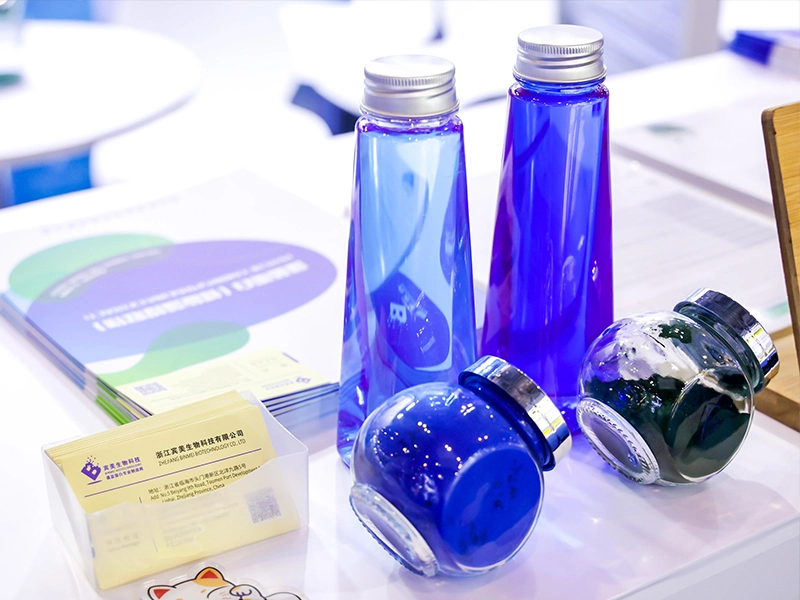
In the past, blue confections relied almost exclusively on FD&C Blue No.1 due to its stability and strong tinting capability. Nowadays, Spirulina Extract (phycocyanin), a blue protein pigment derived from spirulina, has become the leading natural blue alternative.
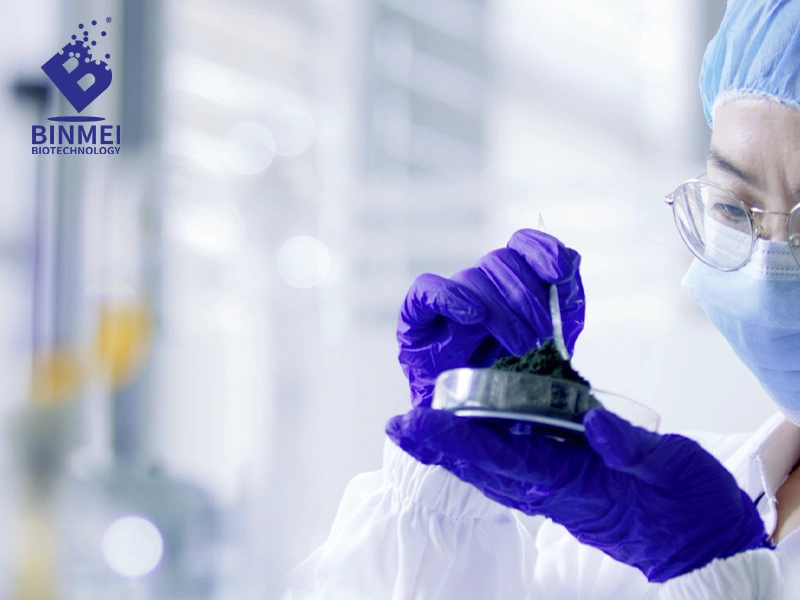
Spirulina is a blue-green microalgae, which is not only a high-protein algae and contains 18 different amino acids, including all essential amino acids, but also contains three primary pigment groups: chlorophyll, carotenoids, and phycocyanin. When these pigments coexist, they present spirulina’s distinctive blue-green appearance. Phycocyanin is water-soluble and well-suited for gummy, pressed candy, candy coating, and hard candy applications, making it one of the most important natural food colorants in contemporary confectionery.
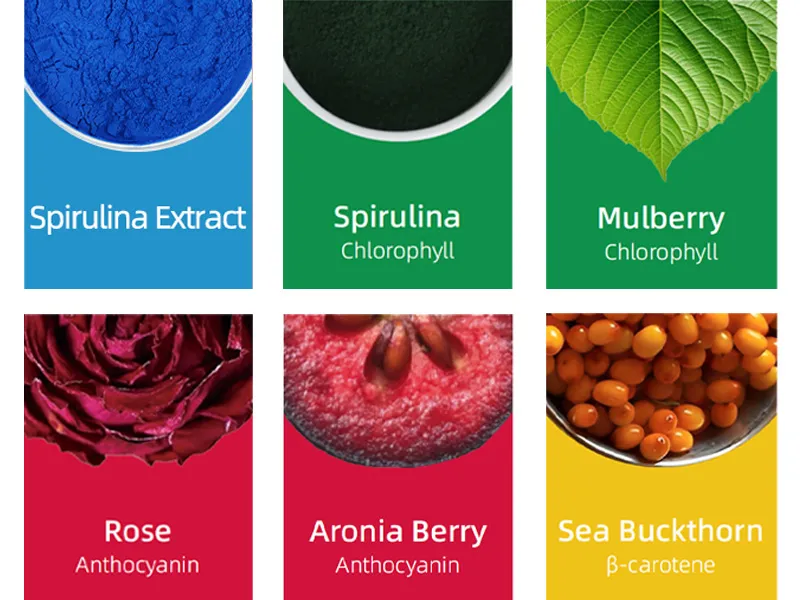
In addition to phycocyanin, BINMEI natural color solutions offer a full spectrum of fruits, vegetables and plant-based coloring systems, including:
- Hibiscus, Aronia, and Rose as FD&C dye replacement options for Red 40.
- Sea buckthorn as a natural alternative to Yellow 5 and Yellow 6.
- Spirulina superfine powder and compound colorant natural green as FD&C dye replacement option for Green 3.
Technical Challenges and Practical Solutions in Natural Candy Coloring
Applying natural food colorantfor candy requires more strict formulation and process control. Challenges include temperature, light stability, humidity, solubility, pH range, ingredient interactions, packaging, and shelf life.
To address these challenges, we shall implement the following technical measures.
The Effects of High-temperature Fading Candy processing often involves high temperatures, particularly during the syrup stage, where sugars are cooked and concentrated. High temperatures will degrade sensitive pigments such as phycocyanin and beetroot. For hard candy and lollipops that require prolonged boiling.
For gummy products, adding natural food coloring during cooling or molding significantly reduces the effects of high-temperature fading, around 62 ℃. In general, post-production improves color retention and stability.
pH Stability Anthocyanin-based natural food colorants are sensitive to pH. In acidic products, such as gummies and sour candies, they have good performance in low-pH conditions. They offer shades from orange-red to purple. However, blue and green hues are more challenging in low-pH conditions. In neutral, red shades become harder to stabilize, while blue and green are easier to maintain.
Adjusting syrup acidity or adding a buffering agent improves the stability of naturalcandy coloring.
Solubility and Uniformity To address issues such as crystallization and precipitation commonly associated with natural food colorants, it may be pre-dissolved in liquid form before incorporation and ensure uniform color distribution in candy mass and candy coating applications.
Light Stability Natural colors are also sensitive to light exposure, especially in transparent packaging. Aluminum foil packaging or antioxidant-supported formulations will help extend shelf life in synthetic dye-free candy.
Through optimized extraction, formula adjustment, and application guidance, BINMEI natural color solutions help create stable and reliable coloring for confections for our customers.
Let Candy Speak More Through Color
From visual impact to ingredient transparency, from synthetic to natural, the confectionery industry is undergoing a clear transformation. The shift toward natural food coloring reflects changing consumer values and brand responsibility.
Guided by the philosophy of “Natural, Pure, Inspired,” BINMEI provides comprehensive BINMEI natural color solutions for gummy, hard candy, and candy coating applications. Our systems support FD&C dye replacement while maintaining performance and visual appeal.
The first color consumers see should do more than attract attention—it should communicate nature, safety, and joy. BINMEI believes that natural colorants are the most direct and powerful means of communication between brands and consumers. As the natural food coloring partner for confectionery brands, we continuously innovate, delivering expressive, stable, and color solutions for the global confectionery industry.