Cuttlefish Ink: A Clean Label Natural Black Coloring Solution for Food Applications
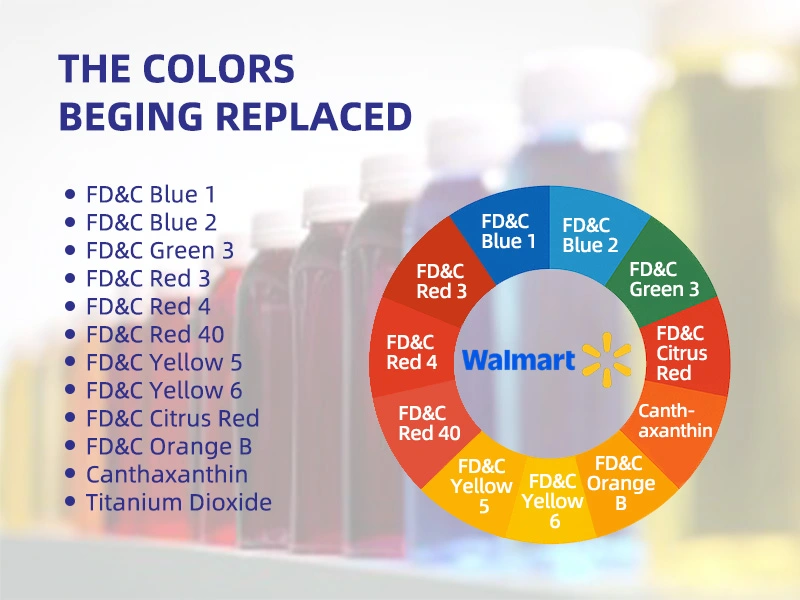
As global consumers increasingly prioritize natural, functional, and transparent ingredients, regulatory pressure on artificial colorants continues to intensify. Synthetic solutions such as carbon black, synthetic azo dyes, and formulated black blends face growing restrictions and negative consumer perception in many markets. As a result, food manufacturers worldwide are actively searching for a natural black coloring that meets both regulatory compliance and clean label expectations.
In recent years, one natural black coloring has gained increasing attention across global food markets: cuttlefish ink.
Long appreciated in Mediterranean and Japanese cuisines, this marine-derived ingredient—and its processed forms, particularly cuttlefish ink powder for food applications—has evolved from a traditional culinary material into a scalable, high-value natural black coloring solution.
From squid ink pasta and black risotto to black ice cream, black burgers, black bakery products, and premium savory applications, cuttlefish ink is now widely adopted across both gourmet and industrial food systems.
Why is cuttlefish ink powder a unique natural black coloring solution in today’s food industry?
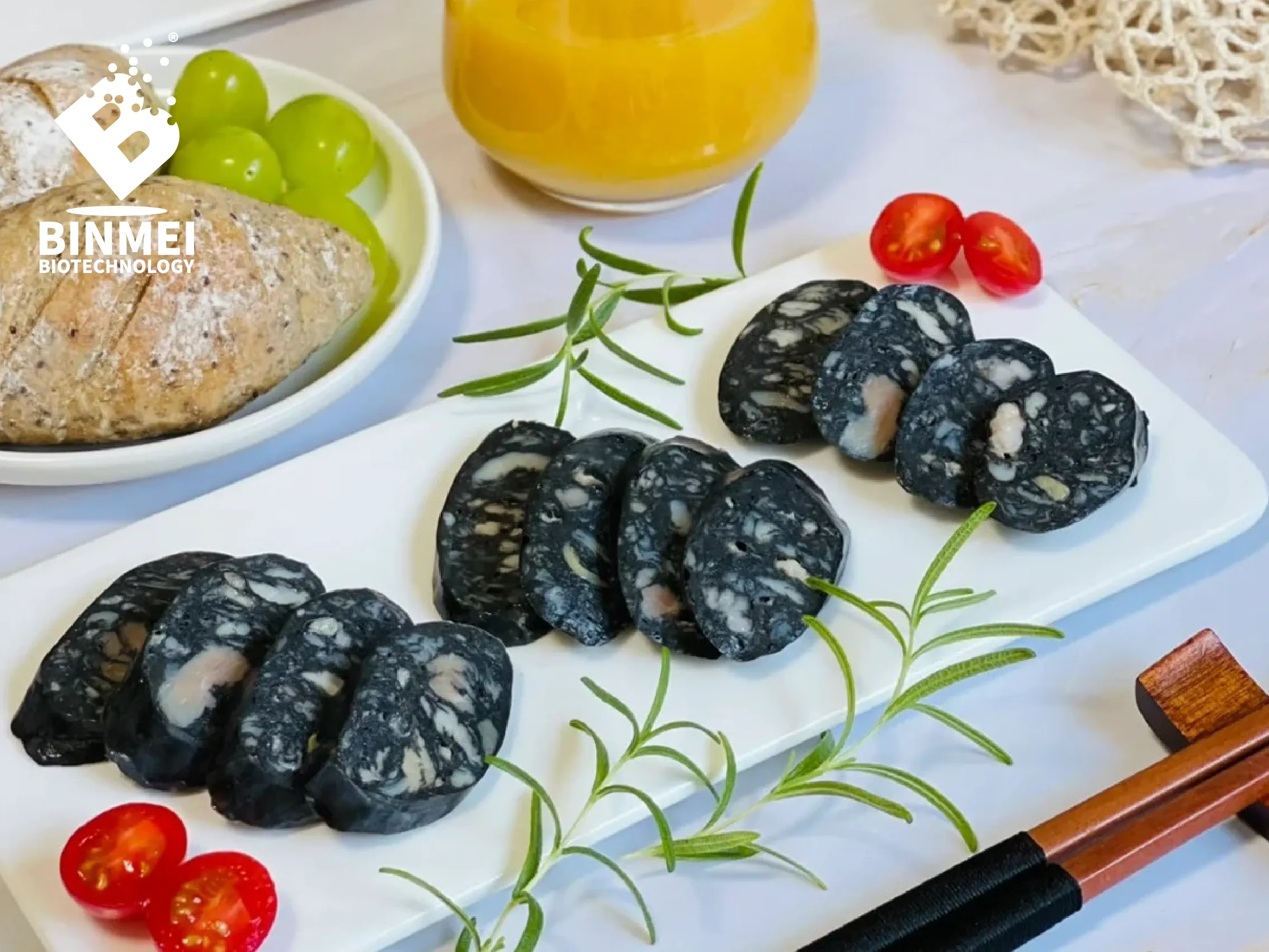
Cuttlefish Ink as a Superior Natural Black Coloring for Foods
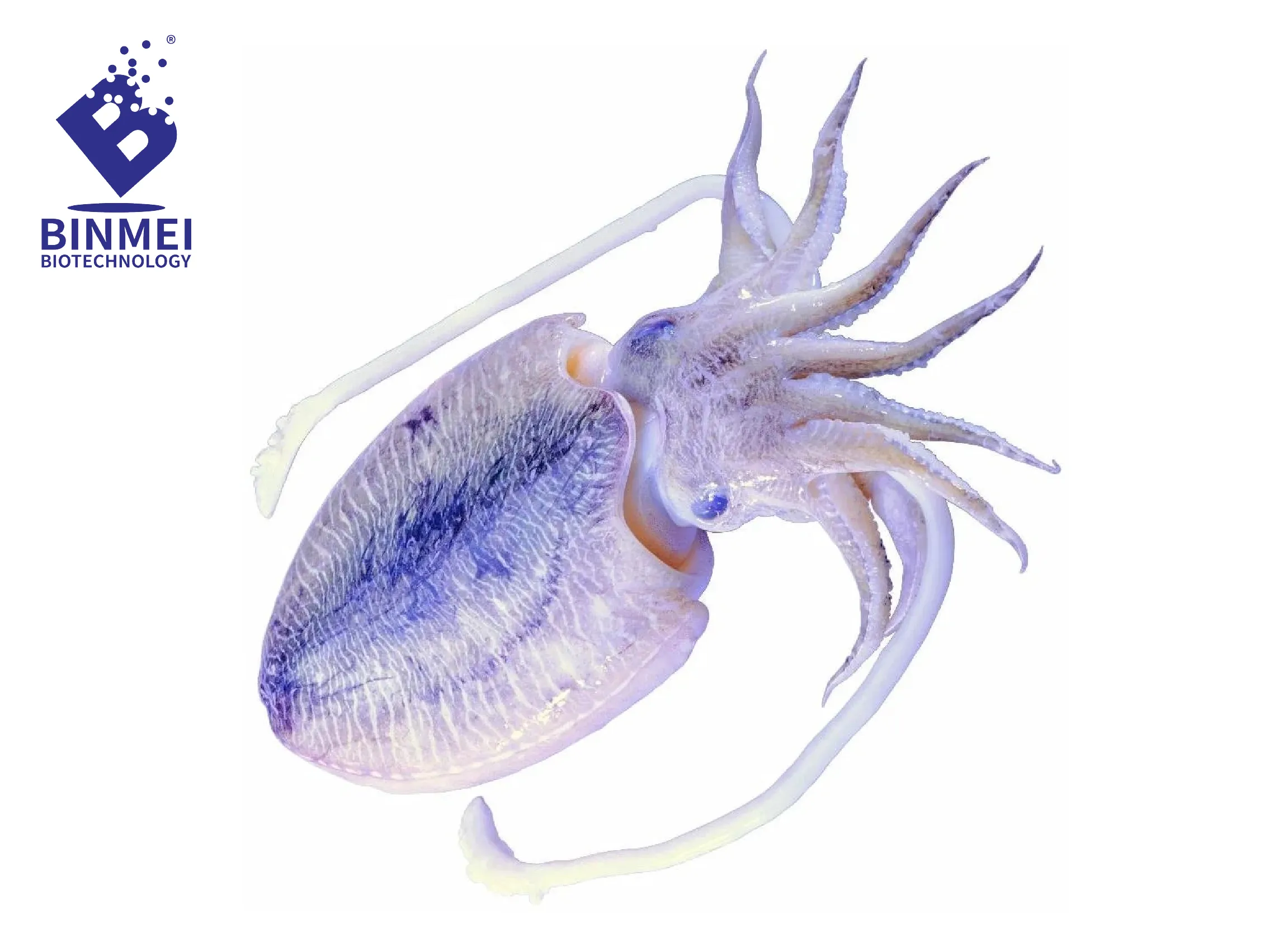
In the global food industry, the term “squid ink” is often used as a general expression. From a biological and functional standpoint, however, cuttlefish ink represents a more refined and consistent raw material. It is derived from the ink sac of cuttlefish (Sepia species), where it is naturally produced as a defense mechanism.
Compared with general squid ink sources, cuttlefish-derived ink offers greater pigment stability, a more uniform black tone, and improved performance across diverse food matrices. These characteristics make it particularly suitable for standardized natural black color production.
More importantly, this ink-derived color is obtained directly from a natural marine source, without chemical synthesis—supporting its positioning as a clean-label natural black color rather than an artificial dye.
Cuttlefish Ink’s Functional Composition and Potential Benefits
The functional performance of cuttlefish ink as a natural black coloring is closely linked to its biochemical composition. Key components include:
- Melanin – responsible for deep, stable black coloration
- Proteins and peptides – contributing to nutritional density
- Polysaccharides – supporting functional behavior in food systems
- Trace minerals – such as iron and copper
These components work synergistically to provide several scientifically supported benefits:
- Antioxidant Activity
Research published in Food Bioscience indicates that melanin and peptide fractions from cuttlefish ink exhibit antioxidant activity, which may help reduce oxidative stress[1]. From a food technology perspective, this antioxidant potential also contributes to improved color retention during processing and storage, supporting long-term stability of natural black coloring applications.
- Antimicrobial and Anti-inflammatory Potential
A study available through the Wiley Online Library suggests that cuttlefish ink extracts may demonstrate antimicrobial and anti-inflammatory activity[2], making this ingredient attractive as a natural black dye alternative.
Cuttlefish Ink Advantages for Food Manufacturers
Unlike synthetic black dyes, cuttlefish ink functions as a single-source natural black coloring, derived directly from marine raw material rather than chemical synthesis.
For food manufacturers, cuttlefish ink as a natural black coloring for food application delivers three clear advantages:
- A clean label, natural black coloring with transparent origin
- A functional ingredient supporting both visual appeal and perceived value
- A consumer-friendly alternative to artificial black dyes and blends
Safety, Regulations, and Labeling Considerations
Cuttlefish ink is widely recognized as a traditional food ingredient rather than a synthetic additive in major global markets, including the European Union, the United States, and many Asian countries. This regulatory classification supports its labeling as a natural black coloring, rather than an artificial dye, reinforcing its suitability for clean-label foods.
That said, cuttlefish ink powder used in industrial food processing must still comply with local food regulations and import/export requirements. These typically include:
- Food-grade raw material approval
- Full supply chain traceability
- Supplier qualification and audit readiness
It is also important to note that not all cuttlefish ink sources are equivalent. Species differences, harvesting methods, and marine environments can significantly affect pigment composition, safety profile, and natural black coloring performance.
Selecting a reliable supplier with transparent sourcing and strict quality control is therefore essential for regulatory confidence and consistent application results.

Partner with BINMEI for Reliable Natural Black Coloring Solutions
With over a decade of expertise in natural color solutions, BINMEI is a trusted manufacturer of cuttlefish ink powder, providing high-performance natural black coloring solutions for global food brands.
Traceable Sourcing and Full Compliance Support
At BINMEI, we ensure consistent quality and regulatory confidence for our natural black color solutions through:
- Responsible and Traceable Sourcing – Cuttlefish ink is sourced from carefully selected marine regions in the East China Sea, with full and strict supply chain traceability.
- Compliance with International Standards – Raw materials meet global food safety regulations, with complete documentation and certifications, including Halal, Kosher, and FSSC 22000 to support regulatory requirements.
- Comprehensive Technical Support – Offer collaborative formulation support and pilot testing for seamless integration, along with application guidance and dosage recommendations for optimal color performance.
Cuttlefish Ink Natural Black Coloring: Liquid & Powder
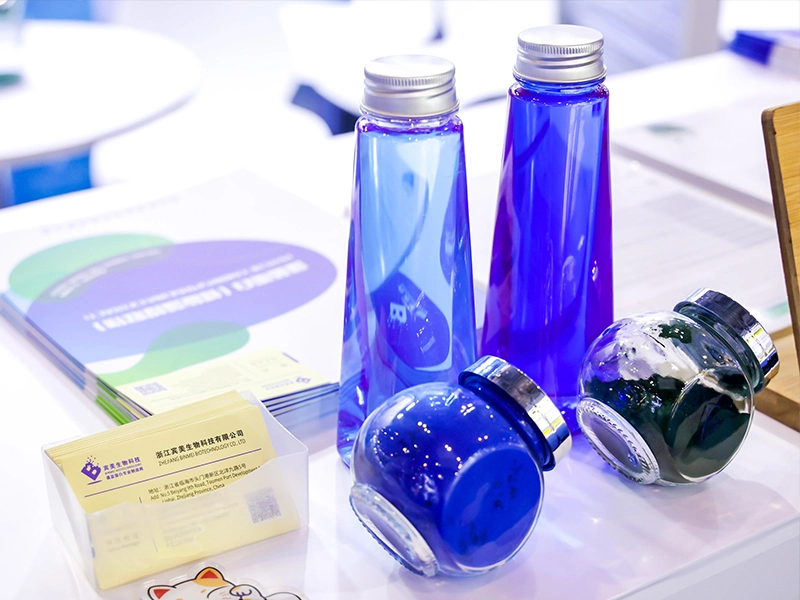
BINMEI provides liquid and powdered formats of cuttlefish ink natu. Both are designed to meet different production requirements while maintaining clean label integrity.
Shared Advantages
- Proprietary physical extraction technology
- Deodorization process to minimize marine off-notes
- 0 additives, 0 preservatives, 0 artificial flavors
- Stabilized pigment system with excellent coloring retention
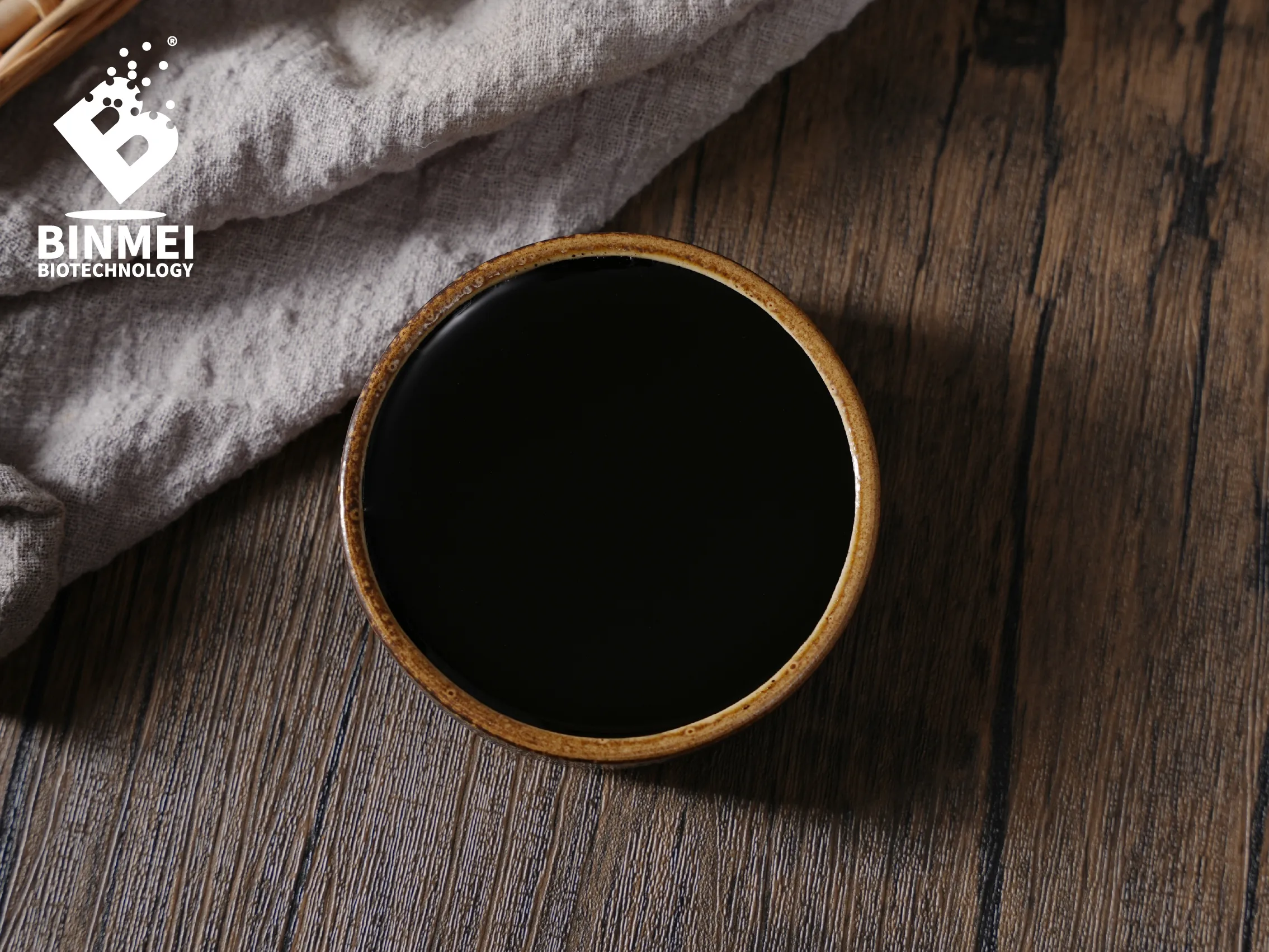
- Liquid Cuttlefish Ink: Ideal for Fresh and Artisanal Applications
Liquid cuttlefish ink is particularly suitable for fresh pasta, gourmet sauces, seafood dishes, and artisanal food production. Its ready-to-use form allows rapid dispersion and strong visual impact, delivering a naturally derived black color that integrates seamlessly into culinary formulations.
- Cuttlefish Ink Powder: Designed for Industrial Food Processing
Cuttlefish ink powder is produced through advanced concentration and spray-drying technology, making it especially suitable for large-scale manufacturing. Compared with liquid formats, the powder offers:
- Low moisture content for extended shelf life
- High batch-to-batch consistency
- Excellent heat and process stability
- Easy handling, dosing, and automated production compatibility
Both formats are produced using BINMEI’s advanced, proprietary physical deodorization process, effectively removing the characteristic marine odor traditionally associated with cuttlefish ink—without compromising color depth or formulation integrity. This enables food manufacturers to apply a clean-label natural black coloring at low dosages with high color intensity, reliably across baking, extrusion, seasoning, and beverage systems.
>>>Explore cuttlefish ink–based natural black coloring solutions
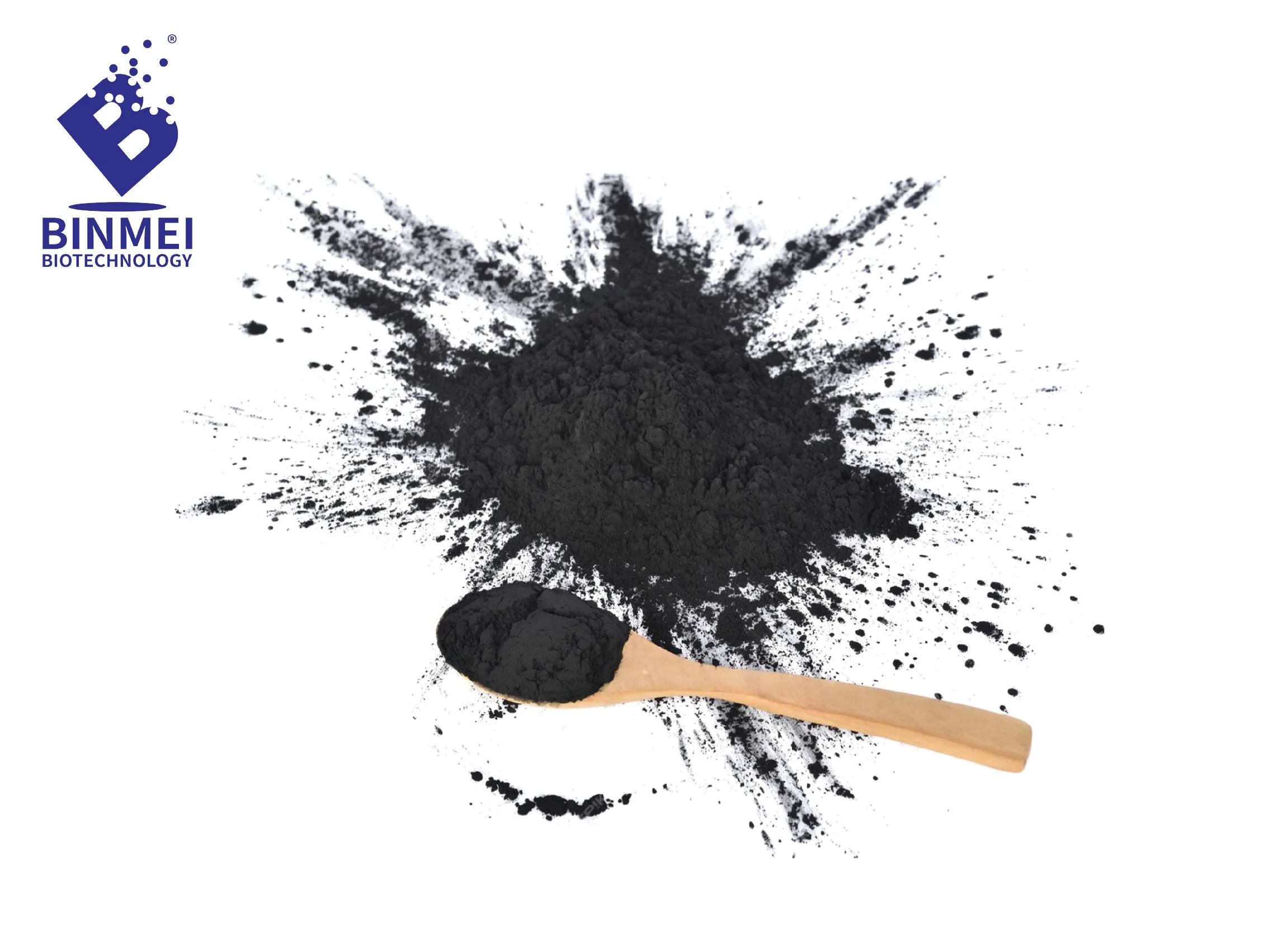
A Future-Ready Natural Black Coloring Solution
As the food industry continues to move toward transparency, sustainability, and regulatory safety, cuttlefish ink stands out as an effective natural black coloring alternative to carbon black and other synthetic dyes. It delivers deep, stable color, functional value, and strong, clean label appeal—while remaining compatible with modern industrial food processing.
With years of specialization in natural pigments, BINMEI is not only a reliable supplier of cuttlefish ink extract, but also a long-term partner committed to helping brands succeed with compliant, high-performance, tailored natural color solutions.
Looking for a clean label replacement for carbon black or synthetic black dyes? Contact us to explore reliable natural black coloring solutions for your next product innovation.
References
[1] Food Bioscience — Antioxidant activity and mechanism of melanin from cuttlefish (Sepia pharaonis) ink on Clone-9 cells
[2] Wiley Online Library — Antimicrobial activity of cuttlefish ink and skin extracts, Egyptian Journal of Aquatic Biology & Fisheries (2025)