Confectionery Giants Recoloring the Industry: The Accelerated Shift Toward Natural Colors
In the confectionery industry, color has never been just about appearance; it plays a critical role in flavor recognition and consumer perception.
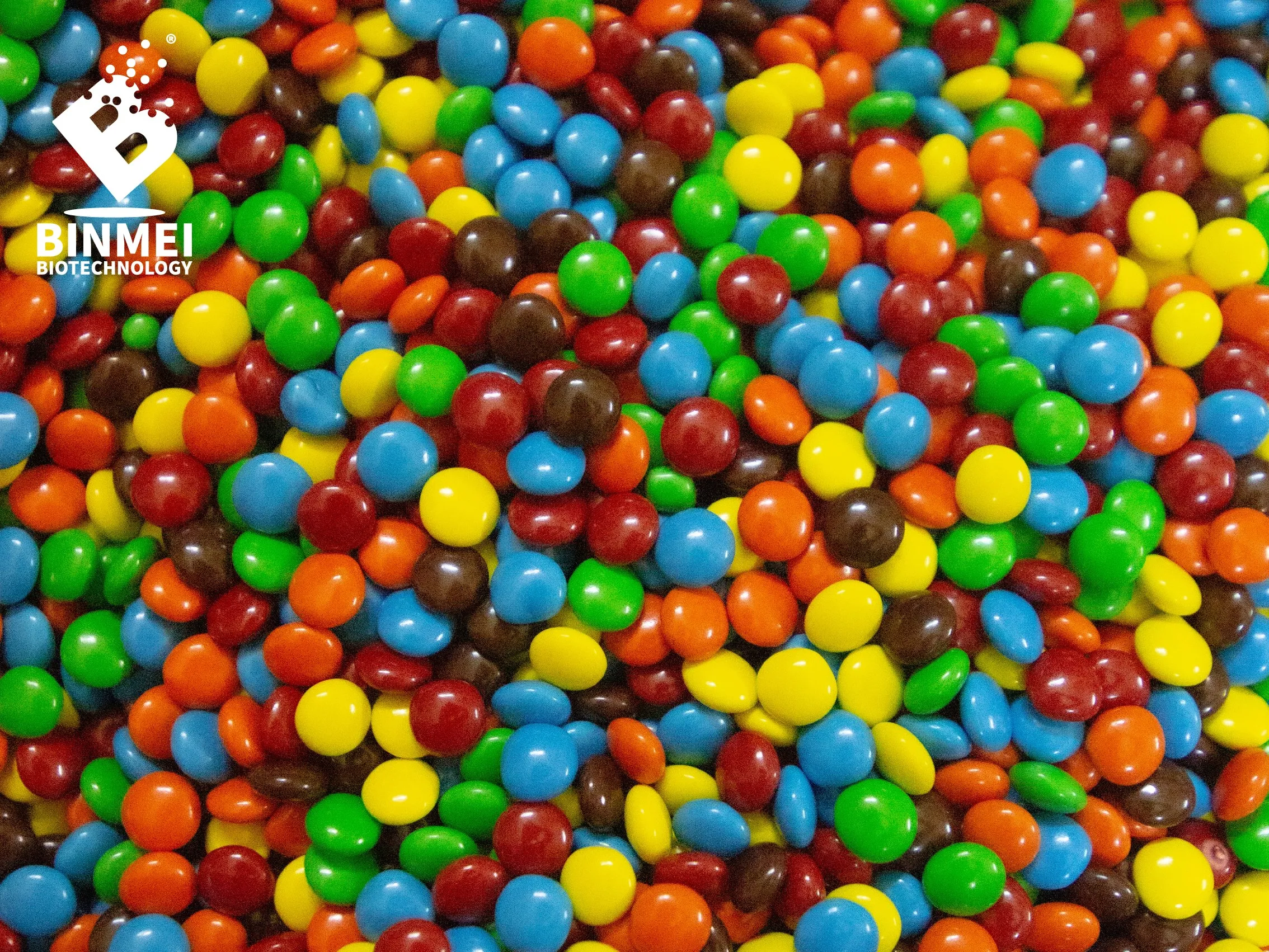
For decades, synthetic food colors have been the standard solution across confectionery applications—particularly in gummy candy and soft confectionery. Their strong tinting powder, low dosage, excellent resistance to heat and pH fluctuations made them highly compatible with high-temperature cooking processes and long shelf-life demands typical of gummy candy production.
This dynamic is now changing. Driven by evolving consumer demand for clean-label products, tightening global regulations, and proactive responses from confectionery industry leaders, this long-standing model is being fundamentally re-evaluated.
The Phase-Out of Synthetic Colors: Market and Regulatory Pressure
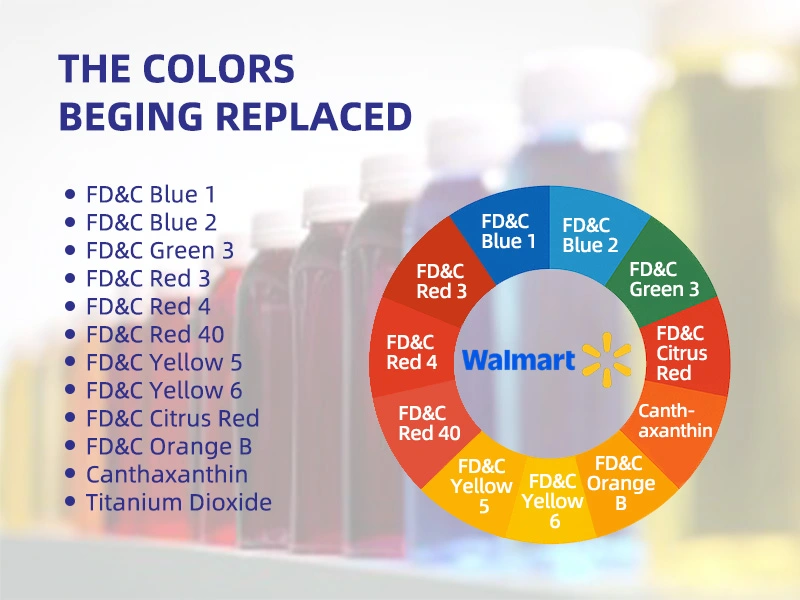
In the U.S. market, FD&C dyes such as Red 40, Yellow 5, and Yellow 6 once accounted for more than 80% of color usage in candies and snacks. In recent years, however, concerns surrounding long-term consumption—particularly in children’s food and soft candy for toddlers—have intensified.
While scientific opinions may vary, one trend is unmistakable: consumer trust in synthetic colors is steadily declining. Clean label claims have evolved from a marketing concept into a clear purchasing expectation. More consumers actively read ingredient lists and increasingly favor products labeled “no artificial colors” or made with recognizable ingredients. This preference is especially strong in children’s confectionery and gummy products.
At the same time, regulatory environments are tightening worldwide. Major markets such as the United States, the European Union, and Japan are gradually increasing restrictions on the use of synthetic food dyes.
In the United States, the Food and Drug Administration (FDA) announced on April 22, 2025, a plan to phase out petroleum-based synthetic food colors from the national food supply. The agency aims to work with industry stakeholders to eliminate the most commonly used petroleum-derived dyes by the end of 2026. >>>Read the full article
As part of this initiative, the FDA plans to revoke authorization for two rarely used dyes—Citrus Red No. 2 and Orange B—within the coming months, and to accelerate the removal of others, including FD&C Red No. 3, ahead of its existing January 15, 2027, deadline.
Beyond federal action, several U.S.states have moved even faster by introducing stricter standards, particularly for foods served in schools and products targeted at children.
For brands, artificial colors are no longer just a technical choice. They are increasingly viewed as both a compliance risk and a trust issue, accelerating the industry-wide search for a natural alternative to FD&C dyes.
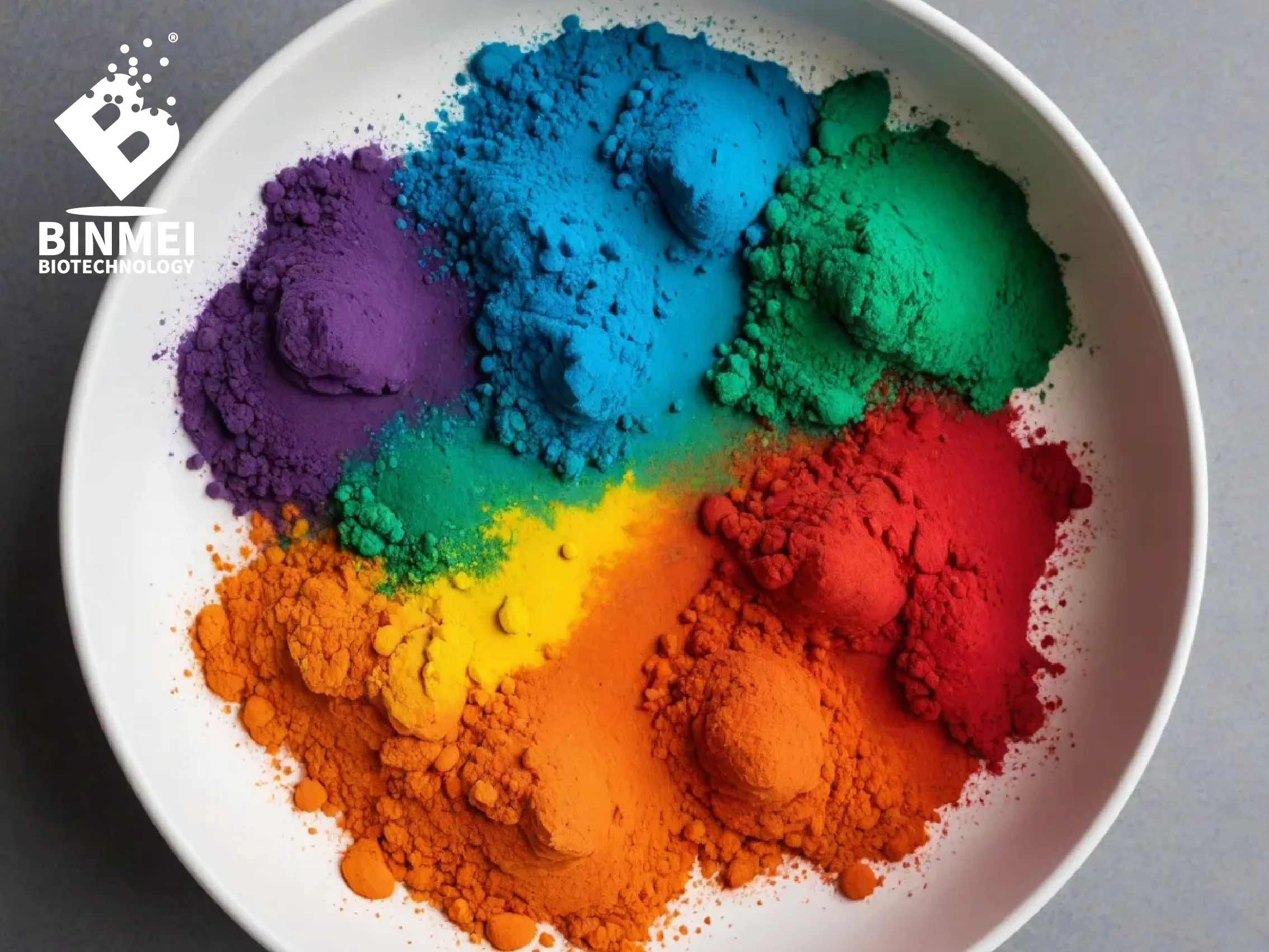
How Regulations Are Driving the Shift to Natural Colors
Regulations are a key driver accelerating the shift to natural colors, making a growing number of natural colorants commercially viable across candy, beverage, and bakery applications within the confectionery industry.
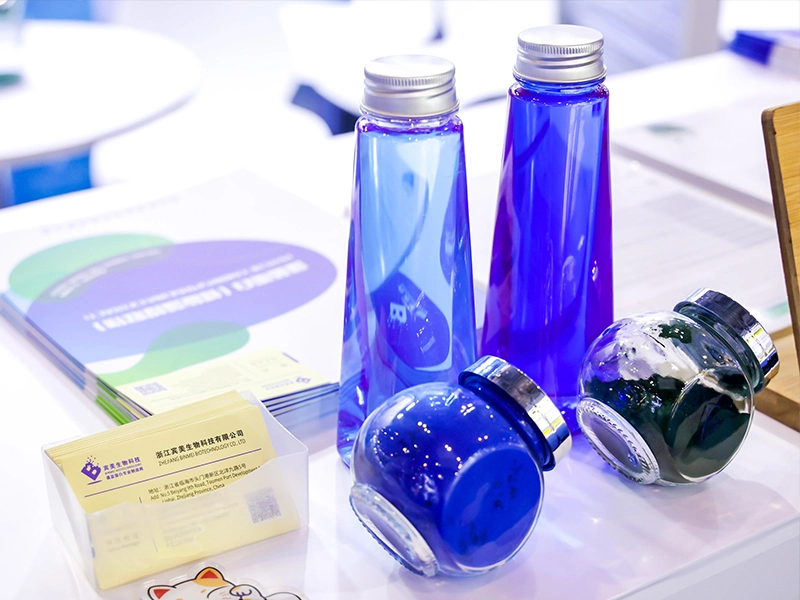
Blue Spirulina (Spirulina Extract) — a naturally derived blue pigment extracted from Spirulina platensis — remains one of the very few approved natural blue colorants available today, playing a critical role in replacing synthetic blue dyes in clean-label candy products. With a long history of compliant use, it has been increasingly adopted across a wide range of food and beverage applications, including confectionery, bakery, nutritional products, and functional drinks.
Besides, beyond well-established natural colorants already approved for use—such as carmine, beet red, lycopene, and turmeric extract- the regulatory landscape continues to evolve. In 2025, the U.S. Food and Drug Administration (FDA) approved several additional natural color additives, further expanding the natural color toolbox for manufacturers across confectionery, beverages, bakery, and other food applications.
These newly approved natural color solutions include:
- Gardenia Blue — a natural blue color derived from Gardenia jasminoides.
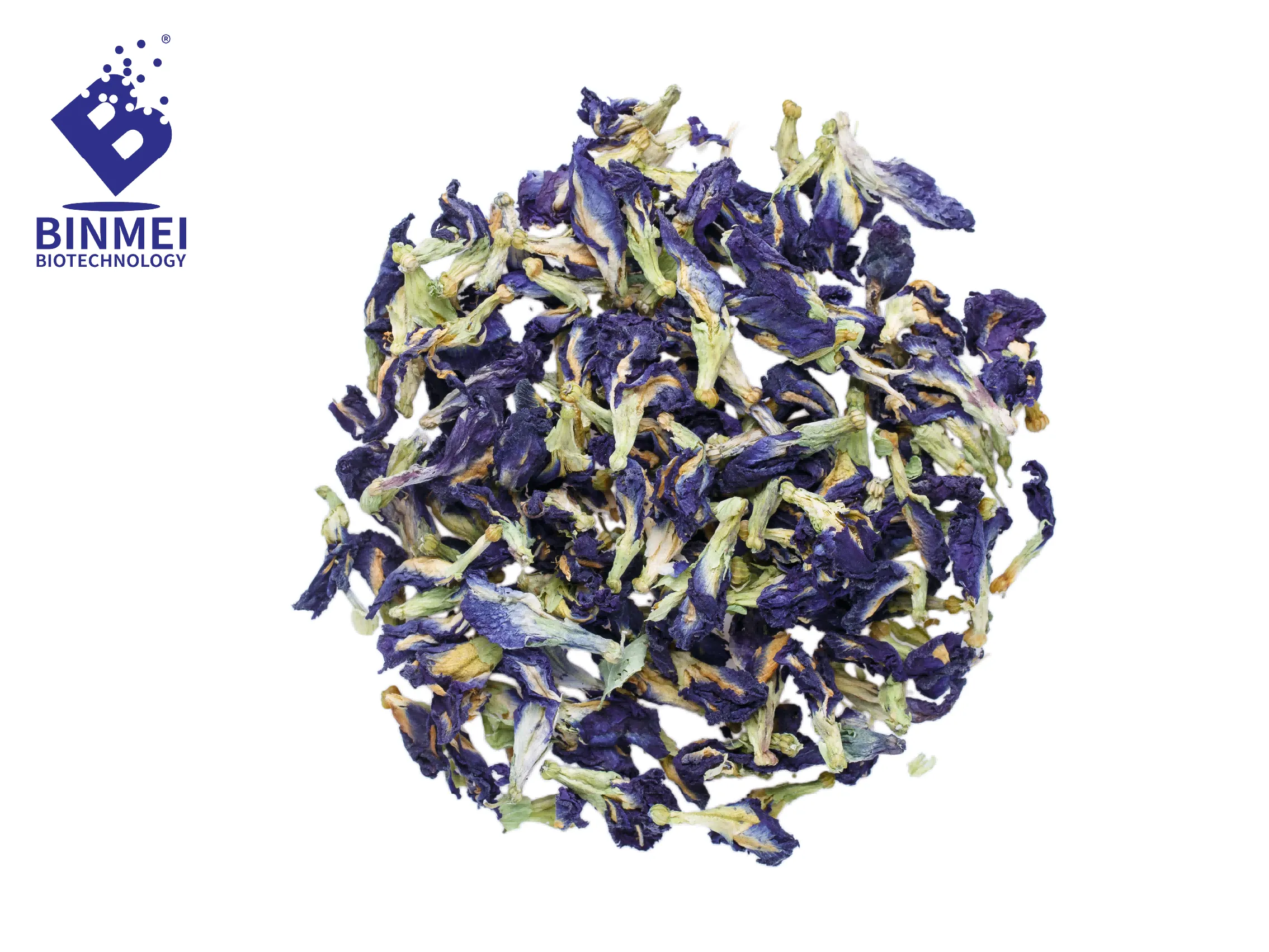
- Butterfly Pea Flower Extract (Clitoria ternatea) — a plant-based extract delivering blue-to-purple hues depending on pH conditions.
- Galdieria Extract Blue — a fermentation-derived natural blue color produced from the unicellular red algae Galdieria sulphuraria.
- Calcium Phosphate — a naturally occurring mineral widely used for white coloration and opacity enhancement.
Together, these regulatory approvals demonstrate how regulations are driving the broader shift toward natural colors. They reinforce regulatory support for sustainable, clean-label color innovation across the food industry.
Global Food and Candy Leaders Are Taking Action
Driven by clean-label expectations and tightening regulations, leading global food and confectionery companies are increasingly reducing synthetic food colors and incorporating naturally derived alternatives into long-term strategies. Rather than viewing natural colors as niche or optional, major brands are embedding them into phased reformulations that balance performance, compliance, and scalability.
Notable industry actions include:
- Mars Wrigley (U.S.)
Mars Wrigley North America announced on July 24, 2025, that it will begin offering versions of several of its flagship products made without synthetic FD&C food colors in 2026, responding to evolving consumer and regulatory pressures. The initial portfolio of naturally colored options is set to include M&M’s Chocolate, Skittles Original, Extra Gum Spearmint, and Starburst Original fruit chews, which will be available without petroleum-based synthetic dyes across the United States next year. >>>Source
- PepsiCo
PepsiCo is accelerating its clean-label strategy by removing artificial colours and flavours from key snack brands. The company plans to launch naturally reformulated versions of Cheetos and Doritos, while Lay’s and Tostitos will eliminate synthetic dyes by the end of 2025. According to CEO Ramon Laguarta, more than 60% of PepsiCo’s U.S. food portfolio is already free from artificial colours, reflecting both rising regulatory pressure and shifting consumer expectations. >>>Source
- The Hershey Company
The Hershey Company has announced plans to remove certified artificial colors (FD&C dyes) from its U.S. products by the end of 2027. To support this transition, Hershey is introducing plant-based coloring solutions derived from spirulina, carrot, radish, and beet across brands such as Jolly Rancher, Twizzlers, and Shaq-A-Licious XL Gummies. >>>Source
- Nestlé and General Mills
Both companies have taken decisive measures to phase out artificial colors from their U.S. product portfolios, with Nestlé targeting mid-2026 and General Mills aiming for full elimination across cereals and retail products by 2027. >>>Source(Nestlé) >>>Source(General Mills)
The message from these industry leaders is clear: natural colors are no longer niche. They are now a core part of clean-label and reformulation strategies, driven by regulatory requirements, consumer demand, and long-term brand and compliance risk management.
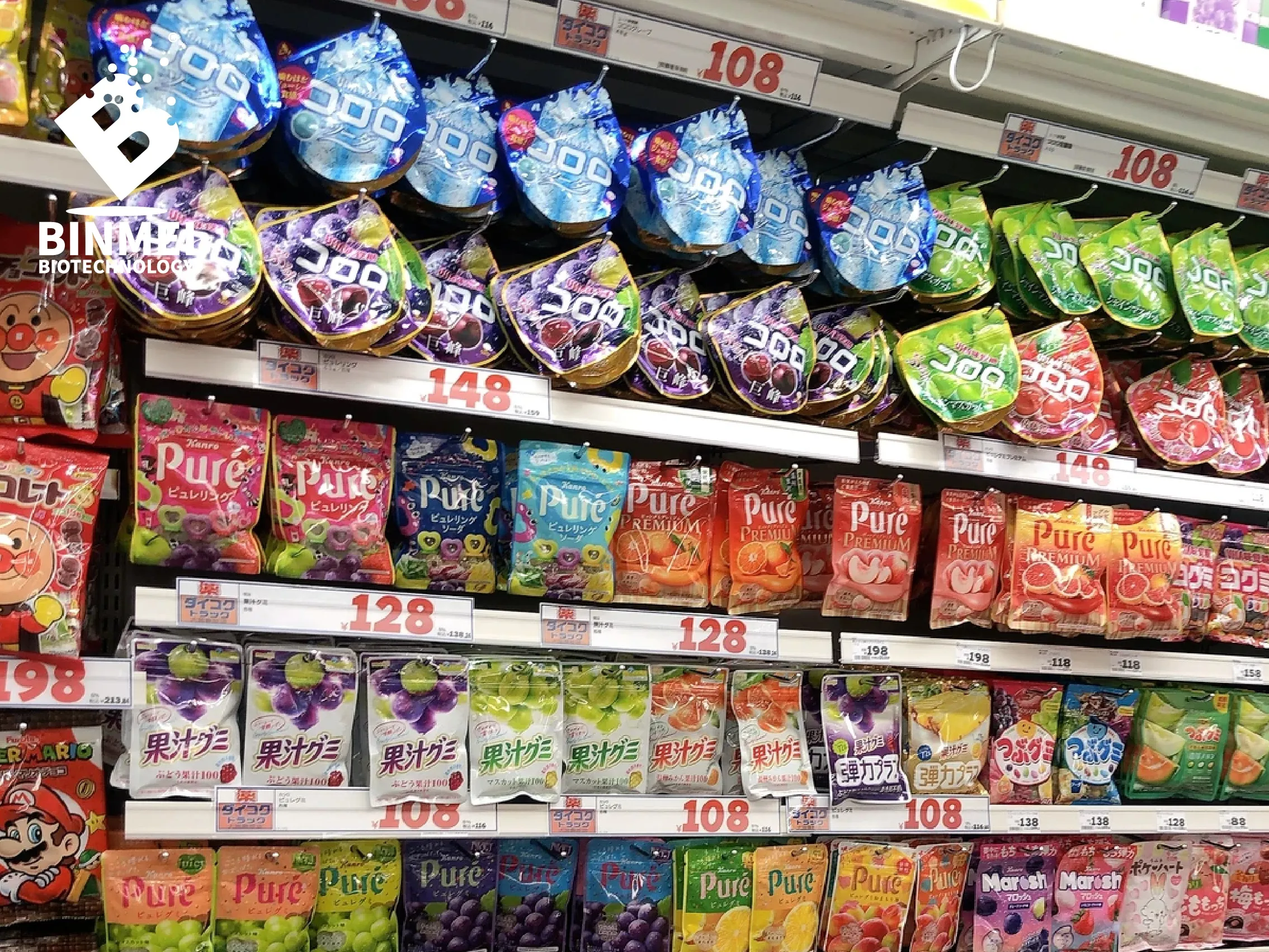
Natural Colors in Confectionery: Real-World Challenges and Solutions
Despite the strong industry-wide shift toward natural colors, implementing natural color solutions in candy and confectionery—especially gummy candy—still involves real-world technical, commercial, and supply chain challenges at commercial scale.
Key Challenges in Applying Natural Colors for Candy
- Intrinsic limitations of natural colorants
- Process compatibility
- Cost efficiency and formulation complexity
- Supply chain reliability and quality consistency
Turning Challenges into Solutions with BINMEI
Addressing the challenges of natural colors in confectionery, BINMEI transforms constraints into innovation.
As a manufacturer and supplier of natural colors and functional ingredients, we provide the following solutions for gummy candy:
1. Heat-stable natural pigments
Specifically developed for high-temperature candy and gummy processing, BINMEI’s natural pigments deliver reliable color stability during cooking, molding, drying, and throughout shelf life.
2. Comprehensive natural color solutions
BINMEI offers a full spectrum of natural colors for candy, including blue, red, yellow, green, black, and customized blended colors, supporting clean-label reformulation across diverse confectionery applications.
3. Color Processing & Blending Solutions
Through encapsulation, carrier optimization, and customized blending, BINMEI improves solubility, color consistency, and long-term stability of natural pigments in demanding candy matrices.
4. Customized formulation and application support
Providing tailored natural color solutions for gummy candy, soft candy (including children and toddler products), hard candy, pressed candy, and other sugar confectionery, with end-to-end application support from formulation and processing to scale-up and commercialization.
By leveraging these solutions, we partner with confectionery brands to enable innovation and the successful commercialization of naturally colored gummy and confectionery products.
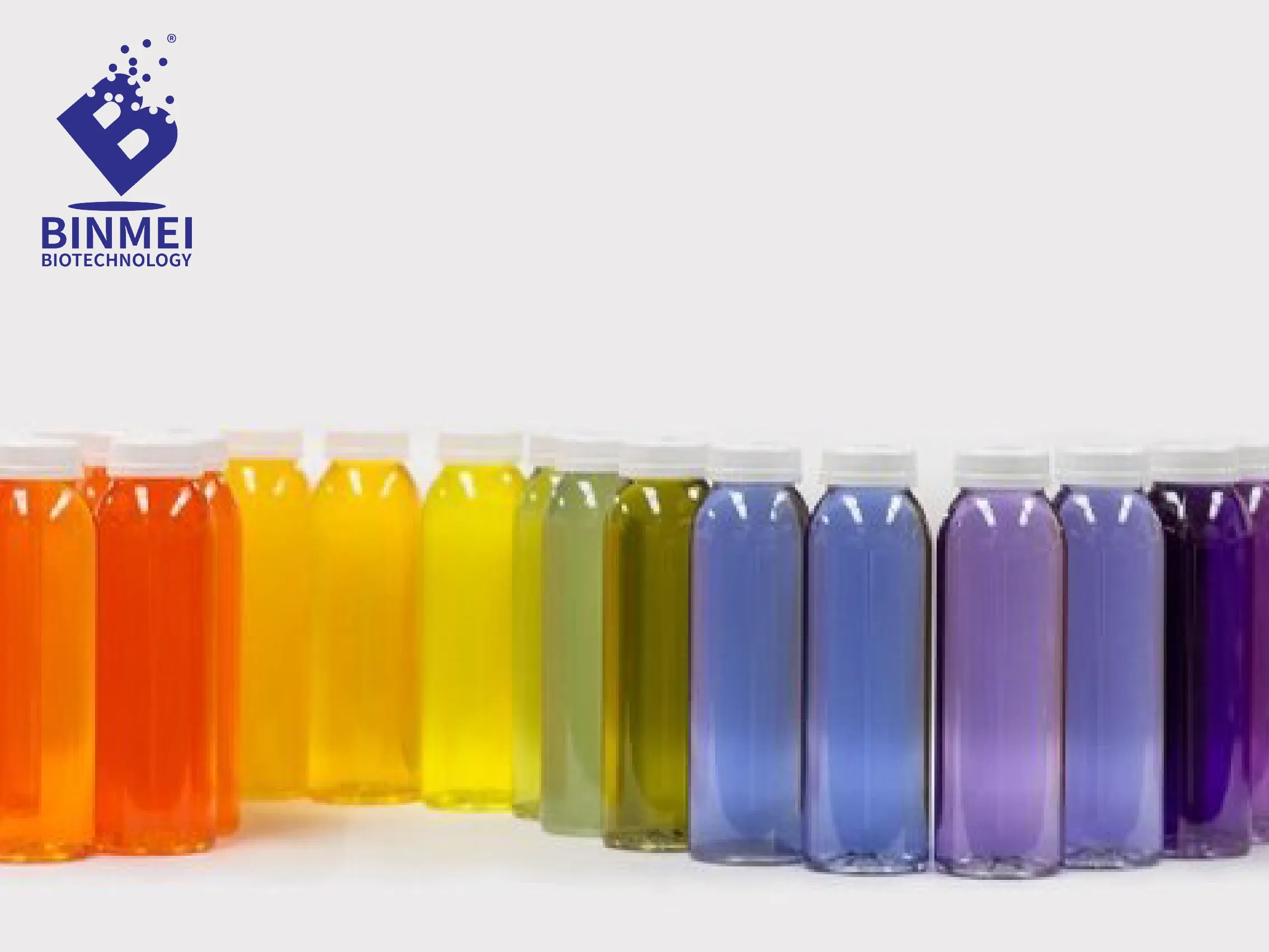
From Artificial to Natural Is No Longer Optional
Across consumer expectations, evolving regulatory frameworks, and real-world industry practices, synthetic colors are steadily exiting the spotlight—while natural colors are becoming the new standard in candy and confectionery.
What was once considered a technical limitation has now become a strategic opportunity. Advances in formulation science, processing technologies, and application-specific natural pigments have made clean-label reformulation both feasible and scalable, even in demanding applications such as gummy candy and soft confectionery.
For confectionery brands, the question is no longer whether to replace artificial dyes, but how to implement natural color solutions that deliver stability, compliance, and consistent visual performance at commercial scale.
Are you ready to make the transition and lead in the natural color and clean-label era in your candies?