Interest in natural colorants for cosmetics has skyrocketed alongside the global demand for clean beauty, plant-based formulations, and label-conscious manufacturing. This botanical revolution spans multiple industries, heavily influencing both personal care and food/beverage R&D. Because of this massive overlap, purchasing managers and formulators often encounter the same botanical names across sectors and mistakenly assume the sourcing and formulation logic is identical.
That assumption is not just confusing—it is a regulatory and functional risk. A natural plant extract engineered for a topical face cream does not automatically belong in a beverage matrix. The regulatory compliance, toxicological thresholds, extraction solvents, and sensory requirements are fundamentally different. For a brand bridging the gap between edible and topical products, this distinction is critical.
Cosmetic colorants and food applications should not be evaluated in the same way. While a cosmetic chemist focuses on dermal stability, INCI compliance, and skin-feel, a food scientist must navigate oral toxicity, flavor carryover, and extreme thermal processing (like pasteurization). Buyers looking to master edible botanical systems must understand how natural food coloring ingredients are rigorously standardized for human consumption, rather than assuming a broad “natural-origin” label guarantees universal safety.
Why Natural Colorants Are Discussed in Both Cosmetics and Food
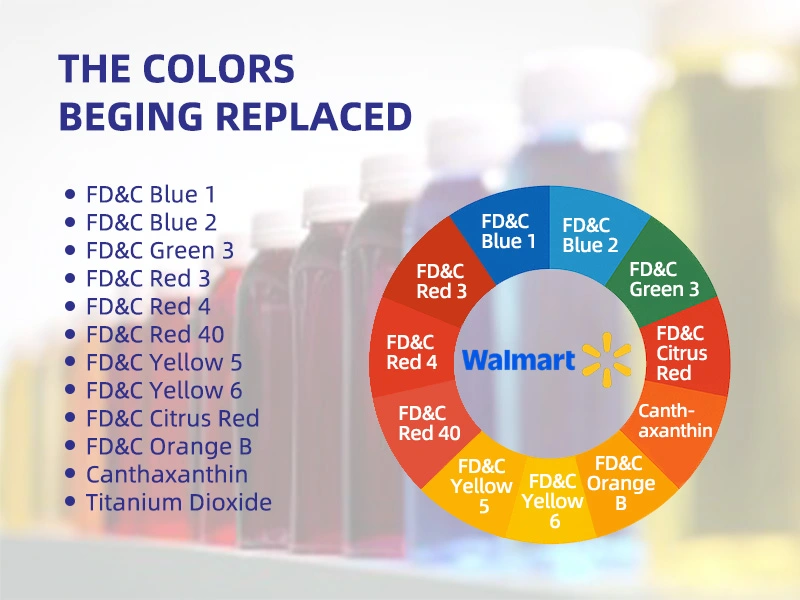
Botanical ingredients like beetroot, spirulina, and turmeric attract immense attention in both cosmetics and food because both industries are driven by the “clean label” ethos. In cosmetics, the conversation revolves around “clean beauty,” replacing synthetic micas and petrochemical dyes with antioxidant-rich botanical extracts. In food, the focus is on replacing artificial FD&C dyes with recognizable, plant-derived “coloring foods.”
However, while the raw botanical source may be the same, the processing paths diverge immediately after harvest. A blue pigment derived from spirulina for a facial mask is processed differently than one intended for a sports drink. The cosmetic version may prioritize topical anti-inflammatory properties and skin absorption, while the food-grade version must guarantee absolute microbiological safety, specific E-numbers (or exempt status), and strict heavy metal limits suitable for digestion.
Understanding this divergence is essential for procurement and R&D. It prevents the costly mistake of sourcing a beautiful, natural cosmetic dye only to find it is legally prohibited or organoleptically disastrous in a food application.
What “Natural Colorants for Cosmetics” Usually Means
When formulators search for natural colorants for cosmetics, they are typically evaluating ingredients against dermal parameters. The goal is to find vibrant, naturally derived pigments for lipsticks, eyeshadows, bath bombs, or lotions.
In this sector, the evaluation revolves around the INCI (International Nomenclature of Cosmetic Ingredients) system. Cosmetic formulators test for skin sensitization, phototoxicity (how the color reacts on the skin under UV light), and how the pigment disperses in complex emulsions, waxes, and topical lipid bases.
Furthermore, cosmetic colorants may be extracted using specific solvents (like certain alcohols or hydrocarbons) that are perfectly safe for topical use but strictly banned in food processing. The definition of “safe and natural” in cosmetics simply does not account for digestive metabolism.
Why Food Applications Require a Different Decision Framework
Food applications require a radically different framework because the colorant is integrated into an edible system subjected to digestive biology and stringent global food safety authorities (like the FDA or EFSA). In food, “natural” is not enough; it must be “food-safe.”
A buyer executing food-grade color selection must shift their focus from topical aesthetics to oral consumption variables, evaluating:
- Toxicology & Extraction: Were food-grade solvents (like water or ethanol) used? Are heavy metal and microbial counts within the ultra-strict limits required for ingestion?
- Thermal & pH Resilience: Will the color survive High-Temperature Short-Time (HTST) pasteurization or the high-acid environment of a carbonated beverage without denaturing?
- Sensory Impact (Organoleptics): Does the botanical extract carry a bitter, earthy, or fishy flavor profile that will ruin the taste of the food product?
- Regulatory Classification: Does the ingredient qualify as a “Coloring Food” under EU guidelines, or is it an exempt natural color additive under FDA regulations?
This is why food applications demand a dedicated, scientifically rigorous framework. Formulators making this transition should explore specialized resources like organic food coloring solutions or review the technical realities in plant-based food coloring vs artificial dyes.
Cosmetic Colorants vs Food Applications: The Key Differences
To fully grasp the gap between the two industries, we must look at how colorants are technically vetted on the lab bench.
| Decision Area | Cosmetics Logic | Food Application Logic | Formulator Takeaway |
|---|---|---|---|
| Regulatory Standards | Governed by INCI and D&C regulations. Evaluated for skin/eye safety. | Governed by FDA (FD&C/Exempt) and EFSA. Evaluated for safe oral ingestion and metabolism. | A cosmetic approval never guarantees food-grade legal compliance. |
| Sensory & Flavor | Focuses on odor masking and tactile skin-feel; taste is irrelevant (except in lip products). | Requires zero flavor carryover. Earthy or vegetal notes from extracts can destroy a product’s flavor profile. | Food colors must be meticulously deodorized and flavor-neutral. |
| Solvents & Extraction | Broader allowable limits for extraction solvents and carrier chemicals. | Strictly limited to physical extraction (water/pressing) or highly regulated food-safe solvents. | Chemical residue limits are drastically lower in edible formulations. |
| Matrix Stability | Must withstand room-temperature shelf life, UV exposure, and interaction with topical surfactants. | Must withstand extreme baking heat, acidic beverage pH, and complex food proteins/fats. | Food matrices apply intense thermal and chemical stress to natural pigments. |
This comparison clarifies the absolute boundary between the sectors: natural colorants in cosmetics and natural colorants in food are biochemically and legally distinct. They require completely separate sourcing standards.
Why Food-Grade Color Selection Is More Application-Specific
Food-grade color selection is relentlessly specific because the food matrix is volatile. A colorant does not simply sit in a jar; it interacts dynamically with the product. For example, a natural blue anthocyanin might look gorgeous in a neutral cosmetic lotion, but if a food formulator drops it into a high-acid sports drink, the pH shift will instantly turn the liquid purple.
Therefore, food formulation demands highly targeted, category-specific evaluation. A buyer sourcing for a high-heat extruded snack needs carotenoids, while a buyer making a cold-processed dairy dessert needs phycocyanin.
A buyer crossing over from cosmetics will usually need to re-educate their approach by diving into dedicated food-application hubs. Understanding specific behaviors is critical, which is why navigating to natural blue food coloring or natural yellow food coloring is the necessary next step for actionable R&D decision-making.
What Food-Grade Buyers Should Evaluate First
Buyers transitioning into food applications must abandon the question, “Is this extract natural?” and immediately ask, “Is this extract food-safe and stable for my specific process?”
A rigorous, lab-ready evaluation sequence looks like this:
- Verify Food-Grade Status: Request Certificates of Analysis (COA) specifically proving food-grade compliance, heavy metal limits, and microbial safety.
- Define the Processing Stress: Map out the exact heat (pasteurization/baking) and pH levels the colorant will face during manufacturing.
- Evaluate Organoleptics: Conduct benchtop taste tests to ensure the required dosage of the natural color does not introduce off-notes to the flavor profile.
- Assess Label Viability: Ensure the ingredient meets your brand’s clean-label requirements (e.g., Organic, Non-GMO, or “Coloring Food” status).
How Buyers Get Confused When Moving Across Industries
The most dangerous formulation mistakes happen when R&D or procurement sees the same botanical name (e.g., “Hibiscus Extract” or “Spirulina”) marketed to both industries and assumes the specs are interchangeable.
| Mistaken Assumption | The Technical Reality | Correct R&D Action |
|---|---|---|
| “It’s 100% natural, so it’s safe to eat.” | Many botanicals are safe for topical skin application but toxic, irritating, or illegal to digest. | Always demand Food Grade certification and specific regulatory compliance documents. |
| “The extraction method doesn’t matter.” | Cosmetic extracts may use chemical solvents that leave trace residues banned in food products. | Source colors processed physically (water/pressing) or with strictly approved food solvents. |
| “If the color is bright in a lotion, it will be bright in a drink.” | Lotions are often pH-balanced emulsions. Drinks are highly acidic and undergo pasteurization, which destroys many pigments. | Test the colorant specifically in your product’s pH range and thermal processing timeline. |
These critical misunderstandings are why separating cosmetic logic from food logic is a matter of product safety and commercial survival, not just a matter of semantics.
Where This Topic Connects Back to Food Coloring
Once brands recognize that formulating edible products requires a distinctly specialized approach, the next step is to anchor their R&D in food-specific authority content. For formulators needing a comprehensive overview of global edible standards, the natural food coloring ingredients guide is the definitive starting point. To understand how these botanicals compete technically against synthetics, review plant-based food coloring vs artificial dyes.
Ultimately, successful food coloring is about finding the exact botanical match for your specific food matrix. Whether you need an acid-stable red or a heat-stable blue, your sourcing journey must transition from broad cosmetic curiosity to highly targeted food science.
FAQ
What are natural colorants for cosmetics?
Natural colorants for cosmetics are plant-based, mineral, or biologically derived pigments formulated specifically for topical beauty and personal care products. They are evaluated based on dermal safety, INCI compliance, and skin interaction.
Are cosmetic colorants and food colorants evaluated in the same way?
Absolutely not. Even if derived from the exact same plant, food colorants must pass rigorous oral toxicity tests, strict heavy metal limits, and meet global food additive regulations (like FDA or EFSA) that do not apply to topical cosmetics.
Why is food-grade color selection different?
Food-grade colorants are integrated into an edible matrix. They must survive digestive biology, thermal food processing (like baking or pasteurization), and highly variable pH levels, all while contributing zero unwanted flavor (off-notes) to the food.
Can I use a cosmetic-grade natural botanical powder in my food product?
No. Doing so is a significant regulatory and safety risk. Cosmetic powders may contain extraction solvents, microbial loads, or carrier agents that are entirely unsafe and illegal for human consumption.
What should a food-color buyer evaluate first?
A food-color buyer should immediately verify Food-Grade documentation. From there, they must evaluate the colorant’s stability against the product’s specific pH level, heat processing steps, and targeted clean-label claims.
Where should I go next after this page?
To learn how to correctly source for edible applications, review the natural food coloring ingredients guide, or dive into specific formulation parameters in our natural blue food coloring and natural yellow food coloring hubs.