Natural Organic Food Coloring Supplier
All Natural Organic Food Coloring Supplier, Factory, and Wholesale Solutions
BINMEI provides all natural organic food coloring solutions for food and beverage manufacturers, brands, traders, and ingredient buyers looking for more commercially practical color options. This page is designed for buyers who are not only researching organic color ingredients, but also evaluating the right organic food coloring supplier, organic food coloring factory, and wholesale organic food coloring partner for long-term cooperation.
Organic color sourcing is no longer a niche requirement in food development. Many product teams now need color ingredients that fit cleaner positioning, organic-oriented product concepts, and broader ingredient transparency goals. In that environment, the value of a supplier is not limited to product availability alone. Buyers also need category coverage, commercial support, and a clearer route from color idea to product selection.
BINMEI supports that process by offering organic food coloring directions across multiple color families and applications, helping buyers move from broad sourcing interest into more focused evaluation of ingredient categories, product types, and supply options.
Why Brands Look for All Natural Organic Food Coloring
Brands and manufacturers usually look for all natural organic food coloring when they want a product appearance that better aligns with organic positioning, natural ingredient expectations, and premium food presentation. For many businesses, the goal is not simply to replace one color ingredient with another. The goal is to find a color direction that fits the product concept, supports cleaner communication, and works within a commercial sourcing process.
This is especially relevant when product teams are developing beverages, confectionery, bakery items, frozen desserts, or specialty foods that rely on color to shape first impression. In these categories, buyers often need ingredients that can support visual appeal while still fitting a broader natural or organic product story.
- Organic-oriented product lines need color ingredients that match a more natural positioning
- Premium food brands often want ingredient choices that feel more aligned with cleaner-label expectations
- Product developers may need alternatives that support a more transparent ingredient strategy
- Procurement teams often look for suppliers that can support both evaluation and commercial follow-up
For these reasons, buyers do not just search for organic food colors as isolated products. They often search for an organic food coloring supplier or organic food coloring factory that can support broader commercial needs.
What Makes the Best Organic Food Coloring for Commercial Use
When buyers search for the best organic food coloring, they are not always looking for a single universal answer. In commercial food development, the best option usually depends on how well the ingredient direction matches the product, application, sourcing needs, and commercial expectations of the business.
A stronger organic food coloring solution is usually defined by several factors working together:
- Color direction fit: the ingredient should support the target visual effect needed for the final product
- Application relevance: the organic color solution should make sense for the type of food or beverage being developed
- Ingredient positioning: the color source should fit the product story and broader brand direction
- Supplier capability: the business should be able to move from product interest into real sourcing discussion
- Commercial support: sample, inquiry, and ongoing cooperation should be possible where needed
In other words, the best organic food coloring is not simply the brightest or most talked-about option. It is the option that best fits the commercial objective of the buyer and the product strategy of the brand.
BINMEI as an Organic Food Coloring Supplier
As an organic food coloring supplier, BINMEI supports buyers who need more than a simple ingredient list. Many customers arrive with broad questions such as which organic colors are available, which directions are suitable for beverages or confectionery, or which ingredient categories should be explored first. A useful supplier page should help answer those questions while also making it easier to move toward commercial evaluation.
BINMEI’s role is to support this process through a structure that is easier for ingredient buyers to use. Instead of presenting organic food colors only as isolated names, the website organizes them through category logic, application logic, and product paths that help buyers narrow their decisions more clearly.
- Supports food and beverage ingredient buyers exploring organic color directions
- Helps brands review organic color categories before moving to specific product evaluation
- Provides product-oriented pathways for different color needs and application goals
- Supports early-stage inquiry as well as more defined sourcing discussion
For buyers comparing multiple vendors, this structure can make BINMEI more practical as an organic food coloring supplier, especially when the project involves multiple possible color families or multiple product development directions.
Organic Food Coloring Factory Support
Buyers searching for an organic food coloring factory usually want to understand whether a supplier can support real business cooperation rather than one-off product curiosity. In that context, factory-related search intent is closely tied to confidence, continuity, and supply-oriented thinking.
BINMEI is positioned to support businesses that need an organic food coloring factory partner with a stronger commercial mindset. This includes buyers who are comparing sourcing routes, reviewing possible ingredient categories, and planning for more structured purchasing relationships.
Factory-oriented value is not only about production identity. It also relates to whether a supplier can support a clearer path from inquiry to product evaluation and from evaluation to supply discussion. For many buyers, that is what makes an organic food coloring factory page commercially useful.
- Suitable for brands, manufacturers, and traders exploring ongoing cooperation
- Supports commercial discussion beyond a single product mention
- Helps buyers evaluate organic color categories with a sourcing mindset
- Provides a stronger bridge between organic ingredient exploration and business cooperation
Wholesale Organic Food Coloring Options
Wholesale organic food coloring is a distinct search intent and should be treated directly. Buyers using this type of keyword are usually not looking for consumer packs or general lifestyle content. They want to know whether a supplier can support business-scale needs, category-based purchasing, and more structured cooperation.
BINMEI supports wholesale organic food coloring inquiries for businesses that want to explore organic color options with a commercial objective. This includes buyers who are still comparing ingredient directions as well as those who are already preparing for more focused discussions around suitable product categories.
For wholesale-oriented sourcing, the decision is usually not made on color alone. Buyers often need to understand which organic color family fits the project, which product route makes the most sense, and which supplier can support a more efficient progression from selection to cooperation.
That is why this page combines supplier identity, factory positioning, product category overview, and application guidance instead of functioning as a narrow product sheet alone.
Organic Food Coloring Categories We Offer
Organic food coloring needs can vary widely depending on the target color family. For this reason, BINMEI supports organic color exploration across multiple directions rather than limiting buyers to a single ingredient type.
Organic Blue Food Coloring
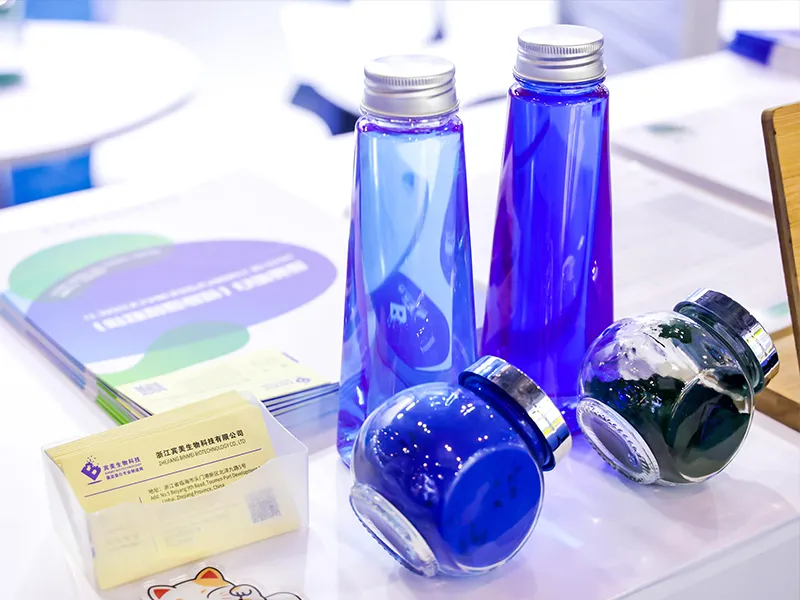
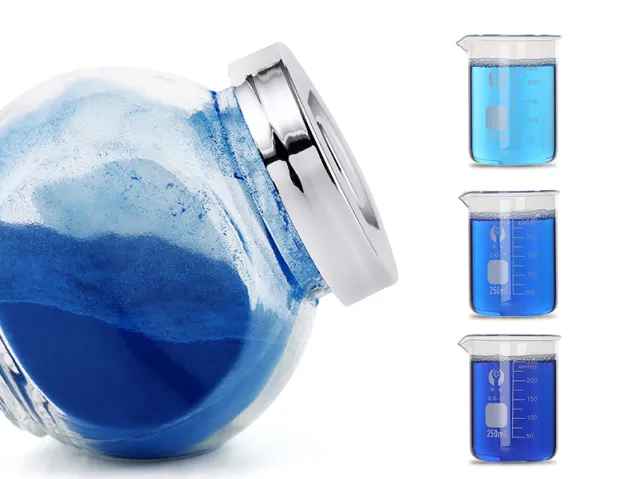
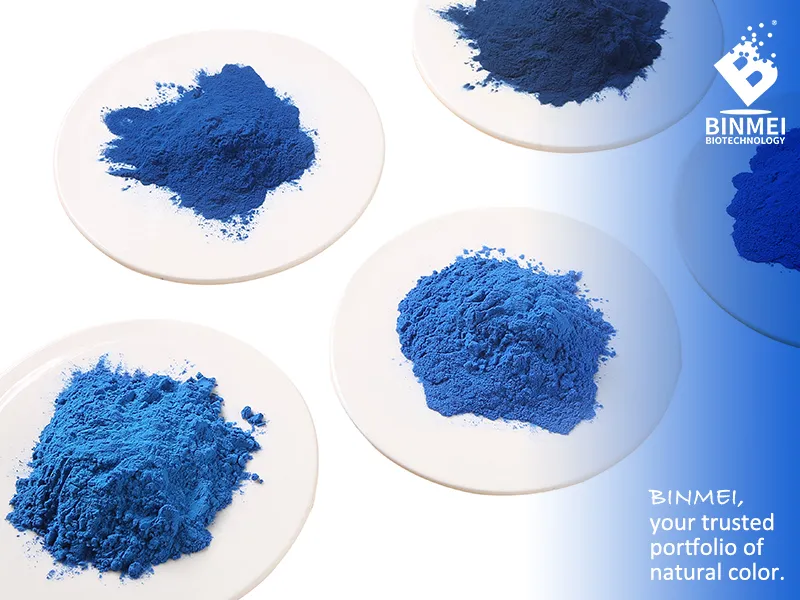
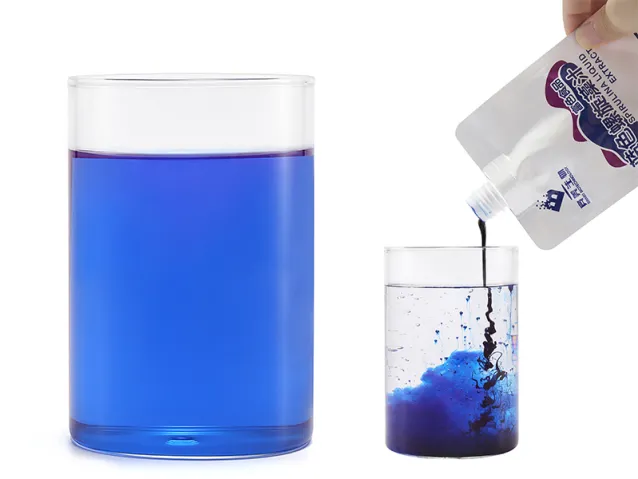
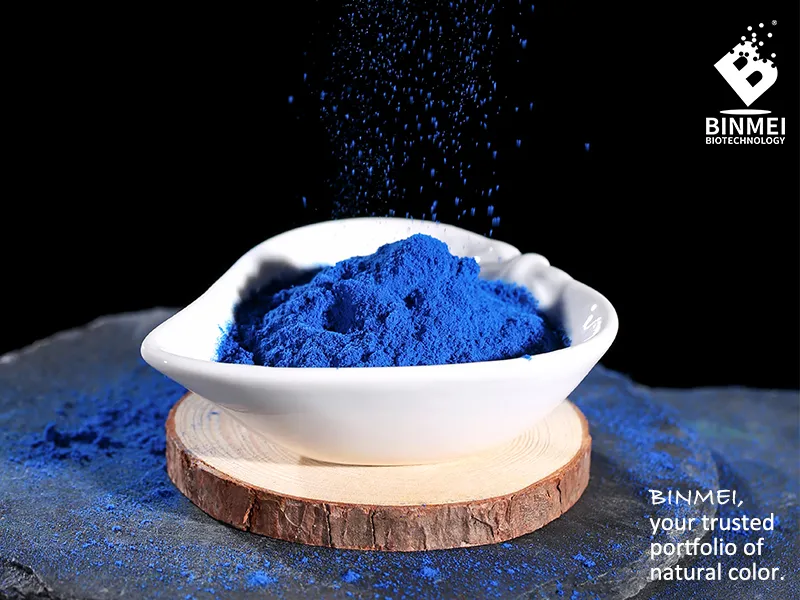
Blue is one of the most commercially important natural and organic color directions, particularly in beverages, confectionery, frozen desserts, and innovative food concepts. Buyers interested in this category can explore natural blue food coloring or continue directly to organic blue spirulina powder.
Organic Red and Purple Food Coloring
Red and purple directions are especially relevant for fruit-forward, confectionery, premium beverage, and berry-inspired concepts. These color families are often considered when brands want visually expressive product lines that still fit a more natural positioning.
Organic Yellow and Orange Food Coloring
Yellow and orange organic color directions are useful in products that depend on warm, bright, or fruit-associated visual cues. These shades are frequently explored in beverages, bakery items, confectionery, and selected specialty products.
Organic Green Food Coloring
Green color directions are closely associated with botanical and plant-forward product identities. For food and beverage projects built around freshness, plant inspiration, or more naturally vivid presentation, organic green options can play an important role.
Specialty and Dark Color Directions
Some projects require more selective color paths, especially when darker tones or more unusual presentation is needed. Buyers exploring these directions can continue to natural black food coloring for a broader overview.
Applications for Organic Food Coloring
Buyers searching for all natural organic food coloring often need more than a list of categories. They also want to know how those categories connect to real products. BINMEI supports organic food coloring exploration across several important food and beverage applications.
Beverages
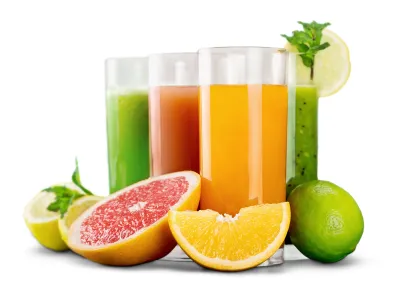
Beverage projects often require colors that support first impression, product identity, and brand positioning. Organic color choices in this category are often closely linked to refreshment cues, fruit inspiration, or botanical storytelling. Explore more through beverage applications.
Confectionery
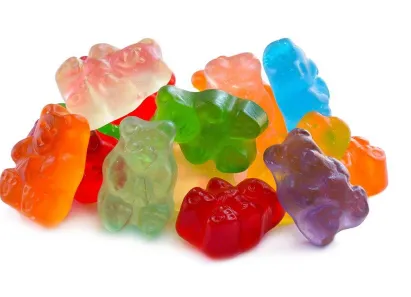
Confectionery products depend heavily on visual appeal. Gummies, candies, fillings, and decorative sweets often need organic color directions that support both appearance and product concept. More examples can be explored through confectionery applications.
Bakery
Bakery products use color differently from beverages and confectionery. In these applications, organic food coloring often supports creams, fillings, toppings, and themed product lines rather than simply providing brightness. Related category direction is available through bakery applications.
Dairy and Frozen Desserts
Dairy and frozen dessert categories often use color to communicate indulgence, flavor mood, or novelty. Organic color options in this area can be especially relevant when a product wants to balance visual impact with a more natural ingredient story.
How Buyers Choose the Right Organic Food Coloring Supplier
For businesses comparing multiple sourcing options, the selection process usually follows a practical sequence. This is where supplier pages can become more valuable than general educational content.
- Define the target color family. Buyers usually begin by identifying whether the product needs blue, red, yellow, green, black, or another specialty direction.
- Confirm the product application. Beverage, confectionery, bakery, dairy, and specialty products all use color differently.
- Review the organic positioning goal. Some projects emphasize organic alignment more strongly than others, which affects the ingredient route.
- Compare supplier structure. A stronger organic food coloring supplier should make it easier to move from category exploration to more focused inquiry.
- Evaluate factory and wholesale fit. Buyers often need a supplier that can support broader commercial discussion rather than only provide isolated product mentions.
This is also the practical answer to the keyword best organic food coloring. The best choice depends on whether the supplier, product direction, and commercial path match the buyer’s project needs.
Start with the Right Next Step
Some buyers arrive on this page looking for a general organic food coloring supplier. Others are already comparing categories or preparing for a more focused product review. The next step depends on how far along the sourcing process already is.
For a broader overview of natural color ingredient families and how they are typically selected, continue to the natural food coloring ingredients guide.
For color-family research, begin with natural blue food coloring or natural black food coloring.
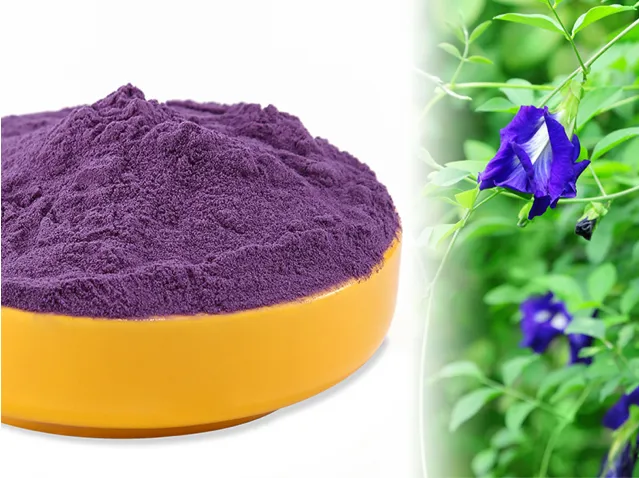
For more specific product exploration, continue to organic blue spirulina powder or butterfly pea flower extract.
For supplier background and broader business positioning, visit About Us.
Hot Products


FAQ
What is all natural organic food coloring?
All natural organic food coloring refers to color ingredients used in food and beverage products that align with natural and organic-oriented ingredient expectations. In commercial sourcing, buyers usually evaluate these options by color family, product type, and supplier capability.
How do buyers choose the best organic food coloring?
The best organic food coloring is usually the option that best matches the product’s target color, application type, organic positioning, and sourcing needs. In B2B projects, supplier fit and commercial support are also important decision factors.
Is BINMEI an organic food coloring supplier?
Yes. BINMEI is positioned as an organic food coloring supplier supporting food and beverage businesses that want to explore natural and organic color directions across multiple categories and applications.
Does BINMEI support organic food coloring factory cooperation?
BINMEI supports businesses looking for an organic food coloring factory or factory-oriented supply partner for more structured sourcing and commercial cooperation.
Can BINMEI support wholesale organic food coloring inquiries?
Yes. BINMEI supports wholesale organic food coloring inquiries for businesses exploring category-level supply options, broader cooperation, and more commercially focused ingredient sourcing.
Is organic food coloring the same as natural food coloring?
The two are related but not always identical in commercial use. Natural food coloring is a broader category, while organic food coloring is usually evaluated with additional attention to organic positioning and sourcing requirements.
What industries use organic food coloring?
Organic food coloring is commonly explored in beverages, confectionery, bakery products, dairy items, frozen desserts, and selected specialty food categories where color presentation and ingredient positioning are both important.