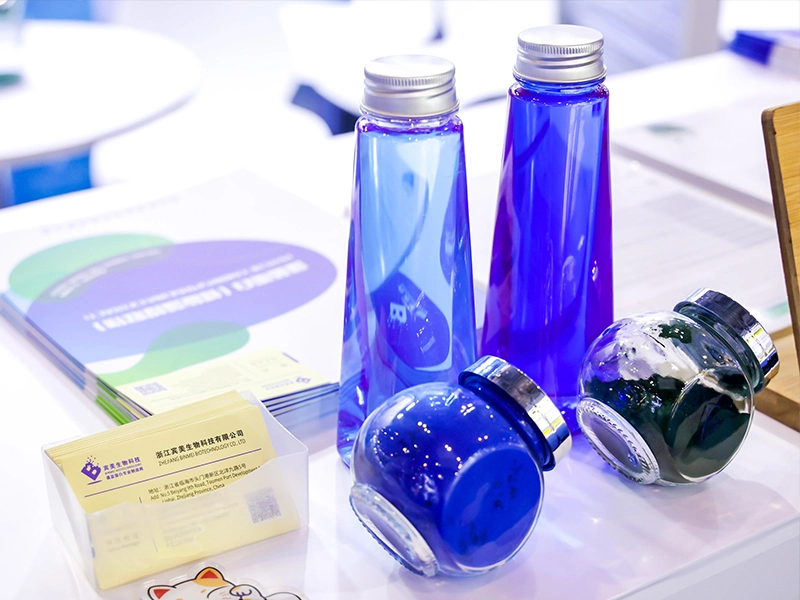
Food color decisions are no longer only about hitting a target shade on a product spec sheet. More brands now evaluate color through a wider lens that includes source identity, ingredient transparency, clean-label compliance, and how the final formulation is understood by buyers and end users. That systemic change is one reason why searches such as alternative to artificial dyes, natural pigments from plants, and vegetable concentrate for color continue to gain massive attention across the food and beverage industry.
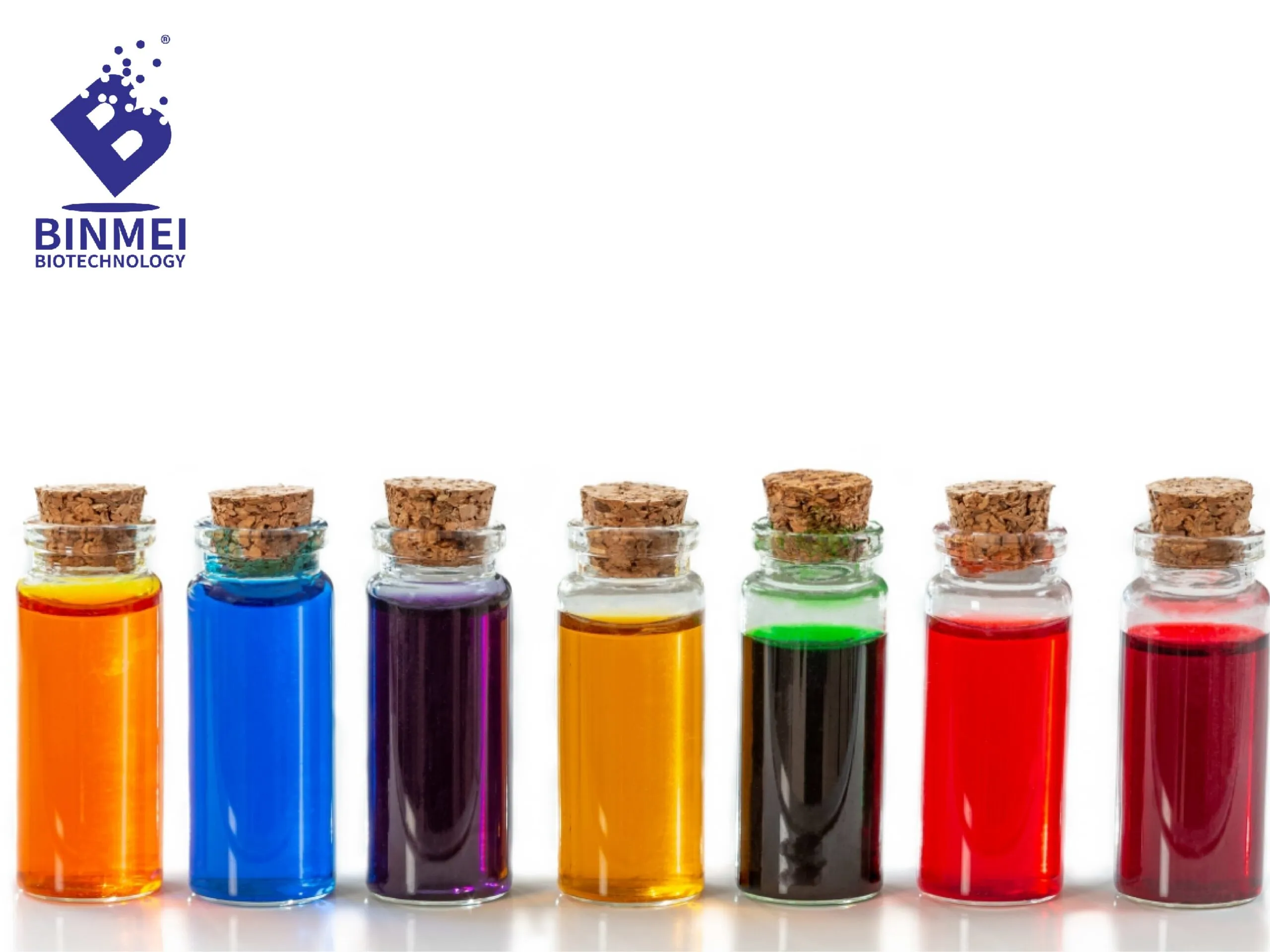
In practical terms, these searches point to the same larger question: what does it actually mean to move from artificial dyes toward plant-based food coloring? The answer is not simply “use something natural instead.” Plant-based color systems work through an entirely different source logic. They are built around fruits, vegetables, flowers, algae, and other botanical materials that contribute color in ways closely tied to the ingredient story and physical formulation of the product itself.
That is why this topic needs a broader authority explanation. Plant-based food coloring is not one ingredient, one color, or one direct substitute. It is a comprehensive framework for understanding how natural pigments from plants fit food development, why vegetable concentrates are often discussed in relation to color, and how a brand should move from broad interest in natural alternatives into actual color category decisions.
The most useful way to read this topic is not as a debate headline, but as a decision framework. Once the fundamental differences between plant-based food coloring and artificial dyes are clear, it becomes easier to navigate technical challenges—like pH stability and heat resistance—and move toward the next stage: identifying which color family, source route, and ingredient category best fit the product.
What Plant-Based Food Coloring Really Means
Plant-based food coloring refers to color ingredients derived strictly from plant-origin materials that contribute visible color to food and beverage products. These materials may come from fruits, berries, vegetables, flowers, leaves, roots, algae, or other botanical sources known for their pigment value.
The phrase matters because it describes a source-based system rather than a single chemical material. Some plant-based ingredients are relevant to blue shades (like spirulina), others to red or purple (like black carrot or beetroot), and others to green or yellow (like turmeric or alfalfa). Some are used in highly concentrated liquid forms. Others are handled as extracts, juices, powders, or specialized ingredient formats tailored to withstand specific manufacturing processes. What unites them is that they belong to a botanical source logic rather than a synthetic dye logic.
This distinction is important because formulators searching for natural pigments from plants are often not looking for one specific product immediately. They are trying to understand the category itself: where these colors come from, why their molecular structure matters, and how their physical behavior is different from artificial dyes in the first place.
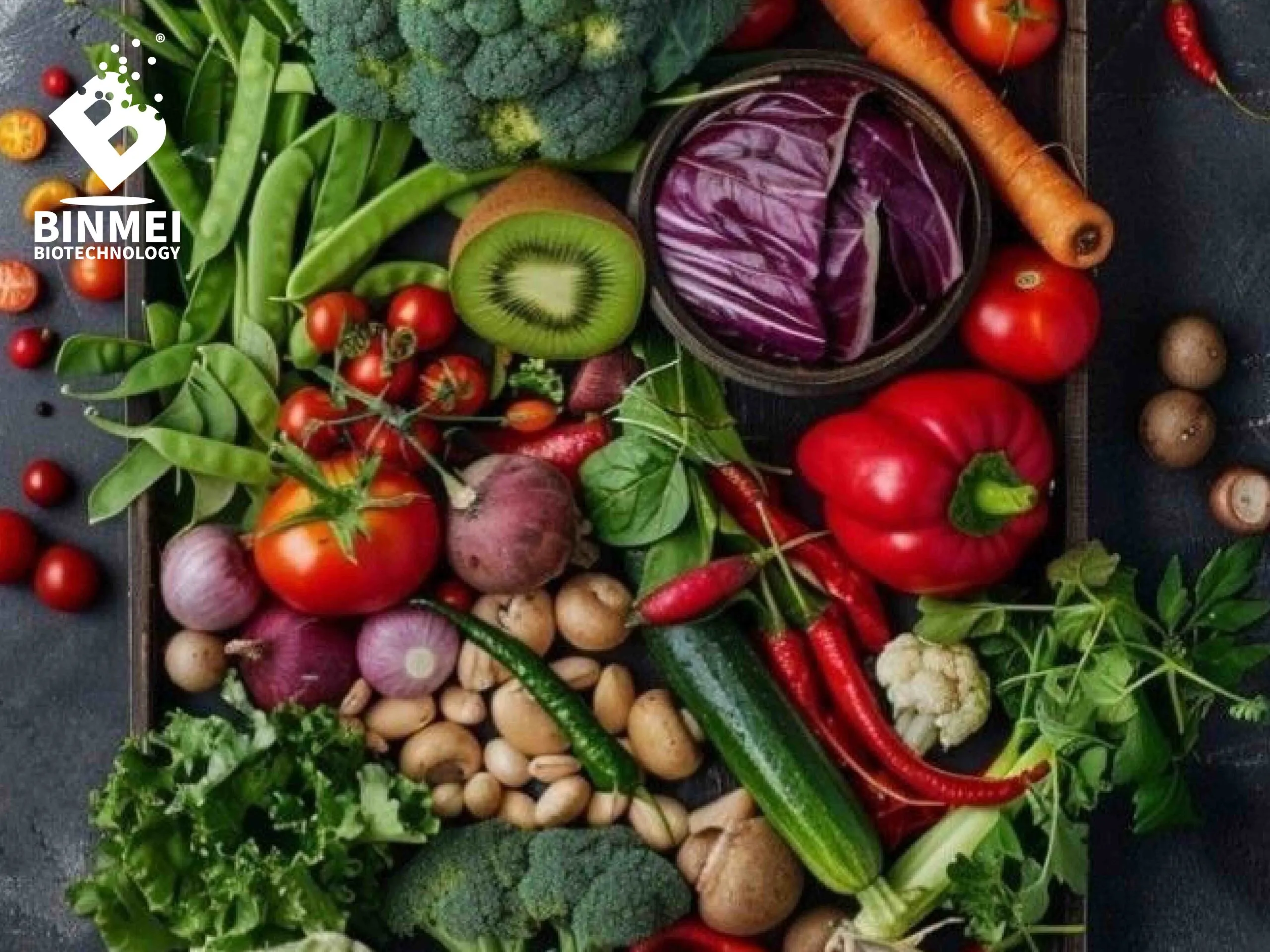
Why Brands Look for an Alternative to Artificial Dyes
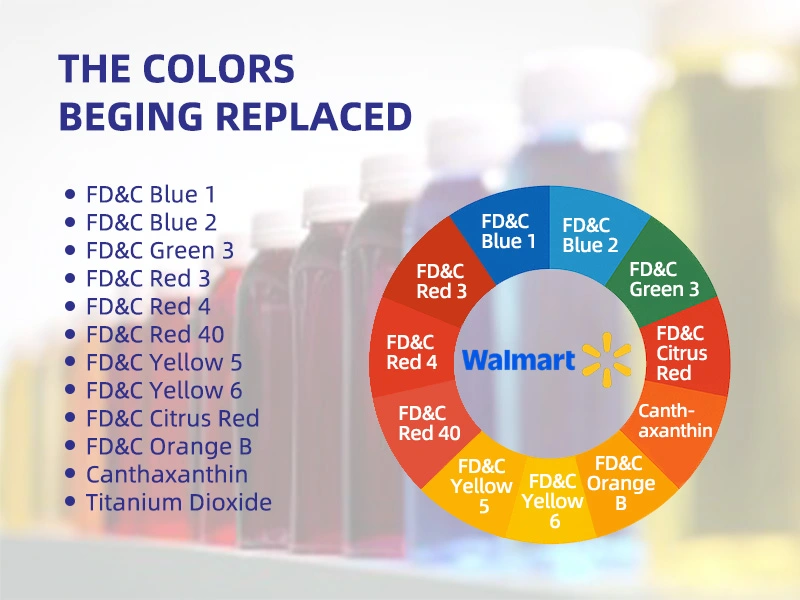
A search for an alternative to artificial dyes usually reflects a broader product development goal driven by shifting consumer preferences and stricter global regulations. In many cases, the question is not simply whether an artificial dye (like Red 40 or Blue 1) can be chemically replaced. The deeper question is whether a plant-based color route will better match the premium positioning, clean-label story, and nutritional direction of the product being developed.
Some brands explore plant-based alternatives because they want color choices that feel more aligned with organic, botanical, vegetable, or naturally positioned formulations. Others are looking for source language (such as “colored with fruit juice”) that feels more transparent and more consistent with the rest of the ingredient list. In other cases, the motivation comes from product concepts built around cleaner-looking ingredient choices, where artificial dyes may feel completely disconnected from the overall brand narrative.
That is why a strong authority page should not reduce the discussion to a shallow natural-versus-synthetic slogan. It should help users understand what changes when the source logic changes. Once the product team starts thinking in plant-based terms, color selection becomes a process of navigating source families, evaluating physical stability, and choosing color categories rather than only selecting a synthetic shade option out of a catalog.
Plant-Based Food Coloring vs Artificial Dyes: A Direct Comparison
A side-by-side comparison makes this topic easier to grasp. The difference is not just where the color comes from—it fundamentally affects how color is discussed, selected, processed, and aligned with a product concept from R&D to marketing.
| Comparison Area | Plant-Based Food Coloring | Artificial Dyes |
|---|---|---|
| Source Logic | Derived from fruits, vegetables, flowers, algae, or other botanical materials utilizing complex natural compounds. | Derived through synthetic, often petroleum-based dye systems rather than plant-origin materials. |
| How Users Think About It | Usually considered through source identity, natural positioning, clean-label compliance, and botanical relevance. | Usually considered as a direct, highly standardized color solution with defined synthetic shade logic. |
| Ingredient Story | Supports a plant-based, fruit-based, vegetable-based, or botanical ingredient narrative that builds consumer trust. | Less connected to botanical or natural source storytelling; often perceived as ultra-processed. |
| Selection Path | Often begins with color family, evaluates pH and heat stability, then source family, then specific ingredient direction. | Often begins with a target shade and a direct synthetic color choice, largely ignoring base matrix conditions. |
| Category Thinking | Requires broader understanding of red, blue, green, yellow, and how these natural color categories react to processing. | Usually approached through more narrowly defined, universally stable artificial dye systems. |
| Fit With Product Positioning | Often selected when botanical identity, ingredient transparency, or plant-based health positioning matters. | More often evaluated as a strict technical visual tool rather than a source-led brand story element. |
This comparison shows why the phrase alternative to artificial dyes should not be treated as a narrow replacement question. It is often the starting point for a broader shift in how technical formulations and marketing decisions are synergized.
Natural Pigments from Plants: The Main Source Families
The phrase natural pigments from plants covers several vital source families, and each one tends to connect more strongly with certain color directions, molecular properties, and application strengths than others. Understanding these broad families helps users move from general interest to more practical ingredient thinking.
Fruits and Berries
Fruit- and berry-based sources (like elderberry, grape skin, or cranberry) are especially important in red, purple, and dark fruit-inspired color discussions. Driven largely by anthocyanins, these sources often support a strong botanical identity and are closely linked to visually expressive red-purple shade families, performing exceptionally well in acidic environments like juices and gummies.
Vegetables
Vegetable-origin materials play a central role in plant-based food coloring, especially where concentrates, juices, and gently processed vegetable-origin ingredients are used for color. Sources like black carrot, red radish, and sweet potato are prized for their stability. This source family is closely related to the powerful clean-label idea of a vegetable concentrate for color.
Flowers and Botanical Extracts
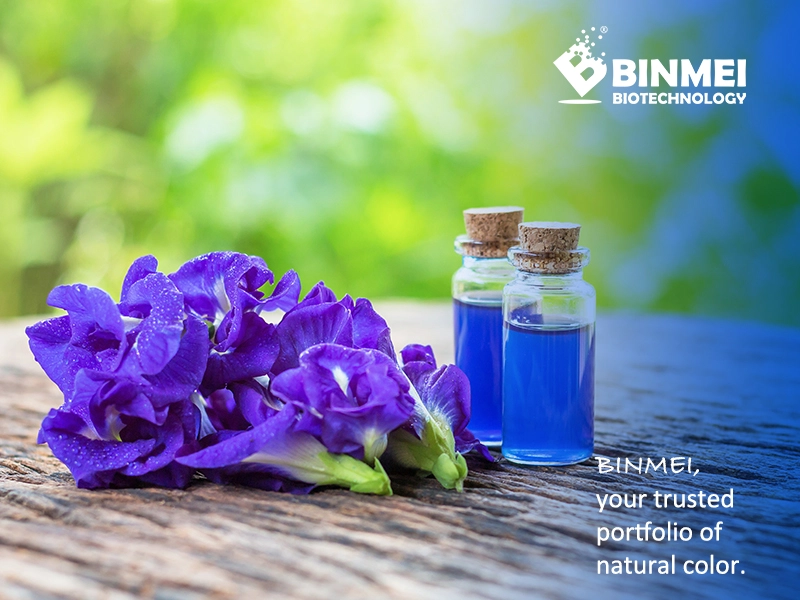
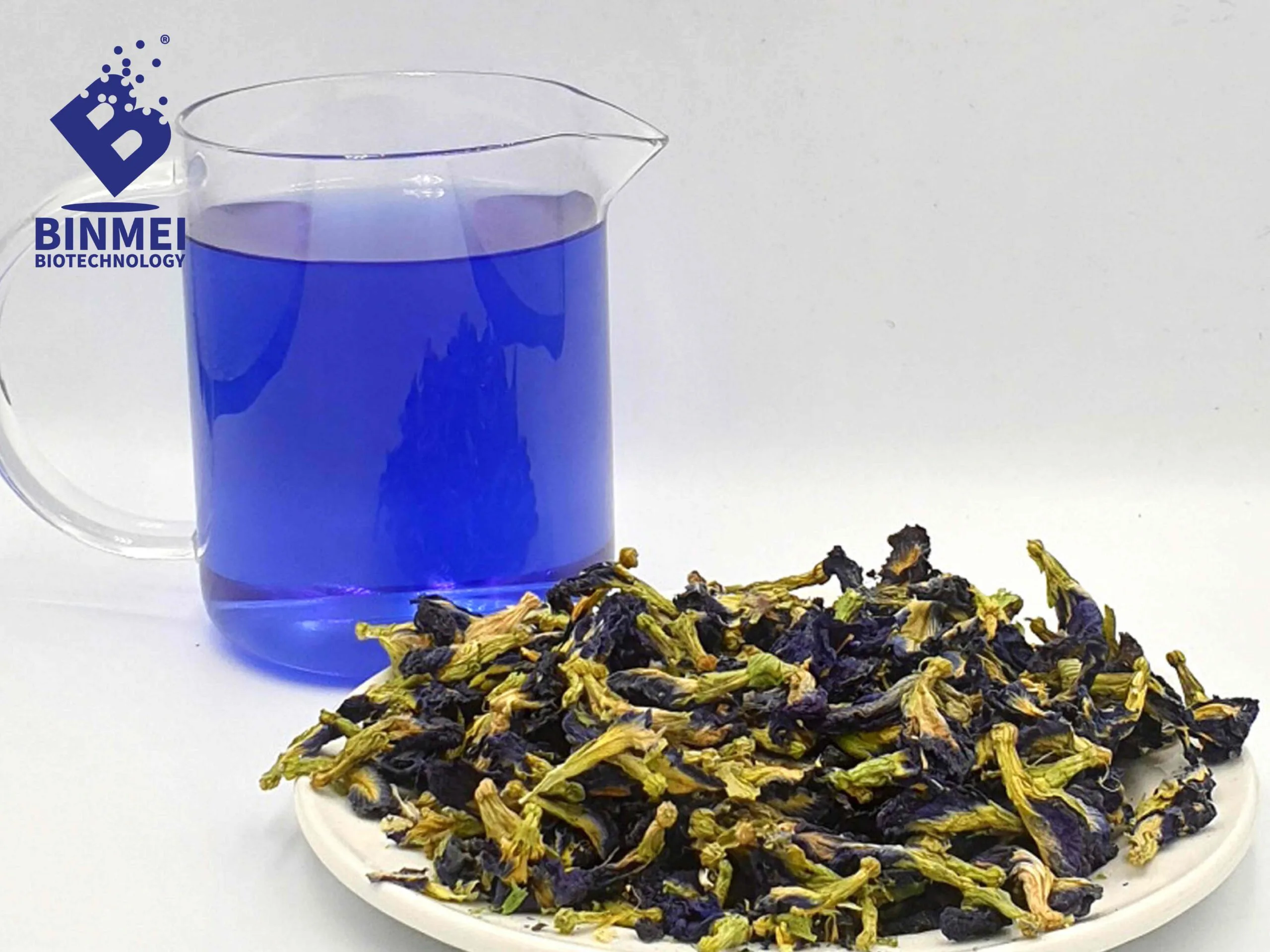
Some plant-based color directions are associated with flowers (such as safflower or hibiscus) and other botanical extracts. These sources can be especially relevant in selected red, purple, and specialty color pathways where unique source identity and delicate coloring power are part of the product’s premium value.
Algae and Related Botanical Routes
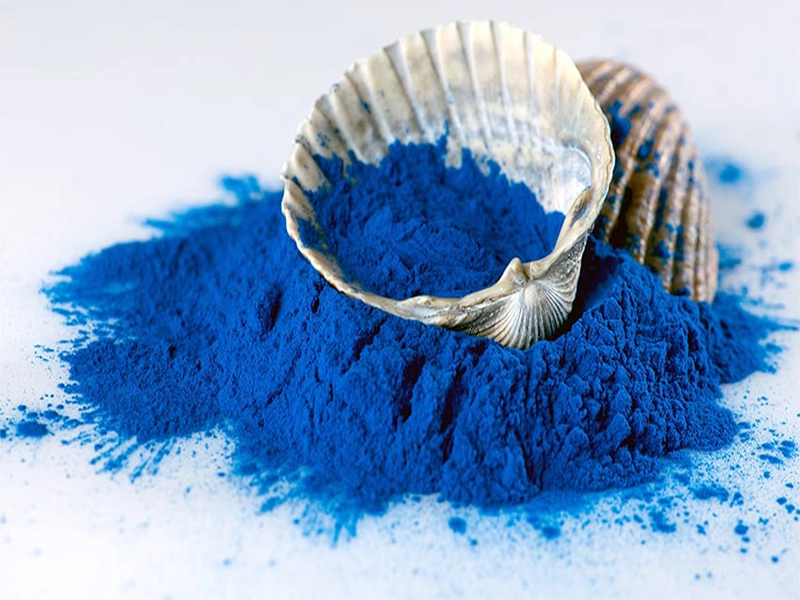
Blue and green natural color discussions almost always include algae-based (like Spirulina) or similar botanical routes. These are especially important because cooler tones usually require more focused source understanding in plant-based systems; they offer unparalleled brilliance but demand careful temperature management during processing.
Roots, Spices, and Other Botanical Materials
Yellow, orange, and selected warm color discussions often involve root- and spice-associated botanical materials, such as turmeric and paprika. Rich in carotenoids, these materials offer outstanding heat stability for baked goods and snacks. They also belong to the larger natural pigments from plants framework.
What matters most here is not memorizing every possible source. It is recognizing that plant-based food coloring is a multi-family system. Different formulation goals and environmental conditions (pH, heat) lead toward different plant source directions.
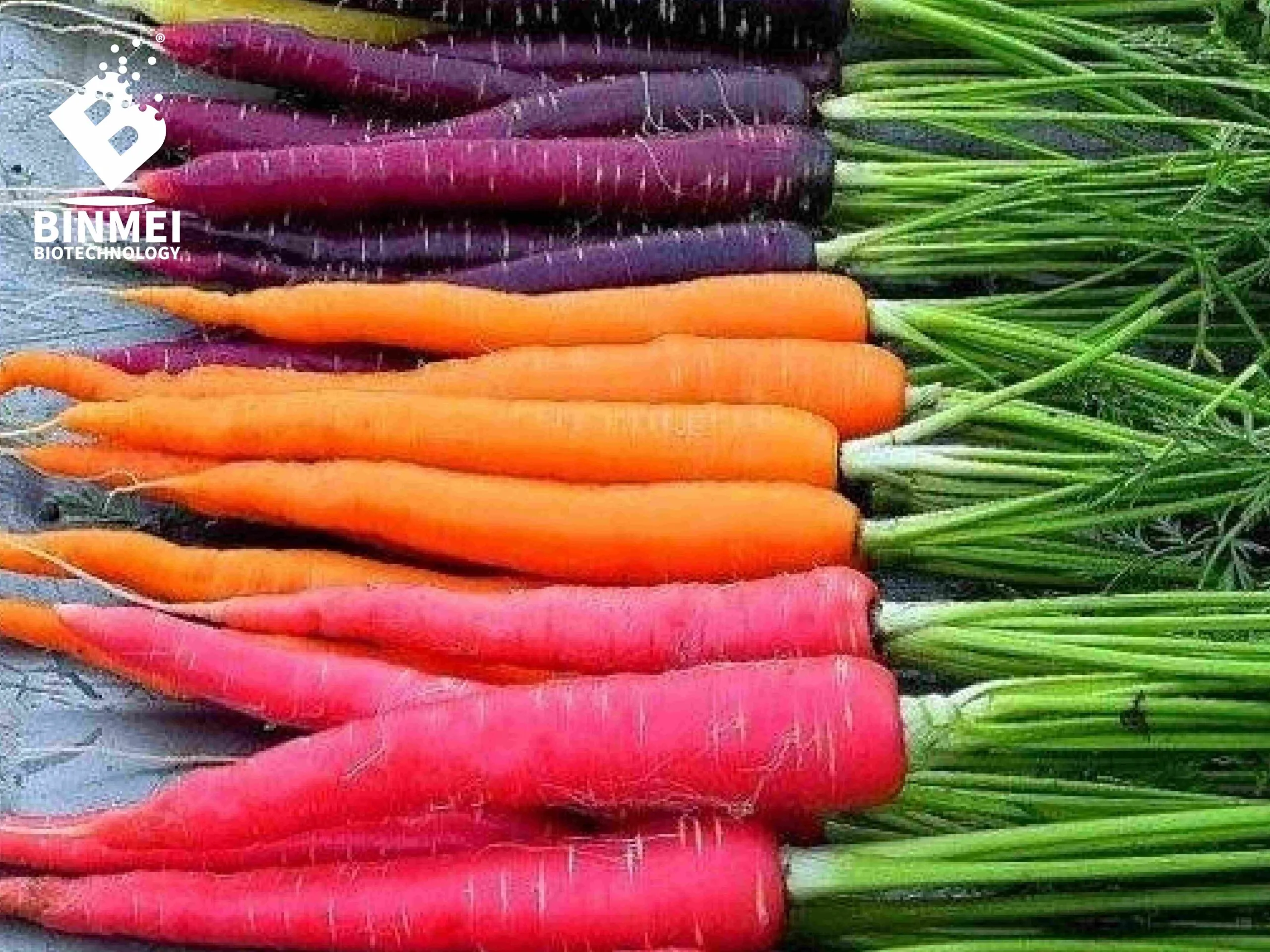
What Vegetable Concentrate for Color Means in Practice
The term vegetable concentrate for color is incredibly useful because it points to a highly regulated, real ingredient route within plant-based food coloring. It does not describe one universal chemical ingredient. Instead, it describes a group of color-relevant materials derived from vegetables (like beets, carrots, or pumpkins) and used in physically concentrated form to support visible shade in foods and beverages without chemical extraction.
This route is important because source language matters globally. In many regulatory frameworks (such as the EU’s guidelines on Coloring Foods), the way a color ingredient is described and processed can dictate whether it is labeled as an “additive” or a “food ingredient.” A vegetable concentrate for color can feel more naturally aligned with a plant-origin formulation, avoiding E-numbers and synthetic dye associations. That is one reason these concentrates appear so often in discussions of natural food color alternatives.
At the same time, vegetable concentrates are not all the same. Some (like beetroot) are highly sensitive to heat but stable across pH levels, while others (like black carrot) withstand heat but shift colors based on acidity. Some are discussed more often because the vegetable-origin story itself is commercially useful. So while the phrase sounds simple, it actually represents a broad and important category logic inside plant-based color systems.
Where Plant-Based Food Coloring Usually Wins Attention
Plant-based food coloring tends to gain the most interest when the source story of the ingredient matters alongside the final shade. That can happen in products built around fruit-forward, botanical, premium, organic, vegetable-linked, or more naturally positioned concepts. In these cases, color is not just visual. It is part of how the formulation’s integrity is interpreted.
This is why plant-based food coloring is often discussed in relation to brand and product direction. The appeal is not only that the ingredient comes from plants. The appeal is that the source route can feel more coherent with the rest of the product, creating a unified brand message.
| User Need | What They Are Really Looking For | How This Page Helps |
|---|---|---|
| Alternative to artificial dyes | A broader replacement framework that considers clean labels and product safety, not just a one-to-one shade swap. | Explains how plant-based color fundamentally changes the formulation and marketing decision logic. |
| Natural pigments from plants | A clear explanation of biological source families, their properties, and their relevance to specific food matrices. | Shows how fruits, vegetables, flowers, algae, and other botanicals fit the technical and commercial topic. |
| Vegetable concentrate for color | An explanation of vegetable-origin concentrates as a regulatory-friendly, label-transparent color route. | Clarifies why physically processed vegetable concentrates matter so much in modern plant-based color systems. |
Why Broad Plant-Based Color Interest Must Lead to Color Categories
A broad search is only the beginning. R&D teams and buyers may start with terms like natural pigments from plants or alternative to artificial dyes, but real ingredient evaluation usually becomes more useful—and scientifically actionable—when it moves into specific color families.
This is the point where many weak pages stop too early. They explain that natural alternatives exist, but they never help the user take the next step into application chemistry. A stronger authority page makes that transition clear. Once the broad difference between plant-based food coloring and artificial dyes is understood, the next question should be: considering my product’s pH and process, which color family is actually needed?
The answer could point toward blue, red, green, or yellow. Each of those directions brings its own source logic, botanical pathways, stability challenges, and ingredient discussions. That is why plant-based food coloring should be treated as the upper strategic framework, while color categories should be treated as the precise entry points to real R&D selection work.
How to Move from Broad Color Interest to Practical Selection
The most useful way to handle this topic is as a step-by-step narrowing process. Broad awareness becomes practical only when it leads toward the right color family and a stable source route tailored to your formulation.
| Stage | Main Question | Best Direction |
|---|---|---|
| Stage 1 | Do we want an alternative to artificial dyes? | Understand the profound difference between synthetic and plant-based color logic, including clean label goals. |
| Stage 2 | What does plant-based color actually include? | Review fruits, vegetables, flowers, algae, and recognize that each has different processing tolerances. |
| Stage 3 | Which color family matters most for my application? | Move into blue, red, green, or yellow category pages based on your product’s visual target. |
| Stage 4 | Which source route fits the product’s pH and heat process best? | Evaluate the relevant ingredient-level pages within the chosen category to ensure technical stability. |
This decision path is what turns the topic from general education into real commercial and technical usefulness. It also matches how expert formulators naturally move through the subject: broad idea first, structured color selection next, and stability validation final.
Exploring the Main Natural Color Families
Once the broad difference between plant-based food coloring and artificial dyes is clear, the next step is to explore the actual natural color families. That is where the discussion becomes more concrete, integrating factors like pH, heat, and solubility.
For a broader view of how natural color ingredients are organized across source logic, application thinking, and ingredient categories, the best next step is the natural food coloring ingredients guide. That page helps connect this broad plant-based discussion to the larger natural color system and global regulations.
Users exploring cooler botanical directions can continue to natural blue food coloring, where algae-based extracts and pH-specific blue category thinking become more specific.
Those moving toward fruit-linked or root-based directions can continue to natural red food coloring, where the source logic of anthocyanins and betalains is easier to compare.
For plant-forward green routes requiring unique processing consideration, natural green food coloring provides the next level of clarity.
For yellow and warm-toned plant-based directions using highly stable carotenoids, natural yellow food coloring offers a more focused pathway.
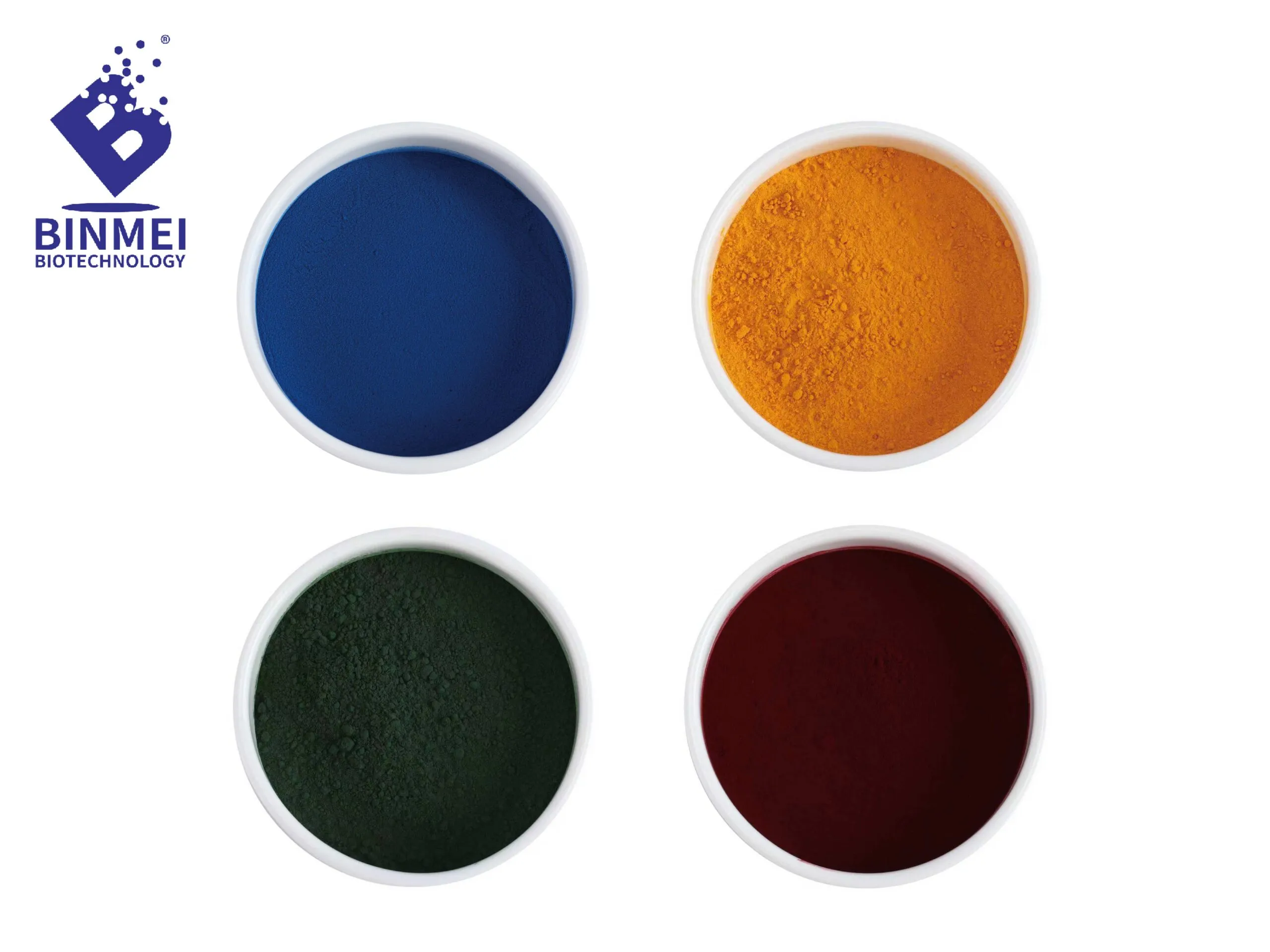
These category pages matter because they convert the broad idea of plant-based food coloring into actual decision structure. Instead of asking whether plant-based alternatives exist in general, users can begin identifying which natural color family is technically and commercially most relevant to the product.
Why This Topic Matters for Long-Term Natural Color Strategy
Plant-based food coloring is not just a broad awareness concept or a passing consumer trend. It is a long-term framework for how natural color decisions are organized in modern food science. Without that framework, teams often stay stuck at the surface level, repeatedly asking whether natural alternatives exist without ever progressing toward a clear, stable color route.
A better approach is to treat the topic in layers. Plant-based food coloring is the upper strategic framework. Natural pigments from plants represent the active biological principles. Vegetable concentrates are one highly advantageous commercial expression of that principle. Color categories are the bridge to specific selection paths. Ingredient pages are where practical product-level evaluation and lab testing begins.
When those layers are clear, the subject becomes much easier to use. The formulator no longer sees plant-based color as a vague or unpredictable idea. It becomes a structured, scientifically sound way to move from broad natural-color interest toward practical, market-ready color category decisions.
FAQ
What is plant-based food coloring?
Plant-based food coloring refers to color ingredients derived strictly from plant-origin materials—such as fruits, vegetables, flowers, algae, and other botanicals—that contribute visible, natural color to food and beverage products without utilizing animal or synthetic sources.
What is an alternative to artificial dyes in food coloring?
The most commercially viable alternative to artificial dyes is plant-based food coloring, which uses natural pigments from plants instead of petrochemical synthetic dye systems. The right route depends heavily on the targeted color family, the product’s pH level, and the processing temperature involved.
What are natural pigments from plants?
Natural pigments from plants are active color-bearing compounds (like anthocyanins or carotenoids) found in botanical ingredients such as fruits, vegetables, flowers, roots, and algae. These sources support a vibrant range of natural color directions in food products while offering clean-label appeal.
What does vegetable concentrate for color mean?
Vegetable concentrate for color usually refers to a vegetable-derived ingredient (like beetroot or black carrot) that has been physically concentrated to contribute visible color in food or beverage applications. It describes a highly favored, label-friendly plant-based color route rather than one single universal chemical ingredient.
Is plant-based food coloring the same as natural food coloring?
Plant-based food coloring is a major subset of the broader natural food coloring discussion. While “natural” can sometimes include minerals or animal-derived sources (like carmine from insects), “plant-based” focuses exclusively on plant-origin sources and how they function in formulation.
Why do brands compare plant-based food coloring vs artificial dyes?
Brands compare the two because shifting away from synthetic dyes affects source identity, product positioning, and consumer trust. The comparison helps development teams determine whether a plant-based route better fits the intended clean-label product direction, despite the differing technical behaviors.
What should I do after learning about plant-based food coloring?
The next step is usually to evaluate your product’s specific matrix (pH, heat) and move into a specific color family. Helpful next pages include natural blue food coloring, natural red food coloring, natural green food coloring, and natural yellow food coloring.
Where can I learn more about the overall natural color ingredient system?
A strong next step is the natural food coloring ingredients guide, which gives a wider framework for understanding how natural color categories, processing challenges, and botanical ingredient paths connect globally.