Aronia Berry Extract(Chokeberry): A Natural Solution for Color and Functional Performance
In modern food and beverage development, ingredients do more than just “work” — they shape how a product looks, performs, and is perceived by consumers. Color plays a critical role in first impressions, while functionality is becoming an increasingly important driver of purchasing decisions.
As the shift toward clean-label products continues, manufacturers are moving away from artificial additives and embracing naturally derived alternatives. This has accelerated the adoption of natural food colors, particularly those sourced from fruits, plants, and algae. Among these, anthocyanin-rich berries are gaining attention for their ability to deliver both vibrant color and added nutritional value.
One ingredient that stands out is aronia berry extract (chokeberry) — a powerful plant-based food dye that combines strong color intensity, functional benefits, and excellent formulation flexibility.
Aronia Berry vs Blueberry: What’s the Real Difference?
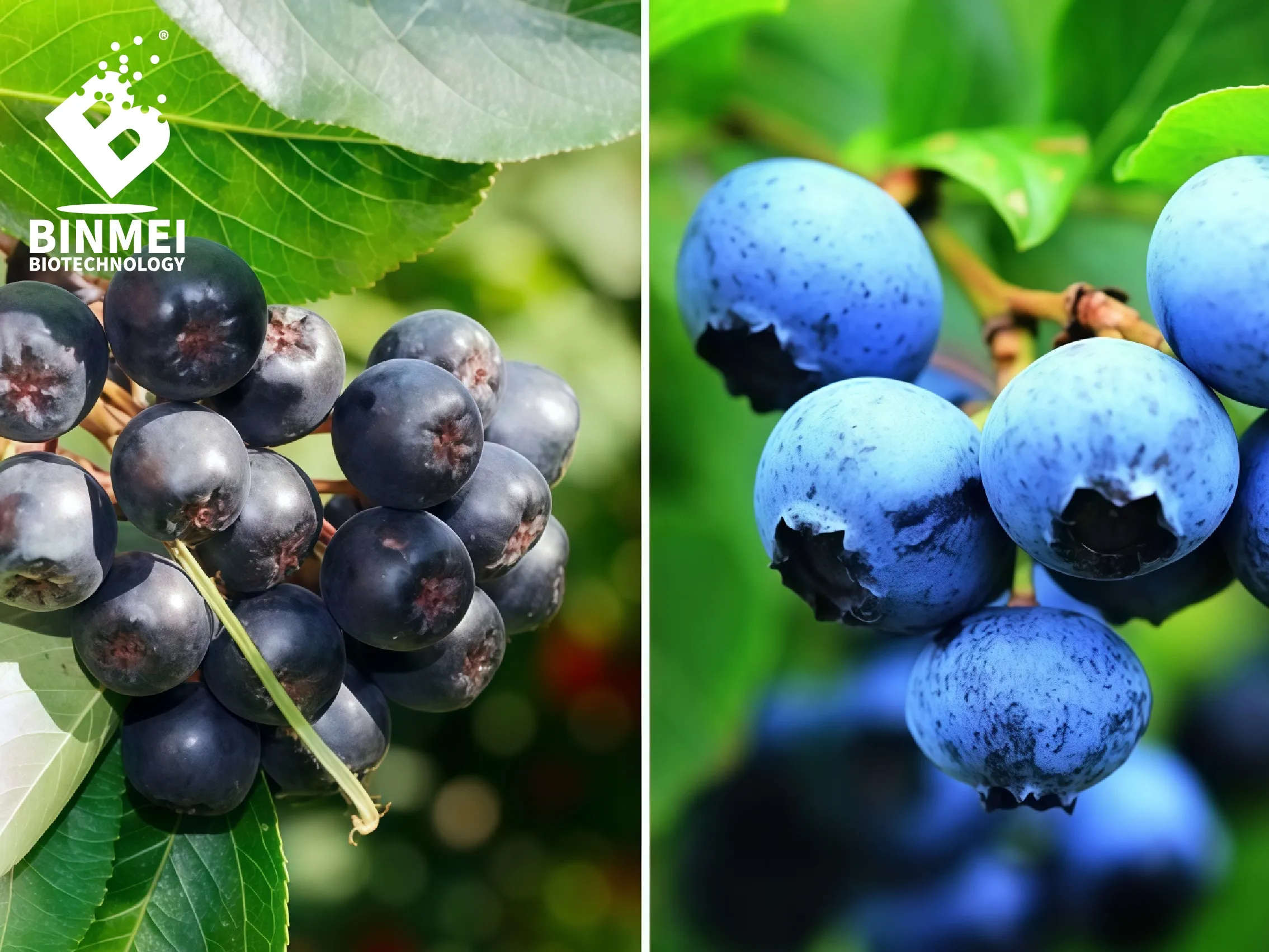
At first glance, aronia berries and blueberries appear quite similar and are often grouped together as “superfruits.” However, a closer comparison reveals important differences that significantly impact their application in food systems.
One of the most notable distinctions lies in anthocyanin content and composition. Aronia berries are recognized for their exceptionally high levels of anthocyanins.
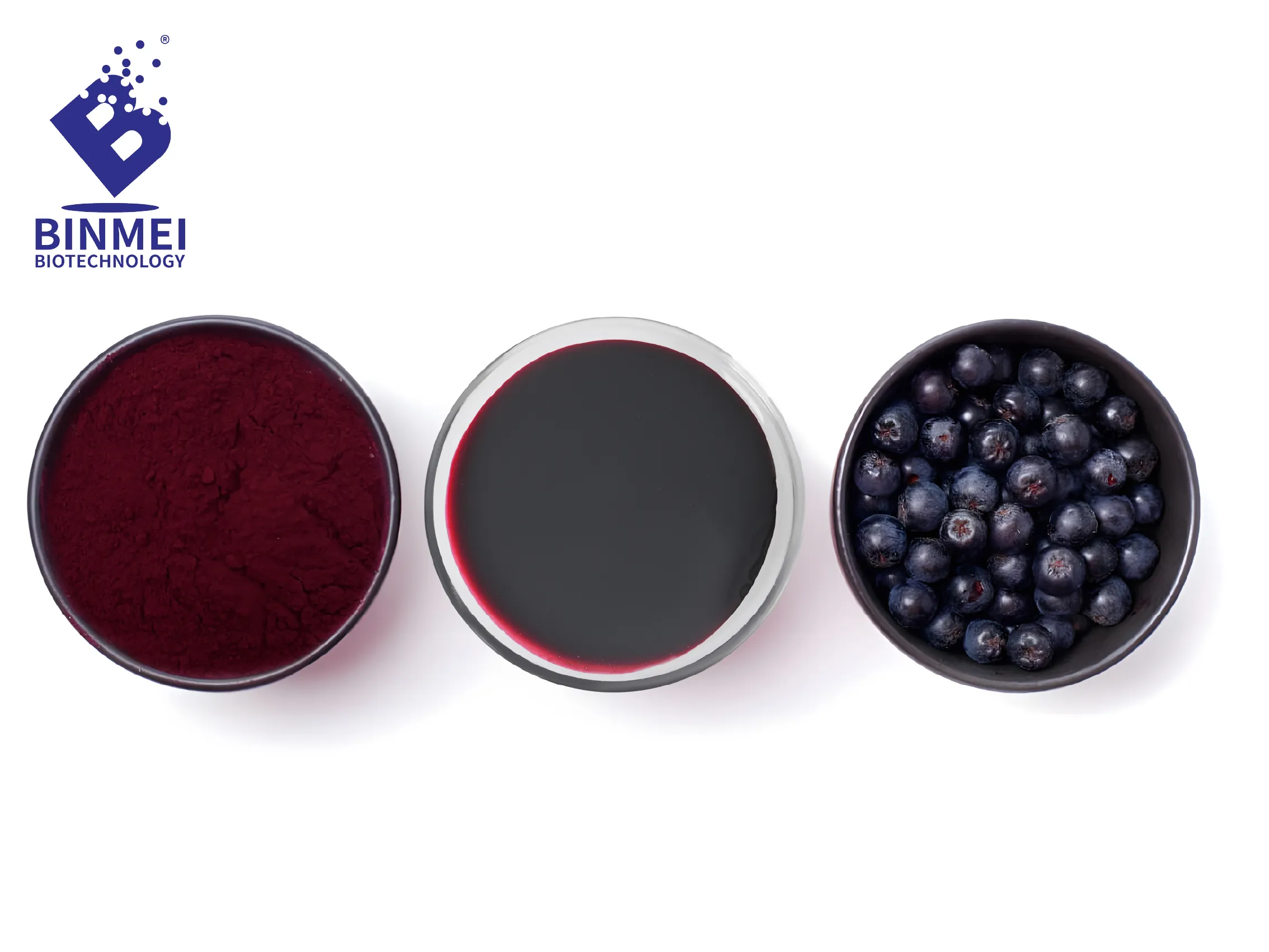
For example, BINMEI’s Aronia Berry Powder contains up to 2490 mg of anthocyanins per 100 g, based on third-party laboratory testing commissioned by BINMEI. This level is significantly higher than many comparable products on the market, resulting in a deeper, richer purple-red hue and improved coloring efficiency. As a result, manufacturers can achieve the desired color intensity at lower inclusion levels.
In addition to superior color performance, aronia berries also exhibit strong antioxidant capacity due to their high polyphenol content. This makes them particularly suitable for applications that aim to combine visual appeal with functional positioning.
While blueberries may seem to have stronger consumer recognition, aronia provides a more concentrated profile in both color and functionality—allowing brands to differentiate their products while enhancing both performance and perceived value.
BINMEI Aronia Berry Extract: Technology-Driven for Better Performance
At BINMEI, we focus on advanced processing and strict quality control to deliver Aronia berry extract with enhanced functionality and application performance.
- Clean, Water-Based Extraction: Our physical, water-based process avoids chemical solvents, supporting clean-label positioning while preserving natural anthocyanins and polyphenols.
- De-Astringency Technology: Aronia’s natural tannins can cause strong astringency. Our optimized process effectively reduces bitterness and improves taste, making the extract easier to use across beverages, gummies, and other applications.
- High Retention of Active Compounds: Carefully controlled processing helps retain key actives, delivering both vibrant natural color and functional value.
- Consistent Quality & Stability: Strict quality control ensures batch-to-batch consistency and stable performance, helping manufacturers maintain uniform color and product quality.
These technical advantages translate directly into strong real-world application performance, which enables reliable use across a wide range of food and beverage applications.
Application Examples
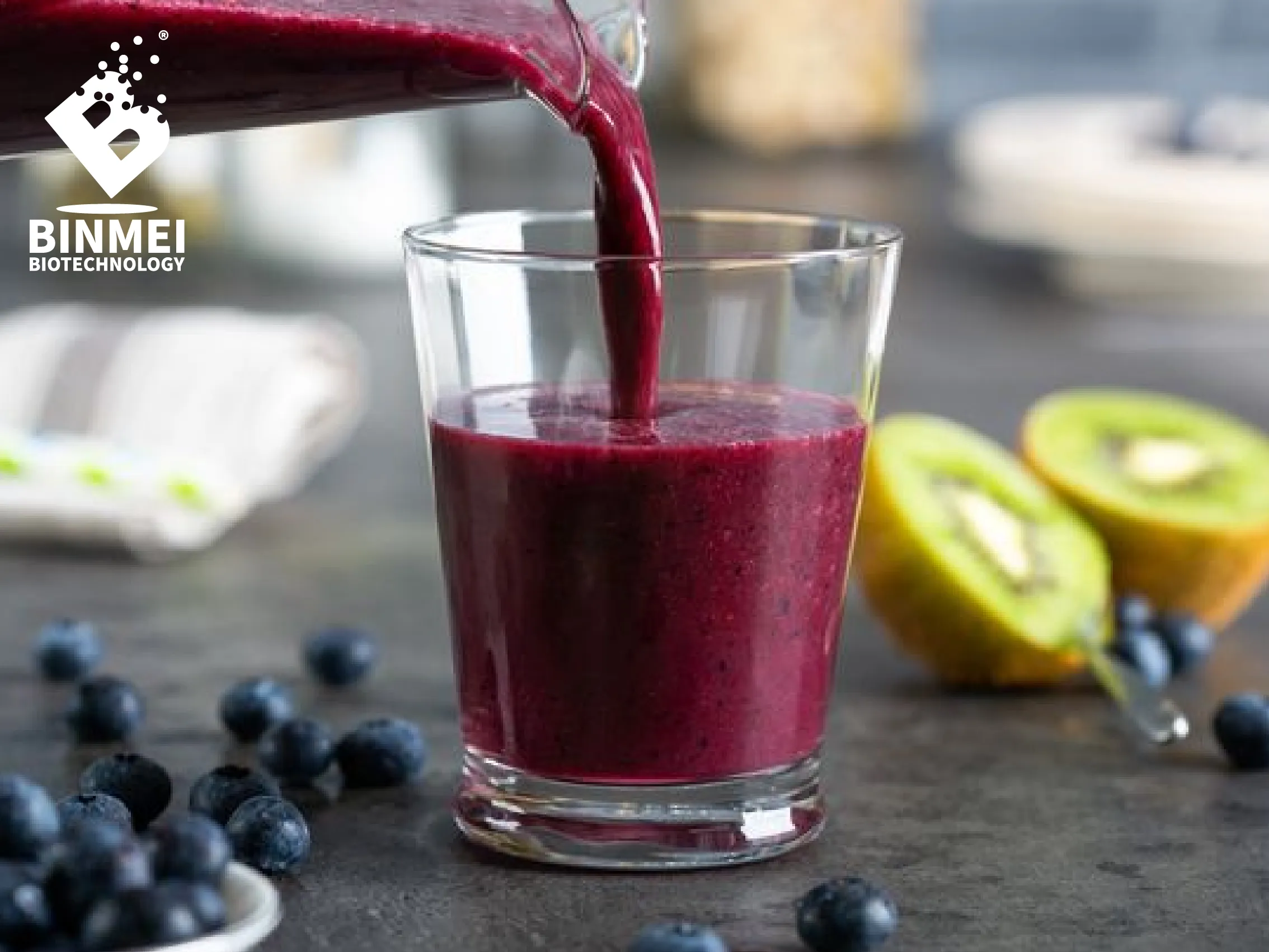
- Beverages (juices, functional drinks, RTD teas): Provides vivid, appealing color while supporting a natural, health-focused brand image
- Confectionery (gummies, jellies): Enhances visual appeal and reinforces a premium ingredient positioning
- Dairy, bakery & fillings: Serves as a natural alternative to synthetic colorants, delivering stable and consistent color with proper formulation
Flexible Formats for Diverse Applications
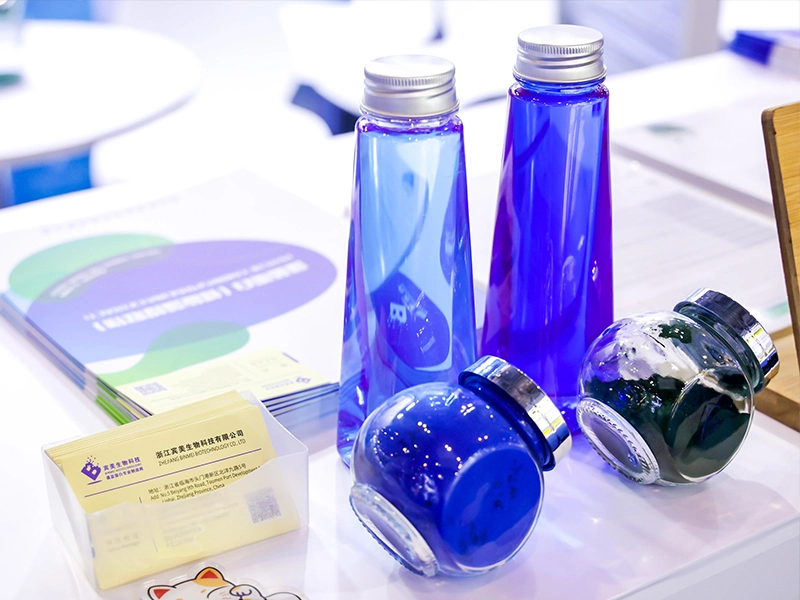
To meet various production and formulation needs, BINMEI offers Aronia Berry Extract in multiple formats:
- Powder form – ideal for dry mixes, dietary supplements, and bakery applications
- Liquid form – well-suited for beverage systems, offering easy dispersion and uniform color distribution
Customized solutions are also available to meet specific formulation requirements. All products comply with relevant regulatory standards, supporting efficient application across global markets.
Regulatory and Compliance Support
Regulatory requirements for natural colorants vary across regions. Aronia berry extract is generally considered a fruit-derived ingredient; however, its classification and permitted use may differ depending on local regulations.
For example, in the United States, aronia berry extract can typically be used as a colorant under the category of fruit or vegetable juice for color, in accordance with FDA regulation (21 CFR §73.250) [1].
In the European Union, its use may fall under the category of coloring foodstuffs, provided it meets the criteria for non-selective extraction and food-based origin [2].
BINMEI provides comprehensive regulatory support to facilitate smooth market entry, including detailed product specifications, certificates of analysis (COA), and technical documentation aligned with regional requirements.
For more information, 👉please visit it
Conclusion
As the food industry continues to move toward healthier, more natural, and transparent solutions, aronia berry extract (black chokeberry) is emerging as a compelling option—offering both vibrant color and functional value.
At BINMEI, our Aronia Berry Extract is developed using advanced processing technologies to ensure consistent quality, reliable stability, and versatile formats tailored to modern formulation needs.
In a landscape where both health positioning and visual appeal matter, aronia berry extract is more than just an ingredient—it represents an opportunity to develop differentiated, high-value products that stand out in the market.
As a supplier of natural food colors, BINMEI supports brands in translating ingredient potential into real product performance. For any questions or technical support, feel free to reach out to us.
References
[1] U.S. Food and Drug Administration (FDA), 21 CFR §73.250 – Fruit juice
[2] European Commission, Regulation (EC) No 1333/2008 on food additives