Phycocyanin is rapidly emerging as one of the most highly valued blue ingredients in both the natural color space and the nutraceutical industry. Extracted primarily from Arthrospira platensis (spirulina), it serves a dual purpose: acting as a vibrant, clean-label natural blue food coloring, and delivering well-documented health benefits in dietary supplements. However, because its functionality spans multiple industries, formulators and buyers often encounter the term without a clear understanding of its precise biochemical nature and how it behaves across different matrices.
This intersection of visual appeal and functional nutrition is why searches for phycocyanin benefits and phycocyanin supplement have surged. Formulators in the food and beverage sector want to understand how to achieve a stable botanical blue shade. Meanwhile, nutraceutical brands are investigating its potential as an active antioxidant compound.
To truly leverage phycocyanin, it must be understood as a complex, multifaceted botanical asset. A proper evaluation requires bridging three areas: understanding its molecular identity, recognizing the clinical and commercial benefits it offers, and knowing how to stabilize it within specific food and supplement applications without compromising its integrity.
What Is Phycocyanin?
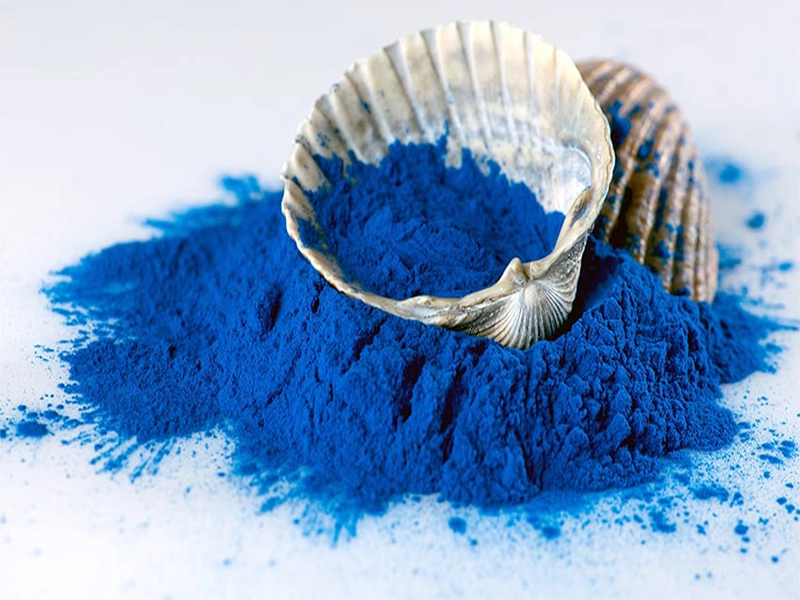
Phycocyanin is a naturally occurring, water-soluble pigment-protein complex from the light-harvesting phycobiliprotein family. Found abundantly in blue-green algae like spirulina, its primary biological role in nature is to capture light energy for photosynthesis. In practical industry terms, this specific protein is the active molecule responsible for the brilliant, fluorescent blue hues seen in blue spirulina ingredient systems.
Understanding its protein-based structure is critical for formulators. Because phycocyanin is a protein, it behaves differently than synthetic chemical dyes or plant-based anthocyanins. It is incredibly vibrant and stable at neutral pH levels, but it is susceptible to protein denaturation (fading or precipitation) if exposed to extreme heat or highly acidic environments.
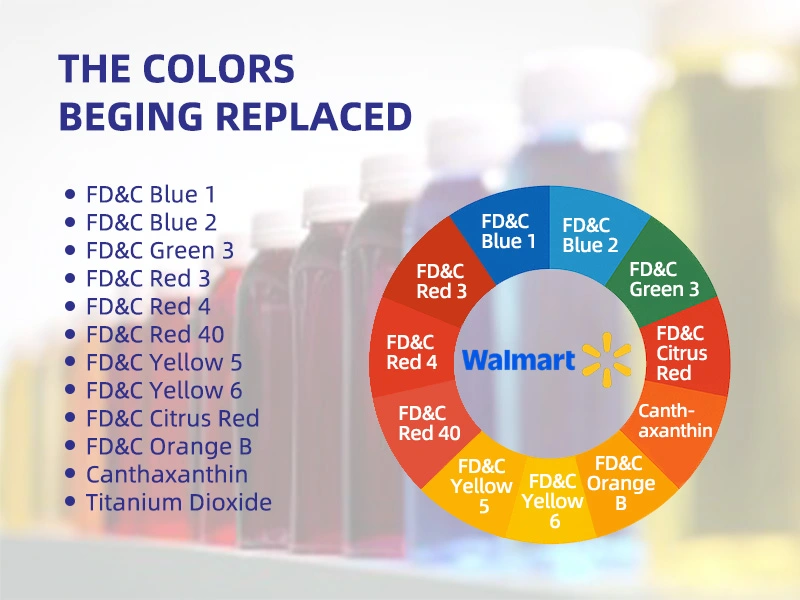
For brands prioritizing clean labels, phycocyanin sits at the perfect intersection of aesthetics and health. It allows manufacturers to replace artificial dyes like FD&C Blue No. 1 with a purely botanical source that consumers inherently trust.
Why Phycocyanin Attracts So Much Attention
The reason phycocyanin receives unprecedented attention is its rare status as a “bioactive colorant.” Unlike most food colors that offer zero nutritional value, phycocyanin brings a dual-value proposition. It provides an undeniably striking natural blue identity while simultaneously carrying a functional halo.
This explains why the keyword phycocyanin benefits spans multiple formulation intents. A food scientist seeks the benefit of a clean-label declaration and a visually stunning blue tone that doesn’t rely on petrochemicals. A nutraceutical product manager associates “benefits” with its high concentration of antioxidants and its role in premium health and wellness portfolios.
Successfully integrating phycocyanin means understanding these parallel tracks. The ingredient’s value proposition fundamentally shifts depending on whether it is being dosed for its visual color value (often measured in standard color values like E18) or for its therapeutic potential in a capsule.
How to Understand Phycocyanin Benefits
When exploring phycocyanin benefits, it is essential to move beyond generic “superfood” claims and look at the proven, functional advantages this protein complex brings to commercial products.
The core benefits cluster around three primary forms of value:
- Potent Antioxidant Properties: In supplement contexts, phycocyanin is celebrated for its ability to scavenge free radicals and combat oxidative stress, making it a highly sought-after active ingredient for cellular health formulations.
- Unrivaled Visual Brilliance: In food applications, its benefit lies in providing a true, primary blue shade—the most difficult color to achieve naturally—without the purple shifts often seen in anthocyanin-based colors.
- Clean Label Prestige: Its purely physical water-extraction process aligns perfectly with strict global regulatory standards, allowing for highly transparent, consumer-friendly ingredient declarations.
By understanding these concrete benefits, brands can confidently position their products—whether they are highlighting the functional wellness aspect in a dietary supplement or the vibrant visual appeal in a premium beverage.
Phycocyanin in Different Contexts
Because phycocyanin bridges the gap between colorant and active nutrient, evaluating it requires defining your specific product goal. Formulators must establish whether they are treating the ingredient as a visual tool, a wellness active, or a topical cosmetic component, as this dictates the required purity, dosage, and regulatory handling.
| Context | What Users Usually Mean | How Phycocyanin Is Interpreted | Best Next Step |
|---|---|---|---|
| Food coloring | Seeking a stable, natural blue hue for food matrices. | Utilized for its visual color value (e.g., E18); requires formulation around pH and heat. | Continue to natural blue food coloring for formulation strategies. |
| Ingredient/product | Sourcing specific raw materials for manufacturing. | Evaluated based on solubility, powder format, and standardized purity levels. | Move into specific spec evaluations like phycocyanin powder. |
| Supplement | Developing wellness capsules, gummies, or nutrition powders. | Viewed as a bioactive protein with measurable antioxidant properties. | Determine the required active dosage and regulatory claims for your region. |
| Skincare/cosmetic | Creating blue-tinted face masks or anti-aging serums. | Valued for topical anti-inflammatory effects and aesthetic presentation. | Consult specialized INCI-compliant cosmetic ingredient specs. |
This matrix is crucial for precise R&D execution. Approaching a supplement project with a food-color mindset might lead to incorrect dosing, while using highly purified supplement-grade phycocyanin merely for candy coloration could unnecessarily inflate formula costs.
Phycocyanin in Food Applications
When deployed purely for food applications, phycocyanin is the undisputed king of natural blues. However, because it is a protein, it requires a thoughtful formulation approach. To maintain its vibrant blue structure, formulators must be mindful of extreme temperatures and high-acid environments that could cause the protein to denature.
Despite these parameters, advanced food science has made phycocyanin successfully applicable across a wide spectrum of commercial food and beverage categories.
Beverages
In the beverage sector, phycocyanin creates striking, Instagram-worthy blue lattes, functional waters, and smoothies. For optimal stability, it is best utilized in cold-pressed juices, dry-mix beverage powders, or drinks with a pH above 4.5. If high-heat pasteurization (HTST) is required, the color should be dosed carefully or protected using advanced formulation techniques to prevent fading.
Confectionery
From blue gummy bears to hard candies, phycocyanin replaces artificial blues flawlessly. The key to success in confectionery is the timing of addition. To protect the pigment-protein complex, phycocyanin should be introduced during the cooling phase of the syrup (ideally below 60°C) rather than during the boiling process.
Dairy-Style and Frozen Applications
Dairy and frozen desserts are the ideal environments for phycocyanin. The neutral pH of milk and plant-based milks, combined with cold processing and frozen storage, creates a perfect matrix. It yields exceptionally stable, bright blue ice creams, yogurts, and milkshakes with zero risk of thermal degradation.
Specialty Food Applications
Phycocyanin is also heavily utilized in specialty foods like cake frostings, macarons, and protein bars. In these low-moisture or cold-processed applications, the ingredient provides both a premium visual identity and an appealing botanical narrative.
Formulators looking to master these technical application parameters should continue to natural blue food coloring, where stability challenges and solutions are explored in depth.
Why Phycocyanin Appears in Supplement Discussions
The keyword phycocyanin supplement is highly relevant because the nutraceutical industry has recognized that the same protein providing a brilliant blue color is also a potent bioactive compound. In this context, the visual color is secondary; the primary focus is cellular health.
Scientific literature frequently highlights phycocyanin as a powerful antioxidant. It works by scavenging free radicals, inhibiting inflammatory enzymes (like COX-2), and supporting overall immune function. Consequently, it is heavily featured in premium wellness capsules, detox powders, and joint-health supplements.
For buyers in the supplement space, purchasing criteria shift significantly. Instead of solely evaluating visual hue, buyers look for highly concentrated, purified formats (such as Phycocyanin E25 or E30) that deliver clinical efficacy. Understanding this distinction ensures that brands source the correct technical grade for their specific wellness claims.
Phycocyanin vs Blue Spirulina
One of the most common points of confusion for purchasing managers and R&D is the relationship between “phycocyanin” and “blue spirulina.” While often used interchangeably in marketing, they possess distinct technical and commercial nuances.
| Comparison Area | Phycocyanin | Blue Spirulina |
|---|---|---|
| Biochemical Definition | The specific, active pigment-protein complex extracted from the algae. | The commercial, broad-market name for the entire blue-colored water extract. |
| Application Focus | Often used in technical specs, nutraceutical formulations, and clinical contexts. | Often used in consumer-facing marketing, clean labels, and food/beverage branding. |
| Purity & Standardization | Graded precisely by color value/purity ratios (e.g., E18 food grade vs E30+ analytical/medical grade). | Typically standardized to a reliable E18 color value for consistent food manufacturing. |
| Ingredient Deck Phrasing | May appear as “Phycocyanin Extract” (more common in supplements). | Commonly declared as “Spirulina Extract (for color)” on global food labels. |
This distinction is vital for accurate sourcing. If you are developing a functional wellness product, seeking high-purity phycocyanin ensures clinical efficacy. If you are coloring a vegan yogurt, sourcing a high-quality organic blue spirulina powder fulfills both the visual and clean-label requirements beautifully.
How to Evaluate Phycocyanin for Food-Related Use
For R&D teams integrating phycocyanin into food matrices, the evaluation process must be highly systematic. Moving from concept to commercialization requires answering specific technical parameters to guarantee shelf-life stability.
A practical formulator’s review should start with these critical questions:
- What is the pH of the base matrix? (Phycocyanin thrives in neutral to slightly acidic environments, ideally pH 4.5 to 7.0).
- What are the thermal processing conditions? (Does the product undergo cold-fill, pasteurization, or baking? Phycocyanin performs best under 60°C).
- What is the regulatory goal? (Are you targeting Organic, Non-GMO, or specific Clean Label certifications?)
- Are there functional claims involved? (Will the product just rely on color, or will it claim antioxidant benefits requiring a specific dosage?)
By answering these questions, formulators can easily determine the exact specifications required, seamlessly moving from broad strategy into targeted ingredient procurement via pages like phycocyanin powder.
Where This Page Fits in the Natural Blue Cluster
Within BINMEI’s comprehensive natural blue portfolio, phycocyanin serves as the foundational active ingredient that powers our premium solutions. Understanding the science behind this protein complex is the first step to unlocking the full potential of botanical blues in your manufacturing process.
For food developers looking to navigate overarching application challenges (like light stability and blending), we recommend continuing to the natural blue food coloring guide. For procurement teams ready to evaluate specific product formats, specifications, and color values, please explore our phycocyanin powder or organic blue spirulina powder solutions.
Mastering phycocyanin bridges the gap between raw botanical potential and market-ready innovation, ensuring your product stands out both visually and nutritionally.
FAQ
What is phycocyanin?
Phycocyanin is a water-soluble, natural blue pigment-protein complex extracted from spirulina. It serves as both a vibrant natural food colorant and an active biological compound known for its antioxidant properties.
Why do people search for phycocyanin benefits?
Formulators and consumers alike search for phycocyanin benefits because it is a rare ingredient that provides both striking visual appeal (as a clean-label alternative to artificial blue dyes) and measurable health benefits (such as free-radical scavenging and anti-inflammatory support).
Is phycocyanin the same as blue spirulina?
Technically, phycocyanin is the specific active molecule extracted from the algae, while “blue spirulina” is the broader commercial and market-friendly term used to describe the final, water-extracted blue powder used in food formulation.
Why is phycocyanin used in food applications?
It is the premier choice for achieving true blue, green, and purple natural shades in food. It is widely used in ice creams, confectionery, and beverages because it aligns with clean-label trends and replaces petroleum-based synthetic dyes flawlessly.
Why does phycocyanin appear in supplement discussions?
Beyond its color, phycocyanin is a potent bioactive protein. In the nutraceutical space, it is formulated into capsules and powders specifically for its scientifically backed ability to combat oxidative stress and support cellular health.
What page should I read next after learning about phycocyanin?
To learn how to formulate with this pigment across different food matrices, visit natural blue food coloring. To evaluate technical specifications and purchase options, proceed to phycocyanin powder or organic blue spirulina powder.