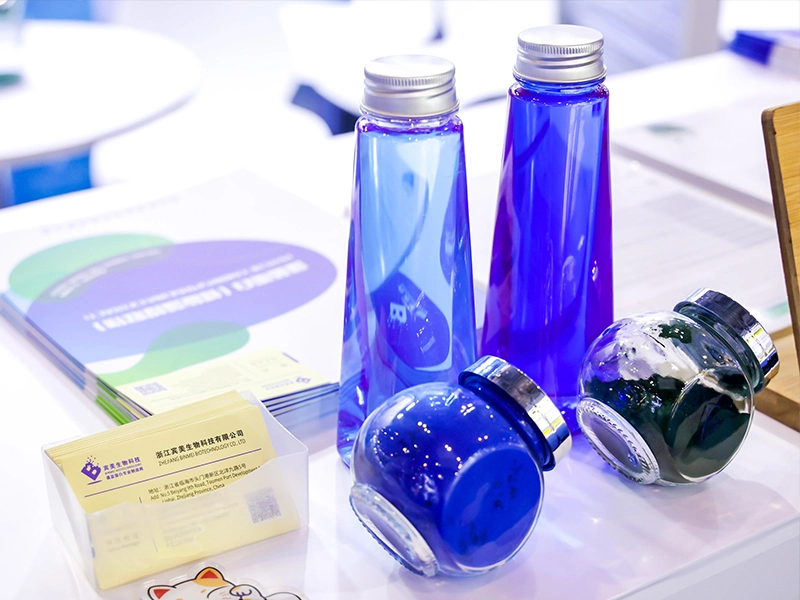
Natural food coloring has become a central topic in food and beverage development because color is no longer judged only by visual impact. It is now closely connected to ingredient transparency, product positioning, formulation logic, sourcing strategy, and the overall story a brand wants to tell. In many categories, buyers are no longer satisfied with asking how to create a color. They want to know which natural food coloring ingredients make sense for a specific product, why one source is preferred over another, and how color choice affects both product development and market perception.
That shift is exactly why broad educational pages matter. A product page can explain one ingredient. A category page can organize one color family. A comparison page can help users choose between two options. But none of those page types can fully answer the bigger questions around natural food dye ingredients, plant based food coloring, clean label food coloring ingredients, and the practical process of choosing the right source for a real food application.
This guide is built for that broader decision stage. It is designed for brands, product developers, ingredient buyers, manufacturers, and sourcing teams that need a complete framework rather than a narrow product introduction. The goal is to clarify what natural food coloring ingredients are, how they are grouped, how they differ by source and by color family, how they are chosen across beverage, confectionery, bakery, dairy, frozen desserts, and specialty foods, and how commercial teams evaluate suppliers once the technical direction becomes clear.
For teams already narrowing their focus to blue color systems, the next step after this guide is often a more specific review of natural blue food coloring options. For harder-to-source dark shades, broader category direction may continue through natural black food coloring. That is how a strong authority page should work: answer the broad topic clearly, then guide the visitor toward the right next decision.
Why Natural Food Coloring Ingredients Matter More Than Ever
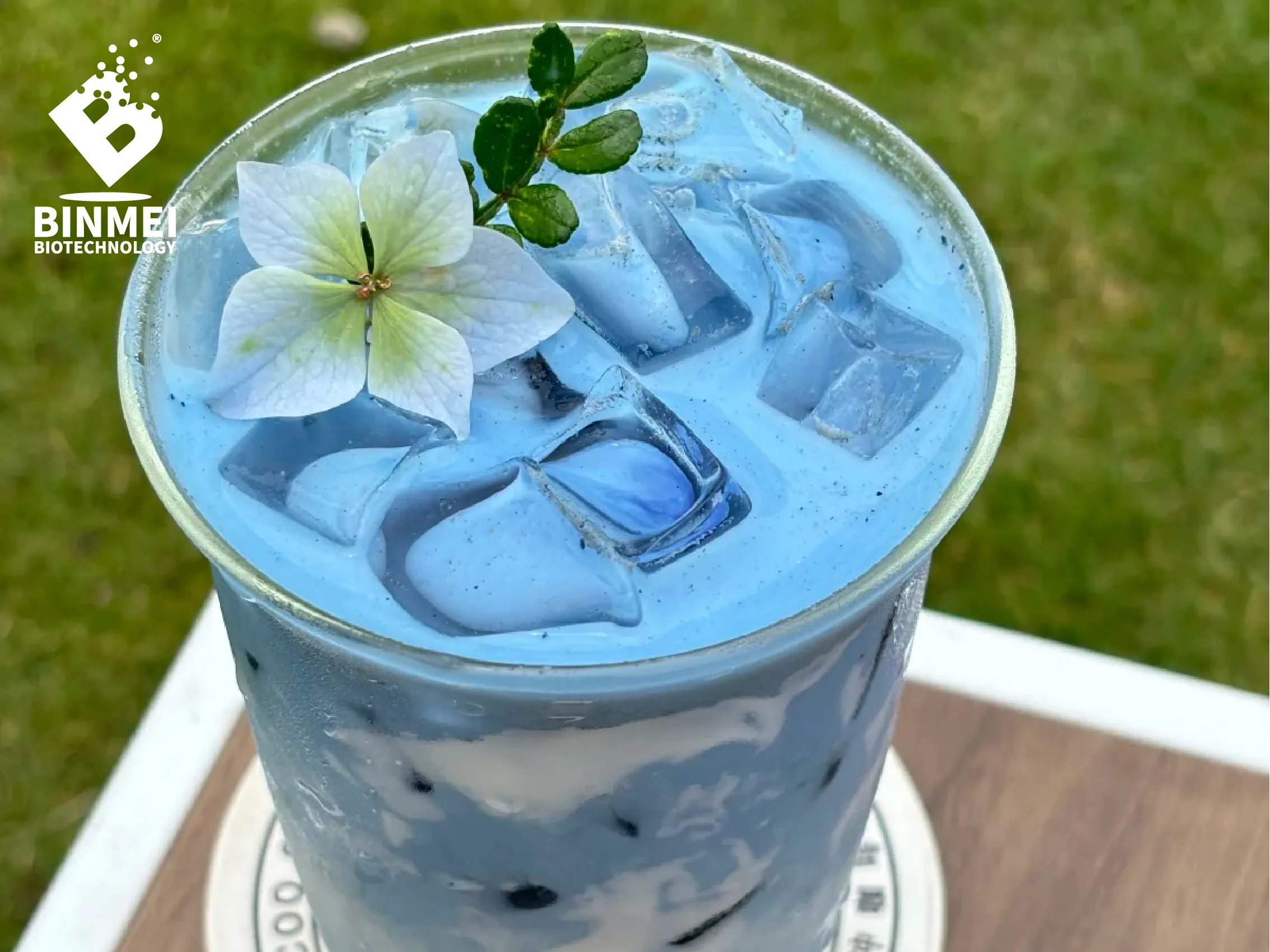
Food color has always been important, but the way brands think about color has changed. In the past, color selection was often treated as a practical formulation choice. Today, it also influences consumer trust, clean-label positioning, product photography, shelf impact, retailer perception, and the broader conversation around ingredient simplicity.
This matters because modern buyers increasingly evaluate a product as a whole system. They notice how a product looks, how the ingredient list reads, whether the color source feels aligned with the flavor story, and whether the final presentation supports a natural or premium identity. A beverage with a bright botanical color cue, a confectionery concept built around fruit inspiration, or a frozen dessert using vivid but naturally positioned shades all rely on color decisions that shape perception before the product is even tasted.
That is why natural ingredients for food coloring matter in a wider commercial sense. The right color ingredient can reinforce brand positioning, help a product feel more contemporary, and create alignment between appearance and ingredient story. The wrong choice can make a product feel visually off-balance, commercially inconsistent, or disconnected from the label message the brand is trying to communicate.
Natural food coloring ingredients also matter because not every category has equally easy natural solutions. Yellow and orange may feel relatively straightforward compared with blue or black. Fruit-inspired red and purple shades may be more intuitive than certain specialty tones. This uneven landscape means brands need real guidance, not just lists of ingredients.
What Is Natural Food Coloring?
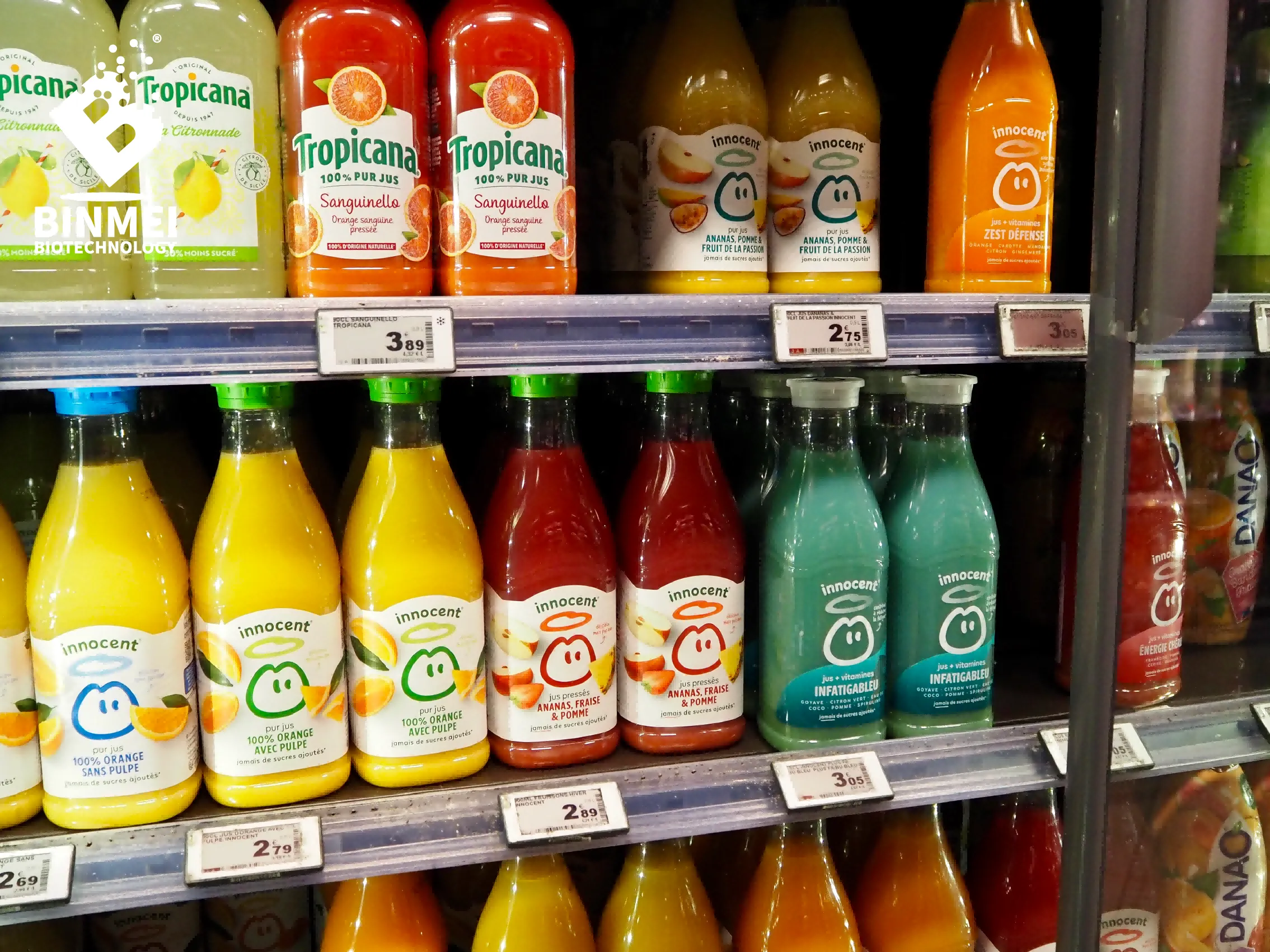
In practical food and beverage use, natural food coloring refers to color ingredients derived from natural sources and used to create or adjust the appearance of a final product. Those sources can include fruits, vegetables, flowers, algae, spices, seeds, and other naturally derived materials, depending on the target color direction and the intended application.
Search behavior around this topic often uses several overlapping phrases:
- natural food coloring
- natural food dye
- natural food coloring ingredients
- natural food dye ingredients
- natural ingredients for food coloring
These phrases are often used interchangeably by buyers, but they do not always represent exactly the same decision stage. Some users want a broad definition. Some want example sources. Some want a safe or clean-label alternative to artificial dyes. Some want a practical buying route for a specific application. A complete authority page needs to serve all of those intents in one structured framework.
In commercial reality, natural food coloring is not judged only by whether the source is natural. It is judged by whether the source can achieve the required shade, support the product concept, fit the application, work within the chosen format, and align with the labeling goals of the brand. That is why a real ingredients guide must go beyond simple definitions and move into source logic, category logic, selection logic, and supplier logic.
What Counts as a Natural Food Coloring Ingredient?
A natural food coloring ingredient is a naturally derived source used for color expression in a food or beverage product. The ingredient may be provided as a powder, liquid, extract, concentrate, or other commercial format depending on how it is intended to be used. The key point is not only where the ingredient comes from, but how it is expected to perform in the product development process.
In practical sourcing discussions, buyers usually evaluate natural color ingredients through five connected questions:
- What is the source? Fruit, vegetable, flower, algae, spice, seed, or another natural route.
- What shade direction does it support? Blue, red, yellow, green, black, purple, brown, or a more nuanced tone within those families.
- Which applications does it fit? Beverage, confectionery, bakery, dairy, frozen dessert, snack, or specialty foods.
- What format is most practical? Powder, liquid, concentrate, or another format relevant to the workflow.
- What label or market story does it support? Natural, plant-based, clean-label, botanical, fruit-derived, or a more specialized positioning.
This is why the term natural food dye ingredients should not be reduced to a short ingredient list. It is a category-level concept that combines visual, technical, and commercial reasoning.
The Main Source Families of Natural Food Coloring Ingredients
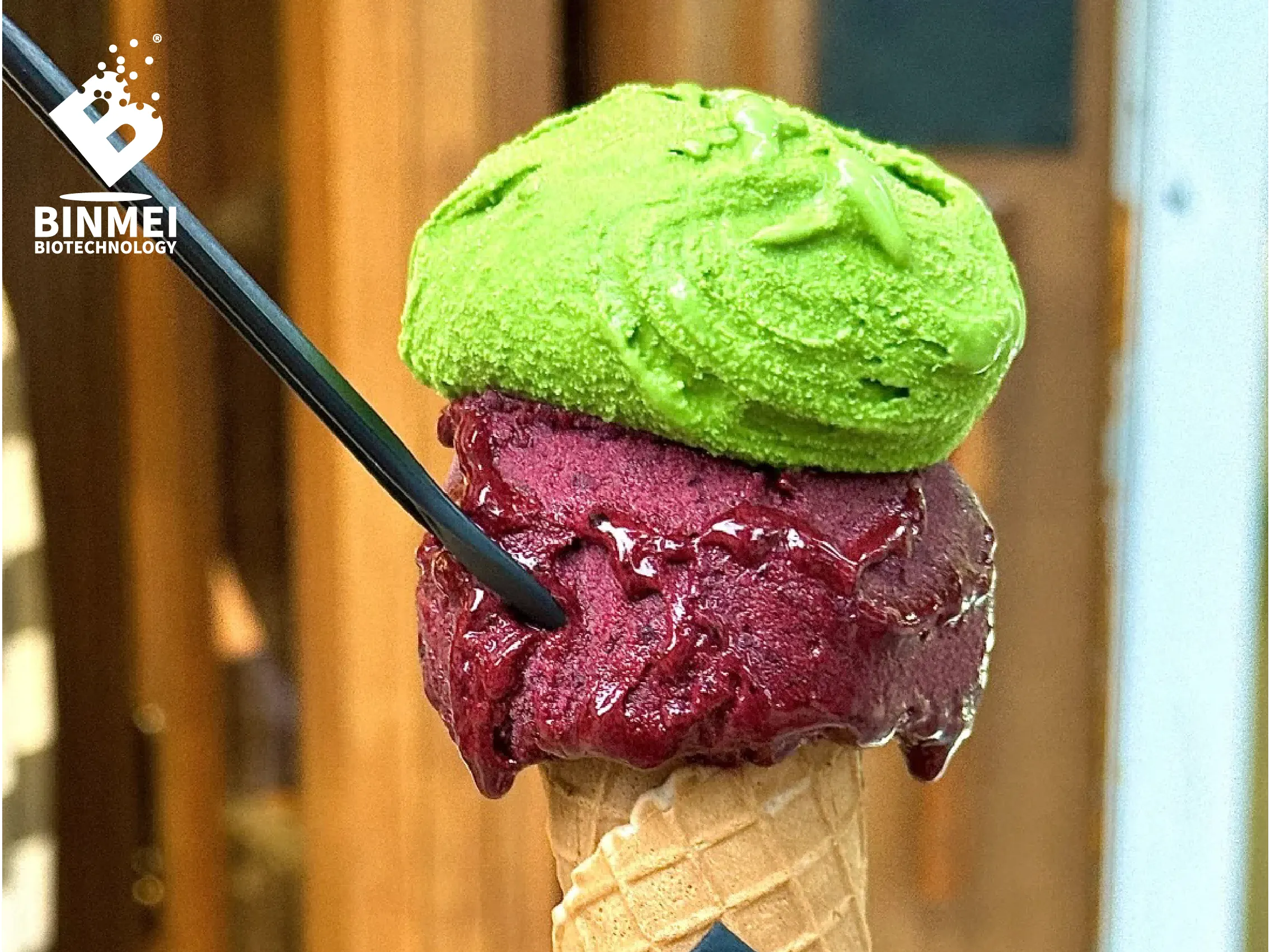
One of the clearest ways to understand natural coloring is to start with source families. Source-based organization helps buyers think more strategically because it connects ingredient origin to label perception, product story, and practical selection.
Fruit-Derived Coloring Ingredients
Fruit-derived ingredients are commonly associated with red, pink, purple, and dark berry visual directions. They are often considered in products where the color story and the flavor story already overlap, such as berry-inspired beverages, fruit confections, dairy products, fillings, and frozen desserts.
Fruit-origin sources can be attractive because they often feel intuitive to both product teams and end buyers. When a product already carries a fruit identity, a fruit-related color source may feel more natural in the wider storytelling of the product. This does not automatically make every fruit source the best option, but it does make fruit-derived routes highly relevant in many color decisions.
Fruit-derived colors are especially useful when brands want visually rich tones that feel expressive rather than artificial. The closer the source logic matches the product concept, the stronger the overall impression tends to be.
Vegetable-Derived Coloring Ingredients
Vegetable-derived ingredients are widely used across natural color systems and may support red, yellow, orange, green, or purple directions depending on the source. For many brands, vegetables provide a familiar and easily communicable ingredient narrative. They can feel grounded, recognizable, and compatible with a broad range of clean-label strategies.
Vegetable-derived routes are especially relevant when buyers are looking for practical natural color solutions that do not depend on highly niche positioning. These ingredients can sit comfortably in mainstream product categories while still supporting a more transparent ingredient story.
Flower and Botanical Coloring Ingredients
Flower-based and botanical sources play an important role in modern natural color systems because they often support a more premium, refined, or craft-oriented visual identity. These ingredients are especially interesting in products where differentiation matters and where source narrative adds value beyond basic color function.
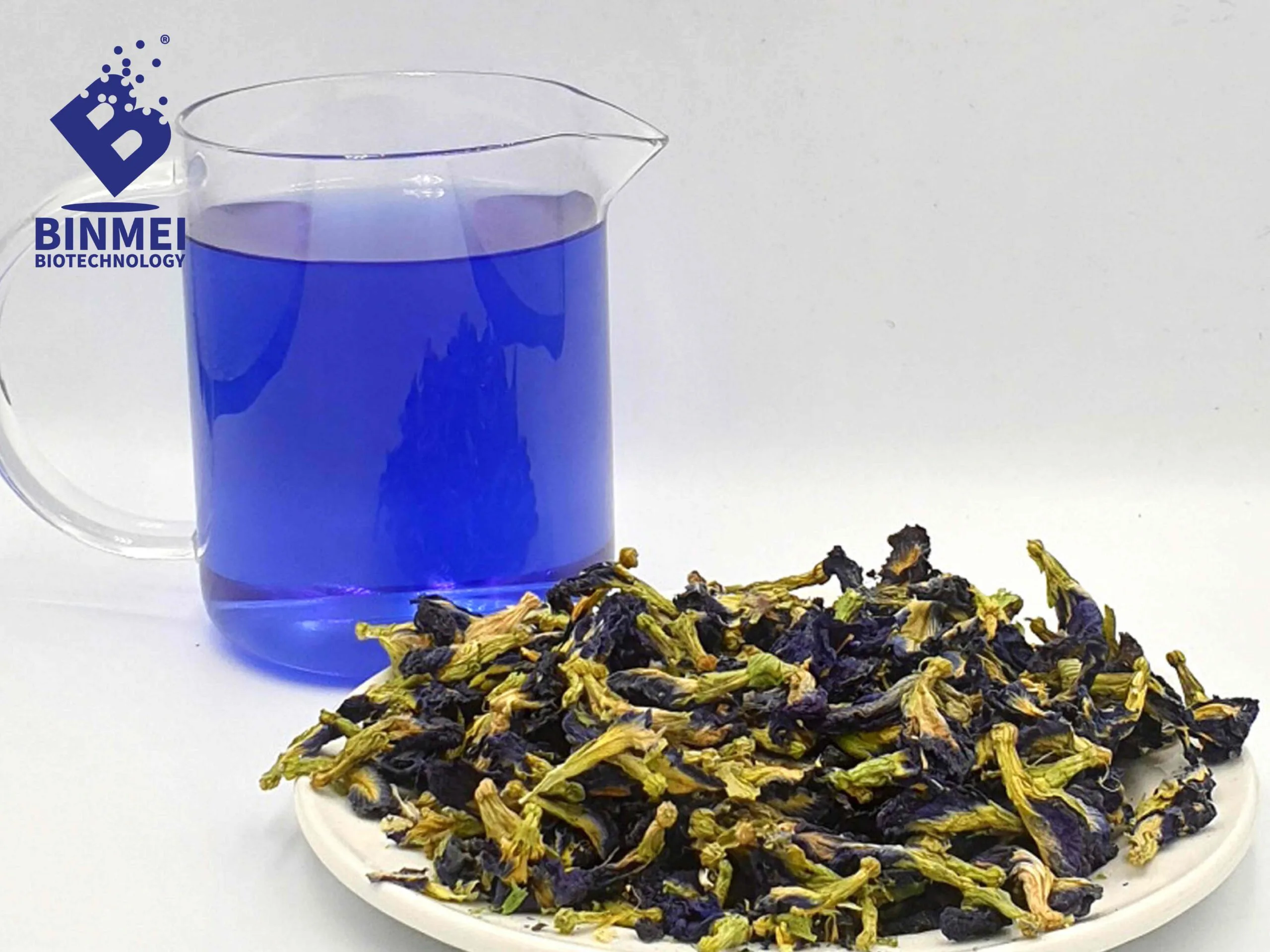
Botanical and flower-based ingredients may also offer more distinct visual signatures in certain color families, especially when brands want something softer, more elegant, or more obviously connected to botanical storytelling. For teams comparing blue directions, one product-level path may involve reviewing butterfly pea flower extract alongside algae-based alternatives, depending on the final shade and application goals.
Algae-Derived Coloring Ingredients
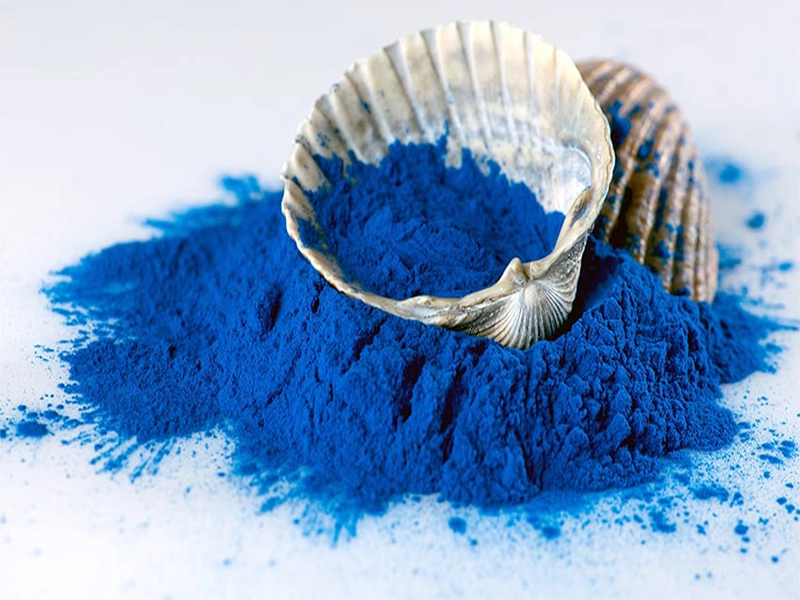
Algae-derived ingredients have become particularly important in natural blue and green discussions. Blue remains one of the hardest natural color families to solve in a commercially meaningful way, so algae-based ingredients are often reviewed closely when brands need a modern, vivid, and more naturally positioned blue direction.
Spirulina-related color routes are among the best-known options in this space. When the decision process moves from broad category research into product-specific review, buyers often continue into pages such as organic blue spirulina powder to evaluate how a specific source fits the intended color strategy.
Spice- and Seed-Derived Coloring Ingredients
Spices and seeds are often associated with warm color families, especially yellow, golden, orange, and earthy directions. These source routes can be particularly relevant in savory foods, bakery, snacks, and certain beverage or dairy concepts where the visual tone is expected to feel warm, rich, or naturally grounded.
In these cases, the source is not only a color choice. It also contributes to how the ingredient list feels and whether the final product appears aligned with an authentic or naturally inspired positioning.
Specialty Natural Sources
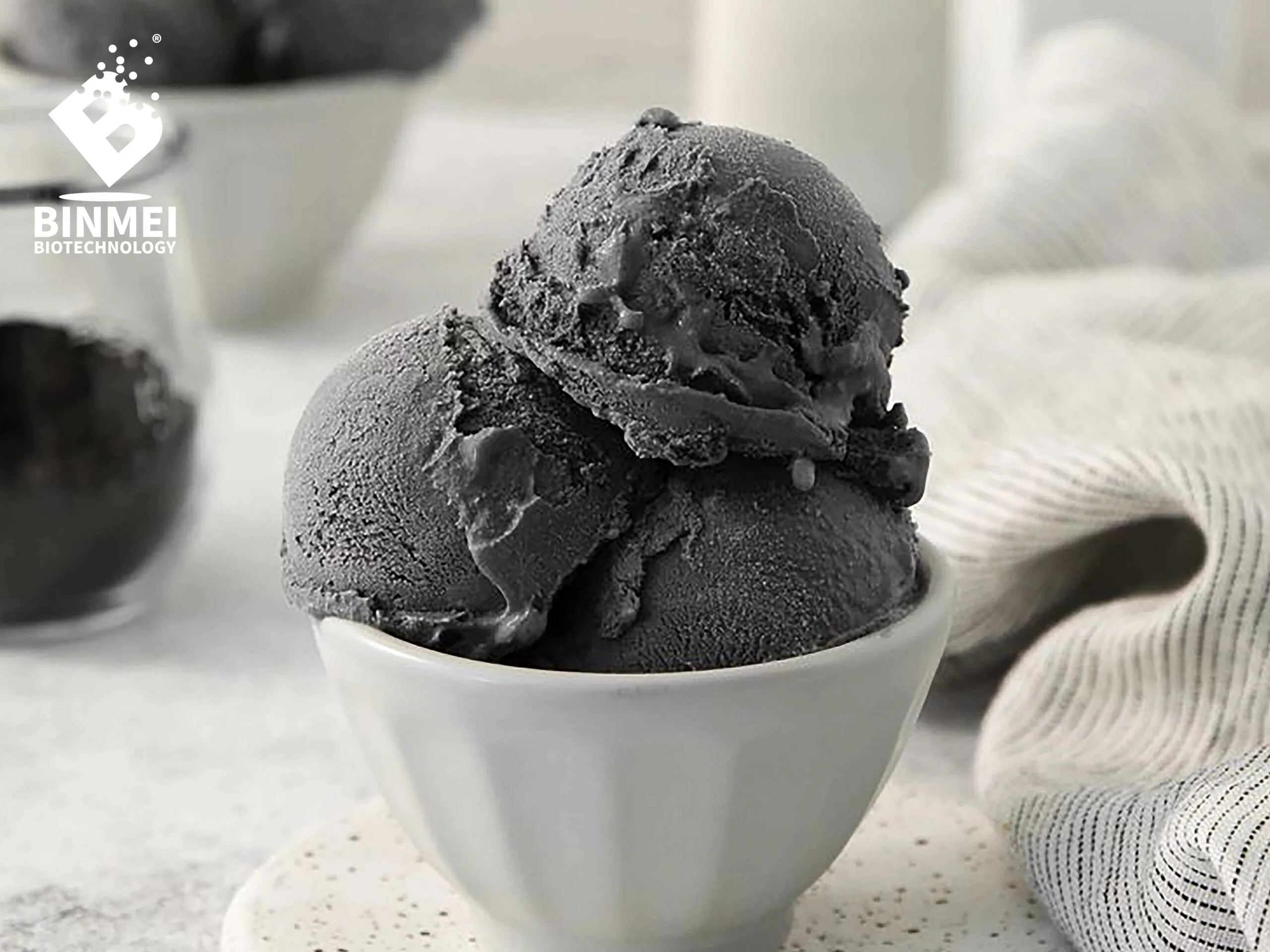
Some natural color families do not have a wide range of easy options. Black is a strong example. Natural black food coloring is a more selective category, so specialty natural sources often become part of the evaluation process. In these cases, practicality may matter as much as ideology.
That is why dark-tone sourcing often follows a different logic from red or yellow sourcing. The question is not just what is natural, but what is commercially usable, visually convincing, and appropriate for the target product. For deeper exploration of this category, buyers often move from the broad guide into natural black food coloring or a source-specific page such as cuttlefish ink extract.
Natural Food Coloring Ingredients by Color Family
Source family explains where color ingredients come from. Color-family organization explains how buyers usually approach product development. In real projects, many teams start with the final visual target and then work backward toward the most suitable source.
Blue Natural Food Coloring Ingredients
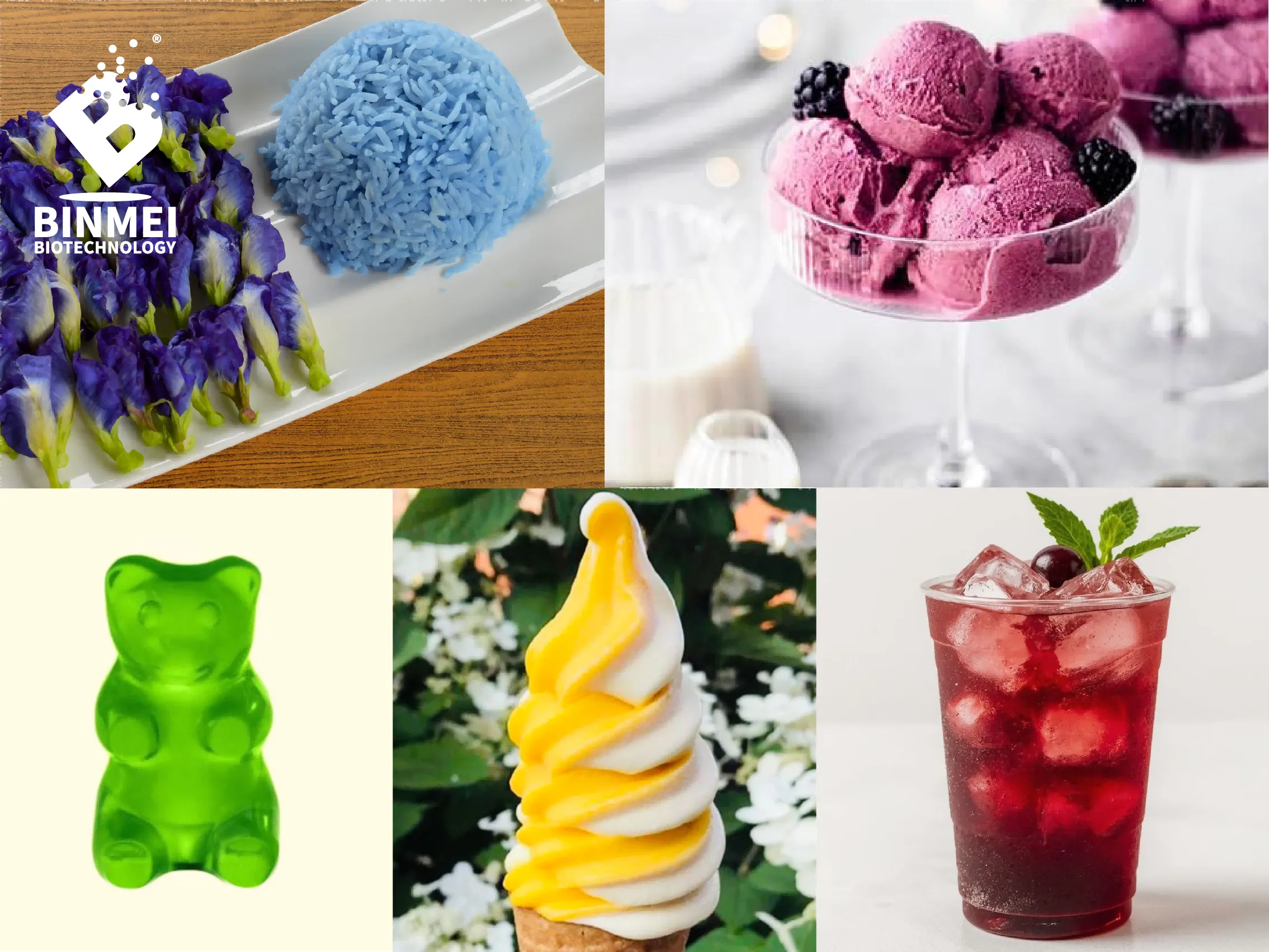
Blue is one of the most strategically important natural color categories because it is visually distinctive and relatively difficult to replace with credible natural routes. This makes blue highly relevant in beverages, confectionery, frozen desserts, novelty products, dairy concepts, and any product where visual differentiation matters.
Blue selection is rarely simple. Teams often compare hue direction, source type, intensity, product positioning, and whether a more vivid or more botanical-looking blue is appropriate. Broad category exploration frequently continues through natural blue food coloring, where the conversation can shift from general education into blue-specific solution mapping.
Red and Pink Natural Food Coloring Ingredients
Red and pink shades are among the most commercially important color families because they connect naturally to fruit, berry, floral, confectionery, and dairy concepts. These shades often feel intuitive in products where the flavor and visual story already point in a red or pink direction.
Even within this family, brands still need to choose between different tonal effects. Some products require a brighter and more energetic look. Others need a softer, more premium, or more naturally muted appearance. This is why red-color sourcing is not solved by a single ingredient label alone.
Yellow and Orange Natural Food Coloring Ingredients
Yellow and orange categories often feel more accessible because there are several familiar natural-source pathways available. These shades are highly relevant across beverages, snacks, confectionery, bakery, dairy, and savory systems. The decision usually depends on whether the brand wants a fresh yellow, a warm orange, a golden tone, or a softer naturally rounded shade.
Green Natural Food Coloring Ingredients
Green is commonly associated with botanical freshness, plant-based identity, matcha-style visual cues, vegetable positioning, and specialty drink or dessert concepts. In many cases, green is evaluated separately from blue even when the underlying source families overlap. The intended product story, not just the color name, determines which direction makes sense.
Purple, Brown, and Black Natural Food Coloring Ingredients
Purple, brown, and black often sit closer to niche or higher-impact visual strategies. Purple may support berry or botanical richness. Brown may help communicate warmth, roast, cocoa, or earthy depth. Black may be used in gourmet, novelty, dramatic, or contrast-led product concepts.
These darker or more selective categories often require stronger decision logic because the natural-source pool can be narrower and the commercial tolerance for visual inconsistency may be lower.
How to Choose the Right Natural Food Coloring Ingredient
Most natural color decisions fail when teams begin with a vague request such as “we need a natural red” or “we want a clean-label blue.” Those starting points are too broad. A stronger decision process uses a layered framework that moves from visual target into technical and commercial fit.
1. Define the Exact Color Outcome
The first question is not just which color family is needed. It is what exact visual effect the product needs to create. A bright blue, a botanical blue, a soft berry-red, a premium floral pink, a golden yellow, or a deep natural black each require a different sourcing conversation.
Broad color labels are useful only at the beginning. Stronger selection begins when the final visual target becomes more specific.
2. Match the Ingredient to the Product Type
Natural color selection must follow application logic. A concept developed for ready-to-drink beverages is not evaluated the same way as a jelly candy, a cake decoration, an ice cream swirl, or a savory specialty product. The application creates its own expectations for visual impact, category fit, and source relevance.
Teams that already know their application direction often move into a more targeted review of beverage applications, confectionery applications, bakery applications, or ice cream applications once the broader ingredient framework is understood.
3. Decide Whether Powder or Liquid Is More Practical
Ingredient format changes the decision process. Powder and liquid routes may support different handling preferences, process flows, formulation habits, and product-development routines. In some cases, the source is the main issue. In others, the format becomes just as important.
A serious ingredients guide therefore needs to treat format as a strategic variable, not a technical footnote.
4. Consider the Product Story and Flavor Direction
Natural colors do not operate in isolation from the rest of the product. Some products benefit from a strong connection between color source and flavor identity. Others need a more neutral color route that supports a visual goal without becoming part of the storytelling. The best choice depends on how closely the ingredient source should align with the product concept.
5. Review Labeling and Positioning Goals
A brand focused on plant-based positioning may evaluate natural color ingredients differently from a brand focused on premium botanical storytelling, broad clean-label appeal, or replacing artificial dyes. The same color family may be approached in several different ways depending on the brand’s messaging priorities.
6. Evaluate Commercial Support Early
Once a color direction looks promising, supplier quality becomes part of the selection process. Buyers usually want more than a list of ingredients. They need clear communication, useful documentation, practical support, and confidence that the supplier understands natural color as a category rather than as a collection of disconnected products.
A Working Selection Framework for Product Teams
| Decision Area | Main Question | Why It Matters |
|---|---|---|
| Color Goal | What exact shade or visual mood is required? | Natural color decisions become clearer when the target outcome is specific. |
| Source Family | Should the ingredient be fruit-, vegetable-, flower-, algae-, or spice-derived? | Source affects label perception and product storytelling. |
| Application | Will the ingredient be used in beverage, confectionery, bakery, dairy, or specialty foods? | Application fit shapes the practical selection route. |
| Format | Is powder or liquid more suitable for the development workflow? | Format influences handling, development habits, and internal use. |
| Positioning | Is the priority natural replacement, plant-based identity, clean-label value, or a botanical story? | Not every natural source supports the same market message. |
| Supplier Quality | Can the supplier provide clarity, technical communication, and consistent project support? | Commercial execution matters as much as broad category knowledge. |
Best Natural Food Coloring Ingredients for Different Applications
Application-based selection is where many broad questions become practical. Once a team understands the main ingredient families and color categories, the next step is usually to ask which natural coloring routes make the most sense in the actual product type being developed.
Natural Food Coloring for Beverages
Beverage categories rely heavily on immediate visual cues. A drink is seen before it is tasted, so color becomes part of the promise the product makes. Natural colors in beverages therefore need to support not only appearance, but also category identity, refreshment cues, premium cues, or botanical cues depending on the concept.
Blue beverages, berry-red drinks, botanical pink concepts, citrus-inspired yellows, and premium dark-toned specialty drinks all create different sourcing conversations. That is why beverage teams often continue their research through beverage applications after identifying the broader source family that fits the brand direction.
Natural Food Coloring for Confectionery
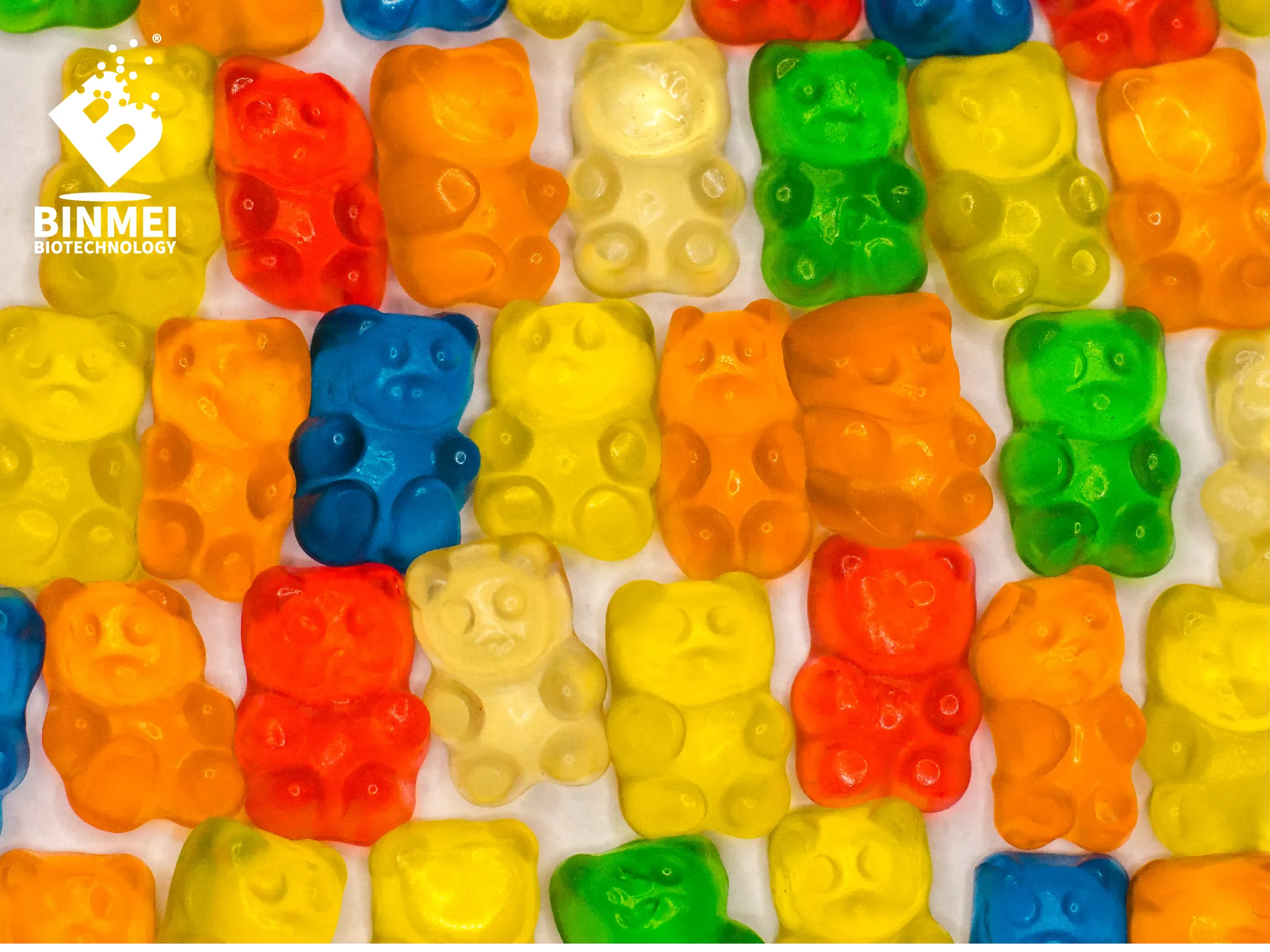
Confectionery is one of the most color-sensitive product categories because visual excitement, novelty, and contrast often play a major role in purchase appeal. Gummies, hard candies, jellies, coatings, fillings, and decorative sweets may all rely on color as a primary commercial signal.
In confectionery, the right natural ingredient is often the one that supports both strong identity and the intended style of the product. Some concepts need vivid tones that feel playful and modern. Others need softer premium shades. Broader confectionery routing can continue into confectionery applications once the color family has been narrowed.
Natural Food Coloring for Bakery
Bakery products use color in ways that are often subtle but commercially important. Cakes, pastries, fillings, frostings, decorative toppings, dough concepts, and seasonal launches all use color to help establish mood and product identity. In bakery, the best natural coloring ingredient is often the one that feels visually right for the style of the product rather than the one that appears most intense in isolation.
Teams building out this category can move into bakery applications when they need a more detailed view of how ingredient direction connects to bakery use cases.
Natural Food Coloring for Dairy and Ice Cream
Dairy and frozen desserts are highly visual categories where color often supports indulgence, playfulness, fruit identity, novelty, or premium positioning. Blue, pink, yellow, purple, and botanical shades can all matter depending on the concept. Because these products are often photographed and merchandised visually, color choice can significantly shape their market appeal.
For category-specific expansion, product teams often continue into ice cream applications once they have a clearer understanding of which natural color route best suits the desired product story.
Natural Food Coloring for Specialty and Gourmet Products
Specialty products often use color more selectively and more strategically. A gourmet black pasta concept, a premium botanical dessert, a dramatic dark beverage, or a niche artisanal snack may all require a color ingredient that supports distinctiveness rather than mass-market familiarity. In these cases, the right natural source is often the one that reinforces the uniqueness of the concept while still fitting the broader commercial requirements of the project.
Natural vs. Artificial Food Coloring: A Practical Comparison
One of the most frequent questions in this category is how natural food coloring compares with artificial food coloring. This comparison is central to many search queries because it reflects how brands are thinking about label language, product modernization, and ingredient strategy.
Artificial colors are often associated with long-established usage patterns, consistency expectations, and familiar formulation habits in certain product categories. Natural food coloring ingredients, by contrast, are usually explored when a brand wants a more transparent ingredient story, a move away from synthetic-sounding color systems, or a more contemporary clean-label direction.
In real development work, the natural-versus-artificial decision is not a simple moral choice. It is a practical product-strategy question. Teams compare visual goals, labeling expectations, product identity, target market, and sourcing priorities. That is why a serious guide should explain the difference without reducing it to slogans.
| Comparison Area | Natural Food Coloring | Artificial Food Coloring |
|---|---|---|
| Source Perception | Often chosen for a more naturally derived ingredient story | Often chosen for established synthetic-color routes |
| Brand Positioning | Frequently supports clean-label or natural product narratives | May fit products where label story is less central than formula convention |
| Selection Logic | Often evaluated through source, story, application, and label fit | Often evaluated through long-standing category practice and expected performance |
| User Research Behavior | Commonly tied to searches around ingredients, safety perception, and alternatives | Commonly tied to replacement discussions or traditional color usage patterns |
Plant-Based, Non-Toxic, and Clean-Label Considerations
Many users do not begin by searching for a specific ingredient. They begin with a language framework such as plant based food coloring, non toxic food coloring, safe natural food coloring, or clean label food coloring ingredients. These search terms reveal what the user cares about, but they do not always use technical language precisely.
Plant-Based Does Not Always Mean the Same as Natural
A large share of natural food coloring ingredients are plant-derived, but not every natural route fits a plant-based claim or plant-origin positioning. This distinction matters because brands sometimes assume that “natural” automatically solves “plant-based.” It does not. Plant-based has its own logic, and ingredient choice needs to reflect that intentionally.
Non-Toxic Is a Search Behavior, Not a Complete Selection Standard
“Non-toxic” is a common consumer search phrase, but in commercial ingredient evaluation, product teams need a more structured decision process. They usually review ingredient source, intended use, labeling suitability, formulation logic, and market-specific regulatory expectations rather than relying on one simplified phrase.
In other words, this type of search often signals a desire for reassurance and simplicity. The appropriate response is not vague marketing language, but a clearer explanation of how natural ingredient choices are evaluated in practice.
Clean Label Is About Perception, Simplicity, and Fit
Clean label means different things to different brands and markets, but in general it is connected to ingredient recognizability, label readability, and a simpler product story. Natural food coloring ingredients often enter the conversation because brands want their color strategy to feel more aligned with the overall direction of the product.
The key point is that clean-label success is rarely achieved by swapping one ingredient in isolation. It is created when the color source, flavor story, product identity, and label language all move in the same direction.
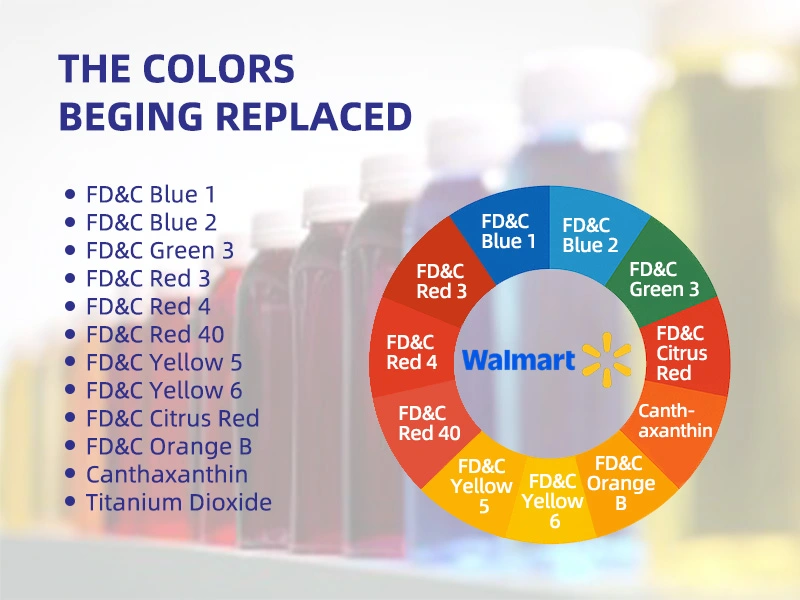
How Brands Replace Artificial Dyes With Natural Food Coloring Ingredients
Many ingredient searches are driven by replacement intent. The user may not be asking “what is natural food coloring” in a purely educational sense. The real question may be, “how do we move away from artificial dyes without losing the visual identity of the product?”
That replacement journey usually follows a sequence:
- Define which artificial-color-driven visual effect needs to be replaced.
- Identify the closest natural source families that can support the target direction.
- Evaluate which color family pages or source pages are most relevant.
- Compare the result through application logic rather than through color name alone.
- Review supplier capability once the likely natural route becomes clear.
This sequence matters because natural replacement is rarely one-to-one. It is usually a controlled re-selection process. That is why broad guides like this are necessary in the first place.
How Manufacturers, Brands, and Ingredient Buyers Evaluate Suppliers
Once the broader color route is selected, the conversation naturally moves toward supplier evaluation. This is where many general articles become too vague. A strong authority page should acknowledge that choosing food coloring ingredient suppliers is part of the real decision process.
In practice, manufacturers and brands often evaluate suppliers through a combination of category understanding, communication quality, technical clarity, and commercial readiness. They are not just buying a color. They are choosing a source partner for part of their product-development workflow.
What Buyers Commonly Want to See
- clear understanding of natural color categories rather than generic catalog language
- helpful explanation of which ingredient families suit which applications
- useful documentation and organized technical communication
- responsiveness during evaluation and sampling stages
- evidence that the supplier understands both product and market logic
A supplier page can support that trust-building process, but the first step usually happens on educational pages like this one. Once the visitor understands that the company has a structured view of ingredients, applications, and selection logic, they are more likely to continue into supporting company pages such as About Us.
How a Strong Natural Food Coloring Website Should Guide the User
A true pillar page should not operate as a dead-end glossary. It should function as a central educational hub that pushes the visitor toward the right next step. The user journey usually develops in one of three directions:
- Color-first path: the visitor wants to move into a blue, black, red, or other color family.
- Application-first path: the visitor already knows the product type and wants application-specific guidance.
- Source-first path: the visitor has already narrowed in on a particular natural ingredient route.
That means this guide should connect naturally into category pages, application pages, and product-level pages without looking like a directory. The internal-link structure should feel like progression, not like forced SEO placement.
For example, a visitor who starts here because they searched for natural food coloring ingredients may next move into:
- natural blue food coloring if the need is color-family exploration
- organic blue spirulina powder if the direction becomes source-specific
- beverage applications if the product category is already defined
- cuttlefish ink extract if the project involves dark natural color direction
Common Mistakes When Choosing Natural Food Coloring Ingredients
Choosing by Keyword, Not by Product Logic
One of the most common mistakes is choosing an ingredient because it matches the broad search term rather than because it truly fits the product. A color family name is not a formulation strategy. A source name is not a full commercial answer.
Assuming All Natural Ingredients Support the Same Label Story
Natural is not a single positioning language. Some brands prioritize plant-based messaging. Some want premium botanical language. Some focus on replacing artificial dyes. Some want a fruit- or vegetable-linked narrative. Ingredient selection should reflect the actual label goal, not a generic idea of “natural.”
Ignoring Application-Specific Decision Logic
A strong natural color route for one category may not be the best route for another. Application context should influence the selection process from the beginning rather than being treated as an afterthought.
Overlooking Supplier Quality Until Too Late
Once a team reaches the sourcing stage, delays often happen not because the color family was wrong, but because supplier communication and documentation are weak. A better process evaluates supplier readiness earlier.
Treating Authority Content as Simple Basic Education
Many websites underperform because they answer broad questions too shallowly. A true authority page should not just define the topic. It should help the user make a better decision and move intelligently into the next page of the website.
FAQ
What is natural food coloring?
Natural food coloring refers to naturally derived ingredients used to create color in food and beverage products. These ingredients may come from fruits, vegetables, flowers, algae, spices, seeds, or other natural-source routes depending on the target shade and product concept.
What are natural food coloring ingredients?
Natural food coloring ingredients are the specific natural sources or extracts used to create visual color in food products. They can be evaluated by source family, color family, application fit, format, and label-positioning goals.
What is the difference between natural food coloring and natural food dye?
In search behavior, the two phrases are often used interchangeably. In practical sourcing discussions, what matters more is the actual ingredient source, the intended application, and whether the ingredient supports the target product strategy.
Are natural food dye ingredients always plant-based?
No. Many natural food coloring ingredients are plant-derived, but not every natural route is plant-based. Brands that specifically require plant-based positioning should evaluate source type carefully rather than assuming all natural ingredients fit that requirement.
What are the main natural ingredients for food coloring?
The main groups usually include fruit-derived ingredients, vegetable-derived ingredients, flower and botanical ingredients, algae-derived ingredients, spice-derived ingredients, and specialty natural-source routes used in more selective color categories.
How do brands choose the right natural food coloring ingredient?
Most brands compare target shade, product application, source type, format, label goals, and supplier support. The best ingredient is usually the one that fits the whole product strategy rather than only the color name.
What is clean-label food coloring?
Clean-label food coloring generally refers to ingredient choices that help a product look more transparent, recognizable, or aligned with a simpler label story. The exact meaning varies by brand and market, so the color strategy should match the intended product positioning.
What does non-toxic food coloring usually mean in search behavior?
It usually reflects a desire for reassurance, simplicity, and a move away from synthetic-sounding ingredients. In commercial evaluation, teams normally review source, intended use, labeling approach, and market fit rather than relying on the phrase alone.
What is the best natural blue food coloring ingredient?
There is no single best answer for every product. Blue ingredient selection depends on the target hue, source preference, product type, format, and brand story. Spirulina-related and botanical blue routes are often compared in this category.
Why is natural blue food coloring harder than some other colors?
Blue is a more selective natural color family with fewer widely used practical routes than colors such as yellow or orange. That is why blue sourcing often requires more focused category comparison and product-level evaluation.
Can natural food coloring ingredients be used in beverages?
Yes. Natural food coloring ingredients are widely evaluated for beverages, but the right source depends on the intended visual identity, category cues, and overall product concept.
Can natural food coloring ingredients be used in confectionery and bakery?
Yes. Confectionery and bakery categories are important use cases for natural colors, especially where visual appeal, novelty, seasonal themes, or premium presentation matter.
How do food manufacturers evaluate natural color suppliers?
They often look for category understanding, clear communication, helpful technical information, organized documentation, and a supplier who can guide ingredient choice based on application and positioning rather than just listing products.
What is the best starting point when researching natural food coloring ingredients?
The best starting point is usually a broad authority guide like this one. It helps define the main source families, color families, application routes, and selection criteria before the user moves into category pages, application pages, or product pages.
How should a website structure content around natural food coloring?
A strong website structure usually starts with a broad authority page, then guides users into color-family pages, application pages, and source-specific product pages. This helps the site serve both broad educational searches and more commercial decision-stage searches.