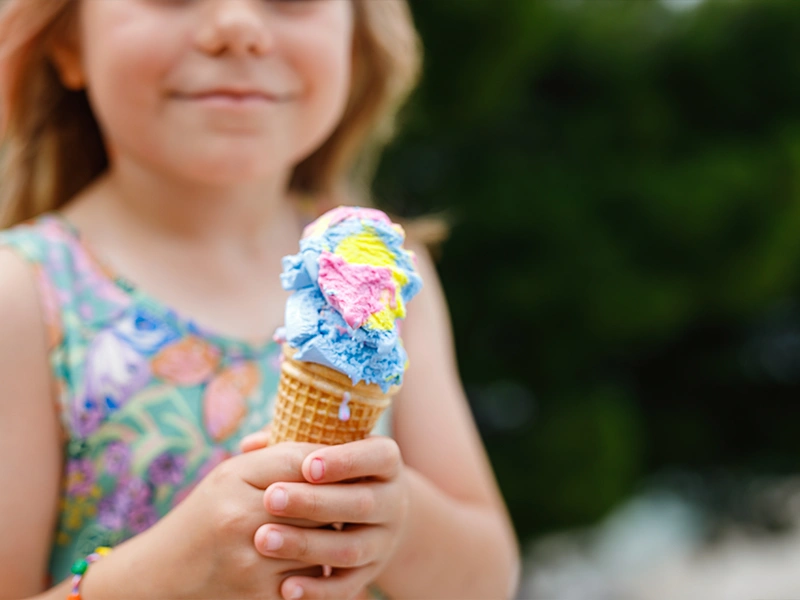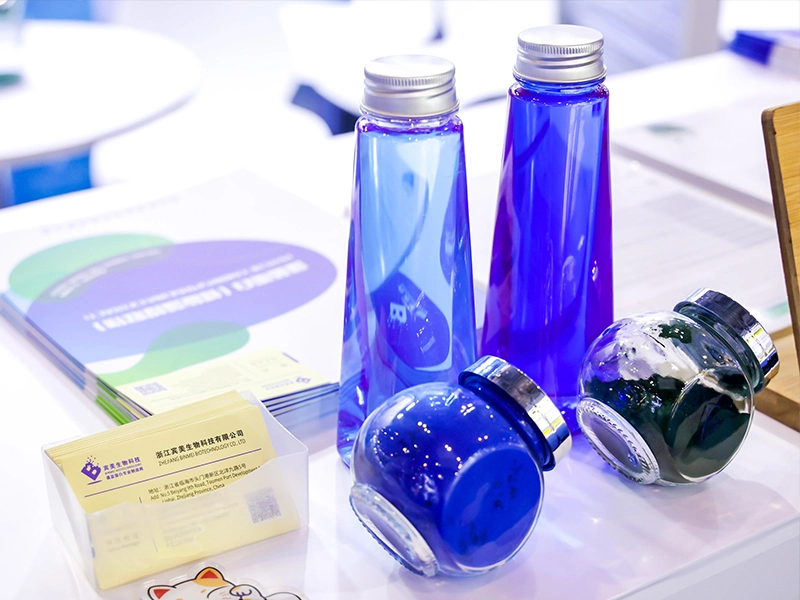
Candy is one of the first places where color truly shapes expectation. Before texture, flavor or aroma has a chance to speak, appearance already sets the mood. A bright red candy feels different from a pale berry tone. A vivid blue gummy creates a different impression from a soft yellow jelly. That is why the conversation around natural colors used in candy has become more important in recent years.
Confectionery is not a category where color can be treated as a small finishing touch. In many products, color is part of the identity itself. It helps tell the consumer what kind of candy it is, how playful it feels, how fruity it seems, or how premium the product appears on shelf.
That is also why choosing natural color for candy is rarely as simple as replacing one ingredient with another. The right ingredient has to match the product format, the visual goal and the overall candy concept.
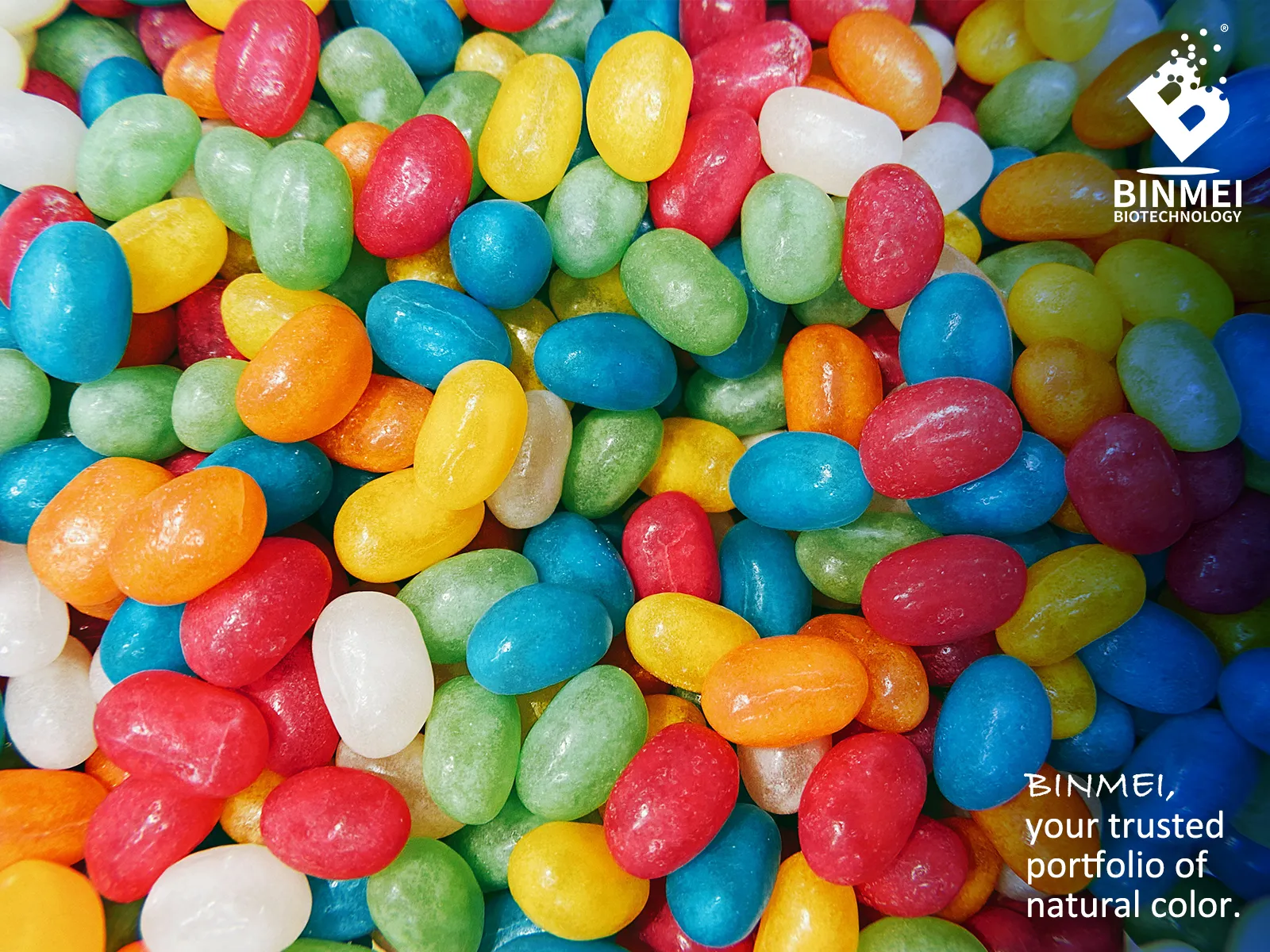
Why Color Matters So Much in Candy
Candy is a visual category by nature. People often decide how they feel about a confectionery product before they ever taste it. A gummy bear, fruit jelly or hard candy is expected to look cheerful, appealing and easy to understand at a glance.
This makes natural colors used in candy a more demanding topic than it might first appear. In some food categories, color can remain subtle. In candy, it usually has to perform much harder.
A successful confectionery color does more than tint the product. It creates recognition, strengthens flavor expectation and supports the full product experience.
Why Choosing the Right Ingredient Is More Important in Candy Than It Seems
Natural color can sound simple in theory. In practice, confectionery products come in many forms, and each one behaves differently. A color that works beautifully in a soft jelly may not create the same result in a hard candy. A route that looks promising in one gummy system may feel less convincing in another.
This is why the idea of natural colors used in candy should not be reduced to a list of ingredient names. The more useful question is which ingredient direction fits a specific candy application best.
In confectionery, the “right” color is not only about hue. It is also about how naturally the color fits the product style and whether the final candy still looks commercially attractive.
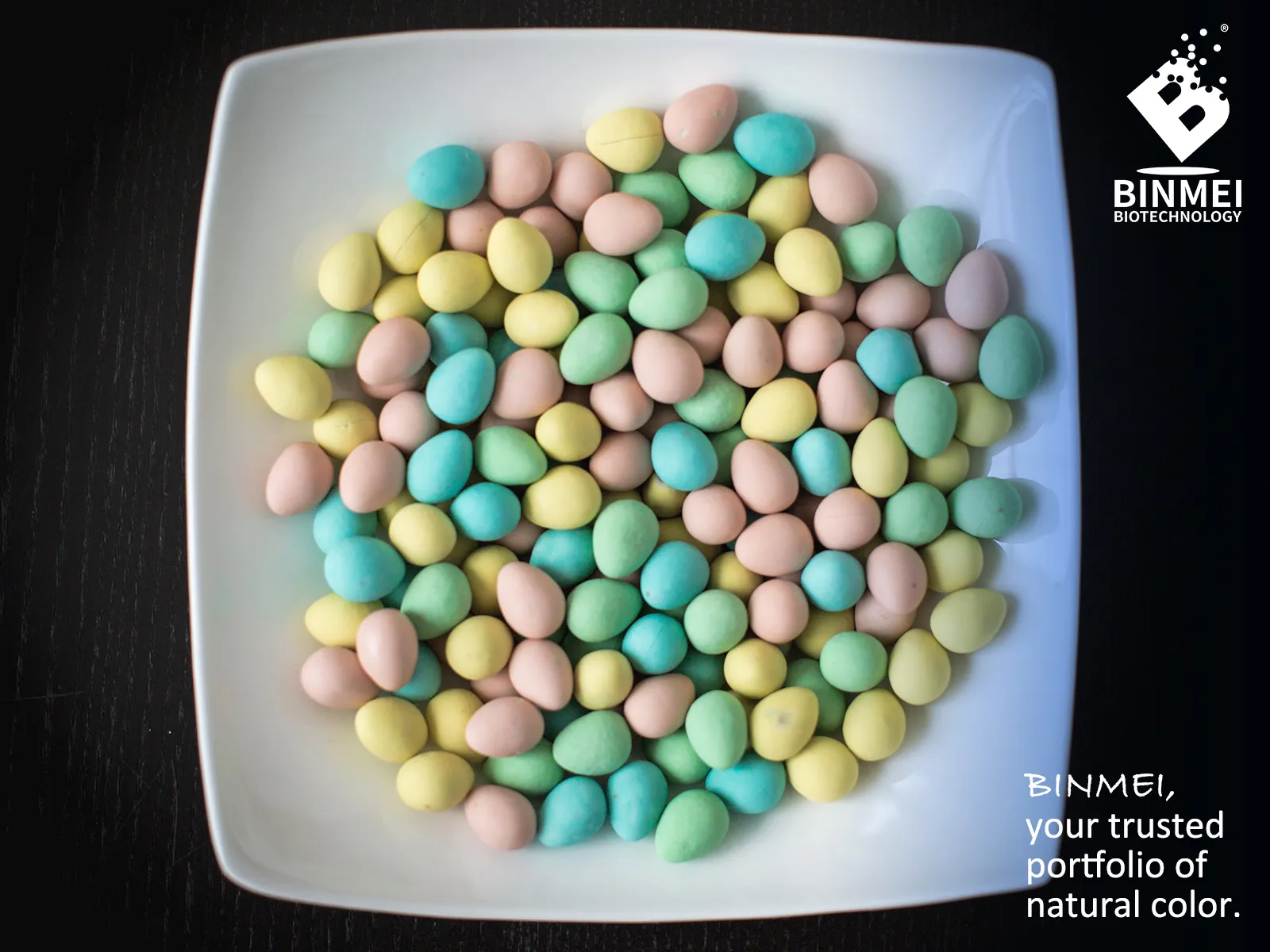
What Makes Candy a Special Application for Natural Color
Candy is one of the most expressive food categories, but that also makes it more demanding. Many confectionery products are expected to be bright, playful and visually clear. Consumers often expect the color to signal flavor quickly, especially in products like fruit gummies, jelly pieces and colorful hard sweets.
That expectation creates pressure on ingredient choice. If the color looks dull, unclear or inconsistent with the product concept, the candy can lose some of its appeal even before it is tasted.
This is one reason confectionery teams often spend more time choosing the right natural color route than people outside the category might expect.
Common Types of Natural Colors Used in Candy
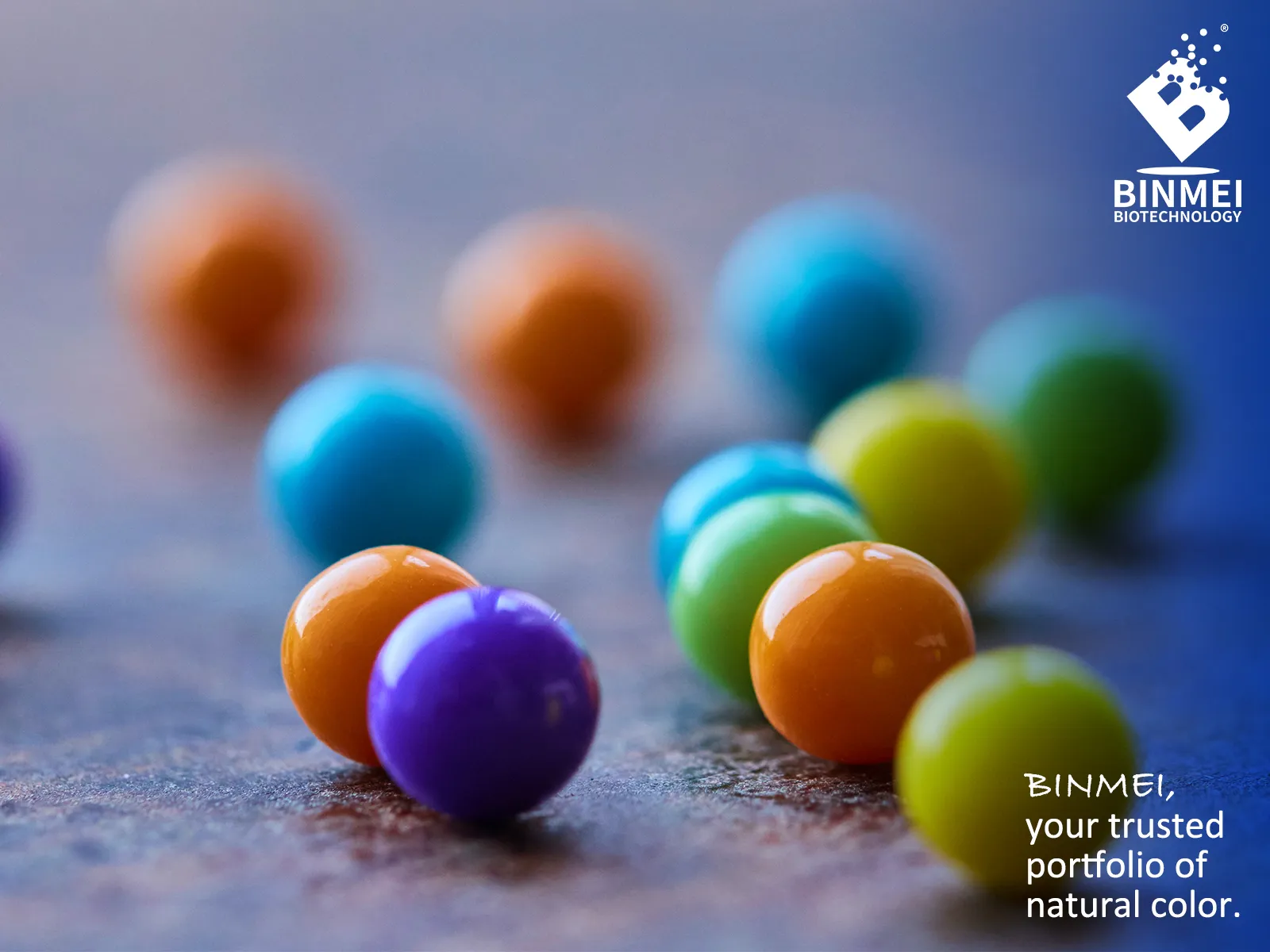
The range of natural colors used in candy is broad, but most confectionery decisions still begin with a few familiar color directions.
Natural Red for Candy
Red is one of the most important confectionery colors because it is closely tied to fruit flavor cues, sweetness expectations and visual energy. Depending on the candy type, brands may explore red routes that feel bright, berry-like, pink-toned or deeper and more premium.
Natural Yellow and Orange for Candy
These tones are often associated with citrus, tropical fruit and cheerful flavor profiles. In confectionery, they can create a lively appearance without making the product feel too heavy.
Natural Blue for Candy
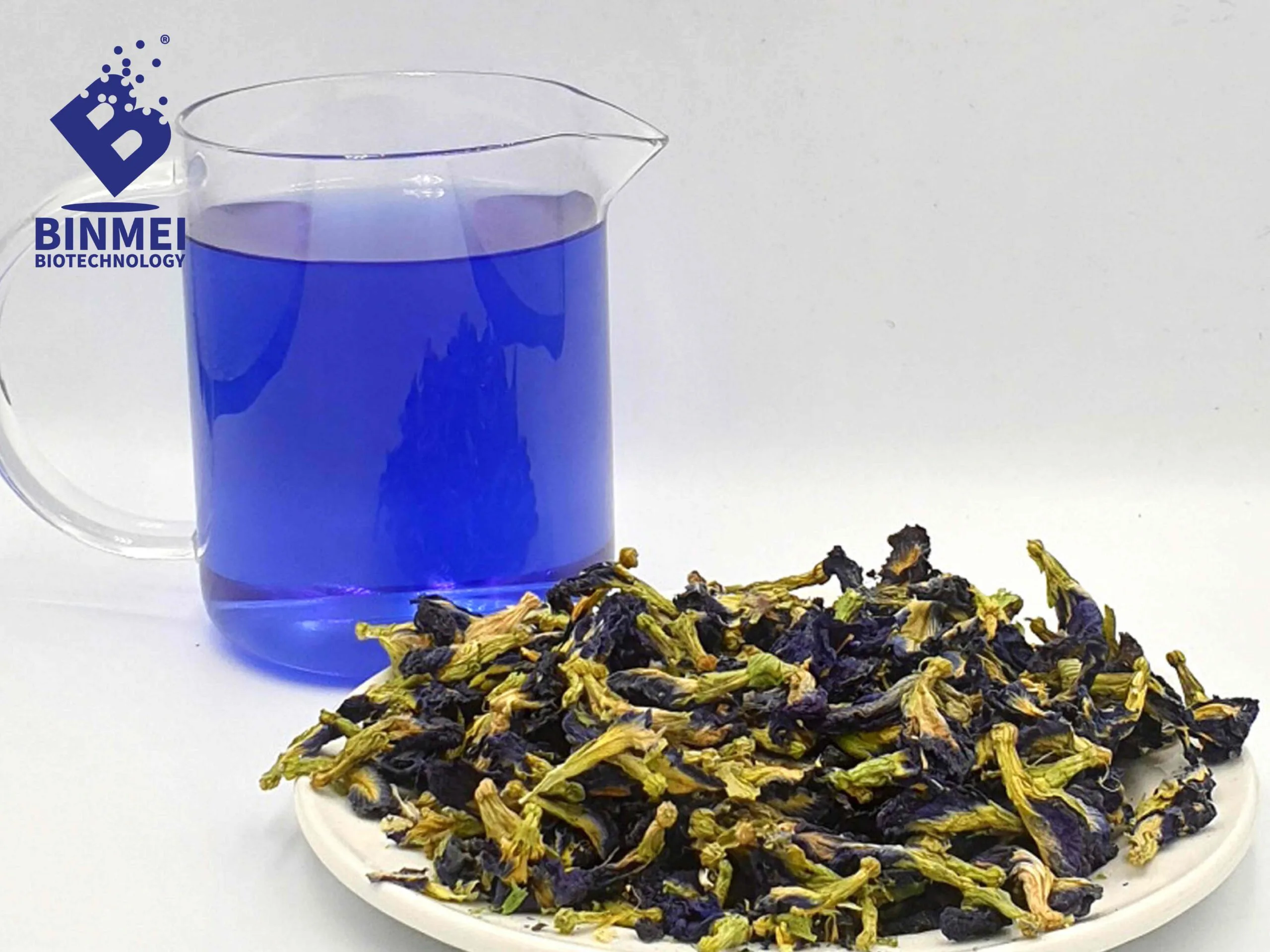
Blue remains one of the more visually distinctive directions in candy. It tends to attract attention quickly and can make the product feel modern, playful or highly stylized depending on the concept.
Natural Green for Candy
Green can work well in candy, but it usually needs a clear product story. It may suggest apple, lime, botanical or novelty positioning, depending on the way the full candy concept is built.
The key point is not that all these routes are available. The key point is that each one has to make sense in the actual confectionery format.
How Natural Colors Used in Candy Differ by Product Type
Candy is not a single system. A gummy, a hard candy and a jelly confection do not ask the same things from a color ingredient. That is why product type should always come before ingredient preference.
Gummies
Gummies often rely heavily on visual clarity and bright appeal. Because they are strongly associated with fun and flavor cues, the natural color route needs to support that immediate recognition.
Jelly and Soft Confectionery
Softer systems often invite more delicate or fruit-led color directions. The natural color needs to feel appetizing and aligned with the intended taste impression.
Hard Candy
Hard candy usually places even more pressure on visual impact. Since the product is often simple in shape and structure, color plays a larger role in making it attractive.
Decorative or Premium Candy Concepts
In premium or concept-driven confectionery, the color may not need to be extremely bright. Instead, it may need to feel more refined, modern or aligned with a cleaner brand direction.
Why “Natural” Is Not Enough on Its Own
It is easy to assume that once a brand decides to use natural color, the hard part is over. In candy, that is rarely true. A natural ingredient may sound right on paper, but the final confectionery result still has to look convincing in real life.
That is why choosing among natural colors used in candy is not simply a sourcing decision. It is also a product design decision.
The ingredient needs to support the intended shade, the candy format and the visual expectations attached to that product. If those pieces do not line up, the result may look technically acceptable but commercially weak.
How to Choose the Right Natural Color for Candy
A stronger decision process usually begins with the candy itself rather than with the ingredient list.
- Start with the target look: Should the candy feel bright, soft, fruity, premium or bold?
- Look at the candy type: Gummies, hard candy, jelly and other confectionery formats do not behave the same way
- Match the color to the flavor story: The visual impression should support what the product promises
- Think about brand style: Some brands want highly playful colors, while others want a cleaner and more modern effect
- Evaluate the ingredient in the real application: A promising color route still needs to be judged inside the actual candy system
These questions usually lead to better decisions than searching for a single universal “best natural color for candy.”
When Brightness Matters and When It Does Not
One of the most common assumptions in confectionery is that brighter always means better. That is often true in highly playful or fruit-driven candy. But it is not always true across the full category.
Some modern confectionery concepts benefit from colors that feel softer, more refined or more naturally expressive. In those cases, the strongest result may not be the most intense shade. It may be the one that fits the product story best.
This is an important shift in the way many brands now think about natural colors used in candy. The goal is not only to replace color. The goal is to create the right kind of candy appearance.
Powder or Liquid: Does the Format Matter in Candy?
Format can become part of the discussion once the color direction is clear. In confectionery development, the choice between powder and liquid is usually less about preference and more about how the ingredient fits the product workflow.
Powder Format
Powder may suit teams that want flexibility during trials or that already work comfortably with dry ingredient systems in certain confectionery processes.
Liquid Format
Liquid may be attractive in cases where easier incorporation or faster handling is part of the development goal. In some candy systems, that can make the color route feel more practical.
The stronger format is simply the one that fits the candy type, the process and the development workflow more naturally.
What Makes a Natural Candy Color Feel Commercially Strong
A good confectionery color does not just look acceptable. It feels right for the candy.
In many cases, the strongest natural colors used in candy do three things well:
- they make the candy easy to understand at a glance
- they support the expected flavor or product mood
- they help the product look intentional rather than compromised
That last point matters a lot. Natural color should not make the candy feel like a weaker version of itself. It should help the candy feel complete in its own way.
Questions Worth Asking Before Finalizing a Candy Color Direction
Before moving ahead with a natural confectionery color route, a few questions are worth pausing for:
- Does the target shade still fit the candy identity?
- Will the color make the product feel more attractive or less clear?
- Does the chosen ingredient suit this exact candy format?
- Is the visual result aligned with the flavor story?
- Would another natural color route create a more convincing confectionery look?
These questions often do more for product quality than chasing color intensity alone.
Related Pages for Further Exploration
- Confectionery Applications
- Alternatives for Red Food Coloring
- Natural Blue Food Coloring
- Natural Yellow Food Coloring
FAQ
Why are natural colors used in candy becoming more important?
Because color is central to confectionery appeal, and many brands now want ingredient choices that feel more aligned with a modern natural-color direction without losing visual impact.
Is there one best natural color for every candy product?
No. The strongest choice depends on the candy type, the target shade, the flavor story and the overall product concept.
Do gummies and hard candy need the same natural color approach?
Not always. Different candy formats create different visual expectations, so the most suitable natural color route may change from one confectionery system to another.
Does candy color selection affect product appeal?
Very much. In candy, appearance often shapes the first impression, so the chosen color can influence how fun, fruity, premium or clear the product feels.
Should confectionery teams choose powder or liquid natural color?
That depends on the candy system and the development process. The stronger format is usually the one that fits the actual production workflow more naturally.