Most natural color discussions begin with a single shade. Blue ingredients are evaluated on one spec sheet, yellow ingredients on another, and each color is treated as a separate technical decision. In real commercial product development, however, visual identity often relies on how multiple botanical sources interact within a complex food matrix. This is where spirulina and turmeric become worth discussing as a highly strategic paired concept rather than as two unrelated raw materials.
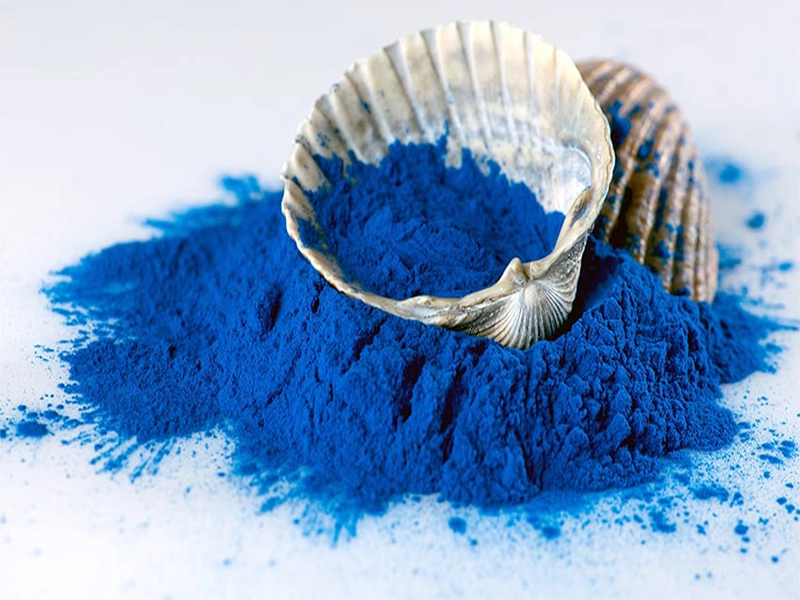
Spirulina provides a vibrant, water-soluble natural blue direction, while turmeric delivers a highly stable, bright natural yellow direction. When formulators place these two ingredients in the same conversation, the goal is twofold. First, they are exploring natural blue and yellow color combinations to create striking, dual-color visual contrast (such as layered desserts or two-tone gummies). Second—and most critically in the food industry—they are blending these two primary colors to customize vibrant, stable natural green shades that single botanical sources cannot achieve alone.
That is why this page should be read as an advanced formulation and color-combination guide. R&D teams researching spirulina and turmeric need a clear technical framework: how to manage the differing solubilities of blue and yellow, how to prevent color bleeding in layered concepts, and how this dual-color logic supports premium beverage, confectionery, and bakery products. For a foundational view of the individual parameters behind these sources, it also helps to review natural blue food coloring and natural yellow food coloring.
Why Blue and Yellow Are Worth Discussing Together
Blue and yellow are not just two separate points on a color wheel. They represent one of the most critical formulation synergies in natural color planning. A product concept may demand a bright kiwi green, a split-color novelty candy, or a layered functional beverage. Achieving these requires understanding how a protein-based blue interacts with a polyphenol-based yellow.
This makes blue and yellow especially valuable as a combination topic. Spirulina (blue) brings exceptional vibrancy but requires strict temperature and pH management. Turmeric (yellow) brings intense brightness and heat stability but requires careful handling regarding light exposure and solubility (as curcumin is naturally oil-soluble). When discussed together, the focus shifts from simple color selection to advanced matrix strategy—balancing contrasting biochemical behaviors to achieve a unified visual goal.
Mastering this combination empowers brands to move beyond off-the-shelf single colors. It allows for the creation of proprietary shades and visually complex products that signal premium quality and clean-label transparency to the modern consumer.
What Spirulina and Turmeric Represent in Natural Color Design
In the context of formulation chemistry, spirulina should be understood as the premier water-soluble blue-side entry point, and turmeric as the dominant bright yellow-side entry point. They serve as the foundational building blocks for a wide array of dual-color and blended design concepts.
Spirulina enters the conversation because phycocyanin is the most reliable, brilliant natural blue available for cold-processed and neutral-pH applications. Turmeric enters because curcumin provides an intensely luminous yellow that survives extreme heat, such as baking or boiling. Together, they create a highly versatile toolkit.
This pairing matters because blending natural colors is not as simple as mixing paint. Formulators must match the carrier systems. To seamlessly combine spirulina and turmeric—whether for a split-color gummy or to blend a custom mint-green beverage—the turmeric must often be converted into a water-dispersible microemulsion to match spirulina’s water-soluble nature.
Why People Search for Spirulina and Turmeric Together
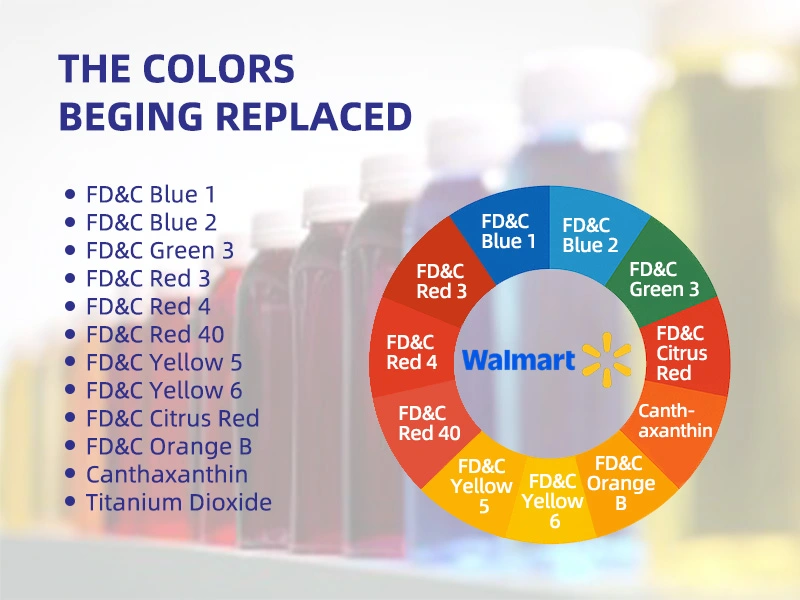
A search such as spirulina and turmeric comes directly from the R&D lab or the product designer’s desk. Formulators are actively trying to solve clean-label challenges, replacing synthetic dyes like FD&C Blue No. 1 and Yellow No. 5 with botanical alternatives.
They are typically asking critical technical questions such as:
- How do I blend these to create a stable, vibrant natural green without using copper chlorophyllin?
- Can these two directions work together in a layered product without migrating or bleeding into each other?
- How do I balance spirulina’s heat sensitivity with turmeric’s light sensitivity in the same formula?
- What are the flavor-masking requirements when using high doses of both algae and root extracts?
Once these technical hurdles are addressed, the combination becomes an incredibly powerful tool for clean-label innovation, allowing brands to construct visually arresting products with entirely recognizable botanical ingredients.
Blue and Yellow Color Combination Logic
The value of a natural blue and yellow combination lies in the specific formulation logic behind the pairing. Whether they are kept physically separate for contrast or blended chemically for a new hue, managing their interaction is key to commercial success.
| Combination Goal | Technical Challenge | Formulation Logic & Solution | Best Concept Type |
|---|---|---|---|
| Custom Natural Greens | Matching exact green shades (mint, lime, apple) while managing different fading rates (light vs. heat). | Blend water-soluble spirulina with water-dispersible turmeric. Protect the final product from UV light to prevent the yellow from fading faster than the blue. | Green smoothies, mint ice creams, lime-flavored gummies. |
| Layered Presentation | Preventing color bleeding/migration between the blue and yellow layers over shelf life. | Utilize fat barriers, manage water activity (Aw), or separate oil-soluble turmeric phases from water-soluble spirulina phases. | Layered beverages, split-cup yogurts, multi-color hard candies. |
| Visual Contrast (Swirls) | Maintaining sharp definition between colors during high-shear mixing or baking. | Add spirulina post-heating (if possible) to prevent browning, while turmeric can be added early in the fat phase. | Swirled frostings, artisan marshmallows, dual-extruded snacks. |
| Dual-Color Storytelling | Balancing the earthy/grassy flavor notes of high-dose spirulina and turmeric. | Pair with robust, complementary flavor profiles like tropical fruit, ginger, or citrus to mask botanical off-notes. | Functional wellness shots, immunity beverages, botanical teas. |
This technical reality is the most important idea on the page: spirulina and turmeric should be understood as a dual-color design route that requires deliberate matrix engineering, not simply as two ingredients casually mentioned together.
Spirulina and Turmeric as a Dual-Color Design Path
Once spirulina and turmeric are framed as a color-combination route, the conversation becomes highly strategic. The question is no longer “Can these two be used together?” but rather “How do we stabilize this pairing across our entire processing timeline?”
In concept-driven products, a dual-color route creates massive shelf appeal. However, formulators must remember that spirulina degrades above 60°C, whereas turmeric is highly heat stable but fades rapidly under UV retail lighting. Designing a successful product means engineering a process that respects both limitations—such as utilizing opaque packaging, or dosing the spirulina during the cooling phase of production.
Best Uses in Beverage Concepts
Beverages are a prime category for this pairing. In RTD (Ready-To-Drink) products, blending spirulina and turmeric is the industry standard for creating striking, clean-label greens without relying on synthetic dyes.
For layered “Instagram-ready” beverages (like dual-tone lattes or functional shots), blue and yellow create a dynamic visual contrast. In these applications, controlling the specific gravity (density) of the liquids prevents the spirulina-infused layer from mixing with the turmeric-infused layer, preserving the distinct dual-color concept until the consumer shakes it.
Formulators exploring the technical specifications of the blue side can continue to natural blue food coloring, while those dialing in the bright yellow aspect should review natural yellow food coloring.
Best Uses in Confectionery Concepts
Confectionery relies heavily on visual playfulness. Spirulina and turmeric are exceptional in gummy and hard candy manufacturing. By blending the two in varying ratios, candy makers can dial in exact shades ranging from neon chartreuse to deep forest green.
For dual-color confectionery (like half-blue, half-yellow sour worms), preventing color migration is paramount. Because both colors are typically formulated to be water-soluble in gummy applications, controlling the moisture content and curing time ensures the boundary between the blue and yellow remains razor-sharp over a 12-month shelf life.
Best Uses in Bakery Concepts
Bakery concepts pose unique challenges for this pairing due to extreme oven temperatures. While turmeric (yellow) will easily survive baking, spirulina (blue) will denature and turn brown if subjected to high, prolonged heat.
Therefore, in bakery applications, this dual-color strategy is best utilized in post-bake finishes. Spirulina and turmeric shine in swirled buttercream frostings, decorative icings, and cream fillings, where the temperatures are low and the fat-rich matrix beautifully suspends both the blue and yellow pigments for a striking, premium presentation.
When a Blue and Yellow Pairing Works Better Than a Single-Color Strategy
Not every product requires the complexity of blending or pairing two distinct botanical sources. The decision to utilize both spirulina and turmeric should be driven by specific visual and technical goals that single pigments cannot meet.
| Formulation Scenario | Single-Color Strategy | Blue + Yellow Strategy | When the Pairing Adds Value |
|---|---|---|---|
| Achieving Green Hues | Using standard Chlorophyll (often yields a muted, olive tone). | Blending Spirulina and Turmeric allows precise control over the vibrance and tint (from lime to teal). | When you need a bright, appetizing, “candy-like” green. |
| Experiential Packaging | Standard monochromatic food appearance. | A product that visually separates or requires the user to mix the colors before consumption. | When consumer interaction and social media shareability are key marketing drivers. |
| Clean Label Upgrades | Trying to find a direct single-plant replacement for a complex synthetic blend. | Utilizing two recognizable “kitchen cupboard” ingredients to build the desired shade safely. | When removing E-numbers or FD&C dyes is the primary mandate for the R&D team. |
This technical framework turns a vague ingredient pairing into a highly actionable formulation tool. It helps R&D teams understand precisely when to engineer a dual-color system and what parameters they need to monitor.
How This Page Fits into the Wider Natural Color Strategy
Mastering the combination of spirulina and turmeric is an advanced step in botanical formulation. It requires an understanding of both the water-soluble properties of blue algae and the distinctive traits of yellow root extracts.
For formulators ready to refine their approach to these individual components, the logical next step is to drill down into the base colors. Users optimizing the heat and pH stability of the blue phase should transition to our natural blue food coloring guide. Those needing to solve solubility and light-stability challenges for the yellow phase should consult the natural yellow food coloring breakdown.
FAQ
Why are spirulina and turmeric discussed together in formulation?
They are discussed together because they are the industry’s primary botanical sources for blue and yellow. Formulators pair them to create striking visual contrast in layered products, or blend them together to create vibrant, custom natural green shades without using synthetic dyes.
Can I mix spirulina and turmeric to make green?
Yes. Because there are limited options for bright natural greens, blending water-soluble spirulina with water-dispersible turmeric is the standard industry method for achieving custom shades ranging from bright lime to deep teal.
What are the technical challenges of this natural blue and yellow color combination?
The main challenge is differing stabilities. Spirulina (blue) is sensitive to high heat (above 60°C), while turmeric (yellow) is highly sensitive to UV light. A successful formula must balance processing temperatures and utilize proper packaging to protect both pigments.
Where does a blue and yellow pairing work best?
It excels in beverages, gummies, and cold-processed frostings where temperatures are controlled. It is ideal for visually expressive concepts like multi-layered drinks or dual-color confectionery.
How do I prevent spirulina and turmeric from bleeding into each other?
In layered products, color migration is prevented by managing water activity (Aw), utilizing fat barriers between layers, or formulating the phases with differing specific gravities (densities).
What should I read next after this page?
To master the technical specifications of the blue source, go to natural blue food coloring. To explore the properties of the yellow source, go to natural yellow food coloring.