Butterfly pea has rapidly evolved from a traditional Southeast Asian herbal tea into one of the most highly sought-after botanical ingredients in the global natural color space. Known for its mesmerizing, deep blue hues, it is driving innovation across clean-label formulations. This is why terms such as blue butterfly pea powder benefits and butterfly pea flower powder benefits are dominating searches among food scientists, mixologists, and product developers.
However, formulators often face a challenge: how to harness the functional wellness properties of the flower while stabilizing its dynamic color in commercial production. The magic of butterfly pea lies in its active compounds—specifically a unique group of anthocyanins called ternatins. These compounds offer dual value: they act as powerful antioxidants for health-focused products, and they serve as an experiential, color-changing food dye.
A successful formulation strategy must not treat this ingredient merely as a wellness buzzword or a static pigment. The better approach is to understand the true biochemical butterfly pea flower powder benefits, and then master its behavior in food coloring applications, particularly how it interacts with pH levels in beverages, frostings, and desserts to create striking natural blue and purple product concepts.
What Is Butterfly Pea?
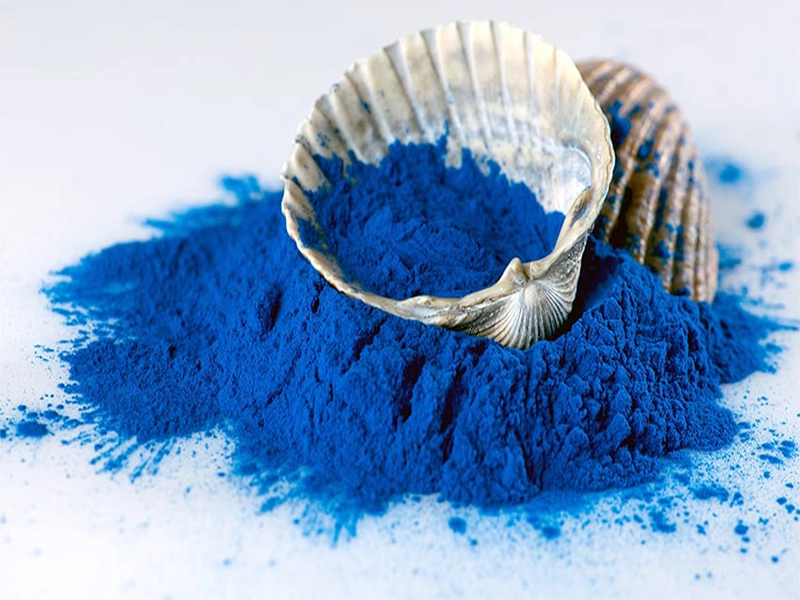
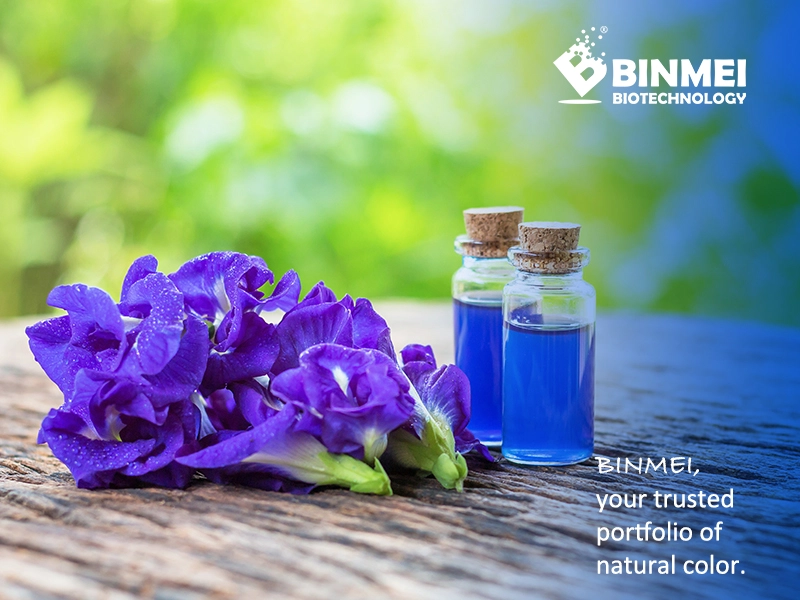
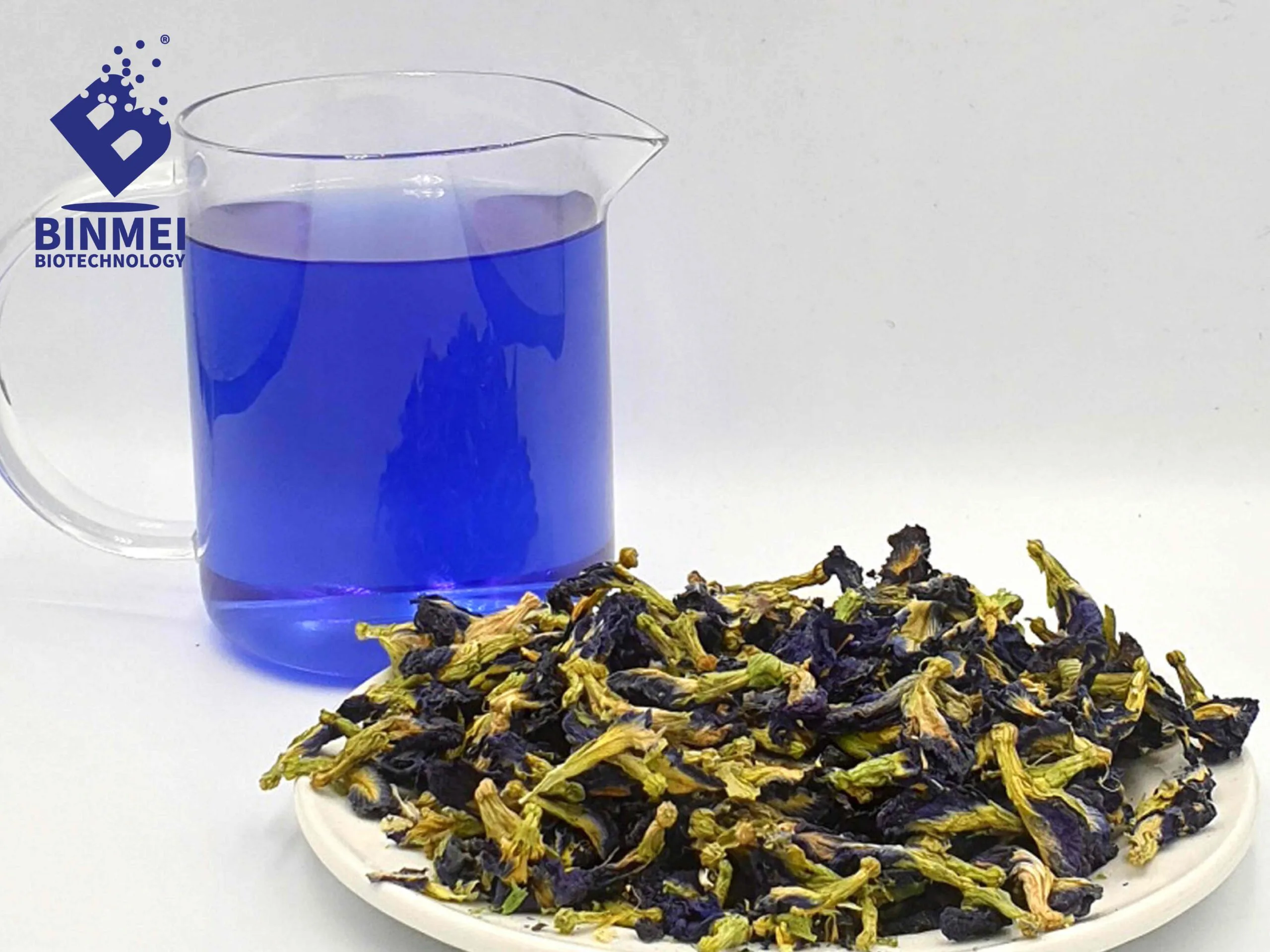
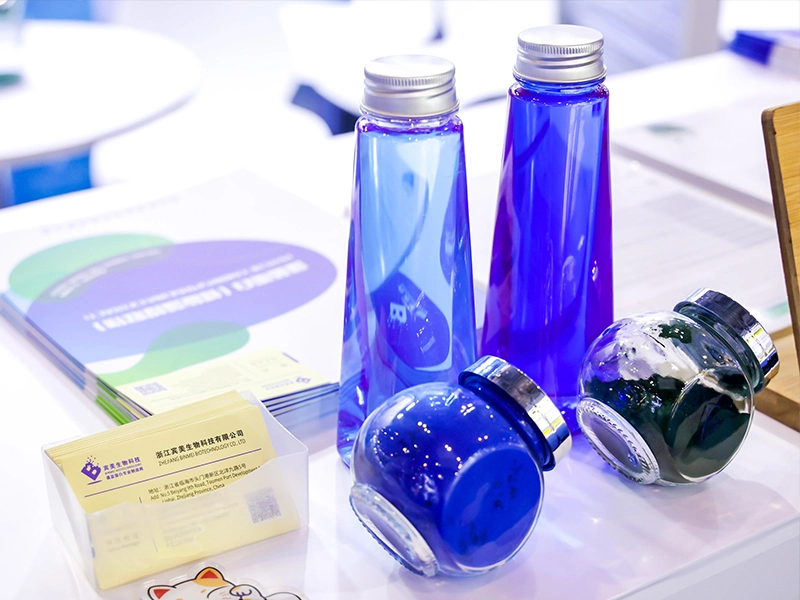
Butterfly pea (Clitoria ternatea) is a vibrant, climbing vine native to equatorial Asia. In the commercial ingredient sector, the vivid blue petals are carefully harvested, dried, and micro-milled to create butterfly pea flower powder, or extracted to produce highly concentrated blue butterfly pea powder and liquid extracts.
From a biochemical standpoint, the intense blue color comes from delphinidin derivatives (ternatins). Unlike synthetic dyes which are chemically inert, butterfly pea is a highly reactive botanical ingredient. Its color expression is inextricably linked to the acidity of its environment.
This dynamic nature explains why it is the crown jewel of experiential food design. While standard natural blue food coloring options like spirulina provide a stable, static blue, butterfly pea offers formulators the rare ability to create interactive, plant-based applications that shift from blue to magenta right before the consumer’s eyes.
Why People Search for Butterfly Pea Flower Powder Benefits
When R&D teams and health-conscious consumers search for butterfly pea flower powder benefits and blue butterfly pea powder benefits, they are looking for the functional attributes that justify premium product positioning. It is not just about looking good; it is about offering clean, bioactive nutrition.
Butterfly pea sits perfectly at the intersection of “food as art” and “food as medicine.” The functional benefits that drive commercial interest include:
- High Antioxidant Capacity: Rich in proanthocyanidins and flavonoids, the powder helps combat oxidative stress, making it highly valuable in functional beverages and wellness shots.
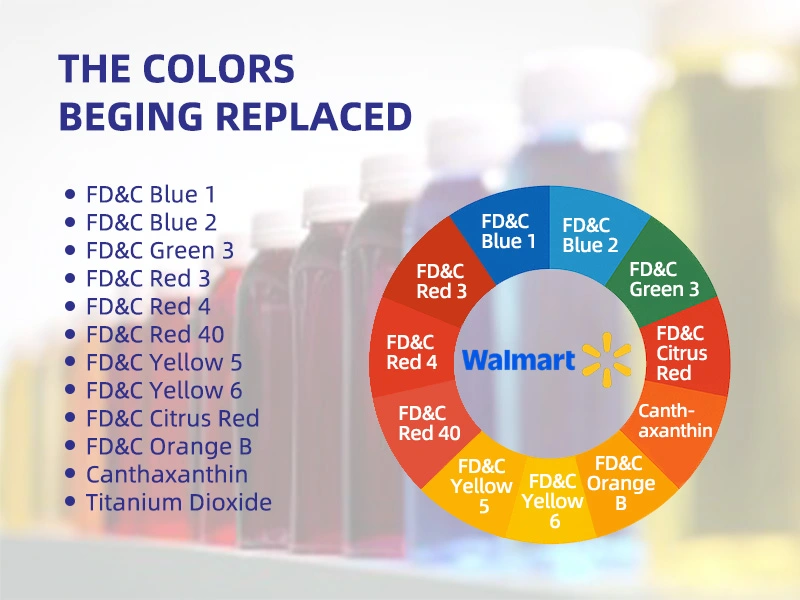
- Clean Label Prestige: It provides a 100% plant-based, recognizable ingredient story, allowing brands to replace artificial FD&C dyes with a simple botanical extract.
- Nootropic Associations: In traditional Ayurvedic medicine, the flower is revered as a brain-boosting adaptogen, adding significant marketing value to modern “focus” or “calm” formulations.
- The pH-Shifting Phenomenon: The ultimate commercial benefit is its experiential nature. It remains vivid blue at a neutral pH (around 7.0) and shifts to bright purple or pink when exposed to acids (pH 3.0 – 4.0), enabling interactive consumer experiences.
In modern food science, the true “benefit” of this ingredient is its ability to deliver a striking visual identity wrapped in a highly marketable, functional wellness narrative.
Benefits Language vs Food Coloring Relevance
Formulators must bridge the gap between functional wellness claims and technical coloring reality. Understanding how to deploy this ingredient requires aligning the desired product benefit with the correct physical application.
| Formulation Goal | Technical Reality & Matrix Behavior | R&D Next Steps |
|---|---|---|
| Highlighting Health Benefits | Leveraging flavonoids; requires standardized extracts to ensure consistent active compound dosing. | Focus on solubility and sourcing high-purity extracts for supplements or functional teas. |
| Achieving a Static True Blue | The base formula must maintain a strict neutral pH (6.5 – 7.5); any acidity will cause a purple shift. | Buffer the formula to prevent pH drops, or consider spirulina if the environment is naturally acidic. |
| Creating a “Magic” Purple Shift | Relies on anthocyanin instability. Adding citric acid, lemon, or lime triggers the immediate color change. | Design two-part packaging (e.g., a blue base with an acid-shot mixer) for maximum visual impact. |
| Clean Label Food Coloring | Utilized as a “coloring food”; relatively heat stable but sensitive to prolonged UV light exposure. | Test heat tolerance in baked goods and utilize opaque packaging for retail shelf stability. |
This framework ensures product development stays grounded. By understanding the matrix mechanics, brands can successfully extract both the functional benefits and the visual magic of the flower without encountering unexpected color degradation.
Why Butterfly Pea Matters in Food Coloring
The ultimate commercial value of butterfly pea is its role in premium food coloring applications. In a market saturated with static colors, butterfly pea introduces the concept of interactive color.
While many natural blues struggle with heat stability, the ternatins in butterfly pea are surprisingly resilient to thermal processing. This makes it an excellent candidate for applications where other natural blues might fail. However, the formulator’s primary focus must always be on pH management. If a developer formulates a blue sports drink but adds citric acid for flavor, the drink will immediately turn pink/purple.
Therefore, butterfly pea is not just a direct substitute for artificial blue dyes; it is a specialized botanical tool. When the goal is a static, reliable blue in an acidic environment, users should explore the wider natural blue food coloring category to find acid-stable solutions. But when the goal is a majestic indigo, a vivid purple, or an interactive color-changing product, butterfly pea is unmatched.
Best Food Coloring Applications for Butterfly Pea
Butterfly pea excels in applications where its unique pH sensitivity and herbal notes can be showcased or cleverly masked. It is the ingredient of choice when visual storytelling is paramount.
Beverages
Beverages are the undisputed king of butterfly pea applications. Mixologists and RTD (Ready-To-Drink) brand owners use it to craft dramatic color-changing lemonades, botanical gins, and functional wellness teas. The clear solubility of high-quality extracts ensures the final drink remains brilliantly translucent, ranging from deep sapphire (neutral water) to vibrant magenta (with citrus).
Frosting and Icing Concepts
Because buttercream and royal icing are typically neutral in pH and do not undergo high heat, they are perfect matrices for achieving a stable, pastel or deep blue. The powder blends smoothly into fat-based systems, offering an elegant botanical color for premium wedding cakes, macarons, and vegan bakery concepts.
Desserts and Specialty Sweets
Butterfly pea is widely used in cold-processed desserts like panna cotta, artisan ice creams, and gelatin-based sweets. Because it has a mild, earthy, slightly woody flavor profile, it pairs beautifully with floral flavors (like lavender or rose), vanilla, and coconut, making it a staple in high-end pastry design.
Novelty Food Concepts
In the era of viral food trends, butterfly pea is the ultimate novelty tool. It is used in color-changing noodles, galaxy-themed sushi rice, and interactive syrup droppers in experiential dining. The botanical story validates the bright color, assuring consumers that the striking visuals come from nature, not a laboratory.
R&D teams ready to move from concept to lab trials can find precise technical specifications and standardized formats at our butterfly pea flower extract page.
Butterfly Pea vs Blue Spirulina
The most critical decision a formulator will make when developing a blue product is choosing between butterfly pea and blue spirulina. While both offer stunning botanical blues, their biochemical behaviors are entirely different. Choosing the wrong one will result in formula failure.
| Comparison Area | Butterfly Pea (Anthocyanin) | Blue Spirulina (Phycocyanin) |
|---|---|---|
| Color Tone | Deep, denim-like indigo to violet/magenta. | Bright, vibrant, sky blue or cyan. |
| pH Stability | Highly sensitive. Blue at pH 7; purple/pink below pH 4. | Maintains blue color across a wider pH range (typically 4.5 – 7.5). |
| Heat Stability | Excellent. Can withstand boiling and baking without losing pigment structure. | Sensitive. Being a protein, it denatures and fades at high temperatures (>60°C). |
| Primary Application Strength | Color-changing beverages, baked goods, and hot teas. | Cold-pressed juices, ice creams, gummies, and neutral dairy. |
Understanding this technical divide is crucial for commercial success. For a comprehensive breakdown of how to formulate with both, formulators should consult our dedicated technical guide: blue spirulina vs butterfly pea powder.
How to Formulate with Butterfly Pea in Commercial Production
Moving butterfly pea from a conceptual idea into a scalable commercial product requires precise execution. Formulators must not treat it as a generic blue dye. Because it is a botanical extract, dosing levels will affect both the opacity of the final product and the flavor profile.
At higher concentrations needed for deep indigo shades, butterfly pea imparts a distinct earthy, woody, and slightly grassy flavor. Product developers should plan to mask this using complementary flavor profiles, such as citrus, ginger, lemongrass, or robust sweeteners. Furthermore, while the powder is relatively stable, exposure to intense, prolonged UV light on retail shelves can cause gradual fading. Utilizing opaque packaging or incorporating natural antioxidants (like ascorbic acid, keeping pH shifts in mind) can greatly extend the visual shelf life of the product.
The most successful commercial launches are those that embrace the ingredient’s botanical nature, aligning the functional benefits of the flower with a visually captivating, highly stabilized formulation matrix.
Your Next Steps in Botanical Blue Formulation
Within BINMEI’s portfolio, butterfly pea represents the pinnacle of interactive, clean-label coloring. It is an indispensable tool for brands aiming to deliver both striking visuals and functional wellness.
Your next step depends on your formulation phase. If you are exploring how to navigate the chemical stability of natural blues across different food matrices, our natural blue food coloring guide provides the overarching framework. If you are debating between an anthocyanin or a protein-based blue, dive into the blue spirulina vs butterfly pea powder comparison.
Ready to source premium, highly soluble ingredients for your next benchtop trial? Proceed directly to our butterfly pea flower extract specifications.
FAQ
What is butterfly pea flower powder?
Butterfly pea flower powder is a vibrant, natural blue botanical ingredient micro-milled from the Clitoria ternatea flower. It is rich in anthocyanins and is widely used as a clean-label food colorant and functional wellness ingredient.
Why do people search for butterfly pea flower powder benefits?
Formulators and consumers seek these benefits because the flower is packed with potent antioxidants and flavonoids. It provides an impressive intersection of functional nutrition and mesmerizing, natural visual appeal without the use of synthetic chemicals.
Is butterfly pea used in food coloring?
Yes, it is one of the most popular natural food colors available. It is heavily utilized in commercial beverages, frostings, bakery items, and novelty desserts to achieve stunning shades of blue, indigo, and purple.
How does butterfly pea change color?
The magic lies in its pH sensitivity. In neutral applications (like water or milk), it remains a deep blue. When introduced to an acidic environment (like lemon juice or citric acid), the molecular structure of the anthocyanins shifts, instantly turning the liquid a bright purple or magenta.
When is butterfly pea better than blue spirulina?
Butterfly pea is the superior choice when your application involves high heat (like baking or hot teas) or when you specifically want an interactive, color-changing (blue-to-purple) consumer experience. Spirulina is preferred for cold applications requiring a static, bright cyan blue.
Where should I go next after this page?
For exact product specifications and sourcing, visit butterfly pea flower extract. For advanced formulation strategies across the blue spectrum, continue to natural blue food coloring. To definitively choose between the top two blues, read blue spirulina vs butterfly pea powder.