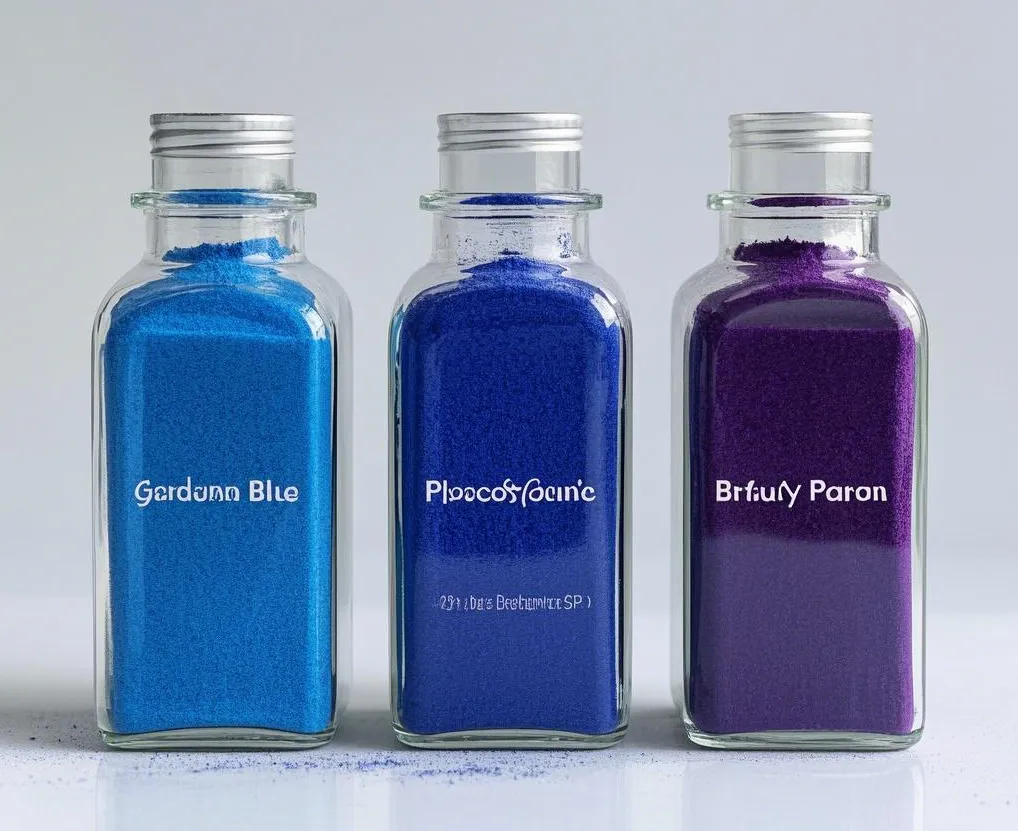
Best Blue Spirulina Powder
How to Choose the Best Blue Spirulina Powder for Food Coloring, Drinks, and Clean-Label Formulas
For many product developers, the search for the best blue spirulina or best blue spirulina powder starts with one simple goal: create a cleaner, more visually appealing blue product without compromising taste, process efficiency, or regulatory confidence. In practice, that decision is rarely simple. Two powders may both be labeled “blue spirulina,” yet one may disperse smoothly in a ready-to-drink beverage while the other clumps, fades, or leaves behind an unwanted algae note. For B2B buyers in beverages, dairy, confectionery, bakery, and nutrition, “best” is not a slogan. It is a performance standard.
That is why this topic matters so much now. In the United States, FDA action in February 2026 expanded the approved use of spirulina extract as a color additive in human foods more broadly, reinforcing its relevance for manufacturers looking to move away from petroleum-based blue colors. The federal regulation for spirulina extract also specifies that phycocyanins are its principal coloring components.
This article is written for global food, beverage, and nutrition buyers, from large enterprises that need dependable supply and technical support to SMEs and startups that need speed, flexibility, and low-friction sourcing. It is also useful for home formulators and clean-label consumers who want to understand why some powders perform much better than others. The focus here is practical: what blue spirulina is, how to judge quality, why application changes the answer, and how to choose a supplier that can support both product development and scale.
What is blue spirulina powder, and why does it matter in clean-label formulation?
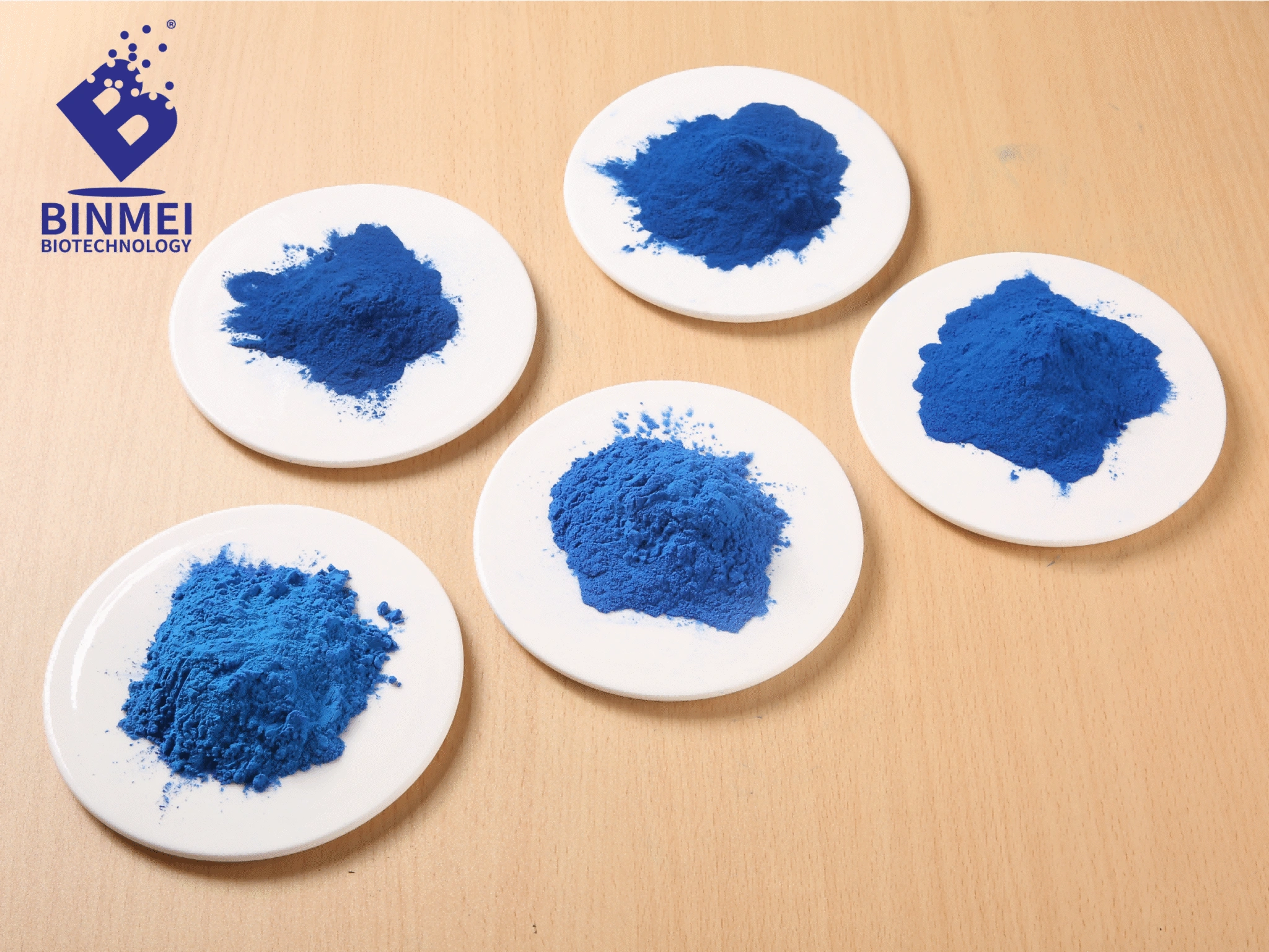
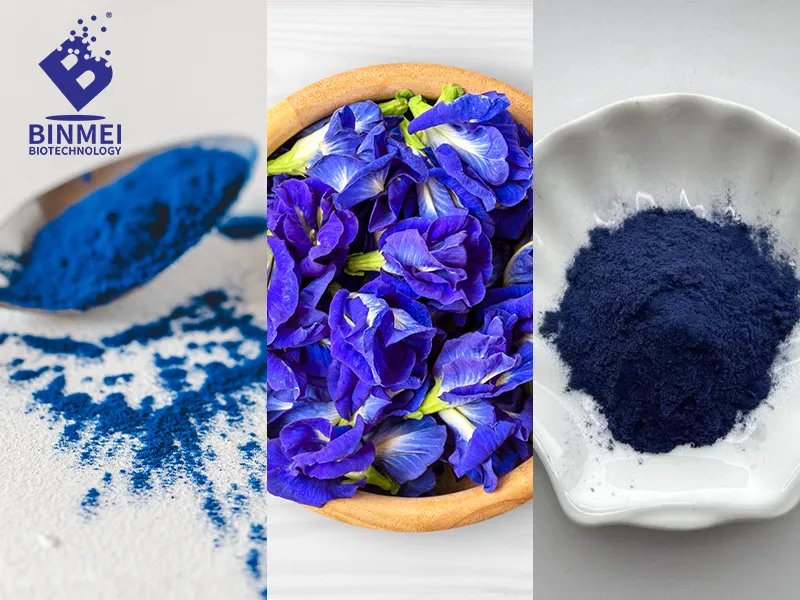
Blue spirulina powder is usually the phycocyanin-rich blue extract derived from spirulina, rather than the whole green algae biomass. That distinction matters. Whole green spirulina can bring strong nutritional positioning, but it can also carry a darker green hue and a more noticeable marine or algae flavor. Blue spirulina, by contrast, is typically selected because it delivers a visually attractive blue tone with a milder taste profile, making it much easier to use in flavor-sensitive systems such as dairy, gummies, frosting, tea beverages, and nutrition products. The color component in spirulina extract is phycocyanin, and its sensitivity to light, heat, and pH is one of the main reasons application knowledge matters just as much as the ingredient itself.
For modern brands, blue spirulina is attractive because blue is one of the hardest colors to achieve naturally without sacrificing label appeal. If a product team is working on kombucha, functional shots, frozen desserts, gummies, tablets, or colorful powdered drink mixes, blue spirulina often enters the conversation because it can support natural positioning while still creating a bright, commercially appealing result. That makes it especially relevant to clean-label innovation, premium visual branding, and synthetic dye replacement programs. In the U.S. market, spirulina extract’s broadened regulatory scope has made it even more commercially relevant for food manufacturers.
How to define the best blue spirulina powder: a three-level decision framework
One reason buyers struggle with this category is that “best” is used too loosely. A product may look good in a brochure, but that does not mean it is the best option for your formulation, processing conditions, or scale. A better way to evaluate blue spirulina is to separate the decision into three levels: basic standards, differentiators, and premium signals.
Level 1: Basic standards every good blue spirulina powder should meet
At the first level, a good blue spirulina powder should pass the minimum test for usability. It should have a clear blue appearance rather than a dull, grey, or dirty tone. It should not bring a heavy algae smell that limits its use in consumer-friendly products. It should disperse well enough to be practical in development, pilot runs, or production. And the supplier should be able to explain, at a minimum, what the ingredient is, how it should be handled, and what broad application range it suits. If a powder fails at these basics, it is difficult to justify calling it the best blue spirulina powder for serious commercial use.
Level 2: What separates a better product from an average one
The second level is where real commercial value shows up. Better products usually have a cleaner extraction story, lower flavor interference, stronger water solubility, and more reliable performance across different product systems. This is where teams start to notice the difference between a technically useful ingredient and a merely acceptable one. A powder that mixes smoothly into tea, dairy, or a nutrition blend without visible clumps saves time in development and reduces formulation frustration. A powder with an almost neutral taste gives R&D more freedom. A powder that retains a more attractive color under realistic use conditions can help protect both shelf appeal and brand consistency.
Level 3: What makes a blue spirulina powder stand out as premium
The third level is what many B2B buyers should focus on if they are evaluating long-term suppliers, not just one-off ingredients. Premium blue spirulina is usually associated with stronger quality assurance, traceability, clearer technical documentation, batch-to-batch consistency, and practical formulation guidance. This matters even more for global brands, contract manufacturers, and regulated categories. A supplier that can discuss dosage ranges, temperature sensitivity, pH windows, certification support, and export documentation is often more valuable than one that simply quotes a price. For strategic buyers, the best blue spirulina powder is often the one backed by the most complete operating system, not just the brightest sample.
Why does the application change which blue spirulina powder is “best”?
No single powder is best in every scenario. That is why application-first buying is smarter than keyword-first buying. A beverage company, an ice cream producer, and a supplement manufacturer may all be searching for the best blue spirulina powder, but they are actually solving different technical problems.
Best blue spirulina powder for beverages
In beverages, solubility and visual uniformity matter fast. A blue spirulina powder that does not disperse evenly can create haze, specking, or inconsistent shade in bottled drinks, powdered beverage bases, or RTD products. Taste is another priority. A mild, nearly neutral profile is much easier to work with in tea beverages, functional drinks, flavored waters, and kombucha-style concepts. If your team is developing blue drinks or clean-label beverage lines, it makes sense to compare options not only by color but by how they perform in your actual liquid system. For related beverage application context, see Beverage Applications and Spirulina Extract as a Natural Blue Color for Tea Beverages.
Best blue spirulina for dairy and frozen products
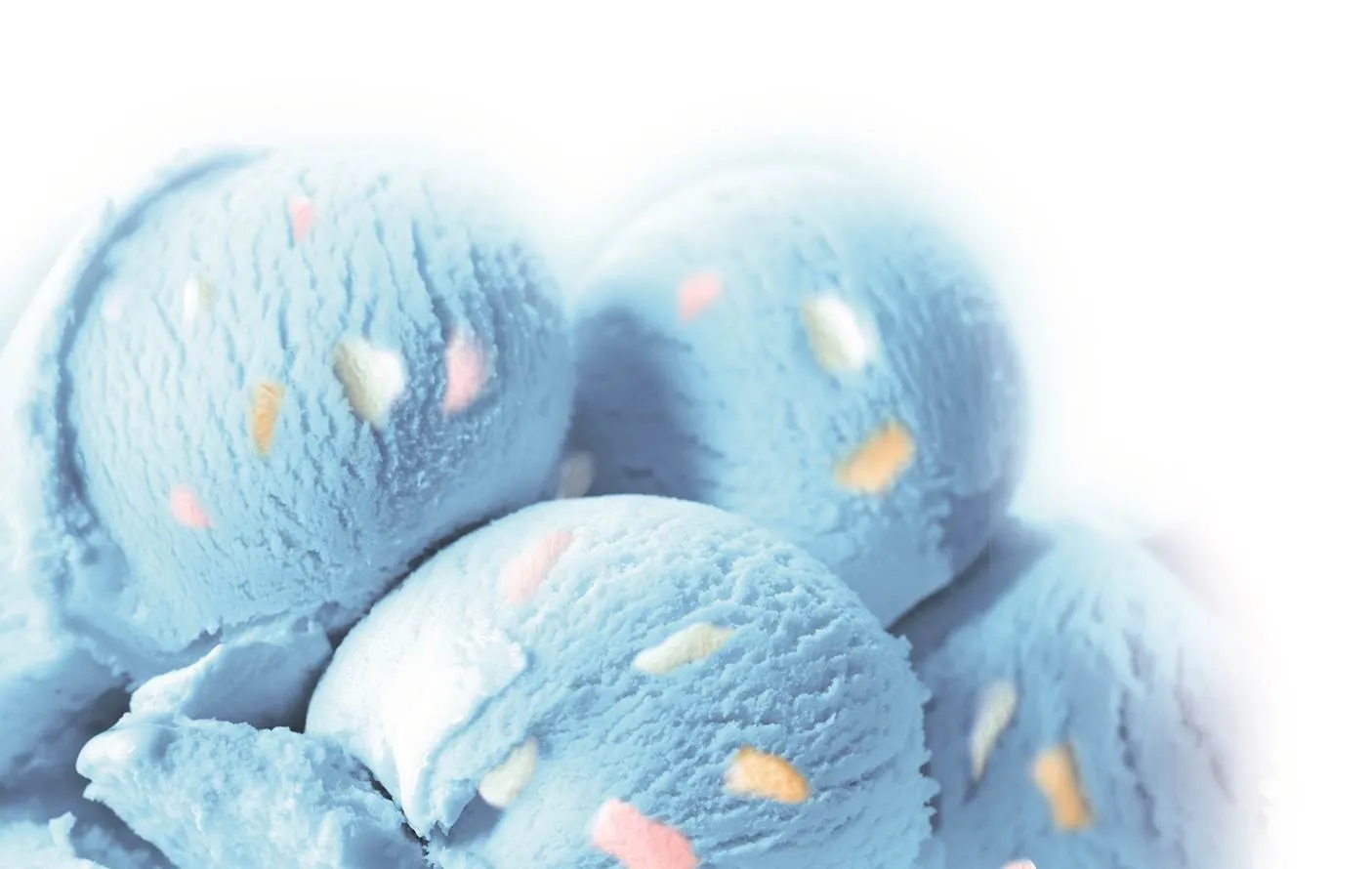
Dairy and frozen products place more attention on smooth appearance, controlled flavor impact, and visually pleasing color in cold conditions. In yogurt, frozen desserts, and ice cream, a vibrant but natural-looking sky-blue can help products stand out while supporting a cleaner ingredient story. At the same time, any off-note is easier to detect in creamy systems. That makes taste neutrality a bigger deal than many buyers first assume. Teams working in this category should evaluate how the powder behaves in milk-based, high-solids, or frozen matrices rather than relying on lab water tests alone. For adjacent internal pages, see Dairy Applications and Ice Cream Applications.
Best blue spirulina powder for confectionery and bakery
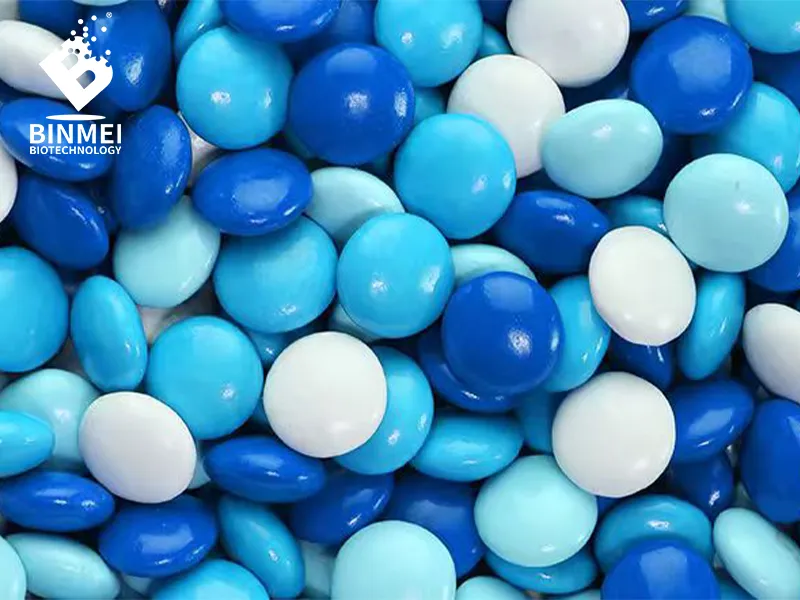
Confectionery and bakery can be more demanding because process conditions vary. Gummies, panned confections, fondant, fillings, frosting, and bakery decorations all ask slightly different things from a blue colorant. In these applications, processors often care about strong initial color, easy dispersion, low flavor interference, and practical advice on when to add the powder in the process. Because phycocyanin is heat-sensitive, the best option is often not the one with the strongest theoretical color, but the one paired with the clearest process guidance. If your product line includes colorful sweets, decorative toppings, or low-heat bakery components, review Bakery Applications and Natural Food Coloring for Gummies.
Best blue spirulina for supplements and nutrition products
In tablets, capsules, powder sticks, and functional nutrition formats, buyer priorities widen. Color still matters, but compliance, traceability, and supplier control may matter even more. Health and nutrition brands often need stronger documentation, higher confidence in ingredient handling, and reliable supply across markets. In those cases, the best blue spirulina powder is usually the one that fits the product concept and the paperwork, not just the marketing copy. A useful internal resource here is Dietary Supplements Applications.
Why do some blue spirulina powders disappoint after purchase?
Most buyer disappointment comes from a mismatch between label promise and real use. A powder may be called premium because its sample bag looks bright blue. But when it is put into a real beverage, gummy, frosting, or nutrition blend, the weaknesses show up quickly. The color may weaken under process conditions. The flavor may be more noticeable than expected. The powder may foam or clump during mixing. Or the supplier may offer only generic claims, with no practical guidance on pH, temperature, dosage, or storage. None of these issues is unusual. They are exactly why commercial buyers need to move beyond surface-level comparisons.
Another common problem is confusing visual intensity with technical suitability. A stronger-looking powder is not always the best choice if the taste profile is intrusive, the documentation is weak, or the powder is difficult to handle in the target system. Teams that buy only on brochure appearance often end up paying twice: first for the ingredient, then for reformulation time.
How to evaluate blue spirulina powder before you buy: a practical checklist
If you want a more disciplined buying process, use a checklist instead of relying on one claim like “organic,” “high purity,” or “best blue spirulina.” A serious evaluation should look at the full fit between ingredient, application, and supplier capability.
- Check the extraction approach. Clean, physical, or water-based extraction usually supports a stronger clean-label story and can reduce concerns about harsh solvent use.
- Check whether the taste is truly mild. This is especially important in drinks, dairy, and sweet applications where even a small off-note can be noticeable.
- Check water solubility. A fully water-soluble or highly dispersible powder is easier to formulate and scale.
- Check technical handling guidance. The supplier should be able to explain dosage, pH suitability, temperature considerations, and storage.
- Check documentation and certifications. Organic, Halal, Kosher, FSSC22000, and FDA-related documentation can be decisive depending on the market and customer.
- Check supplier fit. Capacity, MOQ flexibility, lead time, global export experience, and responsiveness matter just as much as the ingredient spec.
This last point matters more than many teams expect. Large brands may need high-volume annual supply and tighter documentation. SMEs may need stock availability, technical support, and no-MOQ flexibility to move faster. The best blue spirulina powder for one buyer can be the wrong choice for another simply because the supplier model does not fit the business model.
What do science and regulation say about stability, handling, and functional positioning?
Phycocyanin is widely recognized as a heat-, light-, and pH-sensitive pigment, which is why manufacturers often get better results when they use it in lower-heat systems, add it later in the process, or keep it in a moderate pH range. Reviews and studies commonly report stronger stability around mildly acidic to near-neutral conditions, with significant degradation risk as temperature rises or when exposure to light is poorly controlled. That does not make blue spirulina impractical. It simply means it should be chosen and handled with process awareness.
On the functional side, phycocyanin is widely studied for antioxidant activity, and research reviews describe promising biological properties. However, B2B buyers should be careful not to translate early-stage or research-level findings into unqualified finished-product claims. The better commercial approach is to focus first on color performance, clean-label positioning, and compliant claim strategy for the target market. In other words, use science as context, not as a shortcut to risky marketing language.
Regulatory language also requires care. In the U.S., FDA now lists spirulina extract as a color additive exempt from certification, and recent action broadened its use in foods. But compliance requirements still vary by use, market, and finished product category. Buyers selling across multiple regions should always confirm market-specific treatment, classification, and documentation instead of assuming one regulatory position applies everywhere.
Why does supplier quality matter almost as much as ingredient quality?
For procurement, formulation, and commercial teams, blue spirulina is not just a powder. It is a supply decision. The best powder on paper can still become the wrong choice if the supplier cannot provide stable lots, transparent sourcing, timely support, or complete technical documentation. This is why mature buyers often evaluate blue spirulina suppliers through the lens of systems: how raw materials are controlled, how extraction is managed, how much formulation understanding the technical team has, and how reliably the supplier can support both testing and scale.
That is also why vertically integrated operations tend to stand out. When a supplier can trace material from cultivation through extraction and final delivery, the buyer gets more visibility and usually more confidence. When a supplier has its own R&D team, application advice is often stronger. When certifications are already in place, the commercial path gets smoother. These are not marketing extras. They are operating advantages that reduce friction, speed decision-making, and make cross-border business easier.
How Binmei fits what serious buyers look for in the best blue spirulina powder
For buyers who want a technically grounded natural blue solution, Binmei’s profile aligns well with the criteria above. According to the company information provided, Binmei specializes in 100% natural and organic food colors, has served customers in more than 60 countries, and has built a vertically integrated supply chain designed for traceability from farming to finished ingredient. That matters for global buyers who care about consistency, quality control, and sourcing transparency.
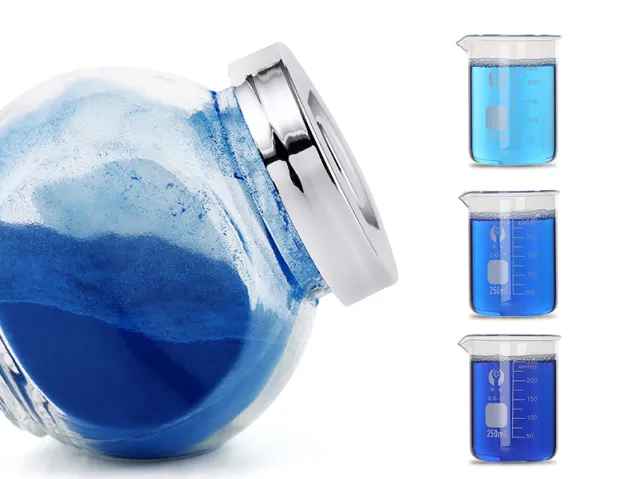
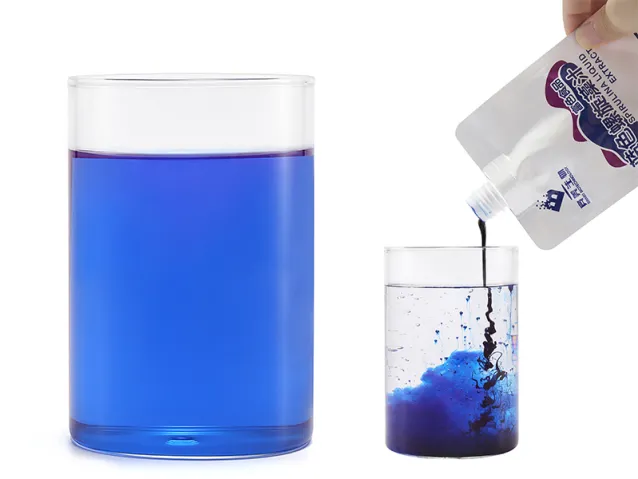
Binmei’s spirulina extract is also positioned around the practical performance criteria that matter most in commercial applications: water-based extraction without harsh chemical solvents, an almost neutral taste, full water solubility, and a bright sky-blue tone designed for food, beverage, dairy, confectionery, and nutrition use. For teams currently comparing suppliers, these are not small details. They sit right at the center of what makes a blue spirulina powder commercially usable.
There is also a service-model fit. Large enterprises may care about scale and integrated technical support, while SMEs often care about low MOQ pressure, stock availability, and faster market entry. A supplier that can support both ends of that spectrum becomes more strategically useful. Buyers who want to explore Binmei’s blue color portfolio directly can review Blue Spirulina Platensis Extract and Phycocyanin Powder, Blue Spirulina Bulk for F&B Business, and Organic Blue Spirulina Liquid Extract & Powder.
How to use blue spirulina powder more effectively in development and production
Even the best blue spirulina powder needs sensible handling. In many formulation environments, the easiest way to improve results is to treat the ingredient as a process-sensitive color system, not as a drop-in commodity. That means validating the dosage range in your own matrix, checking the timing of addition, and confirming the pH and thermal profile of the finished product.
Use dosage deliberately
Start with the supplier’s recommended range and work from application targets rather than guessing from color intensity in the bag. For Binmei’s spirulina extract, the provided guideline is typically 0.05% to 0.1% of total product weight, which is a practical example of why supplier guidance matters. A little often goes a long way, but the right amount depends on the system, shade target, and supporting ingredients.
Control heat exposure
Where possible, blue spirulina is usually better added after the most aggressive heating step or when the product has cooled to a safer working range. This does not mean it cannot be used in all processed foods, but it does mean process design should be realistic about color retention.
Respect the pH window
If your product is highly acidic, you need to validate stability early. Phycocyanin generally performs better in a moderate pH range than in very acidic systems, so technical review at the concept stage can save time later. If your product sits near the edge of the ingredient’s comfortable range, it is wise to run a small pilot before scaling.
Protect the powder during storage
Like many natural pigments, blue spirulina benefits from cool, dry, and light-protected storage. Good storage practice does not turn a weak powder into a strong one, but it can help a strong powder remain reliable through development and commercial use.
Frequently asked questions about the best blue spirulina powder
What is the best blue spirulina powder for food coloring?
The best blue spirulina powder for food coloring is usually the one that balances vivid blue color, mild taste, strong solubility, clean extraction, and practical handling guidance. For B2B teams, supplier reliability and documentation matter just as much as appearance.
Is blue spirulina the same as spirulina powder?
No. Blue spirulina is usually the blue extract rich in phycocyanin, while regular spirulina powder contains the full algae biomass. They differ in color, taste, and common applications.
Why do some blue spirulina powders taste stronger than others?
Taste differences often come from extraction quality, purity level, how much non-blue material remains, and whether the ingredient is optimized for color-focused applications rather than full-biomass nutrition use.
Can blue spirulina powder be used in hot products?
It can be used in some processes, but heat sensitivity is real. Color retention is often better when formulators control temperature carefully or add the ingredient after the highest-heat stage.
What should global B2B buyers look for in a supplier?
Look for traceability, extraction transparency, certifications, export experience, technical guidance, and the ability to support your actual order size and application. A low quote without support can become expensive very quickly.
Why is blue spirulina increasingly relevant now?
Because brands are under pressure to make products more label-friendly while keeping visual appeal strong. Blue is still one of the hardest natural colors to execute well, so a reliable spirulina-based blue can create both technical and commercial value. In the U.S., the broader FDA use listing in 2026 has also made spirulina extract more strategically relevant for food manufacturers.
Conclusion: the best blue spirulina powder is the one that fits your product, process, and supplier requirements
If there is one idea to keep, it is this: the best blue spirulina is not defined by a marketing phrase alone. The best blue spirulina powder is the one that fits your application, your processing reality, your documentation needs, and your commercial model. For beverages, that may mean excellent solubility and low flavor impact. For dairy, it may mean smooth appearance and a gentle taste profile. For supplements, it may mean traceability, certification, and stable long-term supply. For global B2B teams, the supplier behind the powder is often as important as the powder itself.
That is why buyers should evaluate blue spirulina in layers: first for basic usability, then for technical fit, and finally for supplier capability. When those three levels line up, the result is more than a natural blue color. It becomes a smarter clean-label decision.