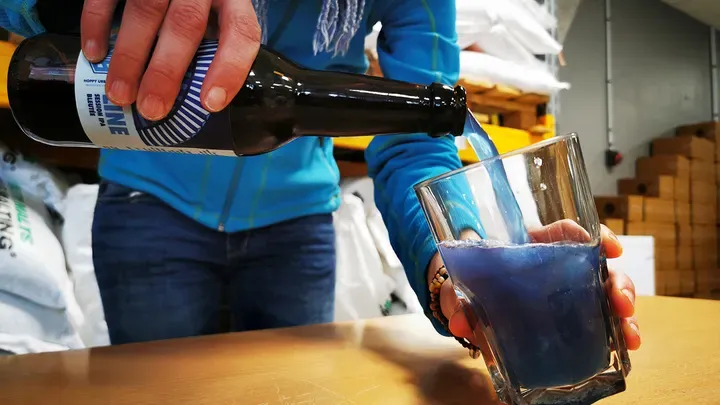
Beer has a long visual tradition. Amber, gold, brown and deep stout tones are all part of how people naturally recognize different styles. That is exactly why blue colored beer feels so unexpected. It breaks away from the visual language that beer has followed for generations, and that alone is enough to make people pause.
That sense of surprise is one reason blue beer keeps attracting attention. It stands out immediately, whether it appears as a limited-edition launch, a craft concept, or a visually driven product designed to create conversation. When the blue direction comes from phycocyanin, the discussion becomes even more interesting, because the concept moves away from a purely synthetic-looking result and toward a more natural color route.
Even so, blue color beer is not a simple idea. Beer is not an easy application for natural blue color. It has its own visual identity, processing logic and style expectations, which means that the attraction of blue must be balanced with whether the final drink still feels believable as beer.
Why Blue Beer Draws So Much Attention
Part of the answer is obvious: it looks different from almost everything else in the category. In a shelf set or a tap lineup where most beers stay close to familiar brewing shades, a blue beer creates instant contrast.
But the appeal goes beyond contrast alone. A well-designed blue colored beer concept can feel playful, futuristic, seasonal or highly shareable, depending on how the product is positioned. In specialty beverage spaces, that kind of visual difference can become part of the product story rather than just a decorative effect.
This is especially relevant in settings where first impression matters. A striking beer can draw attention before the style or flavor profile is even explained.
Why Beer Is a Difficult Application for Blue Color
At first glance, adding blue to beer may sound like a straightforward visual experiment. In reality, beer is one of those categories where the application matters more than the novelty.
Beer already comes with a strong built-in identity. Consumers expect certain colors from certain styles. The darker or richer the beer, the harder it may be for a blue effect to feel clear, clean or even visible in the first place.
This is why blue color beer is rarely a universal concept. It tends to make more sense in selected styles, selected launch ideas and selected brand stories rather than across an entire beer portfolio.
Where Phycocyanin Enters the Conversation
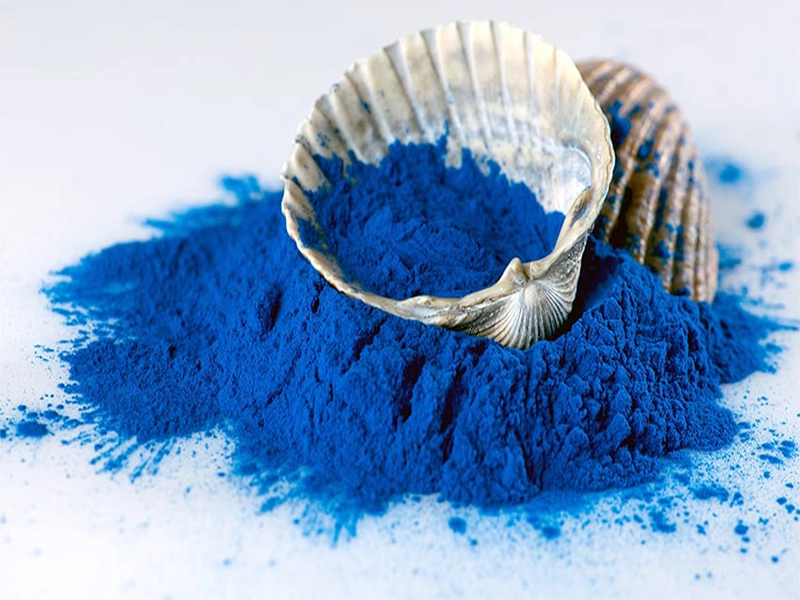
When brewers or beverage developers explore natural blue directions, phycocyanin often becomes part of the discussion because it is closely associated with clean, vivid blue coloring. In the context of beer, that makes it a natural point of interest for teams looking to experiment with a less conventional look.
The attraction here is not only that the ingredient can create blue. It is that it opens the door to a beer concept that feels more visually distinctive while still being connected to a natural color story.
That does not mean phycocyanin is automatically right for every brewing idea. It means it can be worth evaluating when the product concept depends on a strong and clearly intentional blue direction.
What Kind of Blue Beer Concept Usually Works Best
The most convincing blue colored beer concepts usually have a clear reason for existing. They are not simply trying to make beer look unusual for the sake of it. They are designed around a mood, a launch angle or a visual experience.
Craft and Specialty Releases
This is often the most natural home for blue beer. Craft and specialty products already make more room for experimentation, seasonal launches and visual storytelling.
Event-Driven or Limited-Edition Concepts
A blue beer can feel more convincing when it is tied to a festival, themed release, summer concept or brand collaboration. In these cases, the color becomes part of the event-like quality of the product.
Social-First Beverage Ideas
Some drinks are designed not only to be consumed but also to be photographed, discussed and remembered. Blue color beer can fit that kind of product direction especially well when the visual effect is central to the concept.
Where Blue Beer May Feel Less Natural
Just as important as knowing where blue works is knowing where it may feel forced.
- Highly traditional beer lines may not benefit from a strong visual departure
- Darker beer styles may leave less room for a clean blue effect to show clearly
- Products built mainly around classic brewing expectations may lose coherence if the color concept feels disconnected
- Concepts without a clear visual story can make blue look more confusing than compelling
This is one reason the strongest blue beer ideas usually begin with concept clarity rather than ingredient excitement.
Why the Visual Story Matters More Than the Blue Alone
A striking color may attract the first look, but it does not automatically create a strong product. The better question is whether the color supports the identity of the beer in a way that feels complete.
A blue colored beer can feel fresh and memorable when the visual choice matches the product’s tone. It can also feel random if the rest of the beer gives no reason for that color to be there.
This is why the blue has to work as part of a larger idea. Once the color supports the name, the launch angle, the audience and the beverage style, the concept becomes far more convincing.
What Brewers Should Think About Before Exploring Blue Color Beer
Before moving too quickly toward a blue beer concept, it helps to slow down and ask a few simple but important questions:
- What kind of beer style is being developed?
- Will the base appearance allow the blue effect to be seen clearly?
- Is the concept intended as a permanent line or a limited-edition release?
- Does the product need a bold visual statement, or would a subtler route feel stronger?
- Is the blue part of a real brand story, or only a short-lived visual experiment?
These questions often say more about the success of the idea than the ingredient choice alone.
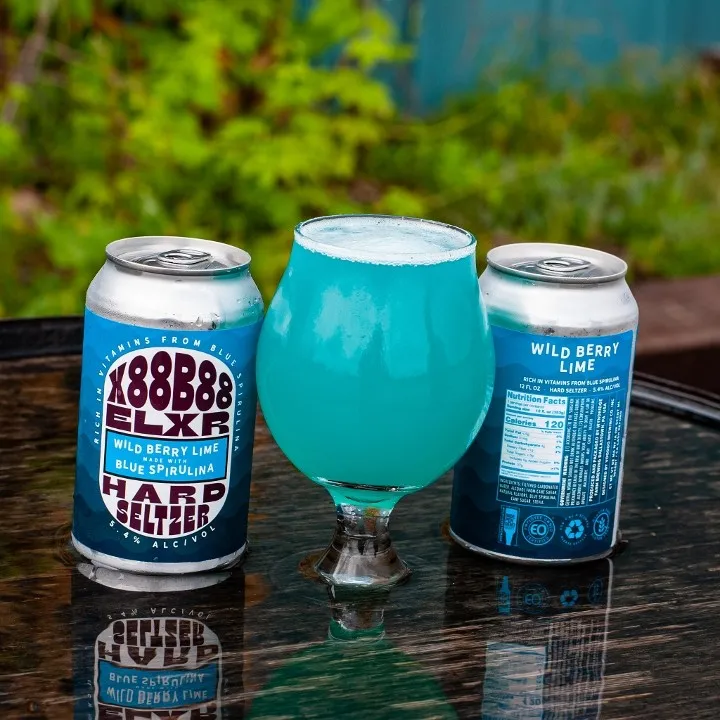
What Makes a Blue Beer Concept Feel Commercially Interesting
A strong blue beer concept usually does not rely on color alone. It tends to work best when several things come together:
- a beer style that leaves room for visual expression
- a launch idea that justifies the unusual appearance
- a brand voice that can carry a more playful or experimental direction
- a final drink that feels intentional rather than gimmicky
When those pieces align, blue colored beer starts to feel less like a curiosity and more like a focused beverage concept with real marketing value.
Questions Worth Asking Before Taking the Idea Further
Before a blue beer concept moves forward, a few final questions are worth keeping in view:
- Does the blue effect still look clear in the actual beer base?
- Is phycocyanin supporting a true product concept or only adding short-term novelty?
- Would the visual effect make more sense in a seasonal or specialty release?
- Is the chosen format aligned with the beverage development process?
- Will the finished beer feel memorable in the right way?
The strongest answers usually come not from chasing surprise alone, but from building a drink that knows exactly why it looks the way it does.
Related Pages for Further Exploration
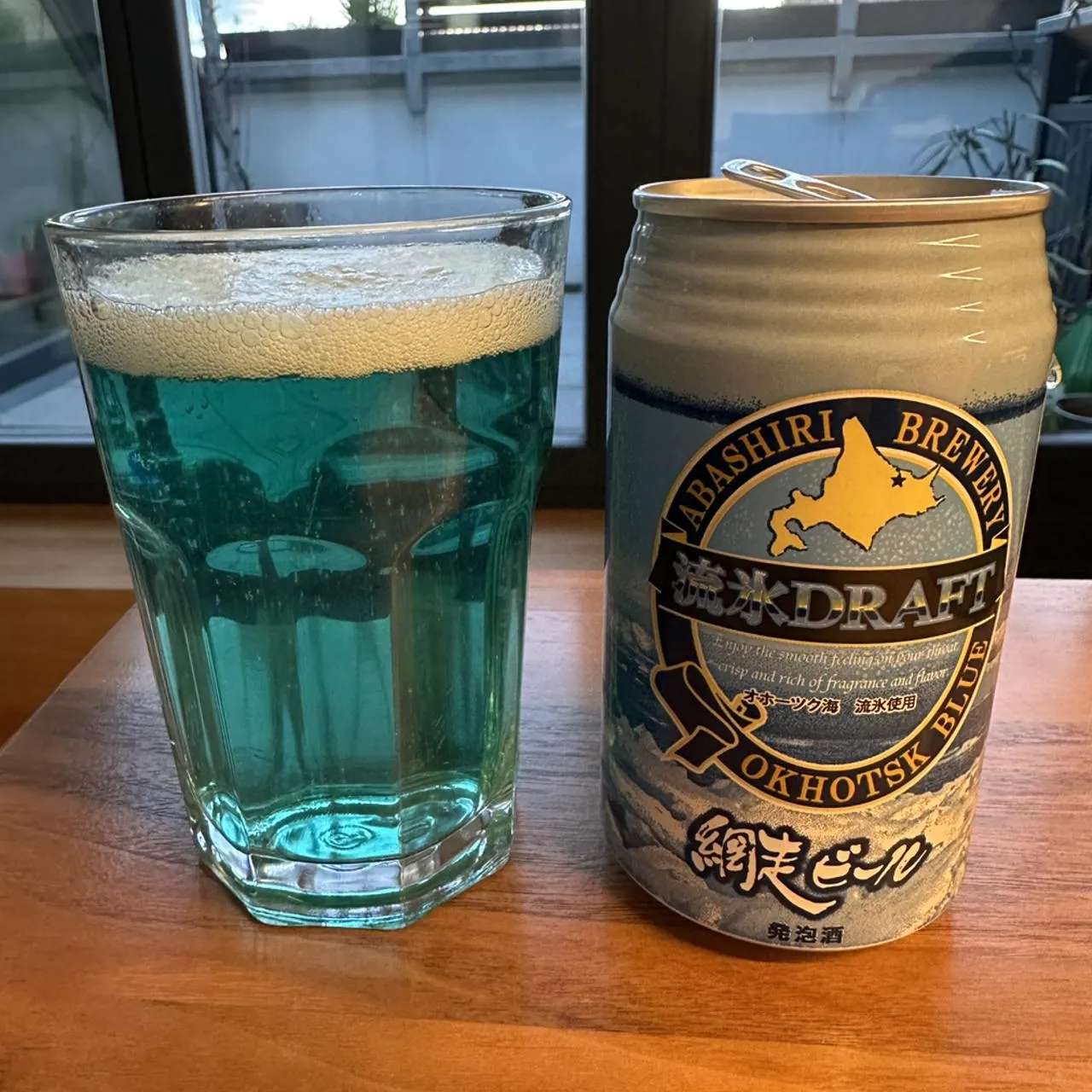
México “Bacalar”
Bacalar beer is the only blue beer in Mexico! This formula is made from a superfood called Blue Spirulina, a blue-green color with multiple beneficial properties for the human body, so you can confidently take it as a 100% natural product, containing 4.0% alcohol.
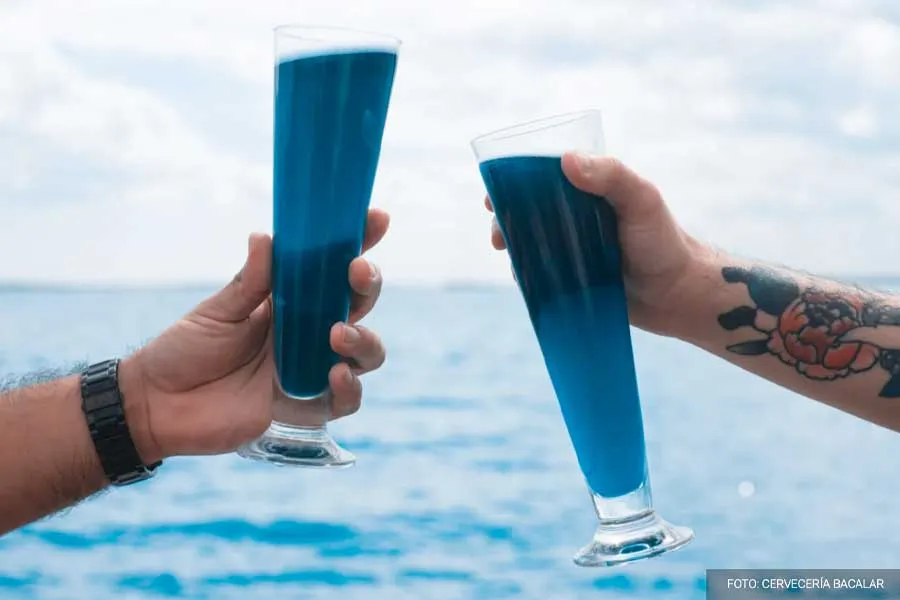
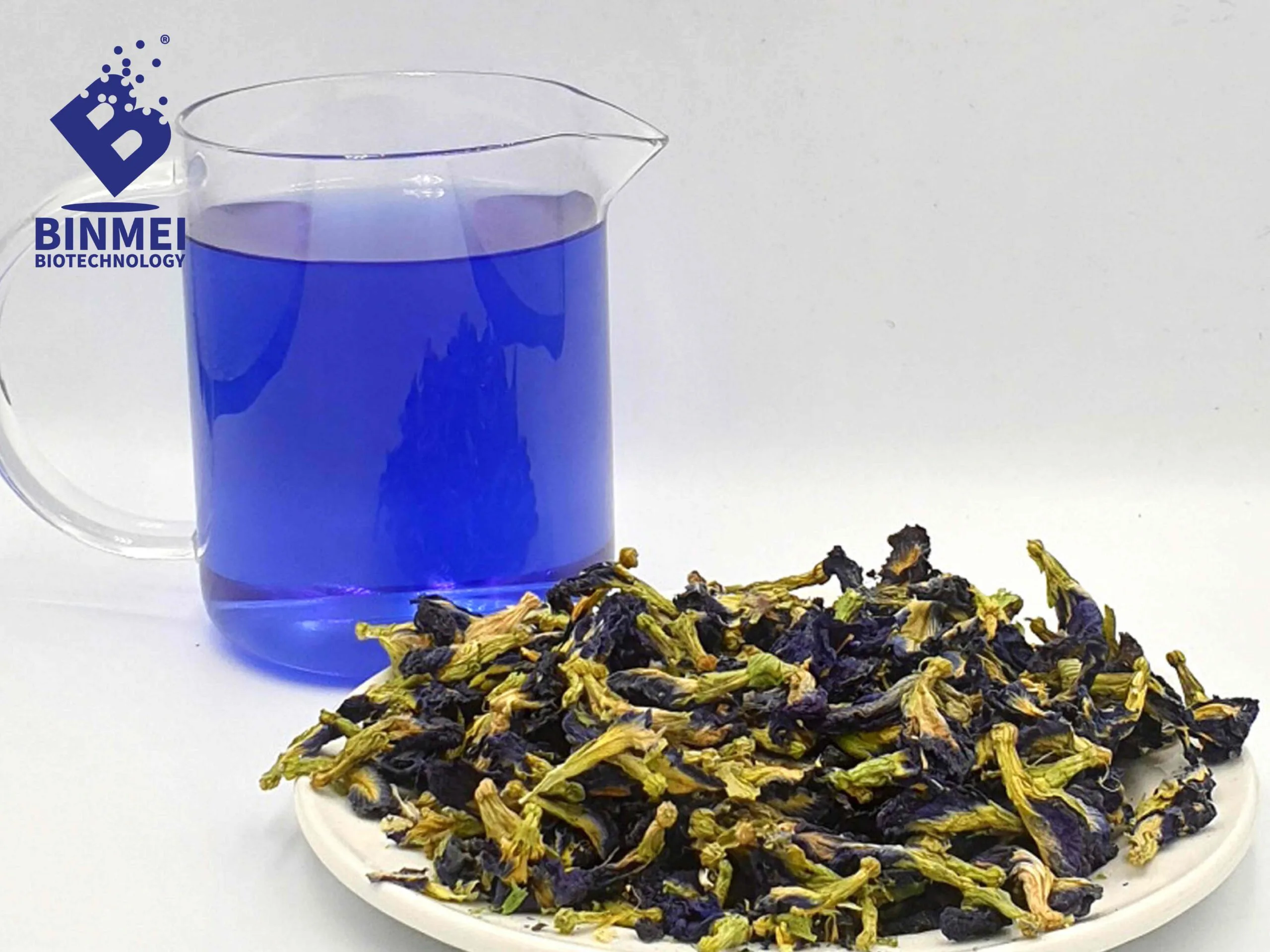
Binmei Biotechnology: Spirulina Extract for Blue Beer
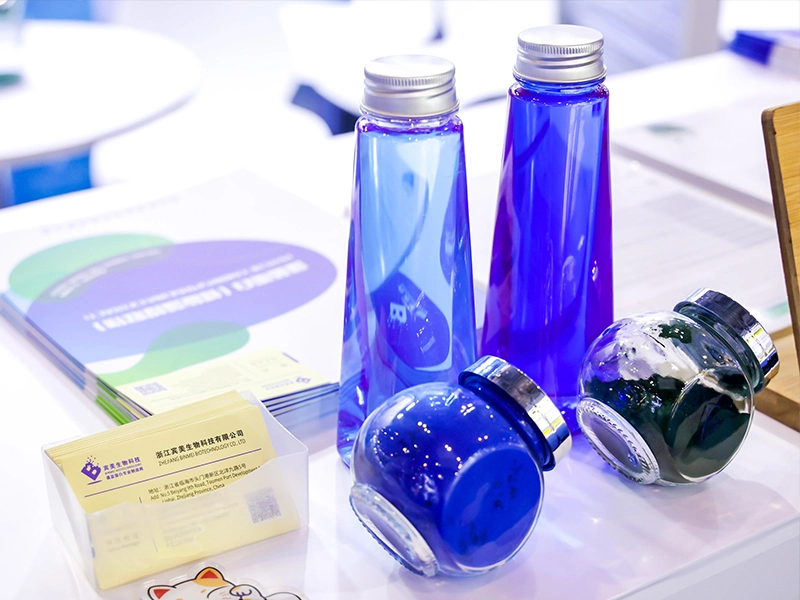
Spirulina extract for beer is a product customized for beer, brewing, and alcoholic beverages, and as a professional manufacturer of spirulina extract, Binmei has developed spirulina extract suitable for beer for the production process and product characteristics of beer and alcoholic beverage brewing. It can be fused with yellow beer to make blue liquor and has good stability and a high coloring rate.
Can be combined with yellow beer to make a blue beer
It has good stability and a high coloring rate
Does not affect the taste and flavor of the beer
Specially formulated for the product characteristics and production processes of beer and alcoholic beverages
Natural, healthy, and free of any artificial and chemical additives
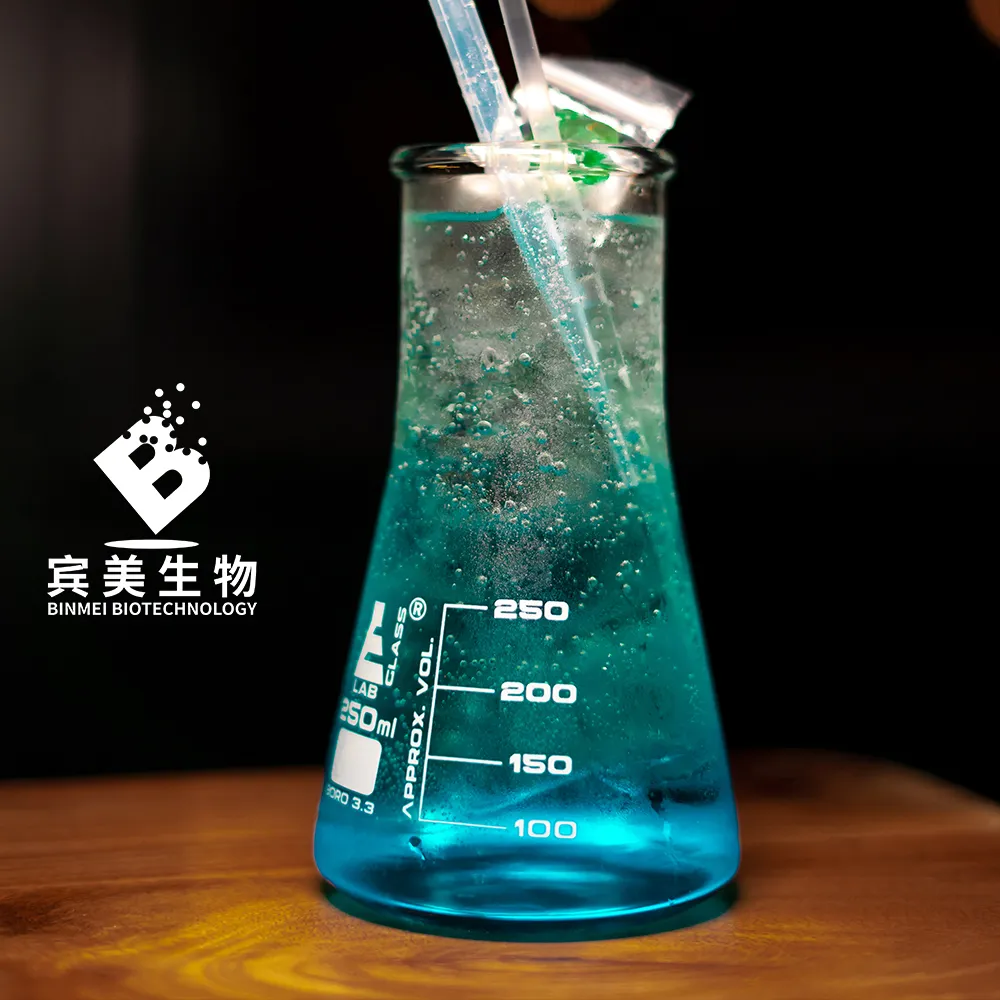
[1]Habschied K., Živković A., Krstanović V., Mastanjević K. Functional Beer—A Review on Possibilities. Beverages. 2020;6:51. doi: 10.3390/beverages6030051.
FAQ
Why does blue colored beer attract so much attention?
Because it breaks away from traditional beer color expectations and creates an immediate visual difference that people notice quickly.
What is phycocyanin doing in blue beer concepts?
Phycocyanin is often explored as part of natural blue beverage concepts because it is associated with vivid blue coloration and can help create a cleaner visual direction for specialty drinks.
Does blue color beer suit every beer style?
Not necessarily. It usually works better in selected craft, specialty or limited-edition concepts than in highly traditional or visually darker beer styles.
Is blue beer better as a permanent product or a limited release?
In many cases it feels strongest as a concept-driven or limited-edition launch, especially when the visual impact is part of the main appeal.
Should brewers choose powder or liquid when exploring a blue beer idea?
That depends on the product development path and the way the beverage is being handled. The stronger option is usually the format that fits the actual workflow most naturally.