Anthocyanins are often introduced through nutrition conversations, berry discussions, or broader interest in plant compounds associated with color-rich fruits and vegetables. In food coloring, however, anthocyanins matter for a different reason. They are closely linked to the red, purple, and blue tones that appear in many botanical ingredients, making them highly relevant in the discussion of natural color sources for food and beverage applications.
That is why anthocyanin-related searches often sit across several different intentions at the same time. Some people want to understand what anthocyanins are. Others search for berries high in anthocyanin, highest anthocyanin foods, or what foods contain polyphenols. Others are trying to understand the difference between anthocyanin and anthocyanidin. In ingredient selection, these questions eventually lead to a more practical issue: how anthocyanin-rich sources relate to natural red and purple food coloring.
In that sense, anthocyanins are not only part of a plant chemistry discussion. They also form part of a much broader natural food color conversation. Understanding where anthocyanins come from, why they are associated with dark berries and red-purple fruits, and how they connect to color direction can help product developers, ingredient buyers, and food brands better interpret botanical color sources.
This guide is built to explain that bridge clearly. It begins with the relationship between anthocyanin and anthocyanidin, moves through common food and berry sources, then brings the discussion back to what matters most in food coloring: shade direction, ingredient relevance, and how anthocyanin-rich sources fit natural red and purple color systems.
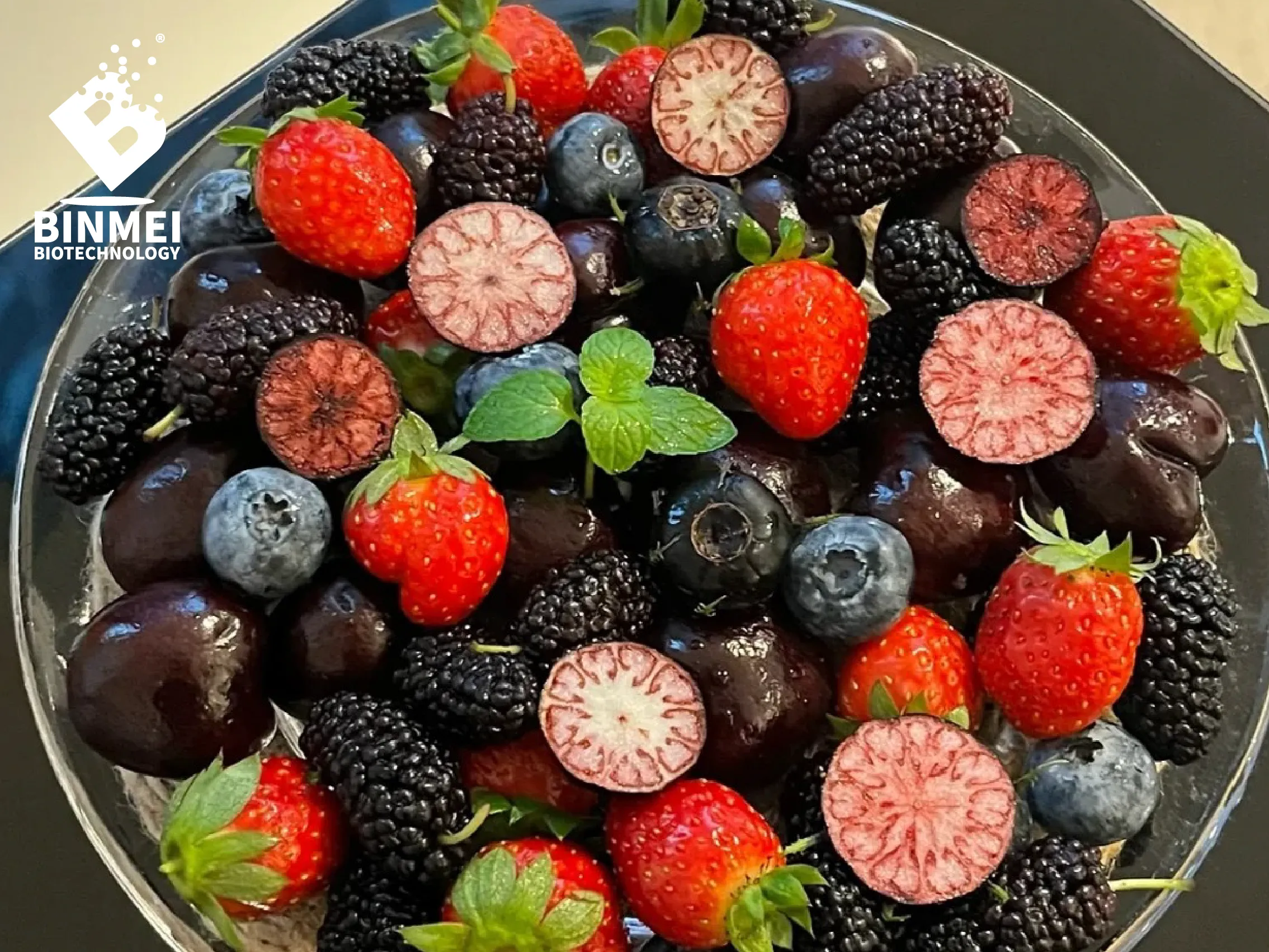
What Are Anthocyanins in Food Coloring?
Anthocyanins are naturally occurring plant pigments commonly associated with red, purple, and blue tones in fruits, vegetables, flowers, and other botanical sources. In everyday food discussions, they are often mentioned in connection with dark berries, purple fruit skins, and intensely colored plant materials. In food coloring, they are relevant because they are part of the pigment system that gives many natural ingredients their red-purple visual identity.
This makes anthocyanins especially important in conversations around natural red and purple food color sources. When a berry, flower, or fruit-derived ingredient is known for deep red, purple, or magenta-like tones, anthocyanins are often part of the reason. That does not mean every anthocyanin-rich food automatically becomes a practical food coloring ingredient, but it does explain why these sources come up so frequently in natural color research.
Searches such as anthocyanin coloring usually reflect this exact overlap. The user may start from a scientific question, a food list question, or a health-adjacent question, but the topic still connects back to the visual role of these pigments in natural ingredient systems.
Anthocyanin vs Anthocyanidin: What Is the Difference?
One of the most common areas of confusion is the relationship between anthocyanin and anthocyanidin. The two terms are closely related, which is why searches such as anthocyanin anthocyanidin and anthocyanidin often appear together.
In simple terms, anthocyanidins are the core pigment structures, while anthocyanins are the forms commonly found in plant materials after these pigment structures are linked with sugar components. That is why anthocyanins are the term more often seen in discussions of fruits, berries, flowers, and food-relevant botanical sources.
For ingredient interpretation, the distinction matters because anthocyanidins belong more to the structural chemistry side of the conversation, while anthocyanins are more directly tied to real plant sources and therefore to ingredient discussions. When natural color users search for anthocyanin-rich materials, they are generally dealing with anthocyanin-containing botanical sources rather than isolated structural terminology.
This is also why ingredient buyers and food developers do not usually start with anthocyanidin as a sourcing term. They are more likely to start with berry sources, red-purple botanical materials, or natural color categories. Even so, understanding the anthocyanin-anthocyanidin relationship helps make sense of why both terms appear in color, polyphenol, and plant pigment literature.
Why Anthocyanins Matter in Natural Red and Purple Food Coloring
In natural food coloring, anthocyanins matter because they are strongly associated with botanical shades ranging from bright red and pinkish-red to deep purple and dark berry tones. This makes them part of the broader foundation for many natural red-purple ingredient conversations.
Red and purple are among the most commercially valuable natural color directions. They appear across beverages, confectionery, fruit preparations, bakery fillings, dairy concepts, frozen desserts, and specialty food launches. Whenever a product team starts looking for berry-like, floral-red, or dark purple color identities, anthocyanin-rich sources often enter the discussion.
That does not mean anthocyanins function as a single universal color answer. Different botanical sources create different shade directions. Some lead toward vivid berry-purple cues. Others feel more red, wine-like, or dark fruit-inspired. Some are more suitable for certain food systems than others. What anthocyanins do provide is an important pigment framework for understanding why these sources are visually relevant in the first place.
This is where anthocyanin knowledge becomes useful beyond chemistry. It gives structure to color source selection. Instead of treating every red or purple botanical ingredient as interchangeable, product teams can begin to understand that many of these ingredients are connected by a shared anthocyanin-based color logic, even when their final applications differ.
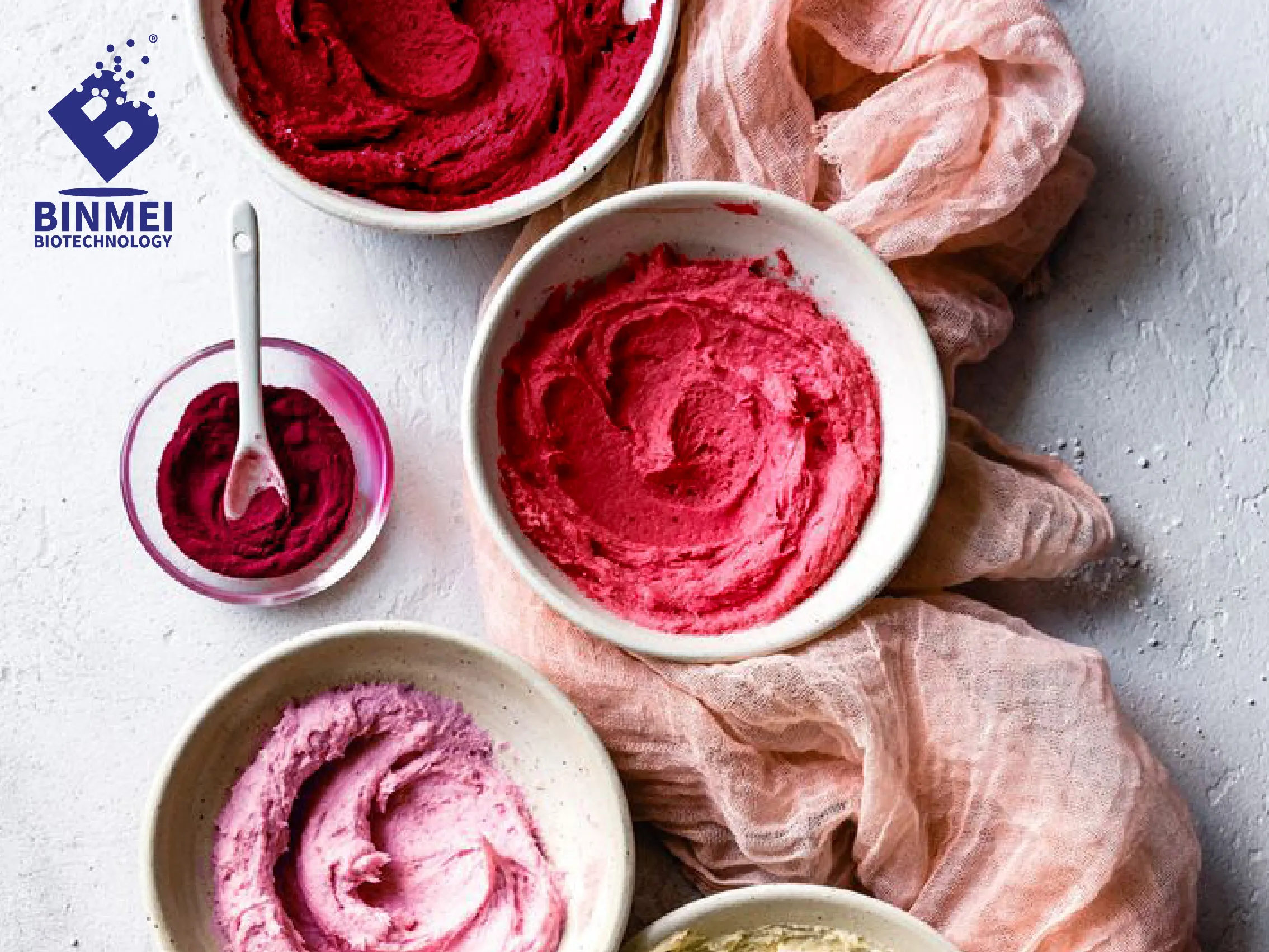
Common Foods High in Anthocyanins
Searches like what foods are high in anthocyanin or highest anthocyanin foods usually reflect an interest in where these pigments are most commonly found in nature. While exact concentration is not the main concern of a food coloring guide, it is still important to understand the types of foods that repeatedly appear in anthocyanin-related conversations.
In broad terms, anthocyanins are most commonly associated with dark red, purple, blue, and nearly black plant foods. These often include:
- Dark berries such as aronia, elderberry, blackberry, bilberry, blueberry, and blackcurrant
- Red to purple fruits such as grapes, cherries, and plums
- Purple vegetables and plant tissues such as purple sweet potato, purple cabbage, and eggplant skin
- Botanical materials known for floral-red or magenta-purple tones in certain ingredient discussions
These foods are not identical in how they are used, and they are not equally suitable as ingredient sources. Still, they help explain why anthocyanins are so often associated with dark fruits, berry pigments, and naturally expressive red-purple coloration.
For this reason, many searches about foods high in anthocyanins end up indirectly touching on food color source logic, even when the user did not begin there. The visual intensity of these foods is one reason they are repeatedly discussed in both consumer-facing nutrition topics and ingredient-facing natural color topics.
Berries High in Anthocyanin and Why They Matter
Among all anthocyanin-rich foods, berries hold a particularly important place. Searches such as berries high in anthocyanin, berries high in antioxidants, and berries high in polyphenols are extremely common because berries are one of the most visible categories where anthocyanin-rich color and plant compound discussions overlap.
Dark berries often attract attention because of their deep visual identity. Their skins, juices, or extracts can present rich red-purple to dark purple tones that feel naturally intense. In ingredient language, this makes berries especially relevant when product developers are thinking about fruit-associated natural color directions.
Several berry families repeatedly appear in both anthocyanin and food color conversations:
- Aronia: often associated with dark, rich berry-purple character and frequently discussed in both pigment and botanical ingredient contexts
- Elderberry: commonly recognized for deep purple visual cues
- Blueberry and bilberry: well-known berry sources in anthocyanin-rich food discussions
- Blackcurrant and blackberry: frequently referenced in dark fruit pigment conversations
This does not mean berry sources should be reduced to a single “better” or “stronger” ranking. In food coloring, what matters more is how the source relates to shade direction, source identity, and product use. A berry may be frequently discussed because it is high in anthocyanins, but in ingredient selection the more important question becomes whether that berry source makes sense for the intended color and formulation path.
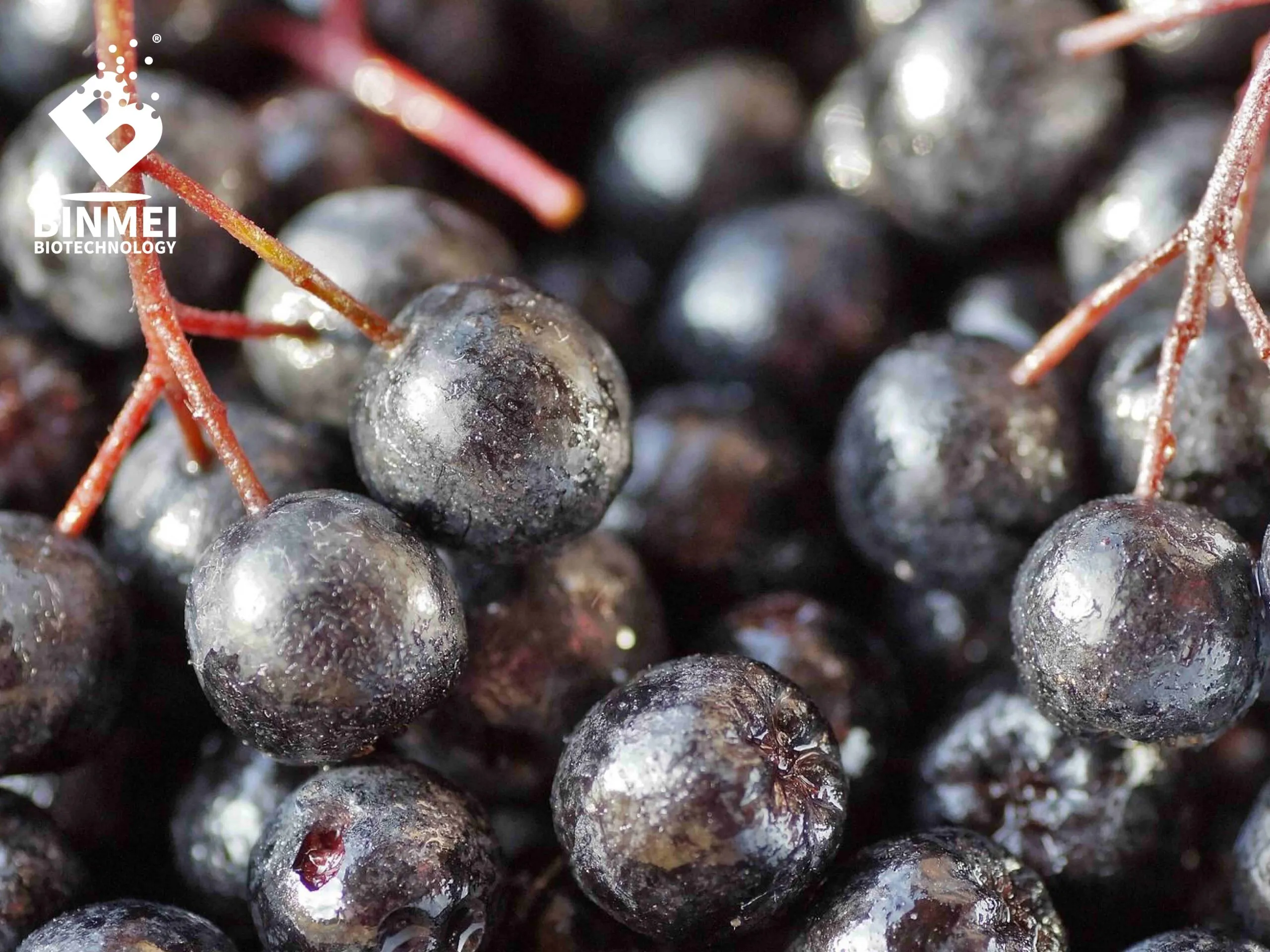
Anthocyanins, Polyphenols, and Antioxidant Discussions
Anthocyanins are often mentioned alongside broader terms such as polyphenols and antioxidants. That is why searches like what foods contain polyphenols and berries high in antioxidants so often overlap with anthocyanin-related search behavior.
Anthocyanins belong to the broader family of plant compounds commonly discussed under the polyphenol umbrella. In food-source discussions, especially around dark berries and deeply colored fruits, anthocyanins are frequently part of the reason these materials are described as polyphenol-rich or antioxidant-associated.
For a food coloring page, however, the most important point is not to turn that overlap into a health claim discussion. The useful takeaway is simpler: when a berry or fruit is repeatedly described as rich in anthocyanins, rich in polyphenols, or associated with antioxidant conversations, it is often also a source that carries strong color relevance. That color relevance is what makes anthocyanins valuable in natural red-purple ingredient interpretation.
In other words, berries high in anthocyanins often attract attention for more than one reason. Nutrition-oriented audiences may focus on plant compounds. Ingredient-oriented audiences focus more on pigment direction and source identity. A strong authority page should acknowledge both search paths while keeping the primary discussion aligned with food coloring relevance.
Why Not Every Anthocyanin-Rich Food Becomes a Practical Color Ingredient
One of the most important distinctions in this topic is that anthocyanin-rich foods are not automatically practical food coloring ingredients. Search interest and ingredient relevance do not always move in the same direction.
A food may be well known as one of the highest anthocyanin foods, yet still not function as a commonly selected food coloring ingredient. Ingredient choice depends on more than pigment presence alone. It also depends on source behavior, intended shade, product concept, and whether the ingredient fits the way a manufacturer wants to build the final formula.
This is why the anthocyanin conversation must be separated into two layers:
- Food-source relevance: where anthocyanins appear in nature and why certain foods are repeatedly discussed
- Ingredient-use relevance: which botanical sources make sense when the goal is natural red-purple color direction in food applications
That distinction is especially important for Google-facing authority content. Without it, a page can drift into general berry education or nutrition content. With it, the page becomes much more useful for people who need to move from broad understanding toward ingredient interpretation.
Anthocyanin Coloring and Shade Direction
The phrase anthocyanin coloring can sound broad, but in practice it usually points to a recognizable visual family. Anthocyanin-related botanical materials are often associated with color directions such as berry red, purple-red, magenta-purple, dark fruit purple, and other red-to-purple variations.
This is part of what makes anthocyanin-rich sources so commercially relevant. In product development, red and purple are not one single color need. Some products need a fresh fruit-like tone. Others need a darker, more premium berry look. Some need a floral red impression. Others need deeper purple character. Anthocyanin-rich materials matter because they are part of the ingredient conversation behind these visual outcomes.
Understanding shade direction also helps explain why one anthocyanin-related source may be more relevant than another. The useful question is rarely just “which food has anthocyanins?” It is more often “which anthocyanin-associated source supports the type of red or purple direction the product needs?”
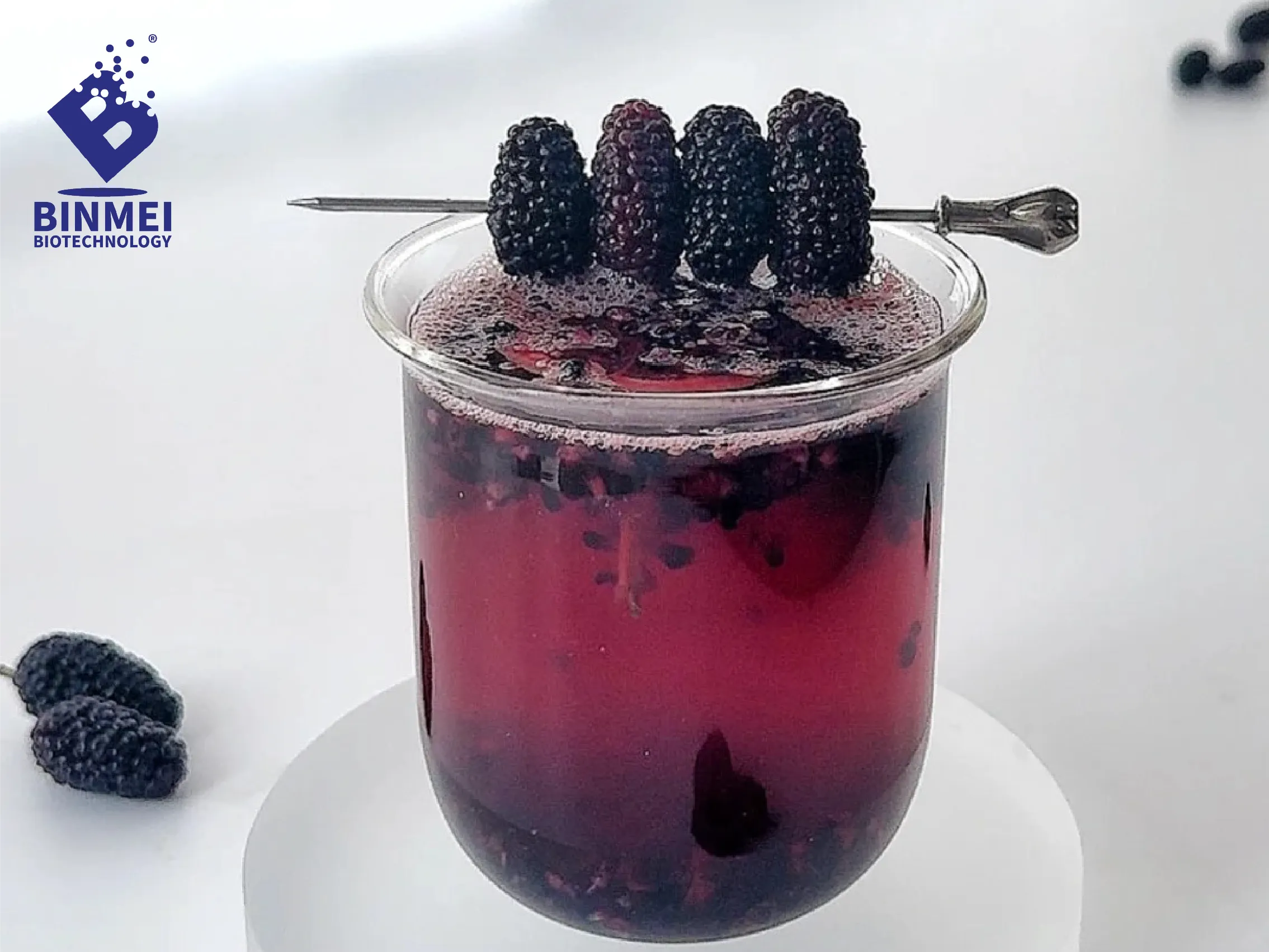
Anthocyanin-Rich Sources in Red and Purple Ingredient Selection
Once the discussion shifts from general foods into ingredient relevance, certain botanical directions become much more important. This is where anthocyanin understanding connects directly with natural red and purple food coloring selection.
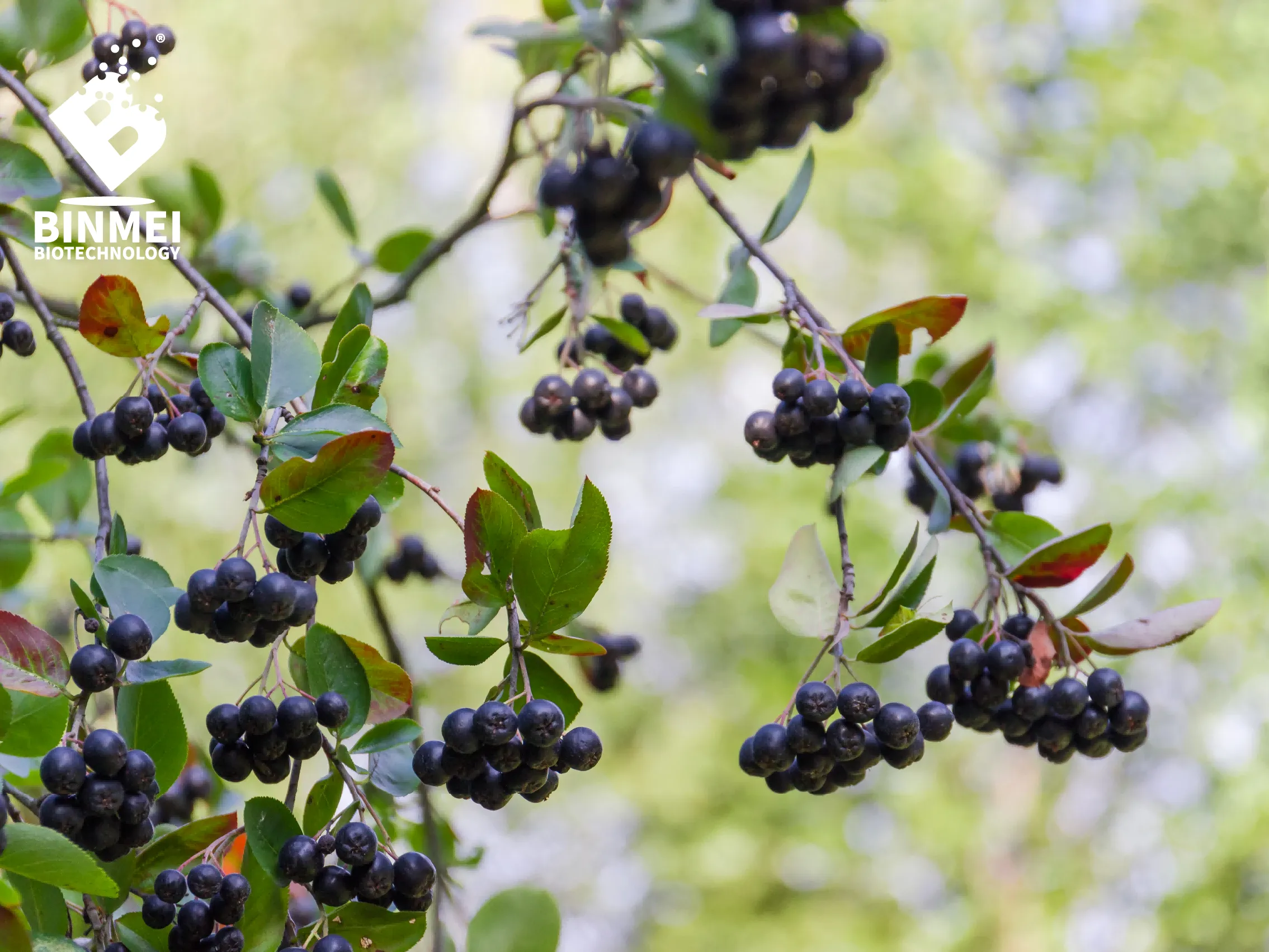
Among berry-related ingredient directions, aronia berry extract powder is one of the clearest examples of how anthocyanin-rich source discussions can move into food coloring relevance. Aronia is often associated with dark berry character, strong red-purple identity, and ingredient-level usefulness in natural color conversations.
Floral-red ingredient discussions also matter. In natural red color selection, some product developers explore botanical routes that move beyond berries and into flower-derived direction. A page such as hibiscus color helps illustrate how the red-purple natural color conversation includes more than one source family.
At a broader level, anthocyanin-related sources belong inside the wider category of natural red food coloring. That category is where users move from understanding pigment relevance into understanding ingredient families, shade directions, and the options available across red and purple systems.
For users who are specifically comparing routes rather than learning the chemistry, alternatives for red food coloring is a natural next step. It allows the discussion to shift from “what anthocyanins are” into “which red ingredient directions might suit a product objective.”
How Food Developers and Buyers Use Anthocyanin Knowledge
For ingredient professionals, anthocyanin knowledge is most useful when it improves decision-making. It helps product teams interpret why certain sources appear repeatedly in red-purple natural color discussions, why berry and fruit language matters, and why some source families are explored more often than others.
This is particularly valuable at the early evaluation stage. A team may not yet know which specific natural red or purple ingredient it needs, but it can still benefit from understanding the role anthocyanins play in shaping source identity. That understanding makes it easier to recognize why aronia, hibiscus, berry-derived materials, and other botanical sources are discussed in different ways.
It also prevents a common mistake: assuming that all red-purple botanical sources are interchangeable. Anthocyanin-rich materials may belong to the same broad pigment conversation, but they can still differ significantly in visual character, source story, and the type of product direction they support.
In that sense, this topic is not just about chemistry terminology or food lists. It is about learning how a pigment family helps organize ingredient thinking. That is what makes anthocyanin knowledge useful in practical food coloring work.
How This Topic Fits into the Broader Natural Food Coloring System
Anthocyanins are only one part of the natural food coloring landscape, but they are one of the most important parts of the red-purple segment. They help explain why dark berries, richly colored fruits, and certain botanical sources keep appearing in ingredient discussions. They also help explain why natural red food coloring cannot be understood as one single ingredient type.
Some users begin with plant compound vocabulary. Others begin with berry sources. Others begin with color needs. A strong authority page should show that these routes are connected. Anthocyanin terminology explains the pigment family. Food lists explain where these pigments commonly appear. Ingredient pages explain how that understanding translates into practical natural red-purple color selection.
This layered structure is what turns scattered search intent into a coherent authority asset. Instead of competing as a generic berry health article or a shallow terminology page, the content becomes a genuine bridge between scientific language, food-source language, and natural color ingredient understanding.
Where to Explore Next
Users who want to move from anthocyanin understanding into practical ingredient pathways can continue through several related directions. For the broader category view, natural red food coloring provides a clearer picture of how red ingredient families are organized. For a berry-driven route, aronia berry extract powder shows one of the most relevant anthocyanin-connected ingredient directions. For a floral-red path, hibiscus color offers another important perspective. For a wider decision framework, alternatives for red food coloring helps connect ingredient understanding with selection logic.
FAQ
What are anthocyanins in food coloring?
Anthocyanins are natural plant pigments commonly associated with red, purple, and blue tones in botanical materials. In food coloring, they are important because they help explain why many berry, fruit, and flower-related ingredients are relevant in natural red and purple color discussions.
What is the difference between anthocyanin and anthocyanidin?
Anthocyanidins are the core pigment structures, while anthocyanins are the forms commonly found in plant materials after those structures are linked with sugar components. Anthocyanins are therefore the term more often used in discussions of real food and botanical sources.
Which berries are high in anthocyanin?
Dark berries such as aronia, elderberry, blackberry, bilberry, blueberry, and blackcurrant are commonly associated with higher anthocyanin presence. In color discussions, these berries matter because they often carry strong red-purple to dark berry visual identity.
What foods are high in anthocyanin?
Foods high in anthocyanins are usually dark red, purple, blue, or nearly black plant foods. These often include dark berries, grapes, cherries, plums, purple vegetables, and other highly pigmented botanical materials.
Are anthocyanins related to polyphenols?
Yes. Anthocyanins are often discussed as part of the broader polyphenol conversation. That is one reason anthocyanin-rich berries and fruits frequently appear in searches about foods containing polyphenols.
Do foods high in anthocyanins automatically make good food coloring ingredients?
Not always. A food may be rich in anthocyanins and still not be the most practical ingredient choice for food coloring. Ingredient relevance depends on more than pigment presence alone. Source identity, shade direction, and product-use suitability also matter.
Why are anthocyanins important for natural red food coloring?
Anthocyanins are important because they are strongly connected to many botanical red and purple shades. They help explain why berry-derived and other plant-based sources appear so frequently in natural red and purple ingredient selection.
Where should I go next after learning about anthocyanins?
A useful next step is to explore natural red food coloring for the broader category, aronia berry extract powder for a berry-based direction, hibiscus color for a floral-red direction, or alternatives for red food coloring for a wider selection framework.