Best Natural Red Food Coloring & Green
Best Natural Red Food Coloring in 2026: Hibiscus Extract, Spirulina Green Dye, and What Actually Works
Stripping synthetic dyes like Red 40 out of an ingredient panel forces food brands to walk a delicate technical tightrope. You cannot simply swap a chemical dye for a crushed botanical and expect the exact same shelf life. I remember the frustration of formulating a beautiful plant-based frosting, only to watch it fade into a dull gray after sitting in a display case for 12 hours. The market dynamics have shifted drastically over the past five years. Consumers no longer tolerate the heavy "vegetable" aftertaste that plagued early natural colorants, and retail buyers demand exceptional stability across modern food systems.
Today, establishing the gold standard requires evaluating safety, total ingredient transparency, shade intensity, taste neutrality, and application fit. Buyers no longer ask a simple yes-or-no question about whether an ingredient is natural. They ask a commercial question: Which natural color performs flawlessly in my specific product matrix? When you formulate a high-protein beverage or a delicate confection, you need an integrated solution. Specialized suppliers like Zhejiang Binmei Biotechnology Co., Ltd. provide comprehensive portfolios covering natural blue, red, yellow, green, and black, proving that successful brands partner with multi-color experts rather than single-ingredient vendors to solve complex application challenges.
Navigating the Core Fundamentals of Plant-Based and Organic Sourcing
Understanding the strict vocabulary of the clean-label movement saves procurement teams thousands of dollars in compliance errors. Formulators often blur the lines between plant-based ingredients and organic certifications, but regulatory bodies treat them entirely differently. A plant-based food coloring strictly defines the source material, ensuring the pigment originates from botanicals or algae rather than petroleum. An organic food coloring, conversely, dictates the agricultural methodology, requiring rigorous certification that the raw materials grew without synthetic pesticides and underwent extraction without prohibited chemical solvents.
Establishing the best non toxic food coloring serves as the baseline for all 2026 formulations. In B2B buyer language, non-toxic means entirely free from controversial artificial dyes and naturally derived from safe, recognizable sources. This positioning allows you to push products confidently into family-oriented markets, premium wellness categories, and clean-label retail spaces.
You must also carefully navigate vegan compliance, which carries hidden risks. Not all natural colors qualify as vegan automatically. Carmine, an extremely common natural red dye, originates from crushed insects. Brands targeting modern ethical consumers must actively avoid these animal-derived ingredients. Utilizing true botanical and algae-based solutions—such as Butterfly Pea Flower Extract, Aronia Berry Extract, or Spirulina—guarantees that your ingredient panel remains completely aligned with strict vegan dietary standards while delivering brilliant visual impact.
The Color Lab: Finding the Best Natural Red Food Coloring and Green Dyes
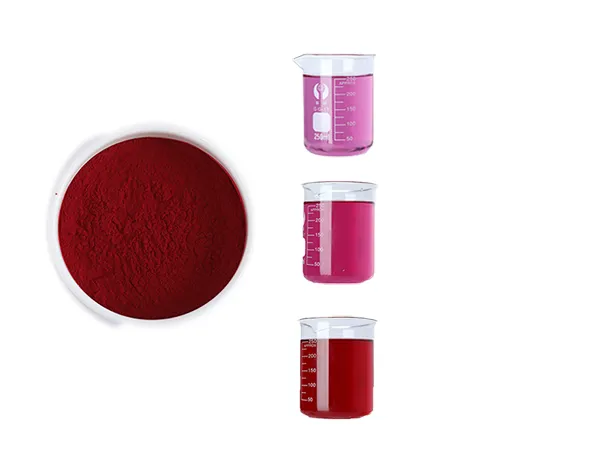
Replicating the intense, fiery hues of artificial red presents one of the greatest hurdles in product development. Evaluating the best natural red food coloring requires you to run rigorous performance tests comparing beet-based reds, berry-based reds, and floral extracts.
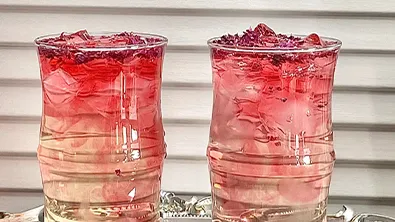
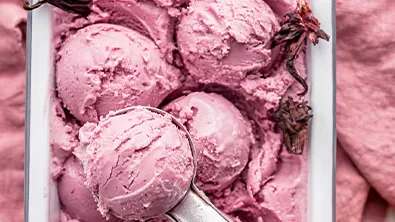
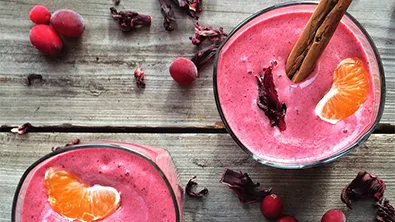
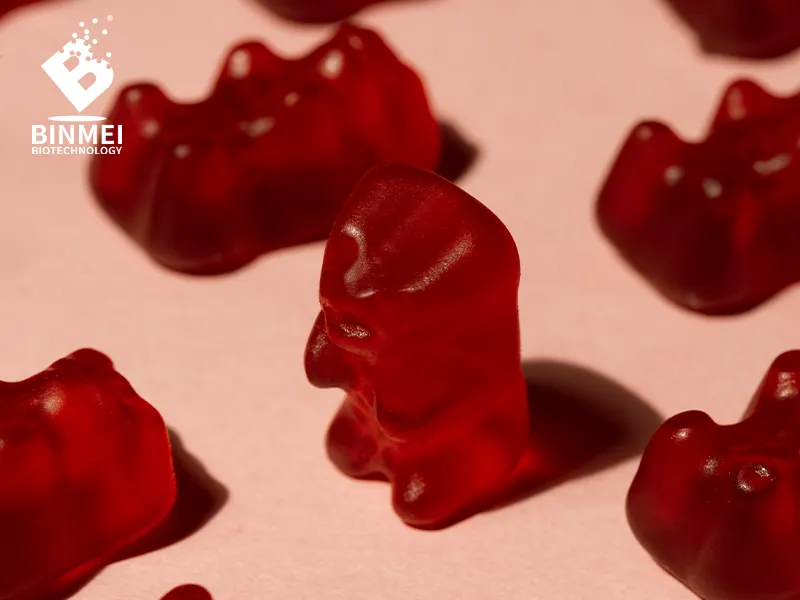
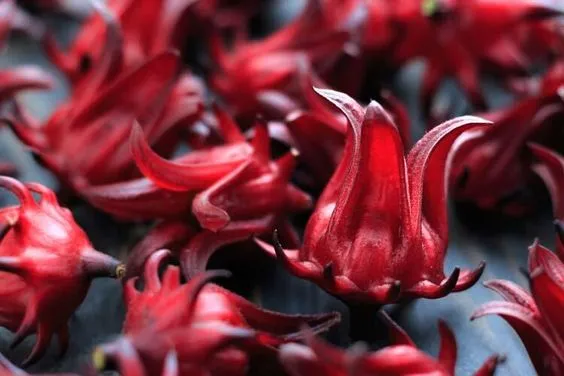
Many formulators quickly discover where the best hibiscus extract fits into a strategic red strategy. Hibiscus delivers an incredibly vibrant, fruit-forward shade character with intense visual appeal. It thrives in acidic systems, making it the premier choice for sports drinks, fruit juices, glazes, and specialty dessert applications. Unlike beet root, which frequently leaves a lingering, earthy root-vegetable aftertaste, hibiscus complements fruit flavors naturally. If you formulate a raspberry gummy or a strawberry kombucha, hibiscus enhances both the visual profile and the subtle tartness of the product.
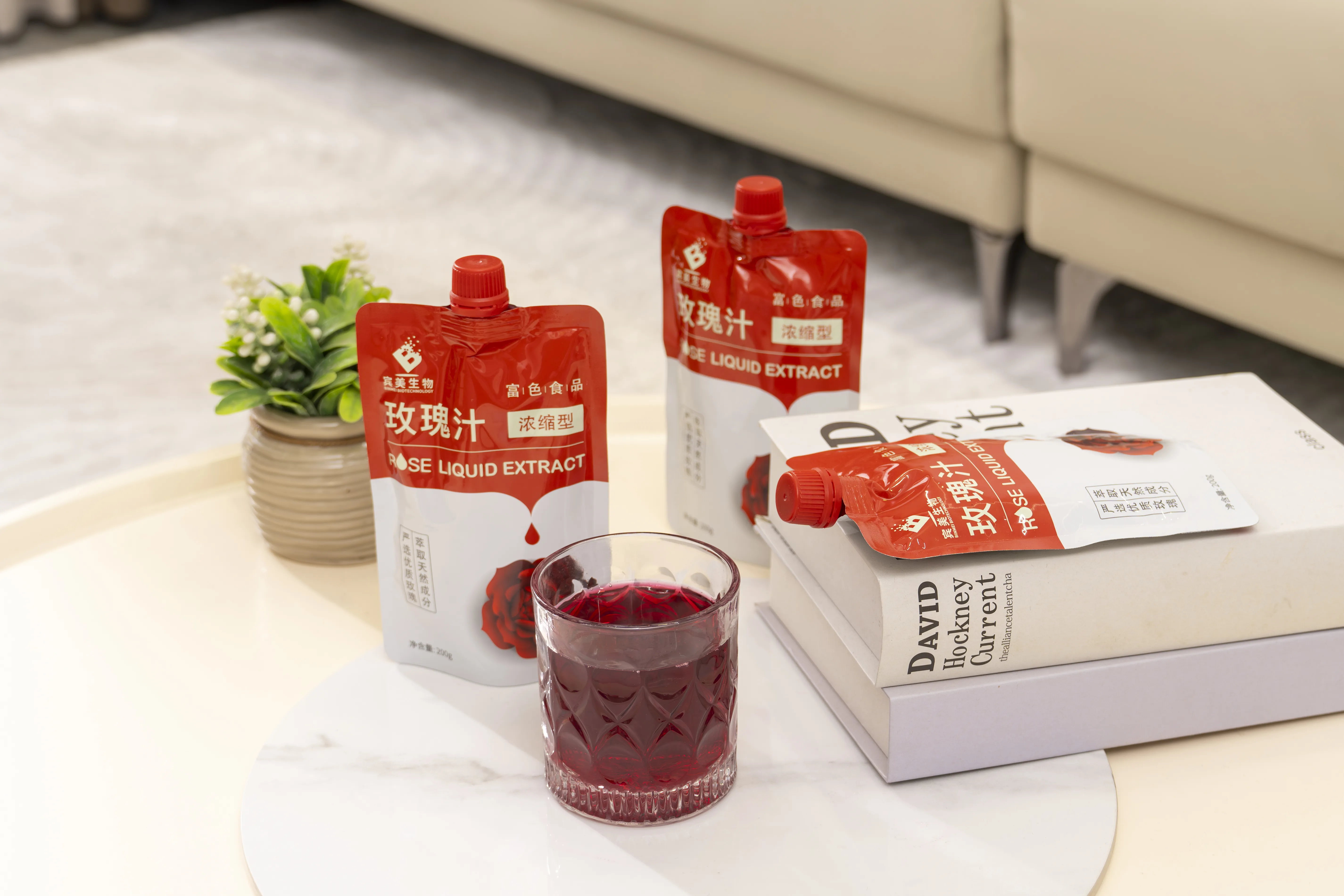
Understanding pH chemistry dictates your success with botanical reds. Think of the classic "lemon juice versus baking soda" effect. Anthocyanins, the active pigment compounds in many botanical reds, act as natural pH indicators. Acidic conditions brighten these reds, pushing them toward brilliant pinks and magentas. Alkaline conditions, however, frequently dull the color, shifting it toward an unappetizing purple or gray. When formulating frostings or baked goods with higher pH levels, you must buffer the system or select a pigment inherently resistant to alkaline shifts. Comparing different botanical sources helps here. Aronia Berry Extract works beautifully for yogurts, jellies, and sweets where the pH remains relatively low. Rose Liquid Extract provides a stunning red color while adding a premium, functional floral positioning that resonates deeply with wellness consumers.
Transitioning to the other side of the spectrum, the best natural green food dye faces an entirely different set of environmental threats. Green pigments notoriously suffer from severe browning when exposed to the high heat of industrial ovens, and they often lose their vibrancy over long shelf lives. Chlorophyll-based greens can work in cold applications, but they sometimes introduce grassy off-notes into delicate systems like vanilla cream or white chocolate.
This reality explains why spirulina-based green systems prove significantly more commercially useful for modern brands. Sourcing a high-quality green Spirulina Extract provides a superior clean-label story. It fits perfectly into health-oriented foods and offers incredible flexibility across dietary supplements, functional beverages, and dry protein blends. Spirulina superfine powder delivers uniform coloring and a highly delicate taste, ensuring that your pressed tablets or powdered drink mixes look vibrant without tasting like a stagnant pond. To combat browning during high-heat baking, you must choose the correct physical format, carefully adjust temperature exposure times, and meticulously match the pigment to the specific moisture activity of the dough.
The Blue Ribbon Selection: Why Phycocyanin Dominates
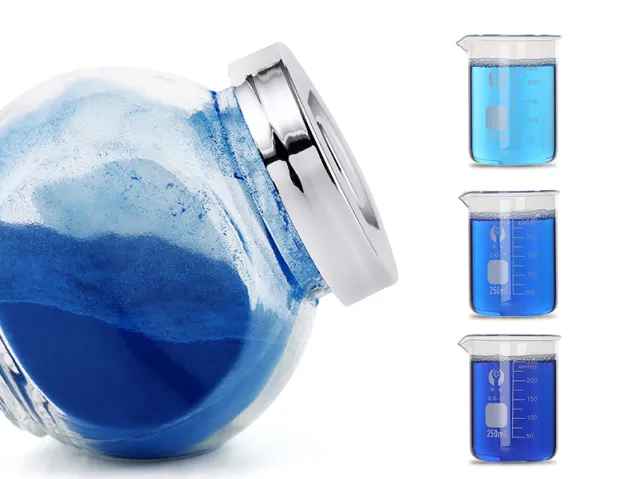
True blue rarely exists in the natural botanical world, which makes capturing it an incredibly valuable commercial asset. Phycocyanin, the active protein pigment responsible for blue spirulina, absolutely dominates the natural blue category because it provides a brilliant, electric hue that other botanicals simply cannot replicate with the same intensity.
Procuring top-tier Phycocyanin Powder gives formulators one of the only commercially viable, naturally derived blue options available at an industrial scale. Fitness enthusiasts, artisanal chocolatiers, and ice cream manufacturers rely on this superfood extract to create striking, Instagram-worthy products that carry an aura of premium health benefits.
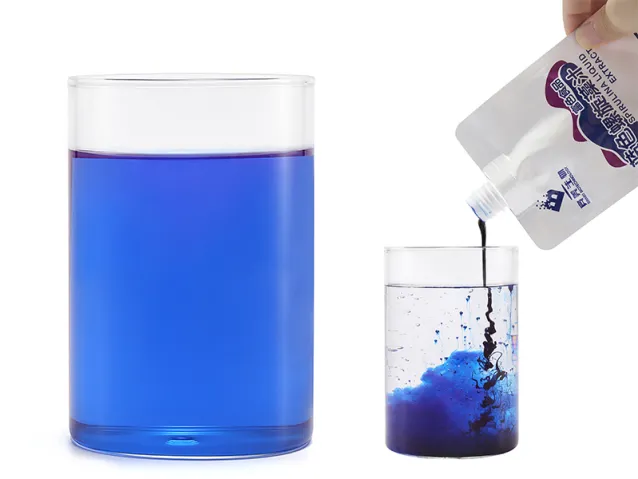
You must decide whether a powder or a liquid extract performs better in your specific facility. Blue spirulina powder offers excellent stability and concentration for dry blends, making it ideal for supplement capsules and powdered drink mixes. However, introducing a fine powder into a liquid beverage system sometimes requires extensive high-shear mixing to prevent clumping. A spirulina liquid extract bypasses this problem entirely, offering effortless dispersion and exceptionally uniform color distribution, which accelerates your production line and reduces waste.
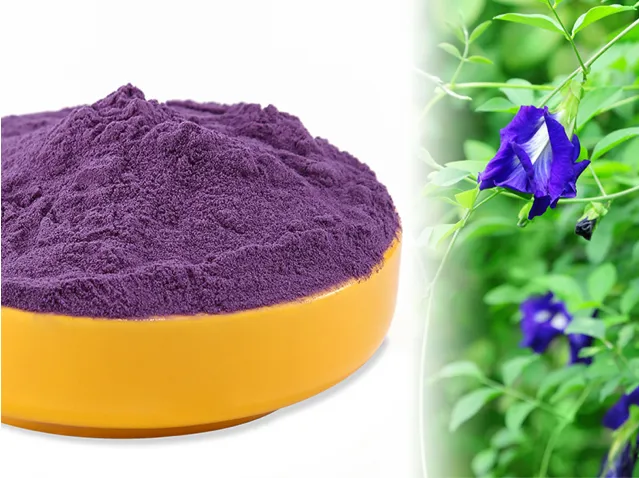
If you require a deeper, more violet-leaning blue, butterfly pea flower steps in as a phenomenal secondary system. Utilizing a specialized Butterfly Pea Flower Dye provides formulators with a remarkably light-stable and heat-stable option. Its famous pH sensitivity allows you to create interactive beverages that shift from deep blue to bright purple when mixed with citrus. Combining it with natural yellows also yields incredibly stable green shades, proving its versatility across multiple product lines.
Addressing the sensory review requires absolute honesty. Some unrefined blue and green natural pigments carry a heavy, marine-like "ocean" aftertaste. If your consumer bites into a vanilla cupcake and tastes seaweed, your product will fail regardless of how beautiful it looks. You must demand highly refined formats from your supply partners, utilizing advanced deodorization technology to strip away these volatile flavor compounds while leaving the vivid pigment intact.
The Kitchen Stress Test for Consistency and Taste
Theoretical pigment science only matters if the ingredient actually works on the production floor. Evaluating consistency and texture separates standard pigments from premium solutions. Does the liquid extract add too much moisture, thinning out your royal icing? Does the standard powder fail to hydrate properly, leaving visible, unappetizing graininess in your clear beverage? The format you choose directly impacts the mouthfeel and visual perfection of the final product.
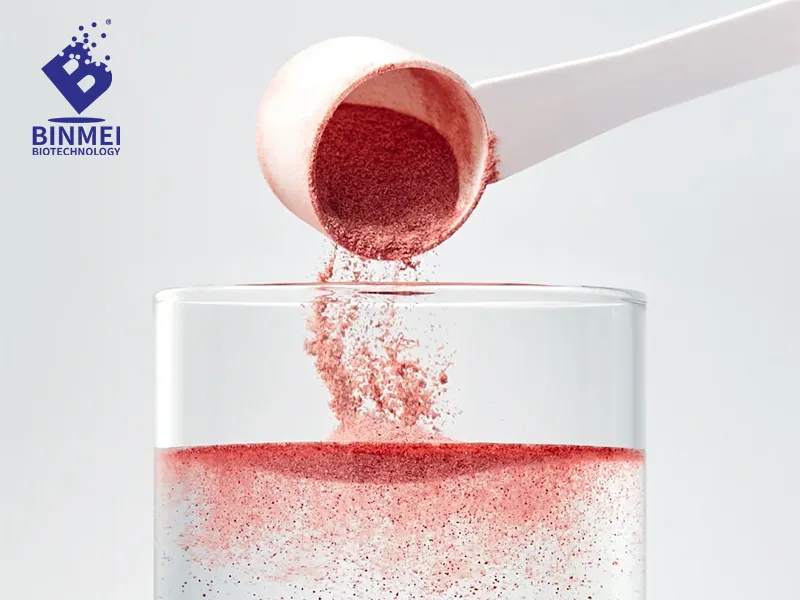
When ranking ease of use, you must segment the recommendations. Home bakers and small-scale artisanal shops generally prefer the straightforward nature of liquid drops, which blend quickly into small batches of buttercream. Beverage formulators working at an industrial scale also lean toward highly purified liquid extracts to ensure seamless homogenization in massive mixing tanks. However, industrial buyers producing pressed supplements or dry seasoning blends require superfine powders that flow perfectly through automated encapsulation machinery without clogging.
Conquering the no-taste challenge represents the ultimate victory in natural formulation. Bitterness plagues certain yellow extracts, earthiness ruins poorly processed greens, and heavy floral notes can overpower the primary flavor profile of some reds. Highly refined superfine powders offer the most flavor-neutral systems available, allowing your carefully crafted flavor architecture to shine through without interference.
You should also prepare your quality control team for the overnight bloom effect. Natural colors frequently require time to fully hydrate and bind within a food matrix. A frosting that looks slightly pale upon initial mixing will often bloom into a significantly bolder, deeper shade after resting for 12 to 24 hours. Documenting these real-use observations during your pilot runs prevents you from over-dosing the pigment and wasting expensive raw materials.
Behind the Color: Sourcing and Industrial Standards for 2026
The vibrancy, stability, and taste of your final product trace directly back to the raw material quality sourced by your manufacturing partner. When evaluating suppliers, you must rigorously distinguish a true manufacturer from a simple repackager. A repackager buys bulk pigments on the open market and slaps a new label on them, offering zero technical support when your beverage formulation suddenly drops its color sediment to the bottom of the bottle.
B2B buyers must prioritize technical specialization, deep product range coverage, strict process control, and absolute testing transparency. Ask your supplier hard questions before signing a contract. Can they offer multiple spirulina-based formats to match different manufacturing lines? Do they maintain an in-house applications lab to help you match your specific food matrix? Can they supply different shades and complementary systems beyond just a single blue or red SKU?
Working with a specialized manufacturer like Binmei, founded over a decade ago with a deep focus on food additives, provides a strategic edge. Their dedicated research into spirulina, safflower yellow, superfine powders, and butterfly pea flower proves they engineer solutions rather than just moving inventory. Always match the physical format of your botanical pigment to the exact moisture level of your specific food matrix. By partnering with a true specialist, you secure a reliable supply chain capable of scaling alongside your brand's growth.
The 2026 Natural Color Comparison Matrix
To streamline your procurement decisions, analyze the following performance parameters across the core natural color categories. This matrix helps formulation teams quickly identify the ideal physical format and botanical source for their upcoming product launches.
2026 Procurement Guide: Natural Color Performance Matrix
Compare vibrancy, flavor impact, and ideal applications across top plant-based color formats to eliminate formulation guesswork and accelerate your product development cycle.
| Product Category | Visual Vibrancy | Flavor Profile | Ease of Use | Best Industrial Applications | Supplier Example |
|---|---|---|---|---|---|
| Organic Powders | High | Mild botanical | Moderate | Professional baking, dry mixes | Spirulina Superfine Powder |
| Plant-Based Liquids | Medium to High | Extremely low impact | High | Everyday beverages, craft sodas | Spirulina Liquid Extract |
| Hibiscus-Based Reds | High (vivid pink/red) | Tart / berry-like | High | Glazes, cocktails, acidic foods | Hibiscus Extract Color |
| Berry-Based Reds | Medium to High | Fruity | High | Yogurt, fruit jellies, desserts | Aronia Berry Extract |
| Floral Reds | Medium | Distinctly floral | High | Premium desserts, specialty drinks | Rose Liquid Extract |
| Blue Spirulina | Electric, vibrant blue | Neutral (with high refinement) | Moderate | Smoothies, frosting, ice cream | Blue Spirulina / Phycocyanin |
| Botanical Blue/Purple | Medium to Deep | Light botanical | High | Drinks, layered color systems | Butterfly Pea Flower Extract |
| Natural Green | Medium | Earthy to mild (format dependent) | Moderate | Supplements, protein blends | Spirulina / Superfine Powder |
Strategic Recommendations for Your Next Formulation
Selecting the right pigment impacts your production timeline, cost structure, and final consumer reception. If you manage a procurement team requiring multiple natural colors, the best overall value comes from consolidating your supply chain. Working with a supplier that maintains comprehensive portfolios across blue, red, yellow, and green systems simplifies quality control and significantly speeds up multi-SKU reformulation projects.
When your project demands bold red shades, you must evaluate the pH of your system. For highly acidic fruit drinks or gummies, rely heavily on the best hibiscus extract available. Its tart profile and intense pink-red hue outperform standard beet powders. Conversely, if you formulate dairy-based desserts or neutral-pH sweets, Aronia berry provides exceptional stability and a pleasant, fruity background note.
For brands pushing clean green positioning, leave the unstable chlorophyll extracts behind. Focus your efforts on the best natural green food dye derived from spirulina. Superfine spirulina powders fit flawlessly into the booming health and wellness sector, giving your brand a powerful superfood narrative to leverage on the packaging.
Finally, protecting the delicate flavor profile of your product requires an uncompromising stance on pigment refinement. For sensitive palates and lightly flavored waters, seek out the best no taste food coloring formats. Prioritize highly deodorized liquid extracts and advanced superfine powders that deliver striking visual appeal without ever compromising the taste your consumers expect. For brands developing beverages, bakery products, or dietary supplements, working with a supplier that offers multiple botanical and spirulina-based color systems completely transforms the formulation experience, turning a massive technical challenge into a distinct competitive advantage.
Frequently Asked Questions About Natural Red, Green, and Botanical Colors
Formulators constantly face technical hurdles when transitioning away from artificial chemicals. Below are the definitive answers to the most common queries regarding plant-based pigment performance.
Does natural food coloring fade when baked?
Yes, many natural colors fade or shift during baking because delicate plant pigments react violently to high heat and rapid pH changes in the batter. However, selecting highly heat-stable botanical extracts—like safflower for yellow or specialized butterfly pea flower for blues—and carefully adjusting your formulation parameters can prevent this degradation.
Which natural red is the brightest?
Hibiscus and Aronia berry extracts produce some of the most incredibly bright natural reds available on the commercial market. They perform especially well in acidic environments like fruit beverages, kombuchas, and gummy candies, where their anthocyanin compounds remain highly vibrant and resistant to graying.
Is hibiscus extract better than beet for red color?
Hibiscus extract frequently outperforms beet in fruit-flavored or acidic applications because it entirely lacks the heavy, earthy aftertaste associated with root vegetables. It provides a much cleaner flavor profile that naturally complements berries, citrus, and tropical flavor systems.
What is the best natural green food dye for frosting?
Spirulina superfine powder serves as an exceptionally effective natural green dye for frostings and buttercreams. It delivers a vibrant, highly uniform color without introducing the excess moisture found in liquid green dyes, which could break the emulsion and ruin the icing's perfectly whipped texture.
Is spirulina better as powder or liquid?
Your choice depends entirely on your manufacturing application. Liquid spirulina extract works best for industrial beverages requiring rapid, dust-free dispersion in mixing tanks, while spirulina powder remains ideal for dry nutritional blends, bakery items, and compressed supplements where strict moisture control dictates product quality.