Best All Natural Food Coloring
How to Choose the Best All Natural Food Coloring in 2026: A Guide to Non-Toxic, Vegan, and No-Taste Options
Food brands face immense pressure today to replace synthetic dyes with safer, plant-based alternatives. Consumers read ingredient panels with more scrutiny than ever before. When you formulate a new beverage, dietary supplement, or baked good, your buyers do not just want "natural" on the label. They demand colorants that are highly stable, vegan-friendly, completely free of unwanted off-notes, and perfectly adapted to your specific food matrix. For me, walking down the grocery aisle and seeing clean labels brings a profound sense of trust—a trust that modern consumers demand from every brand they choose to support and bring into their homes.
The real challenge in modern product development is not locating a natural pigment. The true challenge lies in finding the best all natural food coloring for your exact application, manufacturing format, and specific label claim. Whether you need a vibrant blue for a sports drink or a heat-stable yellow for a gummy vitamin, navigating the nuances of pigment stability, solubility, and flavor impact dictates the commercial success of your final product. This article will explain exactly what makes a food color truly natural, how to evaluate non-toxic options, and how to source the perfect plant-based solutions for your brand so that you and your production team can formulate with absolute confidence.
What Makes the Best All Natural Food Coloring in 2026?
Merely swapping a synthetic dye for a botanical extract no longer guarantees market success. The global food and beverage industry has shifted dramatically toward comprehensive clean-label formulations. Consumers expect transparent ingredient origins, minimal processing, and exceptional application performance. They want to look at a label and recognize the ingredients as real food, not complex chemical compounds cooked up in a lab.
When procurement teams search for the best non toxic food coloring, they use "non-toxic" to mean naturally derived rather than petroleum-based. Buyers want ingredients free from controversial artificial dyes like Red 40, Yellow 5, or Blue 1, which often carry consumer stigmas and strict regulatory warnings in certain international markets. A genuine non-toxic, natural pigment is significantly easier to position in children’s products, wellness foods, and premium categories where health-conscious parents and fitness enthusiasts dictate purchasing trends.
To properly evaluate these solutions, you must look far beyond the basic hue and rigorously assess five critical criteria:
- Source material: Is the pigment derived from a sustainable, recognizable botanical or algae source?
- Color performance: Does it deliver a vibrant, consistent shade across different production batches without unexpected fading?
- Taste neutrality: Can it vividly color the product without altering your carefully crafted delicate flavor profile?
- Stability: How well does it hold up against high-heat processing, UV light exposure on store shelves, and extreme pH environments?
- Label friendliness: Does the ingredient name look appealing, wholesome, and completely safe to an everyday consumer?
Suppliers with a broad, integrated portfolio help brands replace synthetic dyes seamlessly. By utilizing a single supplier that masters natural blue, red, yellow, green, and black solutions, you simplify your supply chain and ensure strict quality consistency across your entire product line.
How to Choose Between the Best Organic Food Coloring and Standard Natural Options
Many formulators confuse general natural claims with certified organic claims. Understanding this legal and agricultural distinction saves immense time and prevents costly compliance failures down the line. Natural food coloring generally refers to pigments extracted from vegetables, fruits, flowers, or algae using safe, standard methods. The best organic food coloring, however, requires a much stricter supply chain.
Organic colorants must originate from agricultural products grown without synthetic pesticides, herbicides, or artificial fertilizers. Furthermore, the extraction process itself must strictly comply with organic certification standards, meaning suppliers cannot use prohibited chemical solvents or synthetic processing aids. "Organic" is not just a clever marketing synonym for "natural"; it is a rigorously audited legal designation that requires continuous paperwork.
You need organic positioning when targeting specific high-value consumer use cases. Premium bakery brands, organic snack manufacturers, and companies producing baby foods or family-oriented meals rely heavily on certified organic ingredients. Wellness and dietary supplement brands also use organic claims to differentiate themselves in a crowded, high-margin market, justifying a higher retail price point.
When engaging a supplier for organic projects, ask precise, uncompromising questions. Verify if the raw material holds active organic certification. Check if the carriers, maltodextrin, or other processing aids mixed with the pigment also meet organic compliance. Request detailed documentation regarding the extraction process, and ensure the supplier can provide the necessary certificates for export if you sell into the highly regulated European Union or North American markets.
Why Does the Market Prefer the Best Plant Based Food Coloring and Vegan Alternatives?
The explosive global growth of the flexitarian and vegan lifestyles forces food brands to audit their entire ingredient lists, right down to the micro-ingredients. Historically, the food industry relied heavily on animal-derived colorants, most notably carmine, a bright red pigment extracted from crushed cochineal insects. Modern consumers actively avoid these ingredients, pushing smart brands to adopt the best plant based food coloring available on the market.
Plant-based and algae-based solutions allow you to align your products with vegan positioning, clean label claims, and modern health-conscious branding. When you formulate with vibrant botanical extracts, you communicate transparency, sustainability, and ethical sourcing directly to your buyers.
Qualifying the best vegan food coloring involves strict supplier checks. The colorant must contain no animal-derived source material and utilize no animal-derived processing components or filtration aids during manufacturing. Beyond ethics, the pigment must also deliver suitable shade intensity and maintain acceptable stability in real-world food systems, proving that plant-based does not mean lower quality.
Nature provides brilliant vegan solutions across the entire color spectrum. For natural blues, you can utilize nutrient-dense algae or floral extracts. For reds and pinks, berries and blossoms offer intense, highly stable hues. Yellows and oranges come safely from petals and resilient berries, while greens are easily achieved through microalgae.
How to Select the Best Natural Food Coloring by Application
A colorant that looks perfect in a dry powder mix might fail entirely when suspended in a liquid beverage. You must match the pigment's physical properties to your specific food matrix to avoid costly production disasters.
Best Natural Food Colouring for Beverages
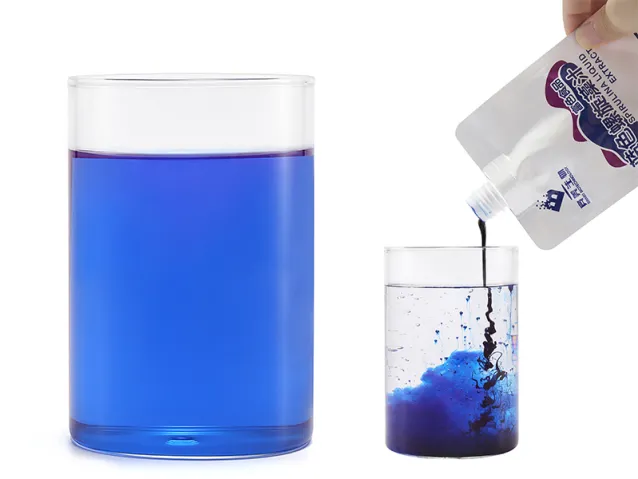
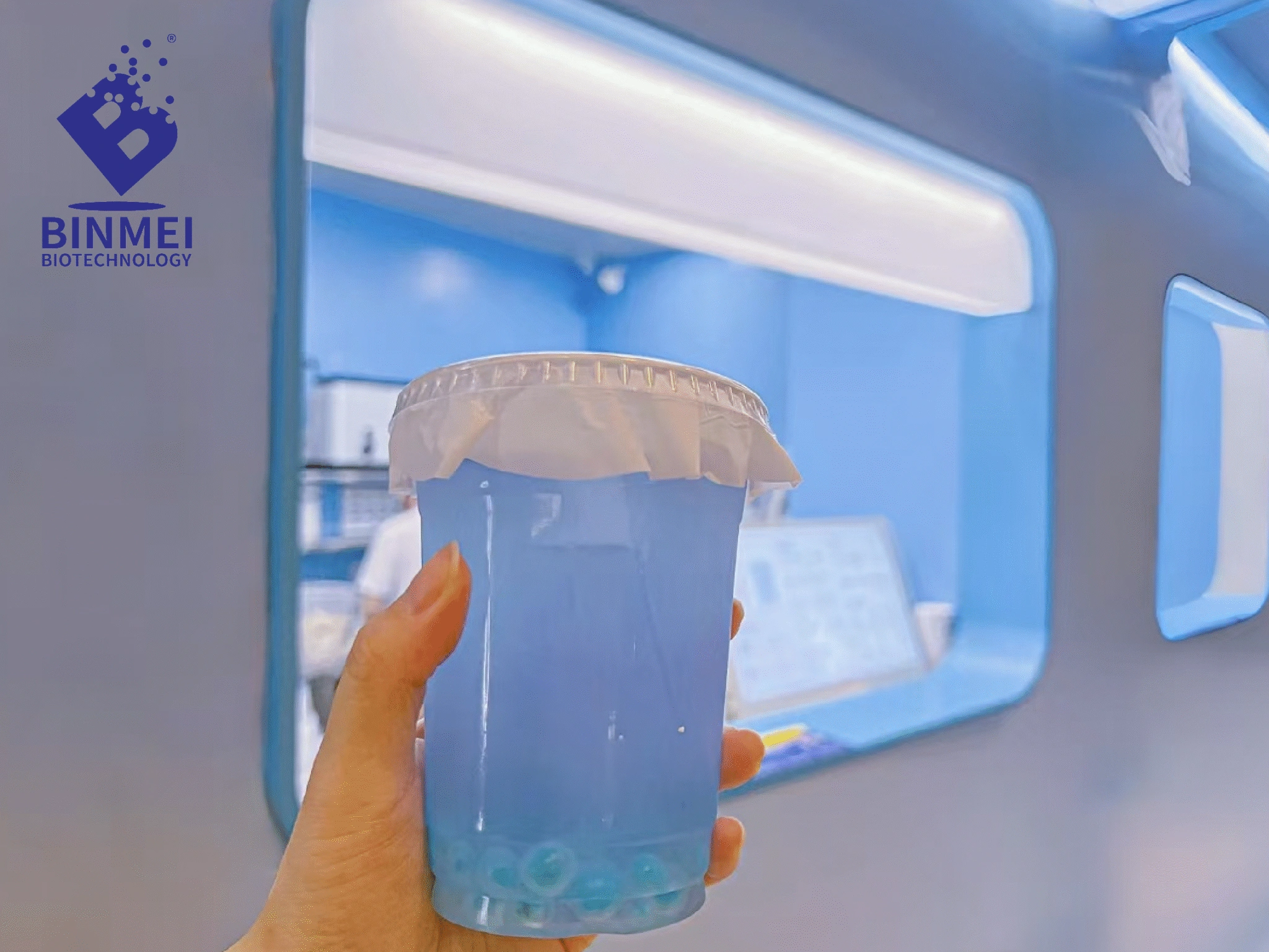
Beverage formulators face unique, highly visible hurdles. You need perfectly even dispersion, visual brightness, and total compatibility with low-viscosity liquid systems. Powders can sometimes clump, resist hydration, or leave an unappealing sediment ring at the neck of a clear bottle. To solve this, liquid extracts often perform best. For instance, utilizing a premium Spirulina Liquid Extract provides an infinitely easier manufacturing process than standard powders, delivering a uniform, brilliant color distribution that looks striking in clear glass or PET packaging without settling.
Best Natural Food Coloring for Bakery and Confectionery
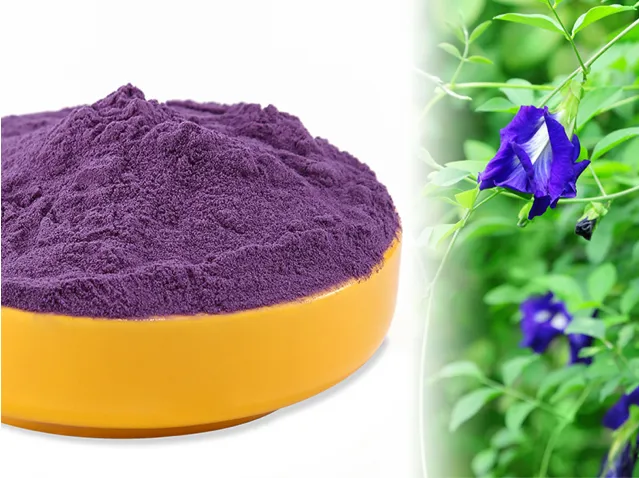
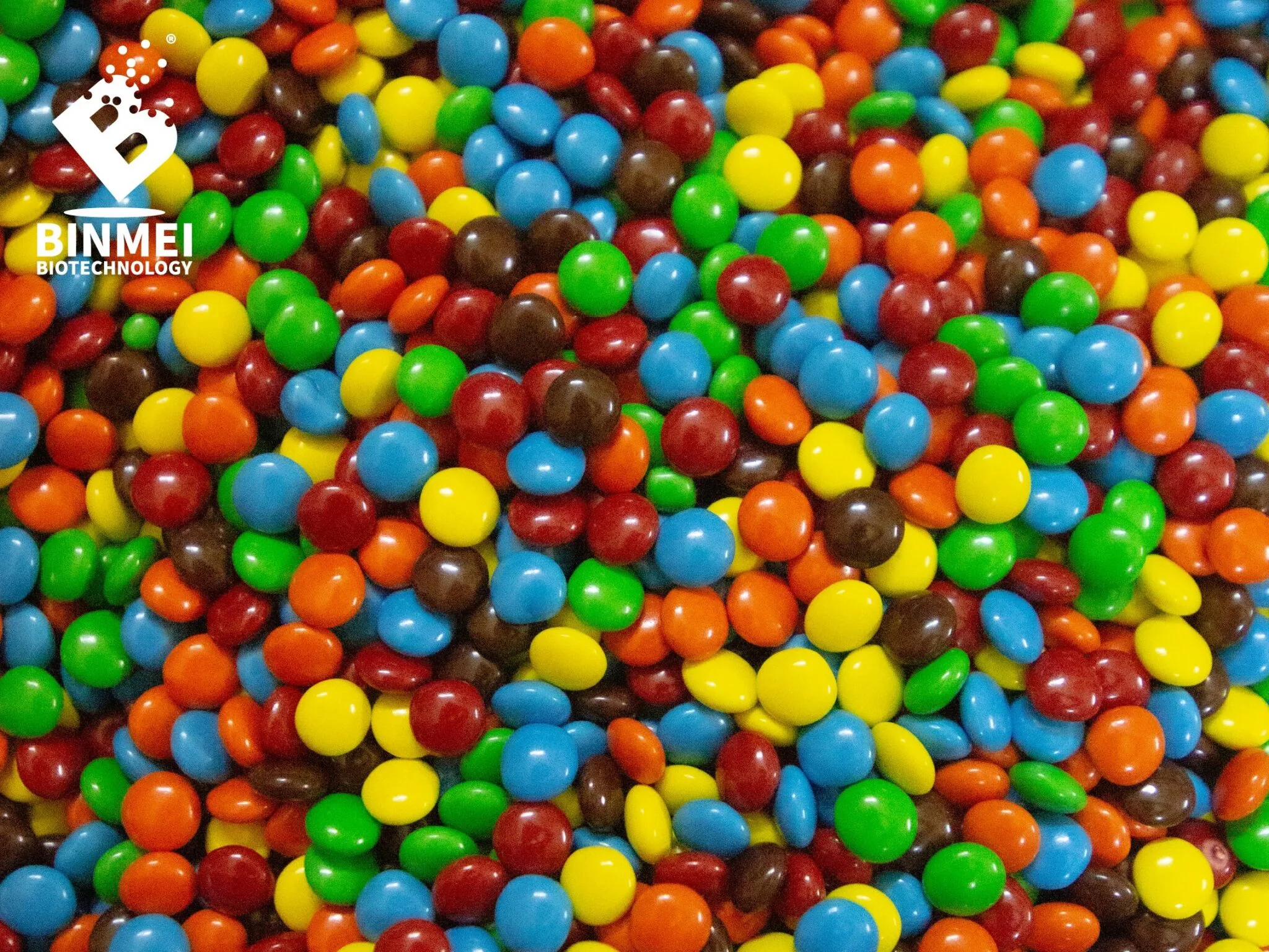
Baking and candy-making subject delicate ingredients to extreme stress. Your key concerns here include high heat stability, varying pH performance, and the ability to achieve strong colors without adding excess moisture that over-dilutes the pastry formula. Floral extracts excel in these harsh environments. A high-quality Butterfly Pea Flower Extract remains remarkably stable under light and intense oven heat. Furthermore, its unique pH sensitivity allows creative formulators to generate vibrant blues, deep purples, or natural greens simply by adjusting the acidity of the batter or sugar syrup.
Best Natural Food Coloring for Dairy and Ice Cream
Dairy products require pigments that blend effortlessly into creamy, fat-rich systems. You need absolute visual smoothness and a remarkably mild taste impact, as dairy bases easily amplify any earthy off-notes. Algae-based blues dominate this premium space. Fitness enthusiasts and supermodels frequently add it to smoothie bowls, ice creams, and artisanal chocolates because it delivers an exotic, highly photogenic hue while simultaneously adding recognized nutritional value to the indulgent product.
Best Natural Food Coloring for Dietary Supplements
Supplement manufacturers prioritize technical handling over culinary aesthetics. You need ultra-fine particle sizes, perfect blendability, and a structure that fits seamlessly into dry powder mixes, hard capsules, or highly compressed tablets. Superfine milling technology resolves these issues entirely. A Spirulina Superfine Powder offers a delicate taste and uniform coloring, ensuring that your pressed tablets do not show unsightly speckling and your encapsulated powders look premium, homogenous, and professional.
What Format is Right for You? Powder vs. Liquid vs. Superfine
The same botanical pigment performs radically differently depending on its physical delivery system. Procurement teams must evaluate application compatibility, not just the name of the pigment. Choosing the right format reduces production time, minimizes raw material waste, and ensures the final product looks exactly as intended every time it hits the shelf.
Quick Decision Matrix: Which Color Format Will Save Your Production Run?
Choosing the wrong physical state for your pigment often leads to clumps, moisture issues, or faded batches. Compare these three delivery systems to find the exact match for your food matrix, saving me and you hours of formulation headaches and wasted pilot runs.
| Format | Main Advantages | Main Limitations | Best Applications |
|---|---|---|---|
| Standard Powder | Excellent storage stability; requires no added moisture during formulation; highly concentrated for cost efficiency. | May require slow pre-dispersion in liquids; can create fine airborne dust in the manufacturing facility. | Bakery, frosting, dry beverage mixes, seasoning blends, and baked confections. |
| Liquid Extract | Effortless mixing; faster and more uniform color distribution; entirely eliminates airborne dust hazards. | Adds moisture, which may not suit highly sensitive dry formulations; slightly shorter overall shelf life. | Beverages, dairy, syrups, functional waters, kombucha, and craft sodas. |
| Superfine Powder | Exceptionally fine texture; superior even coloring without any speckling; flawless dry blending capabilities. | Usually carries a more premium price point due to the advanced, energy-intensive milling required. | Dietary supplements, pressed tablets, premium wellness blends, and fine chocolate. |
How to Find the Best No Taste Food Coloring for Delicate Formulations
Flavor impact remains one of the absolute largest barriers to natural color adoption. Many unrefined natural colors carry earthy, grassy, floral, or distinctly bitter notes. If you formulate a delicately flavored vanilla protein shake or a crisp, refreshing citrus water, a heavy cabbage or raw algae flavor will ruin the consumer experience. This exact issue causes many brands to hesitate, eventually retreating to the safety of synthetic dyes.
To secure the best no taste food coloring, you must thoroughly investigate the supplier's refinement technology. Stronger-flavor botanical extracts require extensive deodorization and standardization to remove aromatic compounds while leaving the vivid pigment entirely intact. Refined or application-optimized formats provide significantly better taste neutrality.
Advanced suppliers use sophisticated physical refinement processes to strip away the specific proteins and compounds responsible for off-notes. Utilizing a superfine powder or a highly purified liquid extract guarantees that your visual appeal does not compromise your carefully crafted flavor profile. Furthermore, when the pigment particle size is reduced and highly standardized, you use less overall volume to achieve the desired shade, drastically reducing any potential flavor interference.
What Are the Best Color Solutions by Specific Shade?
Building a vibrant, natural product portfolio requires knowing exactly which botanical sources yield the most reliable, eye-catching shades.
Best Natural Blue Food Coloring
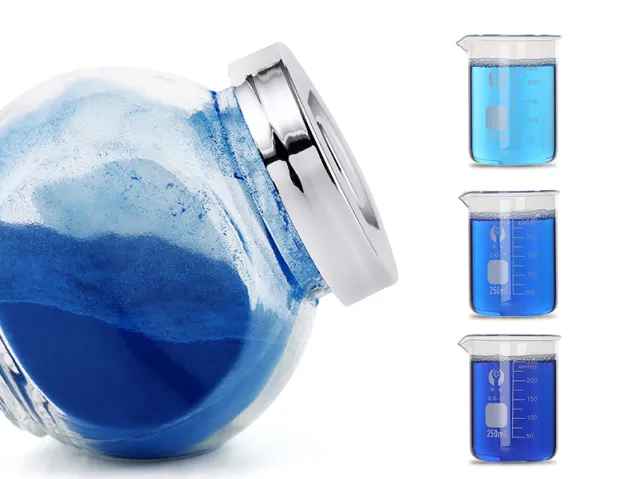
Blue remains the most sought-after and technically difficult natural shade to achieve in the food industry. Blue Spirulina stands out as the ultimate superfood star, offering a brilliant, sky-blue tint favored in premium wellness circles. Butterfly Pea Flower Extract provides a deeper, highly stable alternative that shifts beautifully between blue and purple depending on the acidity of your specific recipe.
Best Natural Red and Pink Food Coloring
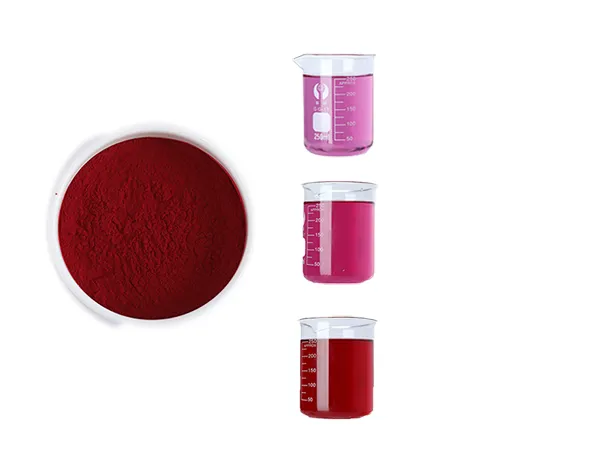
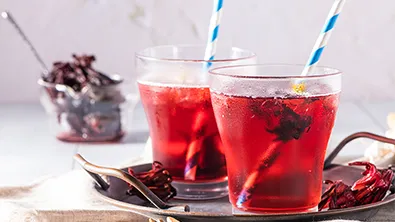
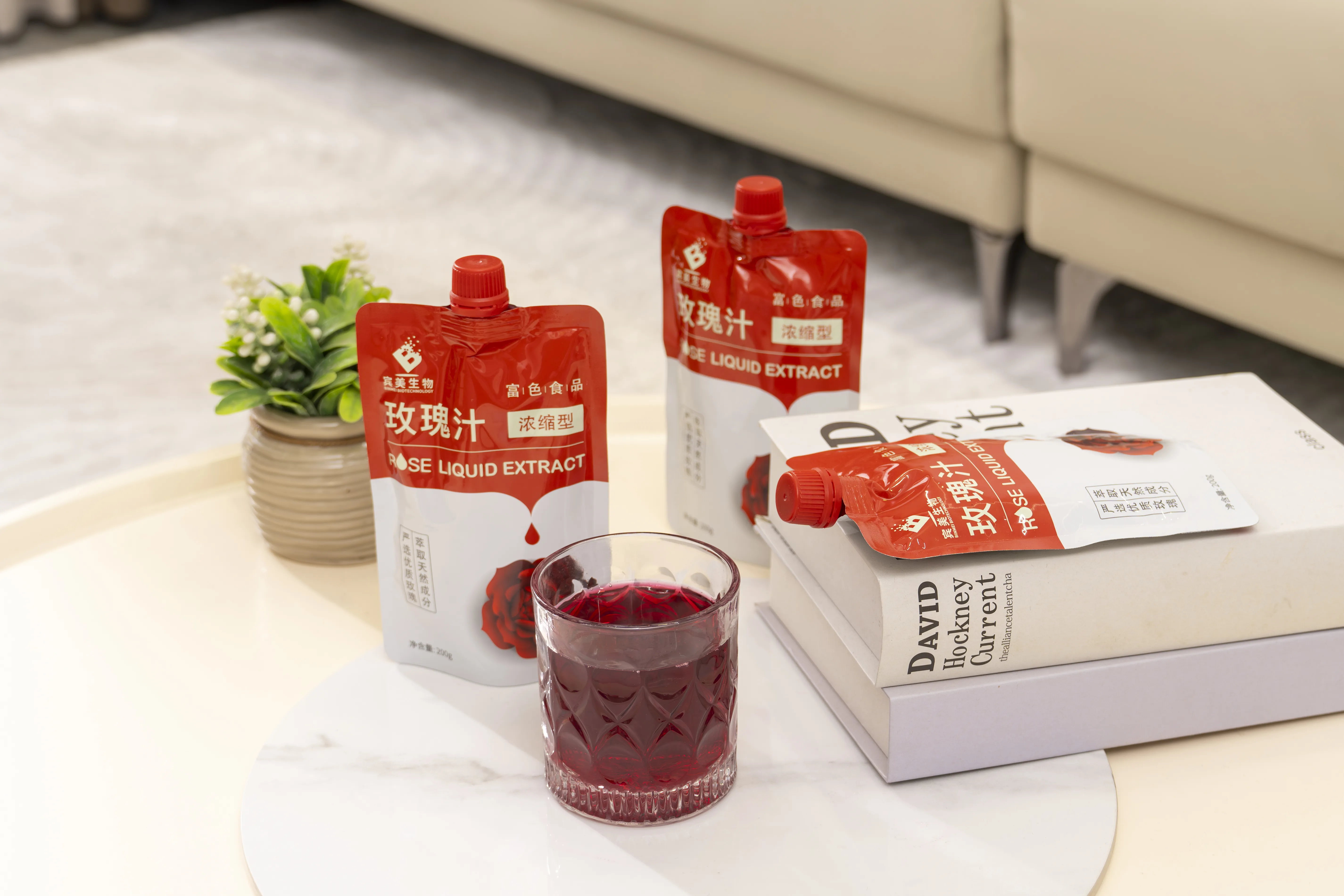
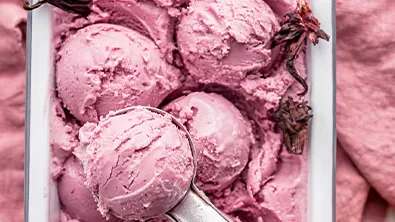
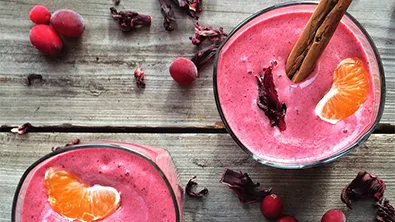
Reds and pinks convey energy, sweetness, and vitality. Aronia Berry Extract delivers a robust, dark red while packing the highest level of antioxidants among berries, supporting healthy blood circulation. Rose Liquid Extract adds a premium functional angle, known for essential amino acids and skin health benefits. Hibiscus Extract remains a dependable, versatile option for a wide variety of food applications requiring bright pink or natural red hues.
Best Natural Yellow and Orange Food Coloring
For warm, sunny tones, Safflower Yellow acts as a highly reliable, water-soluble pigment widely permitted across global markets, including the stringent EU regulations. Sea Buckthorn Extract not only provides a rich orange-yellow color but also enriches your product with essential fatty acids, Vitamin C, and anthocyanins, making it ideal for functional beverages and traditional wellness products.
Best Natural Green Food Coloring
Blending blues and yellows is one way to achieve green, but direct green sources often simplify the formulation process. Standard Spirulina provides a strong, natural green base, while Spirulina Superfine Powder delivers a delicate, easily absorbed green perfect for high-end health-focused applications.
Best Natural Black Food Coloring
Finding a natural black that does not rely on activated charcoal or artificial dyes requires unique sourcing. Cuttlefish Ink Extract provides a deep, authentic black color via natural melanin. It contains highly beneficial amino acids like taurine and essential metals such as zinc and iron. Keep in mind that while it is an exceptional natural food coloring, it is derived from marine life and does not fit under plant-based or vegan label claims.
What to Look for in a Natural Food Coloring Supplier or Manufacturer
Sourcing the right pigment solves only half of your formulation challenge. The partner you choose to supply that pigment determines your long-term commercial success. B2B buyers must meticulously compare product ranges, color family coverage, application support, format options, and export readiness.
A supplier offering a comprehensive portfolio of multiple natural blue, red, yellow, green, and black solutions helps you drastically shorten sourcing time and simplify complex supplier management. When you need to execute massive multi-SKU reformulation projects, working with a single, specialized partner ensures technical consistency across your entire brand.
Your natural colorant is only as clean as your supplier's extraction and traceability standards.
Look for a specialized supplier profile with proven scale and flexibility. Zhejiang Binmei Biotechnology Co., Ltd., founded in 2013, specializes deeply in food additives and natural functional ingredients. By focusing intensely on core strengths like spirulina, safflower yellow, spirulina superfine powder, and butterfly pea flower extract, Binmei provides targeted solutions for beverages, confectionery, ice cream, bakery, dairy, and dietary supplements. Their massive annual capacity satisfies global enterprises, while their flexible minimum order policies provide critical support for smaller brands entering new markets.
If you are evaluating the best all natural food coloring for beverages, bakery, dairy, or supplements, it is unequivocally worth working with a supplier that offers multiple plant-based color systems, application-specific formats, and clear technical positioning. Analyze your formulation needs, request the exact format for your manufacturing setup, and make the transition to vibrant, sustainable, and naturally derived colors today.
Frequently Asked Questions About Natural Food Colouring
As you refine your product lines, you likely have highly specific technical questions regarding natural pigments. Below are the most common inquiries formulators and procurement buyers raise when successfully transitioning away from synthetic dyes.
What is the best all natural food coloring for baking?
For baking, you desperately need colorants with high heat stability. Butterfly Pea Flower Extract and Safflower Yellow are excellent choices because they maintain their vibrant hues even when exposed to harsh oven temperatures, unlike some heat-sensitive berry pigments that can turn brown when baked.
What is the best vegan food coloring for blue shades?
Blue Spirulina (Phycocyanin) is undeniably the premier vegan choice for natural blue. It is derived from nutrient-dense algae, completely free from animal by-products, and provides a brilliant, clean blue that synthetic dyes continually struggle to match.
What is the best no taste food coloring for drinks?
Spirulina Liquid Extract and highly refined Superfine Powders are ideal for beverages. Their advanced physical processing minimizes earthy or grassy off-notes, ensuring your beverage retains its intended flavor profile while achieving visual perfection.
Is organic food coloring better than regular natural food coloring?
It depends entirely on your target market. Organic options carry strict agricultural certifications, making them absolutely essential for premium, certified-organic products and baby foods. Standard natural colors still offer highly safe, clean-label benefits for general consumer goods.
What is the difference between natural food coloring and natural food colouring?
The only difference is regional spelling. "Coloring" is standard in the United States, while "colouring" is used in the UK, Canada, Australia, and other Commonwealth nations. Formulators targeting global markets often use these terms interchangeably on their backend documents, though retail packaging must reflect local spelling laws.
What should I ask a natural food coloring supplier before ordering?
You should immediately ask about the raw material source, the specific extraction methods used, and demand stability data regarding heat, light, and pH. Additionally, inquire about format options (liquid versus powder) and their capacity to provide consistent color matching across different production batches to ensure your product looks identical every single run.