Butterfly Pea Flower Extract: A Plant-Based Blue Colorant for the Clean Label Era
As consumers worldwide increasingly seek healthier, more natural, and transparent food products, clean label ingredients have become a key driver of innovation in the food and beverage industry. In this clean-label era, butterfly pea flower extract offers brands a promising plant-based colorant that supports natural product positioning while meeting evolving consumer expectations.
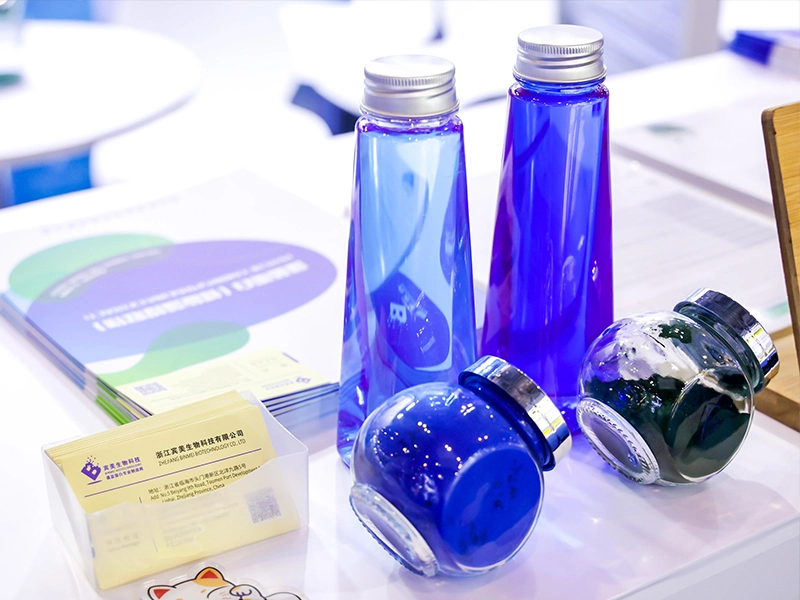
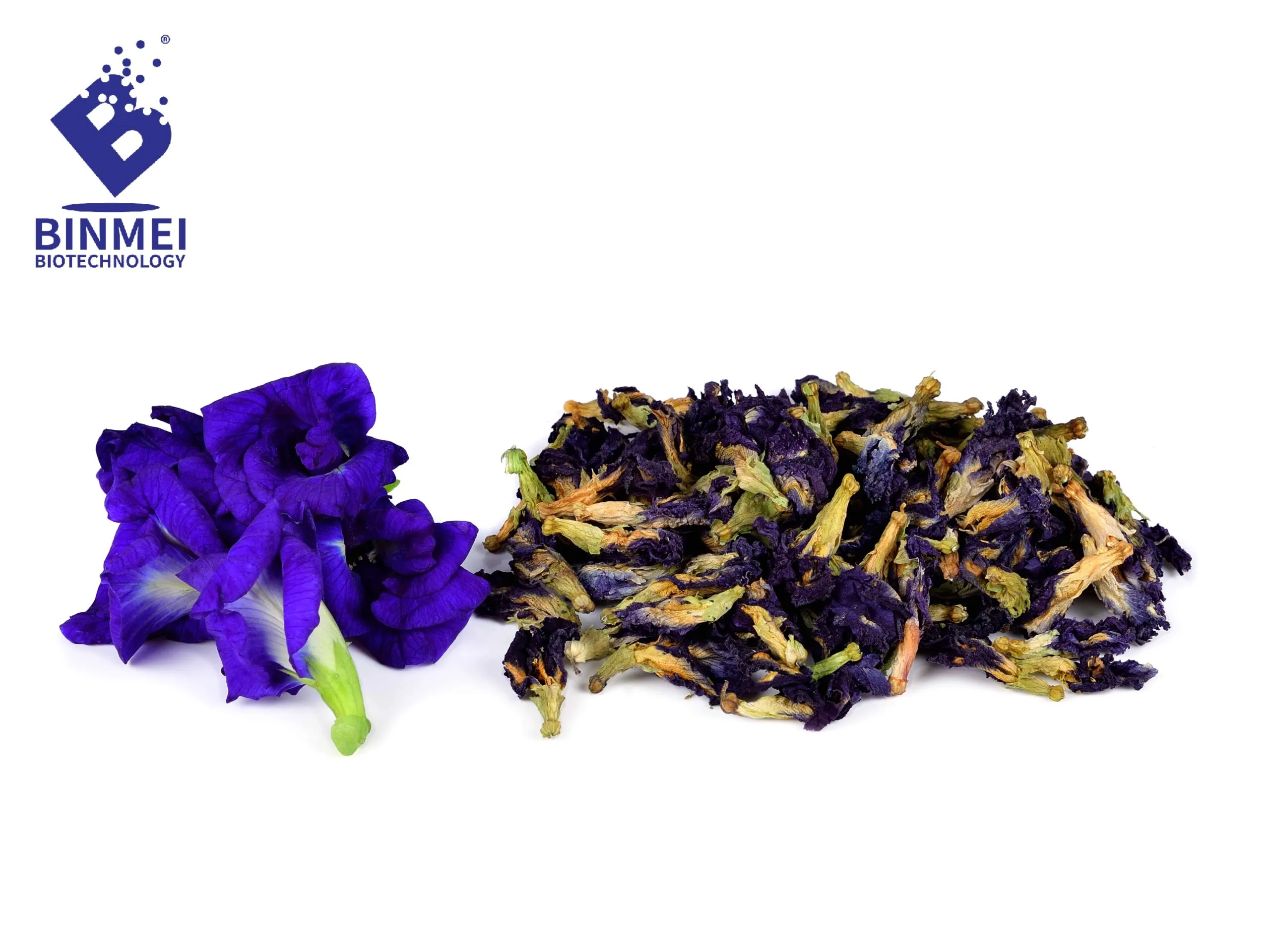
Derived from the flowers of Clitoria ternatea, butterfly pea flower extract is a natural plant-based ingredient rich in anthocyanins, particularly ternatins, which contribute to its vibrant blue color. Beyond its characteristic blue hue, butterfly pea flower extract offers pH-responsive color transformation, creating shades ranging from blue and purple to pink and green for innovative product development. As a unique plant-based colorant, it has become an attractive alternative to synthetic food colors across a wide range of food and beverage applications.
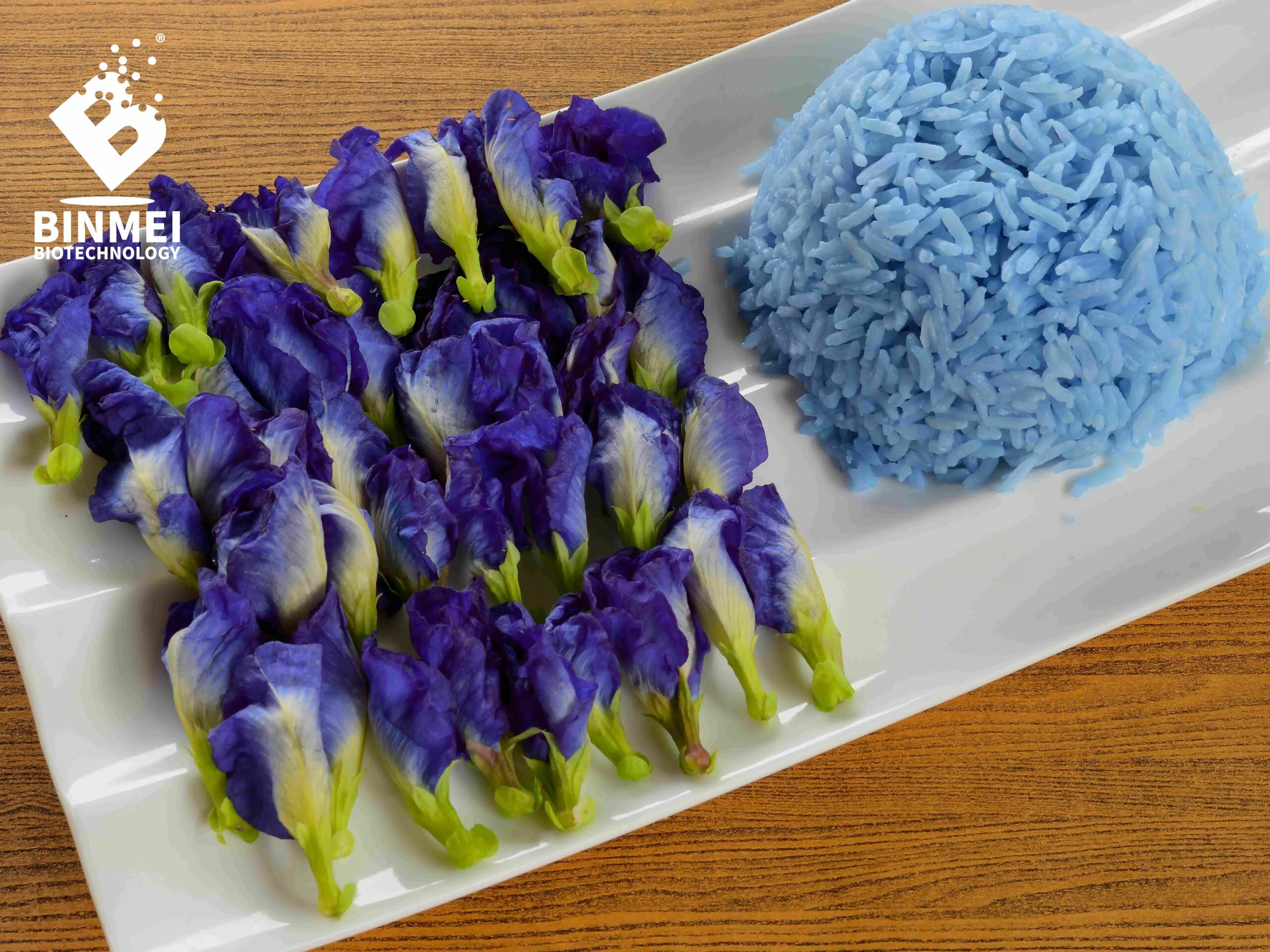
Butterfly Pea Flower Extract: A Functional Ingredient Beyond Color
Antioxidant Potential of Natural Anthocyanins
Butterfly pea flowers are naturally rich in ternatin anthocyanins. Research has demonstrated that these plant-derived pigments exhibit significant free radical scavenging activity in in vitro antioxidant assays, including DPPH, ABTS, and FRAP, as well as antioxidant activity in cell-based studies[1].
In addition, recent research suggests that butterfly pea is a promising natural source of antioxidants. Its bioactive compounds have been studied for their potential role in the prevention and management of oxidative stress-related chronic conditions, including diabetes, hypertension, and neurodegenerative diseases, and it has shown potential applications in functional foods, botanical products, and dietary supplements[2].
For food manufacturers, the value of butterfly pea flower extract extends beyond natural coloring. It is not simply a colorant, but a functional pigment that combines visual appeal with added brand value.
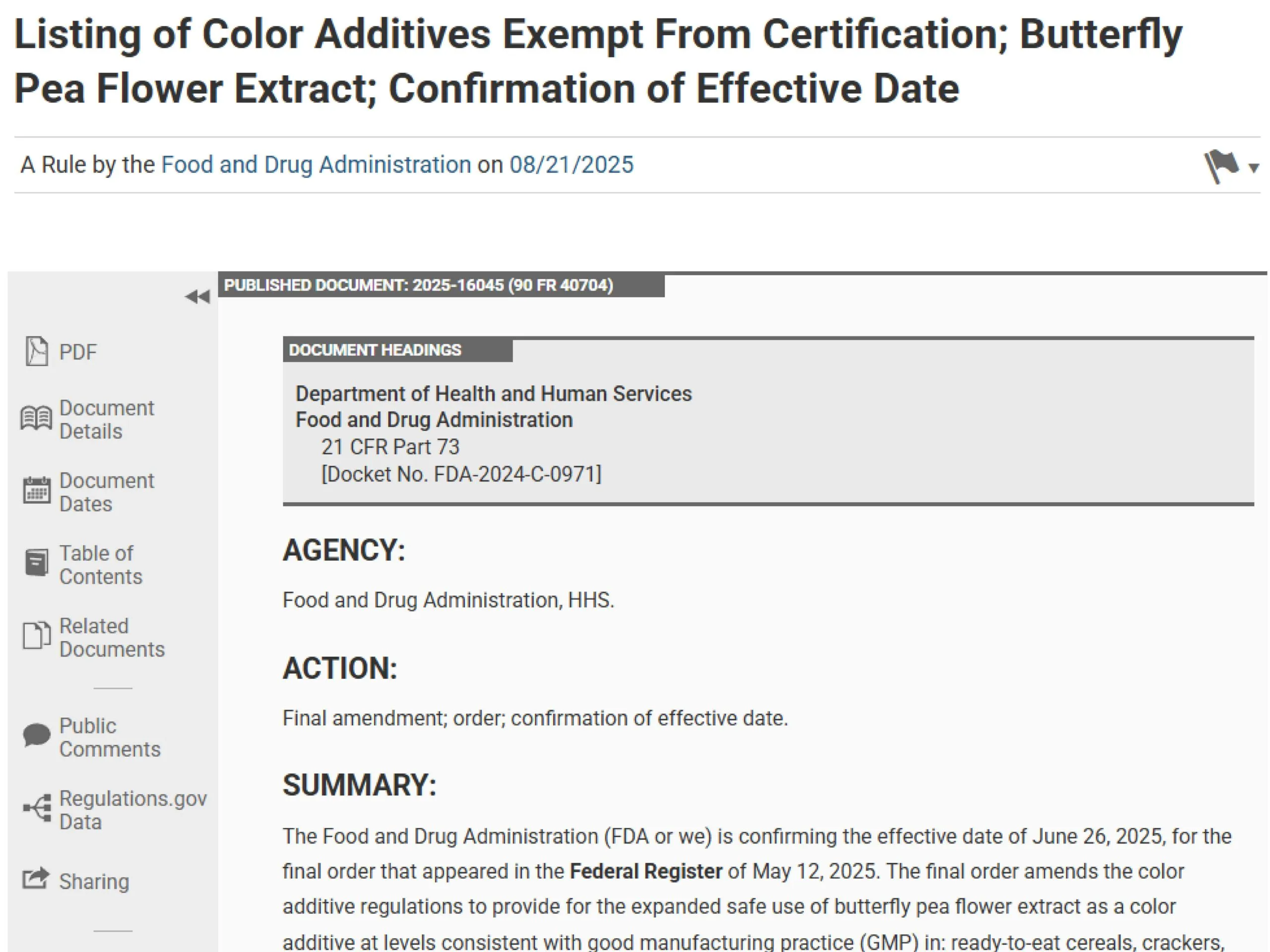
Butterfly Pea Flower Extract: Global Regulatory Overview
Regulatory compliance is a key consideration when developing products with butterfly pea flower extract for different markets. Understanding local requirements for ingredient status, labeling, and permitted applications helps brands reduce compliance risks, improve product development efficiency, and support successful market entry.
United States
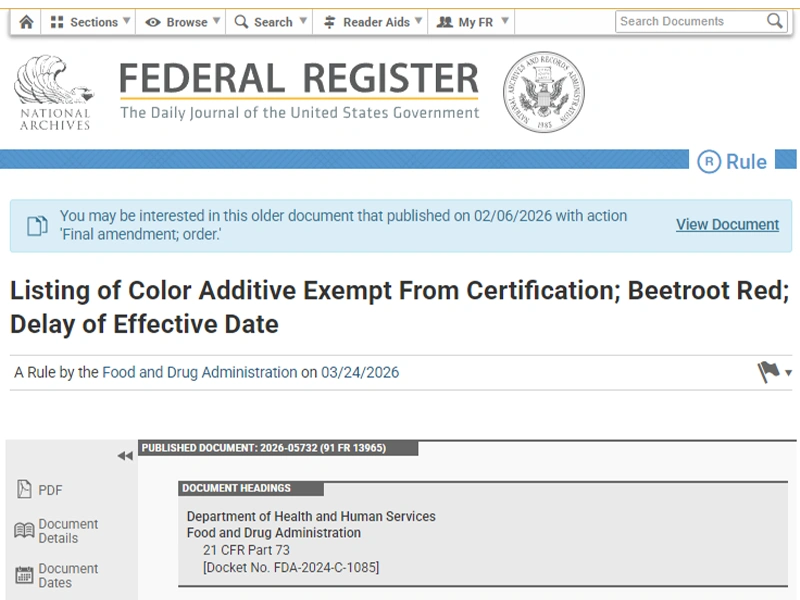
The U.S. Food and Drug Administration (FDA) has approved butterfly pea flower extract as a color additive exempt from certification for specified food categories. According to 21 CFR §73.69, butterfly pea flower extract is subject to specific requirements regarding product specifications and permitted food applications. Therefore, companies exporting to the U.S. market should ensure full compliance with these regulatory requirements[3].
Southeast Asia
Butterfly pea has a long history of traditional culinary use in countries such as Thailand, Malaysia, Singapore, and Indonesia. It is widely used in beverages, desserts, rice dishes, and traditional foods as one of the region’s most recognized plant-based blue colorants. However, regulatory requirements still vary by country, and manufacturers should verify local compliance before market entry.
Europe and China: Regulatory Review Required
In the EU, Butterfly pea flower extract has not been authorized as a food color additive or included in the Union List of Novel Foods. In China, it is not listed in the permitted food additive standard (GB 2760) and has not been approved as a conventional food ingredient. Therefore, companies planning to commercialize butterfly pea flower extract in these markets should carefully evaluate the applicable regulatory requirements before market entry[4].
BINMEI Butterfly Pea Flower Extract: From Ingredient Supply to Complete Solutions
At BINMEI, we not only provide Butterfly Pea Flower Extract ingredients but also support customers throughout the development process, from application guidance and formulation optimization to scalable supply solutions, helping brands create natural blue color products with consistent quality and commercial viability.
Application Support
Butterfly pea flower extract exhibits a natural pH-responsive color change, producing vibrant blue shades under neutral conditions and shifting toward reddish-purple tones under acidic conditions. However, achieving the desired color outcome requires careful consideration of formulation and processing conditions.
Based on product formulations, processing parameters, packaging, and shelf-life requirements, BINMEI provides technical recommendations on pH adjustment and color stability optimization to help brands achieve their desired shades and maintain consistent color performance throughout production and storage.
Reliable Industrial Supply
From laboratory evaluation and pilot production to full-scale commercial manufacturing. With an integrated supply chain and production planning system, we ensure reliable and continuous supply to support successful product launches and long-term production.
Batch-to-Batch Consistency
Natural botanical extracts are subject to variation caused by raw material origin, harvest season, and processing conditions. BINMEI implements strict quality control throughout raw material sourcing, manufacturing, and finished product inspection to maintain excellent batch-to-batch consistency in color, specifications, and product quality, helping customers minimize production variability and application risks.
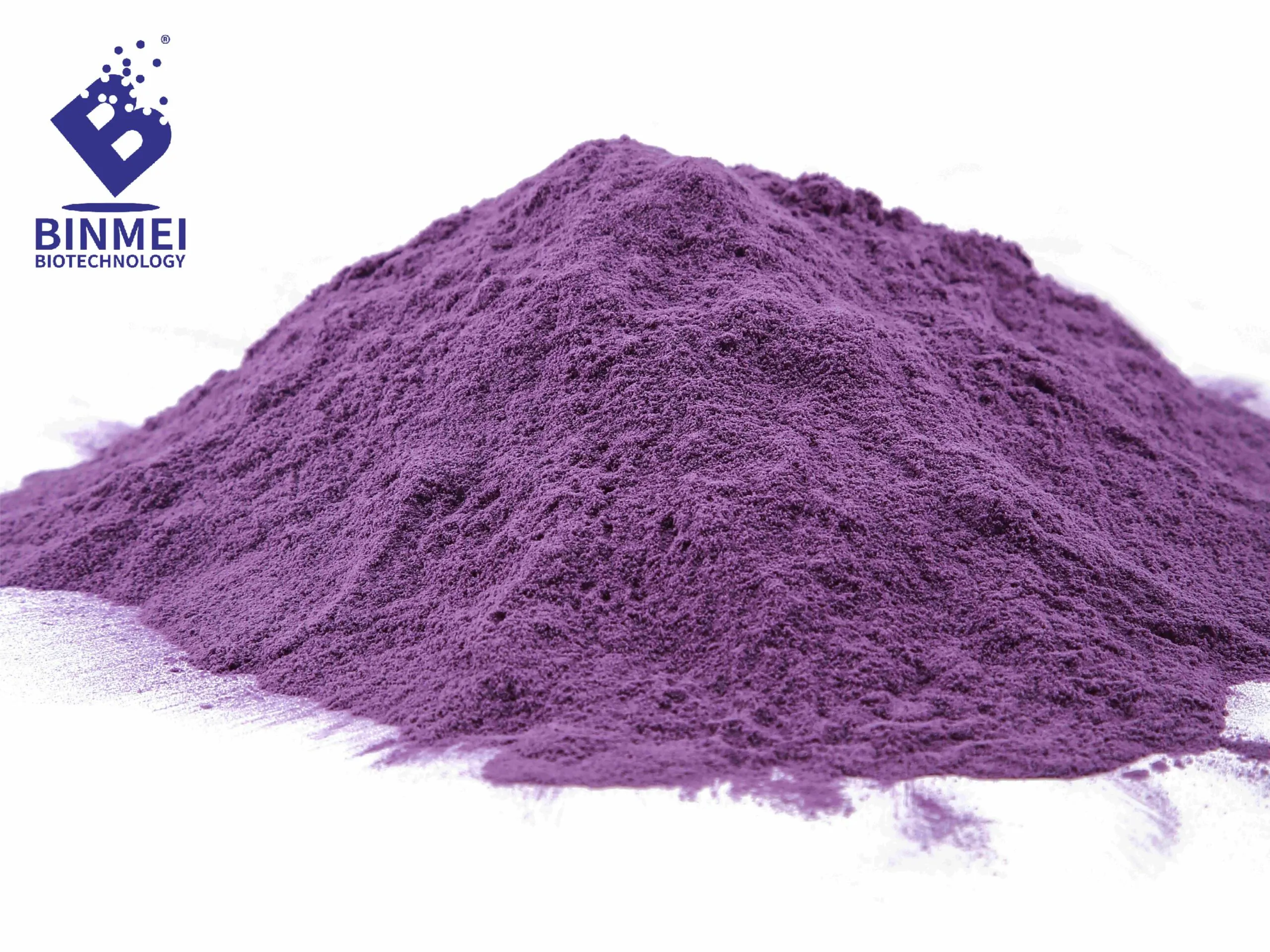
Partner with BINMEI for Customized Color Solutions
We partner with global brands by providing comprehensive technical support, application guidance, and regulatory assistance, helping brands develop compliant, scalable, and market-ready products with butterfly pea flower extract-based plant color solutions.
Contact BINMEI to request a free sample or discuss your next application with our technical team.
Source:
[1]Anthocyanins From Clitoria ternatea Flower: Biosynthesis, Extraction, Stability, Antioxidant Activity, and Applications
[2]Clitoria ternatea: Perspectives on Its Application in Foods and Potential Health Benefits
[3]Food and Drug Administration (FDA), 21 CFR §73.69
[4]EU Novel Food Catalogue