Any food product is instinctively scrutinized from a visual sense before deciding on purchasing or consumption. Consumers’ inclination to a particular food item is primarily visual specific to the color of the food which aids the consumers to predict the flavor and taste of the food. For these reasons, natural and artificial colors play a vital role in the food industry.
Comparing Natural food colors vs. Artificial colors Advantages and disadvantages
1. Source
The natural colorants are derived from natural sources including plants and microbes. Synthetic food colorants(Artificial colors) are chemicals processed from coal tar compounds and most of them contain dyes from the azo group.
2. Security, Color stability, and Cost
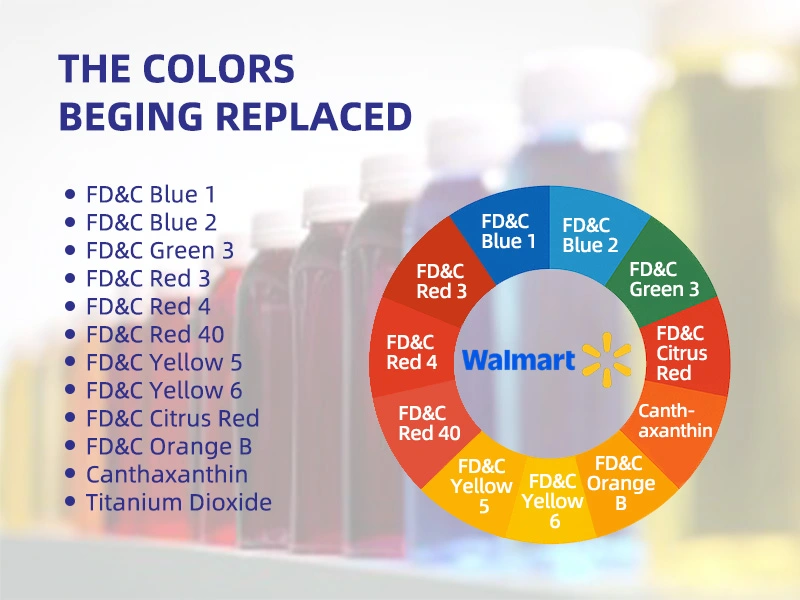
The food ingredient industry puts more effort into developing synthetic colorants due to their stability, attractive color, and low cost, take the red color as an example, there are many different kinds of red artificial colors: Azorubine, Amaranth, Ponceau 4R, Erythrosine, Allura Red AC. Much research and evidence prove that these fascinating artificial colors are responsible for many health problems. Young children respond to synthetic colorants exceedingly and symptoms include irritability, sleep issues, lack of attention, impulsivity, and hyperactivity [a clinical condition called “Attention-deficit/hyperactivity disorder” (ADHD)], increased incidence of asthma and allergies, toxic impacts on the liver, renal function, lipid profiles, and behavior.
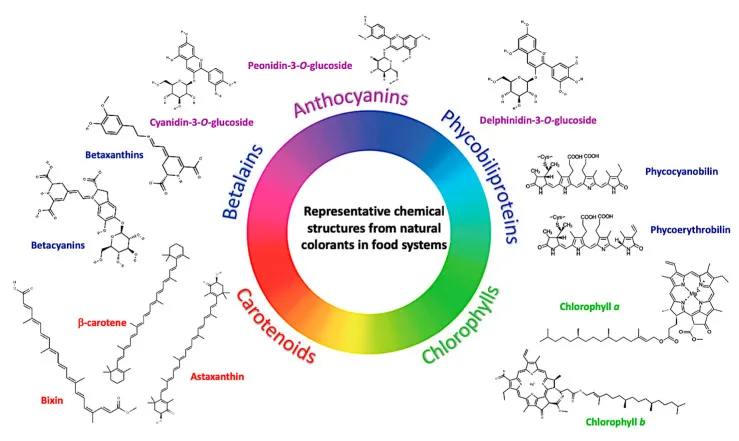
Natural food colors are always affected by temperature and pH, so they can not be as stable as artificial colors. Natural food colors have the most important attribute: health benefits. Even though natural pigments have been used in the food industry widely, Anthocyanins, carotenoids, phycobiliproteins, betalains, and chlorophylls remain the most commonly used for food applications, and they all have significant benefits in health, for example, antioxidants, anti-inflammatory, anti-cancer and so on. Because natural food colors have long-term health benefits, more and more consumers choose foods using natural colors.
3. Food enterprises in Chinese markets choose color ingredient trend: Natural colors for food
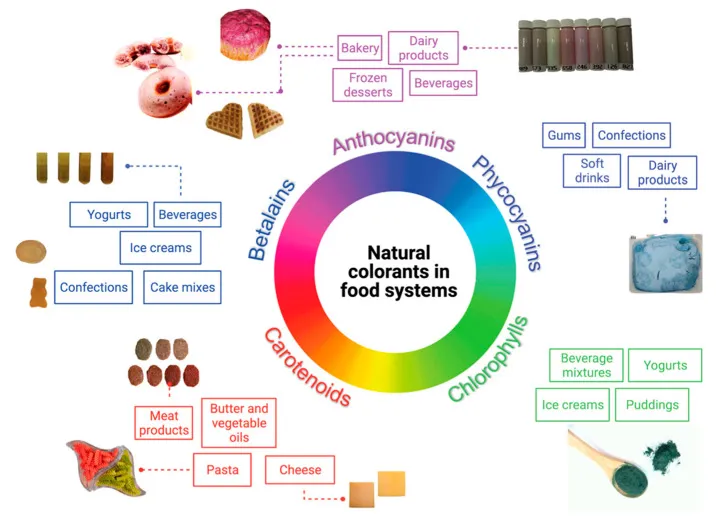
With the strict supervision of national regulations and more and more consumers caring about adding artificial colors, the importance of natural food colors become outstanding in food industries. There are more than 40 kinds of natural pigments allowed to be produced and used in China, annual output exceeds 10,000 tons. Natural food colors are widely used in food and beverage industries, such as cake, candy, ice cream, milk tea, Nutricosmetics, etc.
China Natural Food Colors: Type, Source, and Application
China law allows food enterprises to use fruit and vegetable powder, and plant extracts in GB2760-2024 as natural food coloring to create charming visual effects for food and beverages. Briefly introduce some common natural colors that are widely used, such as spirulina extract, rose extract, Aronia berry extract, cuttlefish ink extract, and so on.
Natural Blue: Phycocyanin
Phycocyanin is also called blue spirulina, spirulina extract, extracted from spirulina, a water-soluble colorant, a kind of pigment-protein, taking cute blue color to end food products. It is easy to find phycocyanin milk tea in Chinese markets, phycocyanin candy, and ice cream in the EU and US. Phyciycanin has lots of benefits, including antioxidants, anti-inflammatory, skin-friendly and anti-cancer.
Natural Red: Aronia Berry Extract
Aronia berry extract, the core element is anthocyanins, will be affected by pH, taking a natural red or purple color to terminal food products. To get Aronia berry extract, the manufacturers can use physical and chemical extract methods, comparing all methods, the physical method is better because manufacturers use physical methods only using water as auxiliaries, more safer.
Natural Black: Cuttlefish Ink Extract(Sepia color)
Cuttlefish ink extract, a natural black color, is made from cuttlefish ink sacs, the basis of cuttlefish ink extract is protein, which is always used as vegetable carbon replacement, but only a few factories have the technology to remove the fishy smell from the cuttlefish juice, Non-fishy cuttlefish ink extract is popular in the food industry, used in cakes, dumplings, hamburger, etc.
Natural food color using method: pH and Temperature
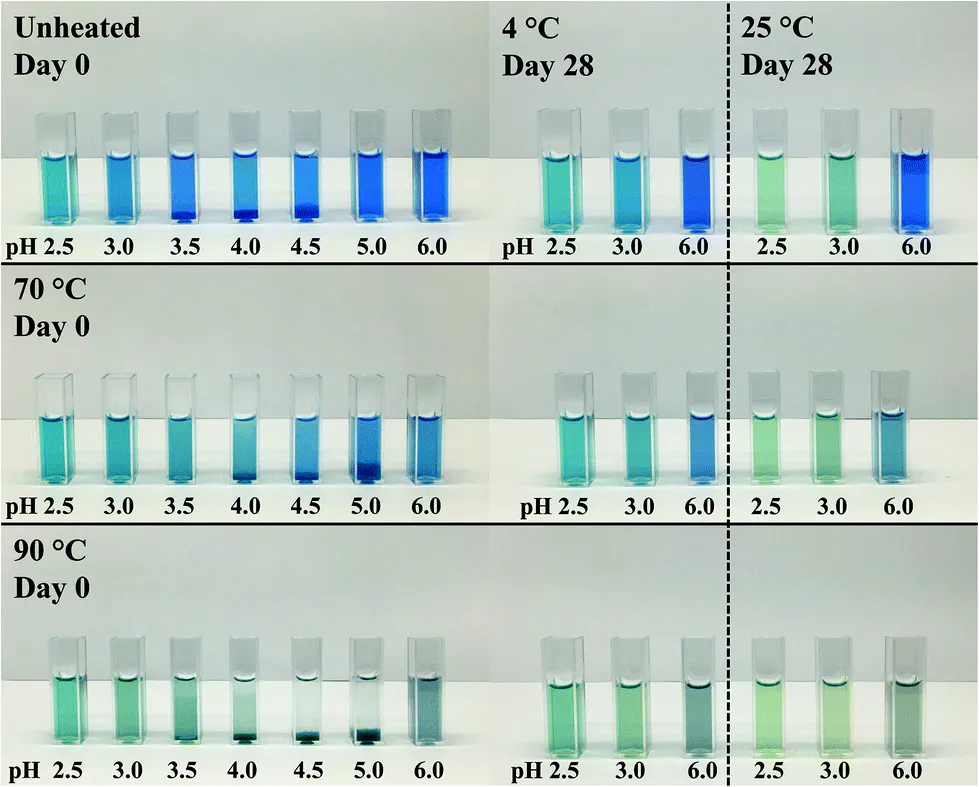
Enterprises that use natural food colors must consider the pH and temperature conditions, natural color stability will be affected by these factors. Take spirulina extract, for example, ①pH stability: Its color shade is stable at around pH 4,5-8,0. Aggregation and precipitation occur at around pH 4,2 as phycocyanin has a combined structure with protein. ②Heat stability: Being a colorant combined with protein, it is recommended to add Spirulina blue to the solution after cooling down or at about 60°C and cool it down immediately after adding.
Regulatory criteria
Different countries have different standards and rules about natural food colors. Take spirulina extract, for example, It is fully in compliance with regulatory criteria for coloring food in the EU and the USA as well as in Japan, Korea, and other Asian countries. In China and Korea, spirulina extract is used as a food additive, but in the EU, it is used as a coloring food.
China Natural Blue Food Color: Latest Progress and Application Prospect
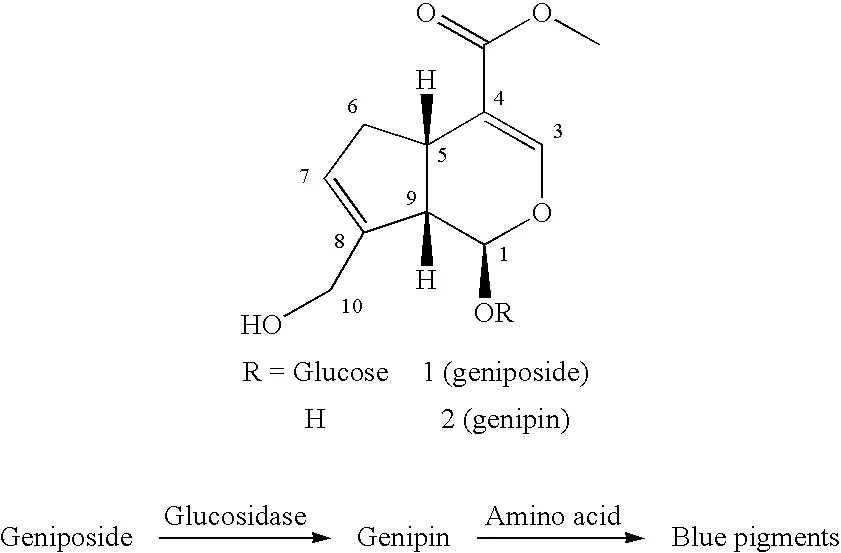
Compared with other colors, the natural blue color is unusual and rare. In the total world market, there are only three types of natural blue colors used in the food industry: Clitoria ternatea extract, Gardenia blue, and Spirulina extract. But there is no regulation allowing Clitoria ternatea extract used in China. Gardenia blue and Spirulina extract show different blue colors in the water solution. Gardenia Blue and Yellow are derivatives of Genipin, where an amino acid is added. Genipin is cytotoxic and has an ability to cross-link gelatin and other molecules with amines.
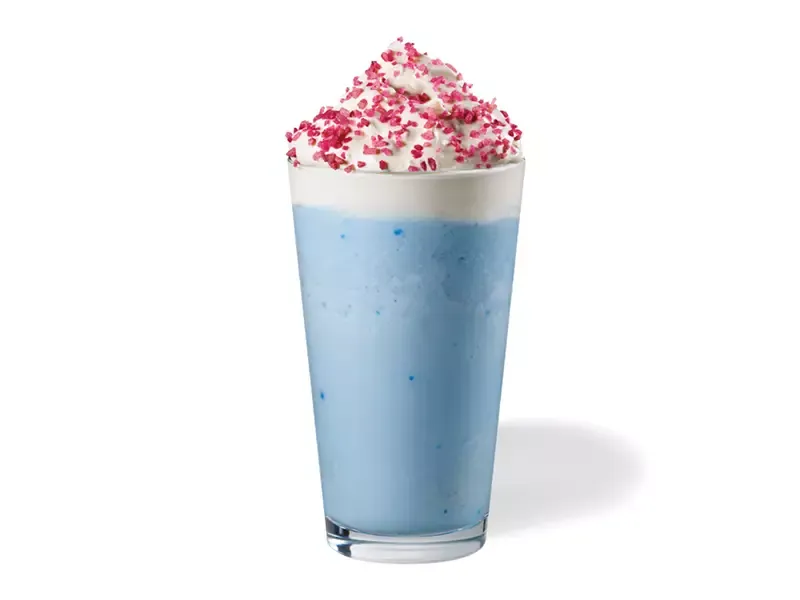
Spirulina extract can give foods a cute blue color, and the main component of blue spirulina is protein, although spirulina extract application is limited by temperature and pH, industries that meet the conditions of using spirulina extract when choosing the natural blue color, spirulina extract is more preferred, especially, ice cream, fudge, milk tea, etc enterprises.
How to Evaluate Natural Food Colors for Commercial Use in China
In practice, the choice between natural food colors and artificial colors is not only a question of label preference. For many Chinese food manufacturers, the decision is also connected to product category, processing conditions, target market expectations and long-term formulation practicality. This is why a useful China food coloring strategy should focus on commercial fit, not only ingredient origin.
When evaluating a natural color for food supplier or food coloring manufacturer in China, buyers often need to compare several factors at the same time:
- Whether the color source fits the intended application
- Whether the shade remains stable under real production conditions
- Whether the ingredient supports a clean-label or natural positioning
- Whether technical documents and commercial support are available
- Whether the color solution is suitable for large-scale production and market launch
Common Natural Food Color Directions in China
In the Chinese market, the shift from synthetic dyes to natural food colors is not happening evenly across every color category. Some natural colors are already widely adopted, while others still require more formulation testing and application-specific evaluation.
| Color Direction | Typical Natural Source | Commercial Relevance | Related BINMEI Path |
|---|---|---|---|
| Natural Blue | Phycocyanin / spirulina extract | High interest due to synthetic blue replacement demand | Natural Blue |
| Natural Red | Aronia berry extract, hibiscus extract and other anthocyanin-rich sources | Practical for beverages, confectionery and selected dairy systems | Natural Red |
| Natural Green | Spirulina-based green blends, chlorophyll-related ingredients | Useful in selected beverage, confectionery and bakery applications | Natural Green |
| Natural Yellow | Plant-based yellow sources such as safflower and related extracts | More practical in multiple food systems due to broader usability | Natural Yellow |
| Natural Black | Cuttlefish ink and selected dark-pigment sources | Used in niche food applications where deep black color is required | Natural Black |
How Application Determines the Right Natural Color Direction
A major reason why natural and artificial food colours cannot be compared only on paper is that real application conditions matter. The most suitable natural color in one category may not perform the same way in another. In China, this is especially important because product development teams often need to balance visual effect, local consumer preference and manufacturing feasibility at the same time.
Beverage Applications
In beverages, water solubility, shade clarity and pH behavior often become key selection factors. For drink-related projects, teams may need to compare whether a natural blue food coloring supplier, red anthocyanin-rich extract or green spirulina-based blend is more suitable for the target product. For more detailed direction, you can also review Beverage Applications.
Confectionery Applications
In confectionery, the practical question is often not simply “natural or artificial”, but which natural source can deliver a commercially useful color tone without creating unwanted flavor or instability. This is one of the reasons why many food colors suppliers in China are now building more application-specific natural color portfolios.
For confectionery-focused use cases, you can also explore Confectionery Applications.
Dairy, Bakery and Frozen Foods
In dairy, bakery and frozen food systems, heat behavior, light stability and formulation compatibility often become more important than general color popularity. A practical natural color for food manufacturer should be able to guide customers not only on color origin, but also on which category is more suitable for the final product.
How to Start with a China Natural Food Color Supplier
For international buyers or domestic product teams, the first step is usually not selecting a pigment name, but identifying which color category should be evaluated first. A suitable natural color for food supplier in China should be able to support:
- Clear category guidance by blue, red, green, yellow or black application
- Basic technical understanding of stability and formulation fit
- Commercial communication for samples, documents and project review
- A realistic explanation of where natural colors are more practical than artificial colors, and where they still require testing
For a broader company overview, you can also review About BINMEI.
Commercial FAQ
Why are Chinese food companies shifting from artificial to natural colors?
The shift is mainly driven by cleaner label expectations, consumer perception, ingredient transparency and the need for more market-friendly product positioning. In some product categories, natural colors are also becoming more commercially practical than they were in the past.
Which natural food colors are most practical in China today?
Practicality depends on the application, but natural blue, red, green and yellow categories are all receiving increasing attention. Their real suitability depends on product system, required shade and processing conditions.
Is spirulina extract used as a natural blue food color in China?
Spirulina-derived blue ingredients such as phycocyanin are among the most discussed natural blue directions in China, especially because they help address one of the biggest gaps left by synthetic blue replacement.
Which natural color direction is better for beverages?
Beverage systems often require colors with good solubility and acceptable pH behavior. The best direction depends on whether the project is targeting blue, red, green or yellow and how the final formula behaves.
Where should I start if I need a China food coloring manufacturer?
The most practical starting point is to identify the intended color category first, then evaluate the supplier by application support, technical understanding, sample availability and commercial communication.