Coffee has always been more than just a daily drink.It is also a space where new ideas, new formats and new visual styles keep appearing.That is one reason spirulina in coffee has started drawing attention.When a familiar beverage meets an unexpected natural color ingredient, the result feels fresh, modern and immediately noticeable.
Still, this combination is not as simple as it looks.A striking photo of a blue latte may make the idea seem effortless, but coffee is a very specific application.Its dark base, strong flavor identity and wide variety of drink styles mean that not every natural color direction will make sense.
This is where the conversation becomes more interesting.The real question is not only whether spirulina can be added to coffee, but how spirulina in coffee actually works, when it looks right, and whether blue spirulina or green spirulina is the better fit for the drink being developed.
Why Spirulina Coffee Has Started Getting Attention
Part of the appeal of spirulina coffee comes from contrast.Coffee is usually associated with brown, cream, black and warm neutral tones.Spirulina introduces a completely different visual direction. That contrast creates curiosity, especially in specialty beverage concepts where appearance matters almost as much as flavor.
In many cases, the interest is not about turning coffee into a health drink or a supplement-style product. It is more about creating a beverage that stands out in a crowded market. A blue coffee drink, a layered latte or a modern café special instantly feels more distinctive than a standard menu item.
That is why spirulina in coffee tends to work best when the beverage concept is already designed to be visual, expressive and slightly outside the expected coffee routine.
Why Coffee Is Not the Easiest Place for Natural Color
Coffee may be creative, but it is not forgiving. It has a strong flavor profile, a naturally dark appearance and many preparation styles. A natural color ingredient that looks clean and bright in another beverage does not automatically create the same result in coffee.
This is especially true when the drink is very dark. If the coffee base already dominates the visual experience, the color may become hard to see or less appealing than expected.
In other words, spirulina in coffee can be exciting, but it needs the right setting.
This is also why it makes more sense to talk about spirulina coffee as an application choice rather than a general ingredient trend.
Some coffee formats can carry it well.
Others cannot.
Blue Spirulina vs Green Spirulina in Coffee
Once spirulina enters the coffee conversation, the next step is usually deciding between blue spirulina and green spirulina. While they may seem closely related, they create very different impressions in a finished drink.
Blue Spirulina in Coffee
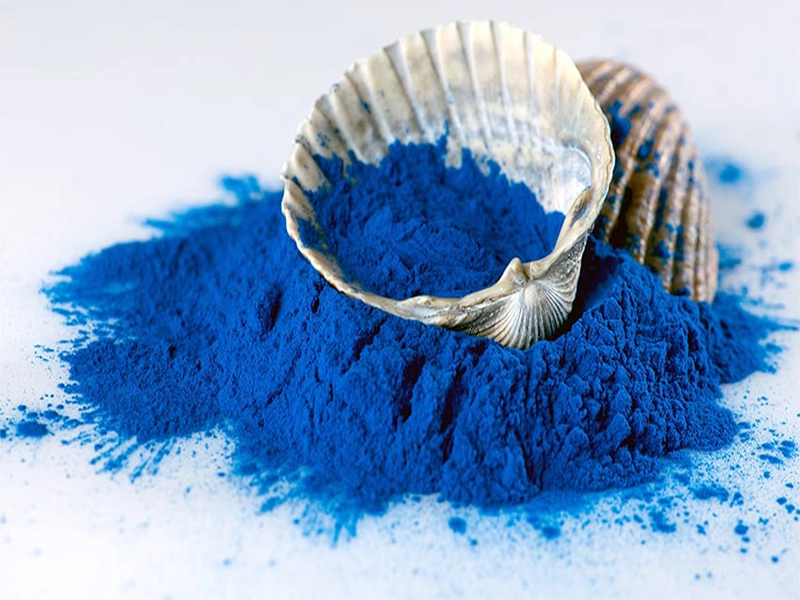
Blue spirulina is often the more natural choice for coffee concepts that depend on visual contrast. It creates a cleaner and more intentional look, especially in milk-based drinks where the blue tone has room to show up clearly. When brands or cafés want a drink that feels modern, layered or visually memorable, blue spirulina usually aligns better with that direction.
Green Spirulina in Coffee
Green spirulina can feel more difficult in coffee. In some cases, the color may look less precise or blend into a darker and muddier result, especially if the drink already has strong brown tones. That does not mean it has no place, but it often demands a more specific concept and a more careful visual strategy.
Which One Usually Works Better?
For most visually led coffee concepts, blue spirulina has the stronger advantage. It gives the drink a clearer point of difference and fits more naturally with the kind of specialty presentation that makes spirulina coffee interesting in the first place.
Where Spirulina in Coffee Looks Most Natural
Not every coffee drink is a good match.The formats that usually make the most sense are the ones where the visual effect can actually be seen and appreciated.
Iced Lattes and Milk-Based Coffee Drinks
This is often where spirulina in coffee feels the most convincing.
Milk-based formats create a softer background that gives blue spirulina more room to appear cleanly.
The result can feel less like an artificial stunt and more like a thoughtfully designed beverage.
Layered Specialty Drinks
Spirulina can also work well in drinks where layering is part of the visual experience.
In these cases, the contrast between coffee, milk and color becomes part of the appeal.
The drink is not only consumed; it is also presented.
Limited-Edition or Signature Café Concepts
A drink built around color needs a reason to exist. Seasonal drinks, creative menu items and social-first café launches are often stronger settings for spirulina coffee than highly traditional everyday formats.
Where Spirulina Coffee May Feel Less Convincing
A good application discussion should also be honest about where the idea becomes less natural. Some coffee formats simply leave too little room for the color to matter.
- Very dark black coffee may hide most of the intended visual effect
- Highly traditional coffee products may not benefit from a strong color-led concept
- Flavor-first coffee lines may find that visual novelty is not enough to justify the direction
- Concepts without a clear visual story can make spirulina feel unnecessary rather than purposeful
So while spirulina coffee is a compelling idea, it works best when the drink is designed around the effect rather than merely decorated by it.
Why the Drink Concept Matters More Than the Ingredient Alone
One of the easiest mistakes is to assume that adding a visually interesting ingredient will automatically create a successful coffee drink. In practice, the beverage still needs to make sense as a whole.
The color should feel connected to the drink style, the target audience and the experience the brand wants to create.
A blue latte in a modern café can feel playful and premium.
The same color direction in a conventional, no-frills coffee line may feel disconnected.
That is why the strongest spirulina in coffee concepts are usually not built on ingredient novelty alone.
They are built on a complete visual idea.
Powder or Liquid: Choosing the Right Spirulina Format for Coffee
Once the drink direction is clear, format becomes part of the decision.
The choice between powder and liquid should follow the needs of the beverage system rather than personal preference.
Powder Format
Powder may suit concepts where dry blends, premixes or more flexible trial work are part of the development process.
It can be a practical direction when teams want room to adjust the concept during formulation.
Liquid Format
Liquid formats may be worth considering in beverage systems where incorporation and workflow convenience are especially important.
In some coffee applications, this can create a more direct path when consistency and handling are part of the priority.
The stronger choice depends on how the drink is built, how it is processed and what kind of end result the product team is trying to achieve.
What Makes a Spirulina Coffee Concept Feel Commercially Strong
A successful spirulina coffee idea usually has three things working together:
- a drink format where the color can actually be seen
- a visual concept that feels intentional rather than random
- a product story that fits the brand or café setting
When those pieces align, spirulina in coffee starts to feel like a designed beverage choice rather than a one-off experiment.
That is where the concept becomes more commercially interesting.
In many cases, the most attractive direction is not the most extreme one.
A drink does not need to look shocking to feel new.
It simply needs to create a clean and believable visual difference.
Questions Worth Asking Before Moving Forward
Before taking a spirulina coffee concept further, a few questions are worth slowing down for:
- Is the target drink light enough for the color to show well?
- Is the concept better suited to blue spirulina or green spirulina?
- Does the visual effect support the brand story, or distract from it?
- Would the drink feel more natural as a limited-edition item, a café special or a long-term product line?
- Does the chosen spirulina format match the actual beverage workflow?
These questions tend to lead to better decisions than simply asking whether spirulina can be mixed into coffee.
Related Pages for Further Exploration
Frequently Asked Questions (FAQ) about Spirulina in Coffee
Can spirulina be used in coffee?
Yes, spirulina can be used in selected coffee applications, especially when the drink is designed to highlight a strong visual concept rather than follow a fully traditional coffee style.
Is blue spirulina better than green spirulina in coffee?
In most visually driven coffee concepts, blue spirulina is usually the stronger fit because it creates a clearer and more intentional contrast in milk-based and specialty coffee drinks.
What type of coffee drink works best with spirulina?
Iced lattes, layered milk-based drinks and signature café beverages are usually more suitable than very dark or highly traditional coffee formats.
Does spirulina coffee suit every coffee menu?
Not always. It tends to work best where visual differentiation is part of the drink concept and where the color adds to the overall experience.
Should spirulina in coffee be developed as a trend drink or a long-term product?
That depends on the brand direction. For some businesses, it may fit best as a limited-edition or concept-driven drink. For others, it can become part of a broader modern beverage portfolio if the visual and commercial logic is strong enough.