Red Dye 3
Red Dye 3 Ban Explained: Natural Red Alternatives After the FDA Red Dye Ban
The Red Dye 3 ban has quickly become one of the most important color-related topics for food brands, product developers and ingredient teams. For many companies, the key question is no longer simply what is Red Dye 3, but rather what does the FDA decision mean for future formulations, labels and sourcing plans.
This guide explains what Red Dye 3 is, what the current red dye ban actually means, when the timeline matters for food businesses and how brands can begin evaluating natural red alternatives without turning the discussion into a generic color list.
Instead of treating this topic as a short-lived news event, this page is written as a decision-support article. Its goal is to help readers understand the regulatory shift and the practical next steps for reformulation.
Quick Answer: Is Red Dye 3 Banned?
Yes. The U.S. FDA has revoked the authorization for the use of FD&C Red No. 3 in food and ingested drugs. This means companies using Red Dye 3 need to review product timelines, reformulation plans and color replacement strategies rather than treating the topic as a distant policy discussion.
- Food compliance deadline: January 15, 2027
- Ingested drug compliance deadline: January 18, 2028
- Business implication: the red dye ban is now a formulation and supply-chain issue, not just a regulatory headline
For food brands, that makes the red dye ban a commercial planning issue as much as a compliance issue.
What Is Red Dye 3?
Red Dye 3, also known as FD&C Red No. 3 or erythrosine, is a synthetic color additive traditionally used to create bright red to cherry-red tones in food and ingested drug products.
It has historically appeared in categories where vivid red or pink shades are important to product identity. That is one reason the topic matters so much to brands today: the issue is not only whether Red Dye 3 is allowed, but also how easily its visual effect can be replaced in real product systems.
In other words, this is not just a naming question. It is a reformulation question.
Why Did the FDA Revoke Red Dye 3?
The FDA decision is tied to the legal framework governing color additives. In practical terms, the agency revoked authorization for Red Dye 3 in food and ingested drugs under the applicable statutory requirements.
For brands and manufacturers, the most useful takeaway is not to turn this into a dramatic health-media story. The more useful interpretation is this: the red dye ban changes how companies must plan color systems, labels and replacement timelines.
That is why businesses should read the Red Dye 3 decision as a trigger for action rather than as a topic for passive observation.
What the Red Dye Ban Means for Food Brands
The most important commercial reality is simple: once the decision and deadlines are in place, brands can no longer treat Red Dye 3 as a stable long-term option.
That creates several immediate business questions:
- Which current products still rely on Red Dye 3?
- Which SKUs need reformulation first?
- Which product systems can transition more easily to natural red alternatives?
- Which applications will require more testing because the original shade is difficult to reproduce?
- Which suppliers can support replacement evaluation in time?
This is why the red dye ban should be treated as a cross-functional project. It affects regulatory review, product development, sourcing, packaging, label planning and launch timing.
Why the Red Dye 3 Ban Is Harder Than It Looks
Replacing a synthetic red is rarely just a one-step ingredient swap. A bright artificial red may have performed differently from natural color alternatives in shade behavior, process tolerance, system compatibility and final visual stability.
That means food teams must answer a more practical question: not just what can replace Red Dye 3, but which natural red route is suitable for this exact product format.
In some product systems, the answer may be relatively straightforward. In others, the shift may involve deeper reformulation work, broader supplier screening and multiple rounds of testing.
Natural Red Alternatives After the Red Dye Ban
After the Red Dye 3 ban, many brands immediately turn to the same question: what are the best natural red alternatives?
The answer is not a single ingredient. The right replacement depends on the target shade, processing conditions, product system and label goals.
Common natural red replacement routes may include:
- Beet-based red routes for applications where the target system can support that direction
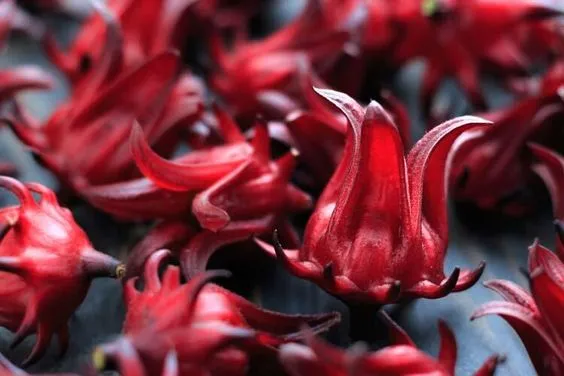
- Hibiscus-based routes for brands exploring plant-based natural red options
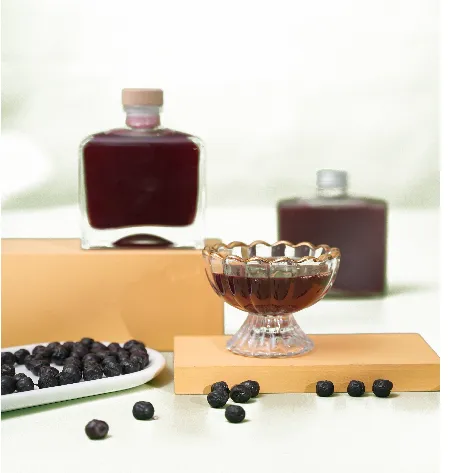
- Aronia or chokeberry-related routes for darker berry-led red and purple-red directions
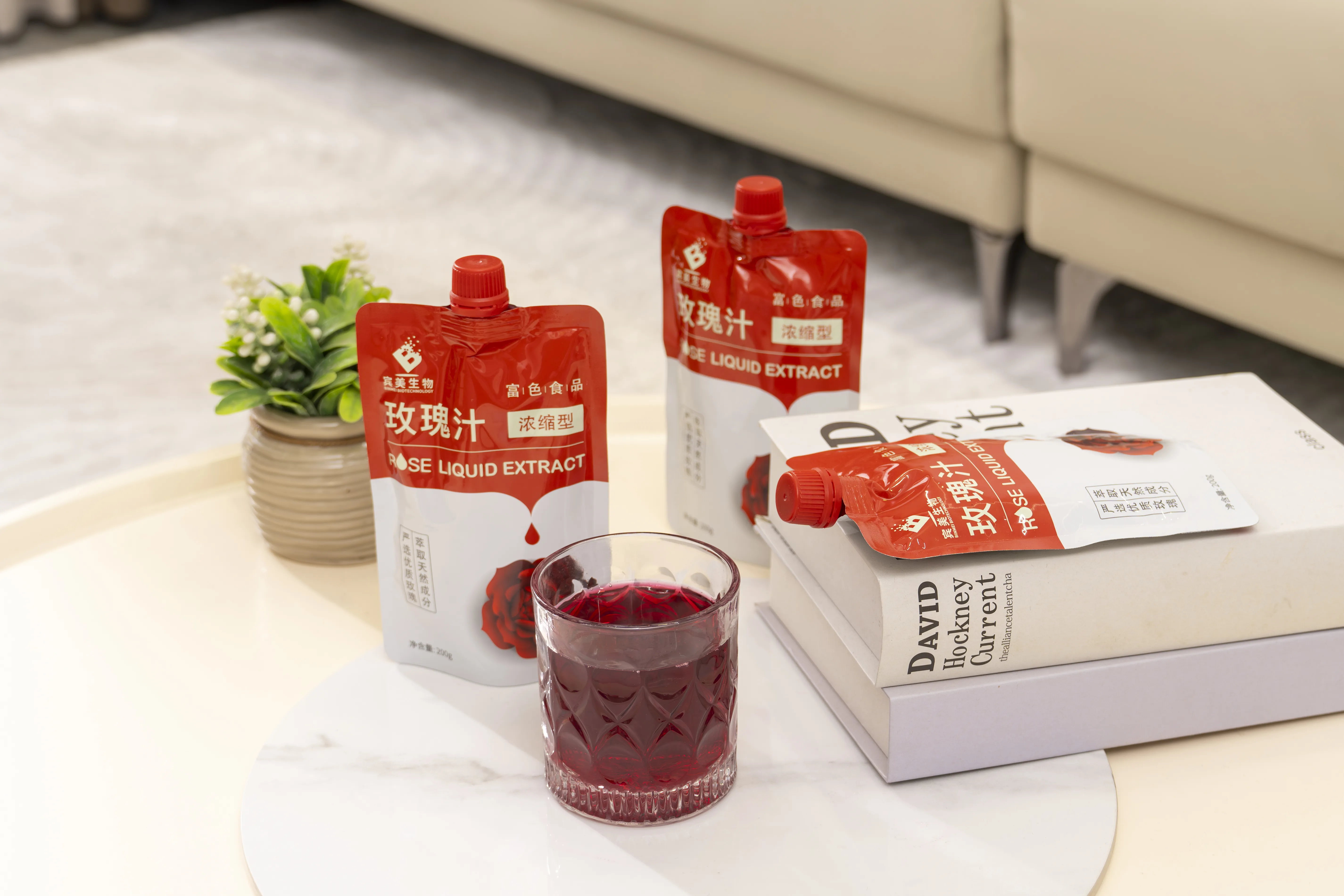
- Rose-related routes where a floral-inspired color identity is relevant
- Other natural red systems selected according to application-specific needs
The important point is that natural red alternatives should not be treated as interchangeable. A route that works well in confectionery may not behave the same way in beverages or bakery.
How to Choose a Natural Red Alternative to Red Dye 3
A strong decision process after the red dye ban should begin with product reality, not with marketing language.
Teams should evaluate:
- Target shade: Is the goal bright red, pink-red, berry-red or a darker natural red direction?
- Product system: Is the application a beverage, confectionery, bakery, dairy or another food format?
- Processing conditions: How will heat, pH and production conditions affect the result?
- Label strategy: Is the brand simply replacing Red Dye 3, or also moving toward a broader clean-label position?
- Commercial readiness: Can the team test, approve and scale the alternative within the required timeline?
This structure is far more useful than asking for a single “best” natural red ingredient. In real product development, the right answer depends on the full formulation context.
What Food Teams Should Do Next
If your products still rely on Red Dye 3, the best next step is not to wait until the deadline approaches. It is to start prioritizing where reformulation pressure is highest and where color replacement complexity is greatest.
A practical action sequence often looks like this:
- Audit all SKUs that currently use Red Dye 3
- Group them by product type and replacement difficulty
- Identify the target shade that must be preserved or adapted
- Screen natural red alternatives by application
- Run early testing before timelines become tight
- Align supplier, regulatory and packaging discussions early
This turns the red dye ban from a reactive problem into a managed transition process.
Why This Topic Matters Beyond Compliance
For many brands, Red Dye 3 replacement is not only about staying compliant. It is also about how the product will be perceived after reformulation.
A poorly chosen replacement can affect visual identity, consumer expectation and formulation consistency. A well-chosen replacement can support both regulatory alignment and a stronger natural-color positioning.
That is why Red Dye 3 and the broader red dye ban discussion should not be handled as isolated regulatory paperwork. They should be treated as part of product strategy.
Explore Related Natural Red Resources
If you are moving from Red Dye 3 review into natural red replacement planning, these related pages may help:
- Alternatives for Red Food Coloring
- Natural Color Reformulation Strategies After the FDA Dye Ban
- Beverage Applications
- Confectionery Applications
- Bakery Applications
These pages can help teams move from regulatory awareness into more detailed ingredient and application evaluation.
Hot Products

FAQ
What is Red Dye 3?
Red Dye 3, also called FD&C Red No. 3 or erythrosine, is a synthetic color additive historically used to create bright red or cherry-red shades in food and ingested drug products.
Is Red Dye 3 banned in the U.S.?
The FDA has revoked authorization for the use of Red Dye 3 in food and ingested drugs, which means companies using it need to prepare for compliance and reformulation.
When does the Red Dye 3 ban take effect?
The compliance deadline is January 15, 2027 for food and January 18, 2028 for ingested drugs.
Why does the red dye ban matter to food brands?
The red dye ban affects product formulation, color replacement planning, supplier review, label updates and launch timelines. It is both a compliance issue and a business-planning issue.
What are natural alternatives to Red Dye 3?
Natural alternatives may include beet-based, hibiscus-based, berry-based and other plant-based red routes, depending on the application and target shade.
Is there one best natural red replacement for every product?
No. The right natural red alternative depends on the product system, target color, process conditions and commercial goals. There is no single universal replacement for every Red Dye 3 application.