Rose Extract Powder for Food Coloring
Rose Extract Powder for Food Coloring
Rose extract powder is increasingly evaluated as a floral-inspired ingredient route for food applications where visual appeal, ingredient differentiation and powder-format convenience all matter. For many users, however, the real question is not only what rose extract powder is, but how it fits into rose in food coloring and whether rose powder is the right format for a specific product project.
This page is designed to answer that question from a product and application perspective. It does not treat rose as a beauty ingredient, a wellness topic or a general lifestyle flower ingredient. Instead, it focuses on how rose extract powder can be understood as a food-coloring-related ingredient route for commercial food applications.
Quick Answer: What Is Rose Extract Powder?
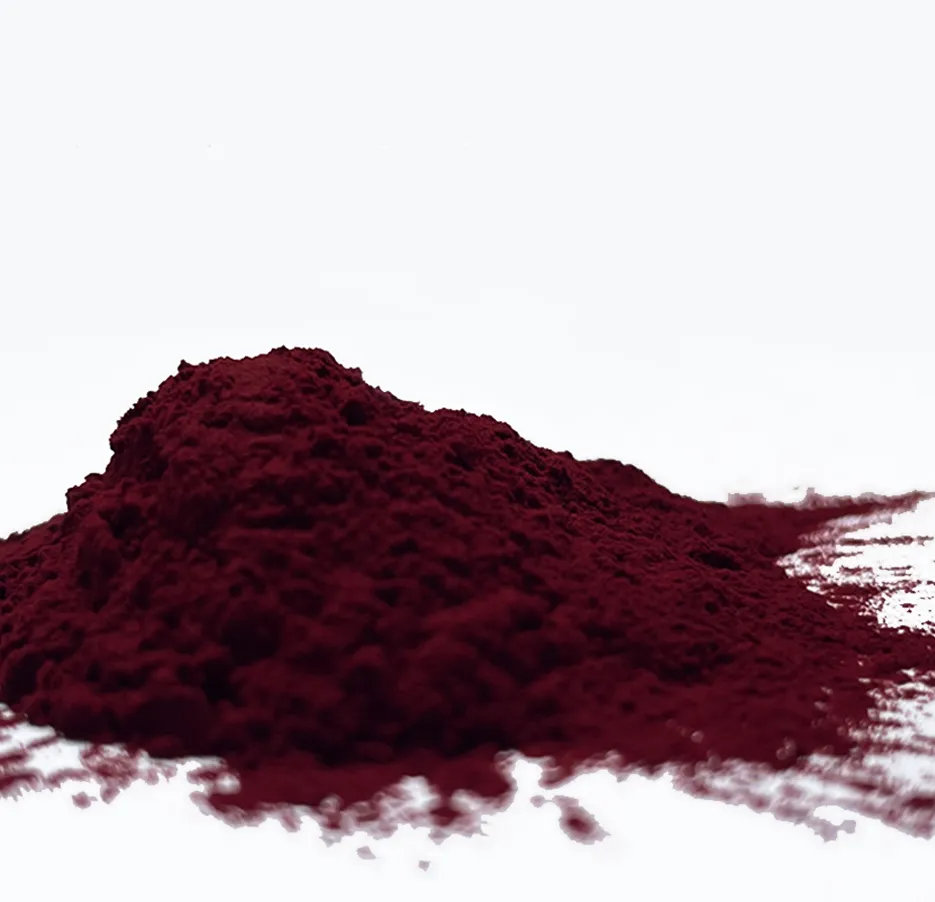
Rose extract powder is a powder-format rose ingredient evaluated for food applications where a rose-based color direction, powder handling convenience or floral ingredient identity is relevant. In the context of rose in food coloring, it represents a more product-specific and format-specific route than a general discussion about rose-based coloring.
- Rose extract powder is the main product-focused keyword for this page
- Rose in food coloring is the application-focused keyword this page also supports
- Rose powder is relevant when users are searching more broadly but still need a food-application route
In practical terms, this page helps users decide whether a powder-format rose route makes sense for their food project and whether they should continue into a more specific product discussion.
Why Rose Extract Powder Matters in Food Coloring
The role of rose extract powder in food coloring is not simply about naming a floral ingredient. It is about whether a rose-based powder route can support the desired product concept more effectively than a broader or less clearly defined alternative.
When users search for rose in food coloring, they are often trying to understand how rose can function within a food system rather than just whether rose exists as an ingredient. That is why this page must stay focused on application logic, powder-format suitability and product-selection value.
A well-structured page for rose powder in food applications should answer:
- what role rose extract powder plays in food coloring
- when powder is the right route instead of liquid rose coloring
- which food applications are the best fit
- what buyers should review before choosing a supplier
Rose Extract Powder vs Rose in Food Coloring
It is important to understand that rose extract powder and rose in food coloring are related but not identical search ideas.
Rose extract powder is a format-led product term. It suggests that the user is looking for a specific ingredient form. Rose in food coloring, by contrast, is more application-led. It suggests that the user is still trying to understand how rose fits into food-coloring use rather than selecting the final format immediately.
This page therefore needs to do both: it must present rose extract powder as a real product route while also explaining the broader logic of rose in food coloring.
| Keyword Direction | Main Search Intent | Best Page Role | This Page's Role |
|---|---|---|---|
| Rose Extract Powder | Product and format selection | Commercial product page | Primary target |
| Rose in Food Coloring | Application understanding | Application + decision page | Strong secondary target |
| Rose Powder | Broad ingredient search | Needs food-grade clarification | Selective supporting target |
When Rose Powder Is the Right Format
Rose powder becomes the right route when the project needs a powder-format rose ingredient rather than a liquid route. This can be especially useful when users want a more structured product discussion around handling, integration and powder-based application logic.
The key point is that this page should not try to behave like a generic “rose powder” page for every industry or every use case. It must stay focused on rose powder for food coloring and food applications.
That means the page should clearly signal:
- food-grade relevance
- application suitability
- powder-format value
- commercial product evaluation
Rose Extract Powder vs Liquid Rose Coloring
One of the most important decisions in this area is whether to choose rose extract powder or continue with a liquid rose-coloring route.
These two directions should not be treated as the same. They may both connect to rose in food coloring, but they serve different product-development needs.
- Choose rose extract powder when the project requires a powder-format ingredient discussion
- Choose liquid rose coloring when the project is still centered on a liquid-format route
- Do not mix both routes without clear page separation, or the page will become less useful for both users and search engines
This distinction also helps reduce keyword confusion across the site. A page focused on powder should lead the powder discussion. A page focused on liquid rose coloring should support the liquid route separately.
Best Food Applications for Rose Extract Powder
Rose extract powder is most useful when the user is evaluating whether a powder-format floral ingredient can support the desired product concept in a practical way.
Common application directions may include:
- Beverages: for projects evaluating floral-inspired ingredient directions in drink-related concepts
- Confectionery: where visual differentiation and floral concept positioning matter
- Bakery: where a powder-format ingredient route may be easier to evaluate in dry-mix style discussions
- Desserts and specialty products: where a rose-based color route helps create a premium or distinctive product identity
The point of this section is not to turn the page into a recipe list. It is to show where rose in food coloring becomes commercially meaningful in real product categories.
Why Users Search Rose in Food Coloring
Users searching rose in food coloring are often doing more than simple ingredient research. They are usually asking:
- can rose-based ingredients support food-coloring ideas?
- should the project use a powder route or another format?
- does rose powder make more sense than a broader floral coloring concept?
That means this page should work as both an explanation page and a selection page. It should not stop at introducing rose. It should help the user move toward a better product choice.
What Buyers Should Review Before Choosing Rose Extract Powder
A strong rose extract powder page should do more than describe the ingredient. It should help buyers understand what to review before moving into sampling, technical review or commercial discussion.
- Application fit: whether rose powder matches the target product concept
- Format suitability: whether powder is the correct route compared with liquid rose coloring
- Commercial support: whether documentation, packaging discussion and supplier communication can move forward smoothly
- Project clarity: whether the team is still exploring floral coloring broadly or already committed to a rose powder route
These are the questions that move a page closer to real commercial usefulness and improve its fit for B2B search intent.
Commercial Information Buyers Typically Need
A rose powder page designed for food applications should clearly support the next stage of supplier evaluation. Without that, the page stays too informational and misses the commercial value of the keyword.
Buyers often need to discuss:
- sample availability
- packaging discussion
- MOQ communication
- technical documentation support
- application-related guidance before product selection
These elements help position rose extract powder as a real ingredient route instead of a vague floral concept.
Why This Page Can Rank Better If It Stays Focused
The biggest SEO risk for this page is losing focus. If the page starts talking too much about beauty, fragrance, herbal wellness or unrelated uses of rose, it becomes weaker for all three target keywords.
The correct direction is to keep the page tightly centered on:
- rose extract powder as the main keyword
- rose in food coloring as the application explanation
- rose powder only within a food-grade, food-application frame
That is the structure most likely to satisfy both traditional SEO and AI-driven search systems, because the page is clear, answer-oriented and commercially useful.
Which Page Should You Review Next?
After reviewing this page, the next step depends on whether the user still needs broader application understanding or is ready to stay within the rose-coloring route.
- Rose in Food Coloring — review this next if the project still needs more application-level understanding of how rose works in food coloring
- Beverage Applications — review this next if the project is beverage-led and needs more application direction
- Confectionery Applications — review this next if the project is moving toward sweets or premium confectionery concepts
- Bakery Applications — review this next if the project needs powder-format logic in bakery-related product development
Hot Products


FAQ
What is rose extract powder?
Rose extract powder is a powder-format rose ingredient evaluated for food applications where a rose-based color direction or floral ingredient identity is relevant.
How does rose in food coloring work?
Rose in food coloring refers to the use of rose-based ingredients within food-coloring-related applications. In this page, the focus is specifically on how rose extract powder fits that role.
Is rose powder suitable for food coloring?
Rose powder can be suitable for food-coloring-related applications when it is evaluated within the correct food-grade and product-format context. This page focuses on that specific route rather than general rose powder uses.
What is the difference between rose extract powder and liquid rose coloring?
Rose extract powder is a powder-format route, while liquid rose coloring is a liquid-format route. The right choice depends on the product project, handling preference and application direction.
When should buyers choose rose extract powder?
Buyers should choose rose extract powder when the project needs a food-application-focused powder route and when a more product-specific rose coloring ingredient page is needed instead of a broad floral explanation page.