Vegan Blue Food Coloring
Revitalizing Food with Nature: Plant-Based, Vegan, and Healthy Food Dye Innovations
The Rise of Plant-Based Food Dyes
1. What are Plant-Based Food Dyes?
Plant-based food dyes, also known as natural food colorings, are pigments extracted from fruits, vegetables, herbs, and other plant materials. These healthy food dyes are fundamentally different from synthetic dyes, which are created in laboratories using chemical processes. Plant-based food dyes offer a more natural alternative, aligning with the growing consumer demand for clean label products.
The key difference between plant-based and synthetic dyes lies in their origin and composition. Plant-based food dyes are derived directly from nature, containing not just the color pigments but also other beneficial compounds like antioxidants and phytonutrients. For example, a vegan blue food coloring might be extracted from butterfly pea flower or spirulina, retaining some of the nutritional benefits of these plants. In contrast, synthetic dyes are artificially created compounds designed solely for their coloring properties.
Plant-based food dyes often have a more subtle, earthy tone compared to their synthetic counterparts. This natural appearance is increasingly preferred by consumers who associate it with healthier, more wholesome products. Moreover, plant-based dyes are often more complex in their color profile, providing depth and variation that can enhance the visual appeal of foods in a unique way.
Another crucial aspect of plant-based food dyes is their compatibility with various dietary restrictions. They are inherently vegan food coloring options, making them suitable for plant-based diets. This characteristic is particularly important as the global trend towards veganism and plant-based eating continues to grow.
2. Market Trends
The market for plant-based food dyes has seen significant growth in recent years, driven by several key factors. Consumers are increasingly seeking out natural, plant-based alternatives in all aspects of their diet, including food colorings. This shift is part of a broader trend towards clean eating and clean label products, where consumers prefer foods with recognizable, natural ingredients.
Health consciousness is a major driver of this trend. As awareness grows about the potential health risks associated with some synthetic dyes, consumers are turning to plant-based alternatives. These healthy food dyes are perceived as safer and more beneficial, often containing additional nutrients beyond their coloring properties.
Environmental concerns also play a role in the rising demand for plant-based food dyes. Consumers are becoming more aware of the environmental impact of food production, including the chemicals used in synthetic dyes. Plant-based dyes, being derived from natural sources, are seen as a more sustainable and eco-friendly option.
The food industry is responding to this demand by increasingly incorporating plant-based food dyes into their products. From beverages to baked goods, confectionery to dairy products, manufacturers are reformulating their offerings to include these natural colorings. This shift is not without challenges, as plant-based dyes can be more sensitive to processing conditions and may have shorter shelf lives. However, ongoing research and development are addressing these issues, making plant-based dyes increasingly viable for large-scale food production.
The market for vegan food coloring, in particular, has seen substantial growth. This is partly due to the rising number of people adopting vegan lifestyles, but also because vegan-friendly products are increasingly seen as a benchmark for natural and ethical food choices, even among non-vegan consumers.
Diversity of Vegan Food Colorings
1. Vegan Blue Food Coloring
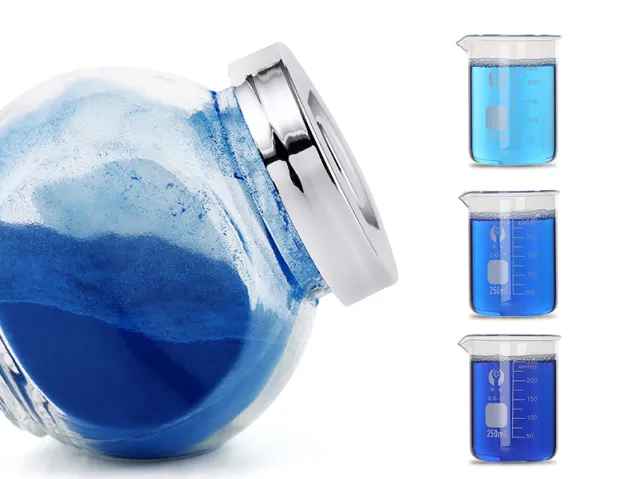
The quest for a natural, vegan blue food coloring has been one of the most challenging in the food industry. Blue is a rare color in nature, and finding a stable, food-safe blue dye from plant sources has been a significant achievement. The primary sources of vegan blue food coloring are butterfly pea flower and spirulina.
Butterfly pea flower (Clitoria ternatea) is a plant native to Southeast Asia that produces a striking blue pigment. The process of extracting this pigment involves steeping the dried flowers in water, which releases a deep blue color. This vegan blue food coloring is particularly interesting due to its pH-sensitive nature. In acidic conditions, it turns purple, while in alkaline environments, it shifts towards a greenish-blue. This unique property has made butterfly pea flower extract popular in color-changing beverages and as a natural food dye in various products.
Spirulina, a blue-green algae, is another potent source of vegan blue food coloring. The blue pigment in spirulina, called phycocyanin, is extracted through a process that involves breaking down the algae's cell walls and isolating the pigment. Spirulina-based blue dye offers a more stable color across different pH levels compared to butterfly pea flower, making it suitable for a wider range of applications.
Both of these sources of vegan blue food coloring offer additional nutritional benefits. Butterfly pea flower is rich in antioxidants, while spirulina is known for its high protein content and various micronutrients. This aligns with the concept of healthy food dyes, where the coloring agents not only provide visual appeal but also contribute to the nutritional profile of the food.
The development of these plant-based blue food dyes has opened up new possibilities in food coloring, allowing for the creation of vibrant blue hues in everything from beverages to confectionery without the use of synthetic dyes.
Comparing the Most Practical Vegan Blue Food Coloring Options
When discussing vegan blue food coloring, two of the most practical plant-based directions are butterfly pea flower and blue spirulina. Both are widely associated with plant based food coloring, but they do not behave the same way in formulation, shade development or commercial application.
For brands and manufacturers looking for the best vegan food coloring for blue products, the choice should be based on application needs rather than trend language alone. A suitable plant based food dye should match the target shade, processing conditions and product positioning.
| Vegan Blue Source | Shade Direction | Main Advantage | Main Limitation | Best Fit | Related BINMEI Path |
|---|---|---|---|---|---|
| Butterfly Pea Flower | Natural blue to blue-purple | Strong plant-based and clean-label image | More sensitive to pH changes in some systems | Beverages, floral concepts, visually expressive applications | Butterfly Pea Flower Extract |
| Blue Spirulina | Clearer and more commercially practical blue | Often better suited where a stronger blue tone is needed | Requires attention to formulation conditions and handling format | Confectionery, dairy, beverage and broader blue food applications | Blue Spirulina Bulk |
How to Choose the Right Vegan Blue Food Coloring
A practical vegan food coloring choice should begin with the application. The best option for a beverage may not be the best option for a frosting, candy or dairy system. This is especially true in blue applications, where natural color performance is often more complex than in red or yellow systems.
1. Choose by Shade Direction
If the target is a more expressive botanical blue or a blue-purple visual effect, butterfly pea flower may be a better fit. If the goal is a stronger commercial blue, blue spirulina is often the more practical direction.
2. Choose by Application Type
Beverage, confectionery, dairy and frozen dessert systems do not behave the same way. A suitable plant based food coloring option should always be matched with the actual formulation category.
3. Choose by Stability Requirements
Some vegan blue sources are more sensitive than others. pH, light exposure and process conditions may all affect the final result, so buyers should compare stability before choosing the most suitable organic vegan food coloring direction.
4. Choose by Label Appeal
For some brands, the strongest advantage of a vegan blue food coloring ingredient is its plant-based and clean-label image. In those cases, source transparency and botanical identity may matter as much as the final shade itself.
5. Choose by Format
Some projects are better suited to powder, while others may need a liquid-format blue solution. This is why buyers comparing best vegan food coloring options should also consider whether a powder or liquid route is more practical.
Best Vegan Blue Food Coloring by Application
Best Vegan Blue for Beverages
In beverage systems, butterfly pea flower is often considered for visually expressive plant-based drinks, teas and concept beverages. For more beverage-related direction, you can also review BINMEI's beverage application page.
Best Vegan Blue for Confectionery
For confectionery, a vegan blue food coloring ingredient usually needs stronger color clarity and more reliable formulation fit. In these cases, blue spirulina is often a more practical option. For related use direction, you can also explore BINMEI's confectionery application page.
Best Vegan Blue for Frosting and Decorative Applications
Decorative systems often require a more visible blue tone with strong visual appeal. The most suitable plant based food dye depends on the desired shade, pH environment and final product style.
Best Vegan Blue for Dairy and Frozen Desserts
For yogurt, dairy desserts and frozen products, the right blue source should be chosen according to formulation behavior, ingredient image and target tone. Blue spirulina is often considered in these applications where a cleaner blue direction is needed.
BINMEI Vegan Blue Solution Paths
For customers comparing practical vegan food coloring options, BINMEI supports two relevant blue solution paths:
- Butterfly Pea Flower Extract for botanical blue and clean-label plant-based applications
- Blue Spirulina Bulk for stronger blue commercial food coloring projects
- Spirulina Liquid Extract for liquid-format application direction
These solution paths are not interchangeable in every system. The right choice should depend on color target, formulation structure and the intended product category.
Commercial FAQ
What is the best vegan blue food coloring for beverages?
For many beverage concepts, butterfly pea flower is often considered because of its plant-based image and expressive visual effect. Final suitability still depends on the formulation and target shade.
Is butterfly pea better than blue spirulina?
Not always. Butterfly pea flower and blue spirulina serve different needs. Butterfly pea is often chosen for botanical appeal, while blue spirulina is often preferred when a stronger and more commercially practical blue tone is required.
Which vegan blue option is more stable?
Stability depends on the product system, pH and process conditions. Some applications may favor blue spirulina, while others can still use butterfly pea successfully with the right formulation support.
Can BINMEI support vegan blue food coloring projects for commercial applications?
Yes. BINMEI can support customers evaluating butterfly pea flower, blue spirulina and liquid-format spirulina solutions for commercial vegan blue food coloring projects.
Should I choose powder or liquid format?
The right format depends on the intended application, handling preference and formulation structure. Powder and liquid blue solutions each have different practical advantages in commercial use.