Sea Buckthorn Extract Powder
Sea Buckthorn Extract Powder
Sea buckthorn extract powder is a specialty plant-based ingredient used in selected food applications where manufacturers are looking for a natural yellow to orange-yellow color direction. In natural food coloring projects, it is not usually chosen as a standard bright yellow solution. Instead, it is better suited for product lines that need a warmer, more distinctive color identity.
For B2B buyers, product developers and food brands, the value of sea buckthorn berry powder is not simply that it is natural. The real question is whether its color direction, application fit and commercial format make sense for the final product.
What Is Sea Buckthorn Extract Powder?
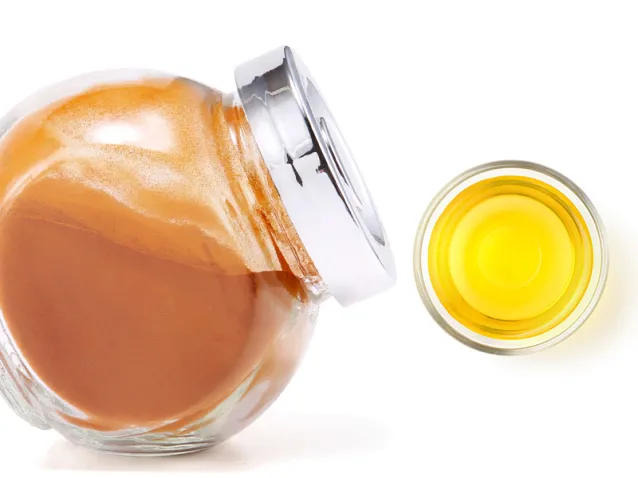
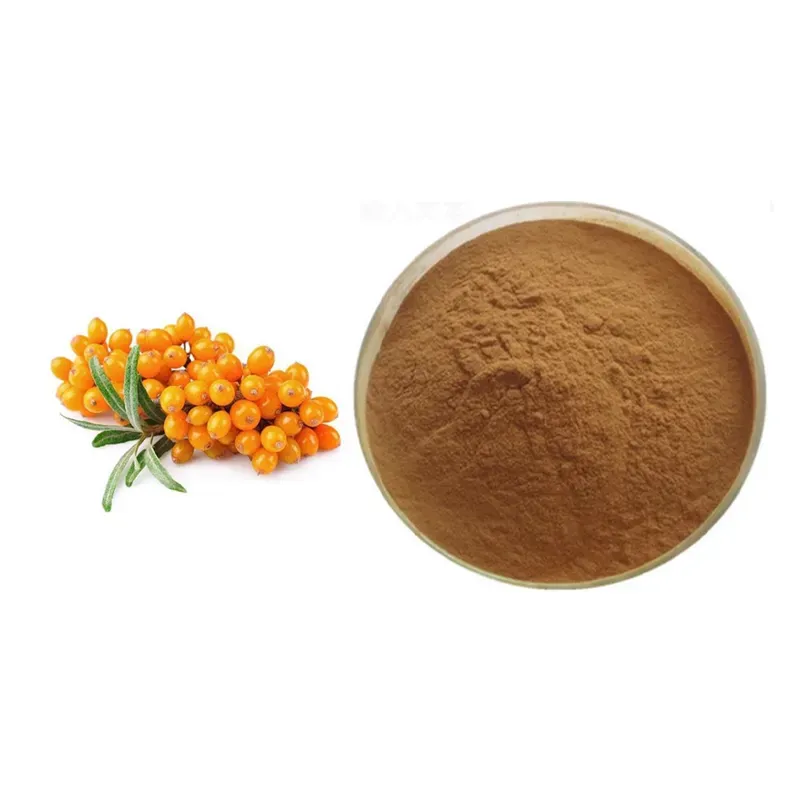
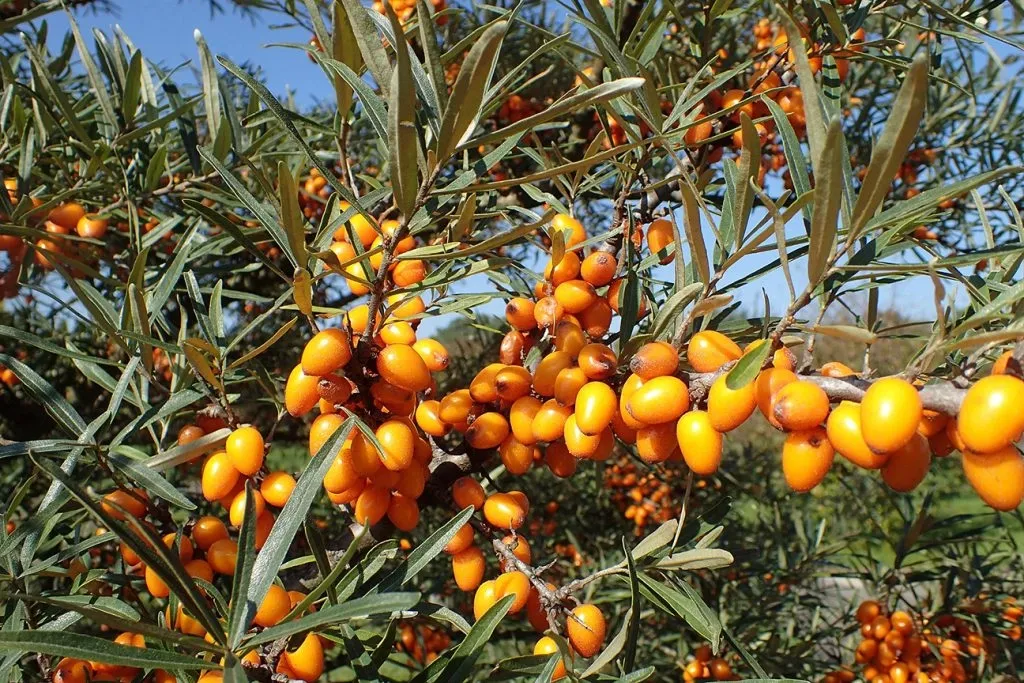
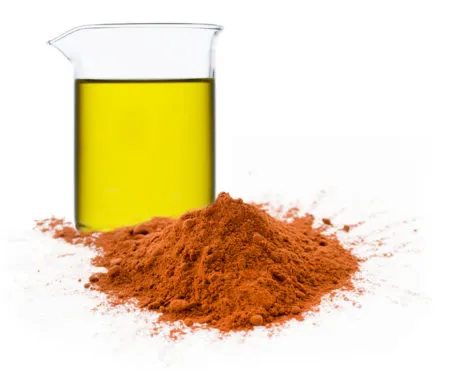
Sea buckthorn extract powder is a powder-form ingredient derived from sea buckthorn fruit material. It is sometimes also searched as sea buckthorn fruit powder, sea buckthorn berry powder or sea buckthorn powder, depending on the sourcing and formulation context.
In BINMEI’s natural color system, this ingredient should be understood as a specialty yellow to orange-yellow coloring option rather than a general wellness or supplement ingredient page. The focus here is food application, color direction and product selection, not health-benefit storytelling.
Sea Buckthorn as a Natural Yellow to Orange Coloring Ingredient
Compared with more standard yellow color sources, sea buckthorn is more suitable for projects that want a warmer natural tone. It is especially relevant when the product concept benefits from a yellow to orange-yellow appearance instead of a bright, highly standardized yellow.
- Works better as a specialty natural color option than a universal yellow replacement
- More suitable for warm yellow or orange-yellow positioning
- Useful in selected beverage, yogurt and niche product concepts
- Can support clean-label and plant-based color strategies in the right application
Why Sea Buckthorn Is Different from Standard Yellow Sources
One of the biggest mistakes in natural yellow product development is assuming every yellow ingredient serves the same role. Sea buckthorn powder is different because it is not usually the first choice for projects that need a very clean, standard bright yellow shade.
It is better viewed as a specialty color ingredient for brands that want:
- A warmer yellow to orange-yellow tone
- A more distinctive botanical ingredient identity
- A niche clean-label color solution for selected formulations
| Selection Focus | Sea Buckthorn Extract Powder | Standard Yellow Ingredient Direction |
|---|---|---|
| Typical shade direction | Warm yellow to orange-yellow | Bright yellow or standard yellow |
| Best use logic | Specialty product concepts | General broad yellow applications |
| Most suitable positioning | Niche, botanical, clean-label projects | Mainstream standardized yellow needs |
| Application mindset | Choose for color character and concept fit | Choose for broad yellow replacement needs |
Best Applications for Sea Buckthorn Berry Powder
Nutritional Drinks
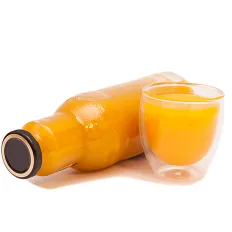
Sea buckthorn berry powder is a better fit for nutritional drink concepts that benefit from a warm, naturally derived yellow-orange tone. It can work well in beverage lines where visual softness and ingredient story both matter.
Yogurt and Dairy-Style Products
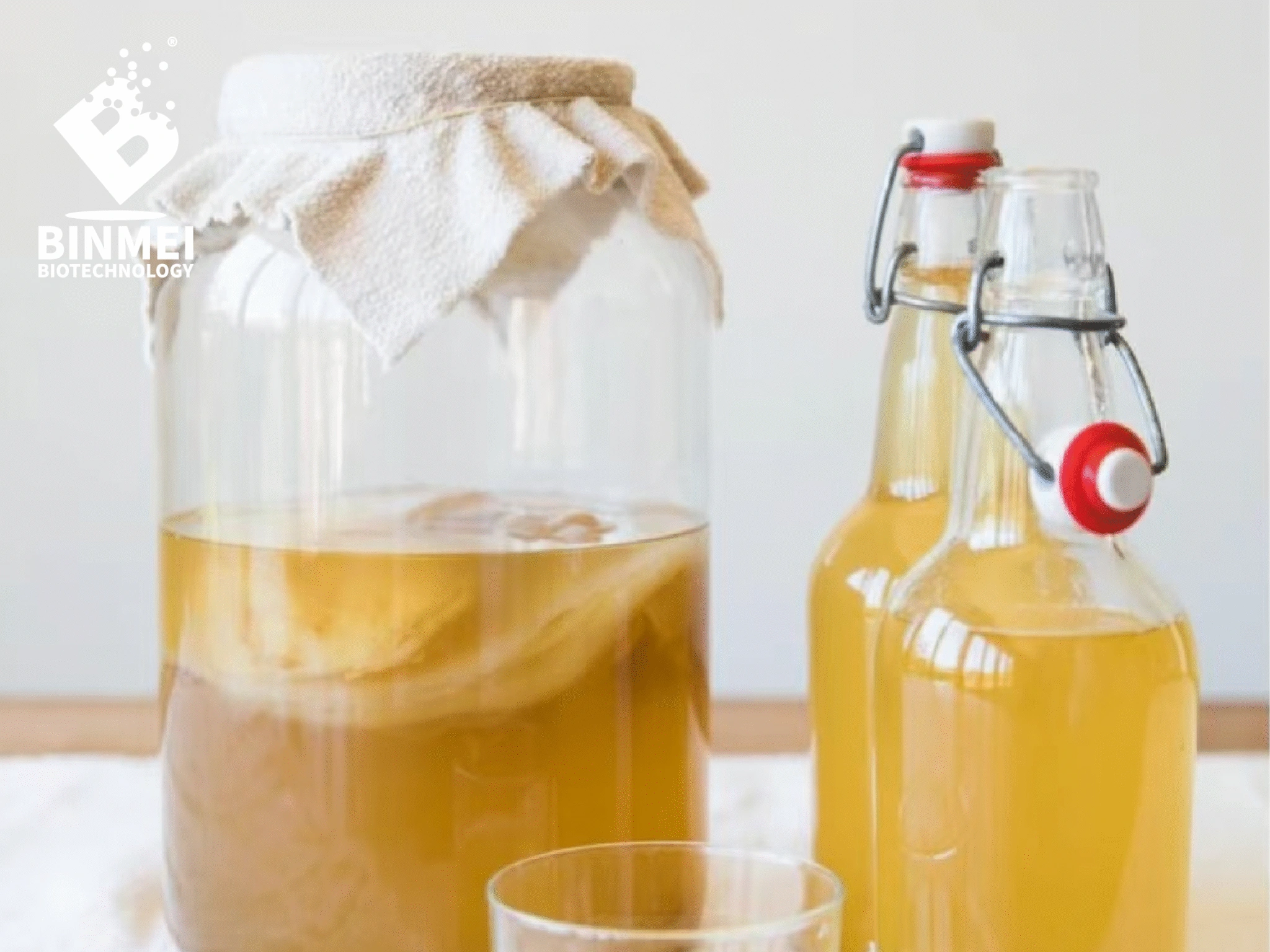
For yogurt, fermented dairy and dairy-style products, sea buckthorn fruit powder may be considered when a soft yellow to orange-yellow appearance is preferred over a stronger industrial-style yellow.
Specialty Beverage Concepts
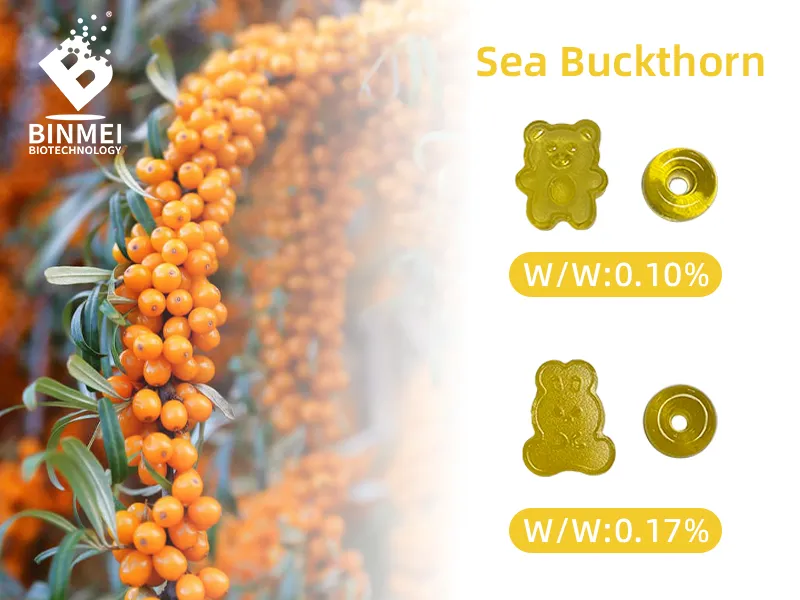
In specialty beverage development, sea buckthorn can support premium, fruit-forward or botanical product concepts where a distinctive natural color direction adds commercial value.
Selected Dessert and Niche Food Projects
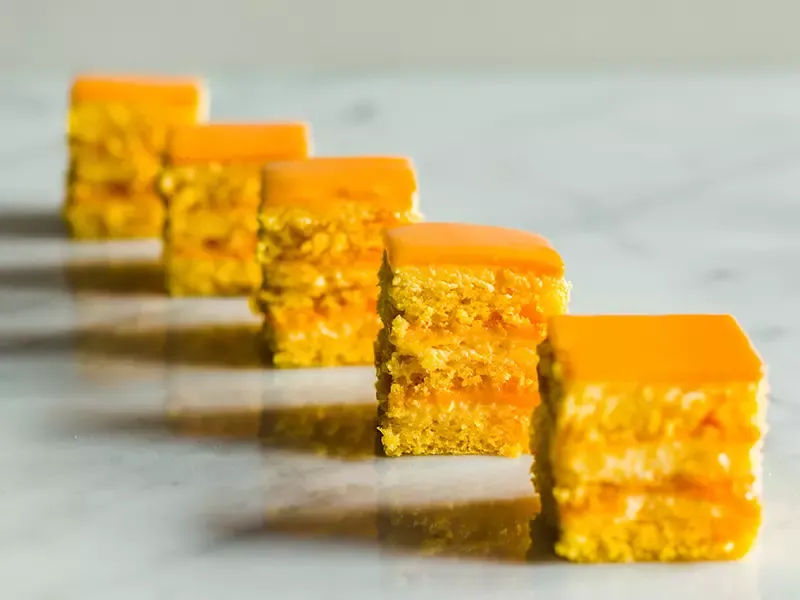
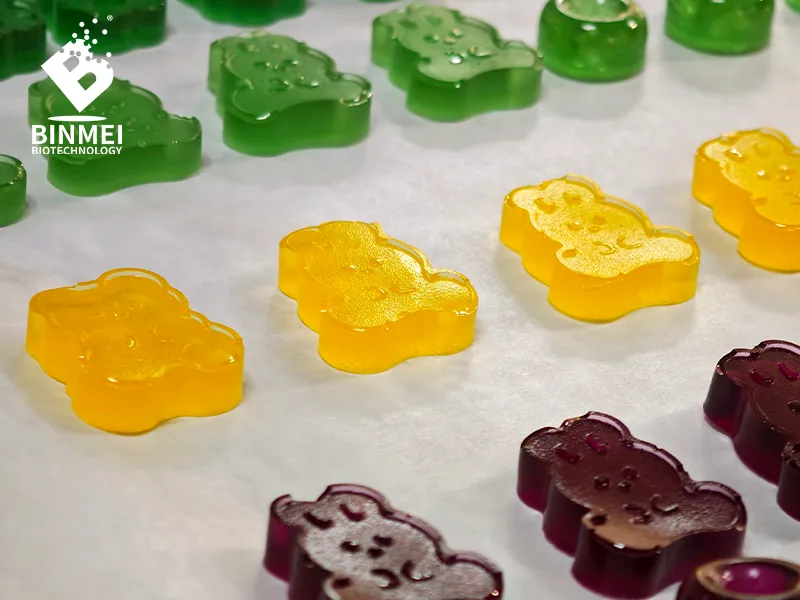
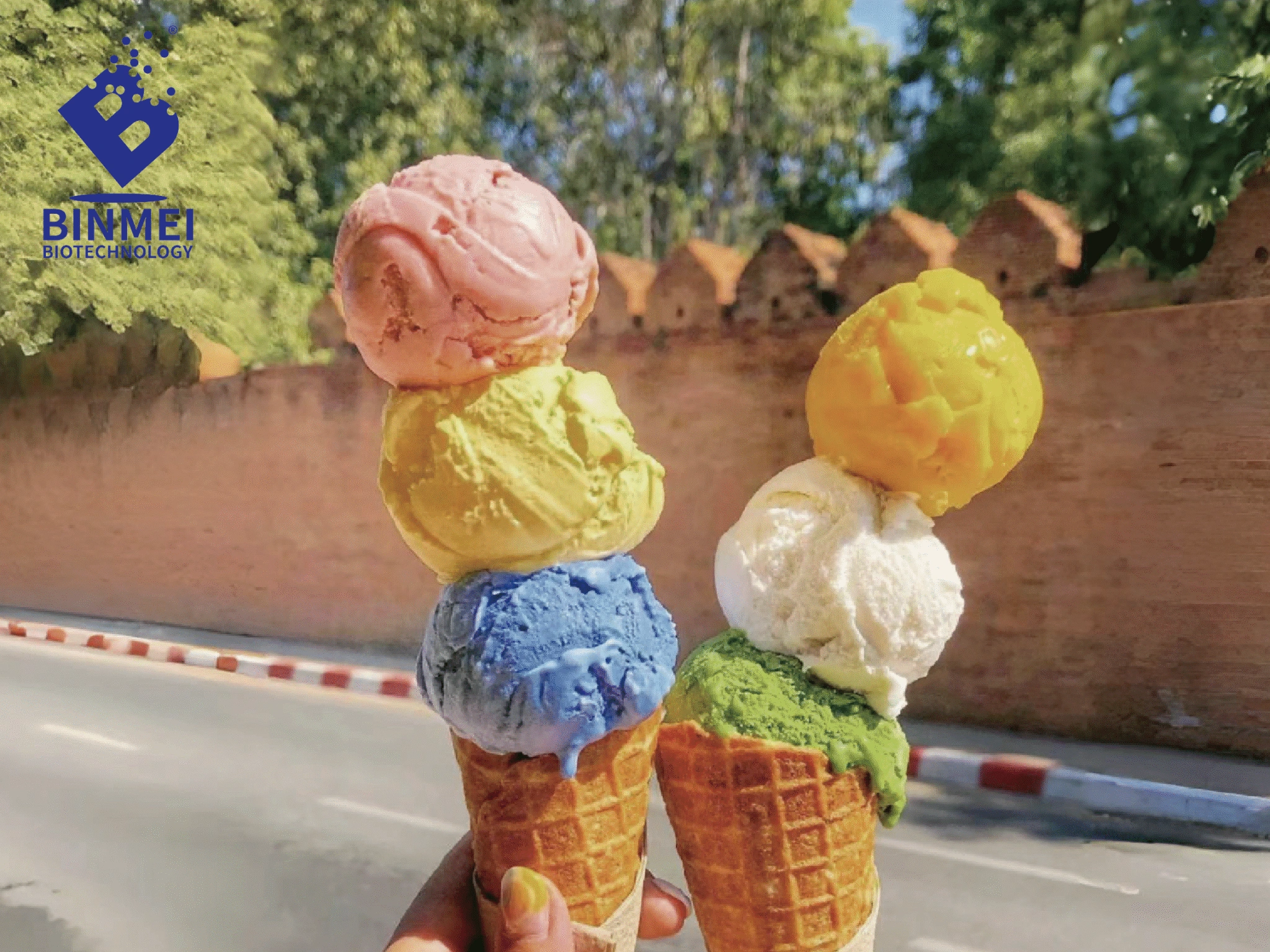
In certain dessert or niche food concepts, sea buckthorn powder can be part of a differentiated natural color strategy. It is best evaluated case by case rather than treated as a universal yellow solution.
When to Choose Sea Buckthorn Extract Powder
Manufacturers should consider sea buckthorn extract powder when the project has one or more of the following needs:
- The target color is warm yellow or orange-yellow, not bright lemon yellow
- The product concept benefits from a more distinctive botanical source story
- The application is closer to nutritional drinks, yogurt or specialty beverages
- The brand wants a niche natural color ingredient rather than a standard yellow route
When Sea Buckthorn Powder May Not Be the First Choice
This page should also answer when not to choose the ingredient. Sea buckthorn powder may not be the best first option if:
- You need a very bright and highly standardized yellow shade
- You want the broadest possible universal yellow application route
- Your formulation requires a more mainstream yellow source comparison first
In those cases, it is often better to compare sea buckthorn with other natural yellow solutions before final selection.
Product Forms
Depending on project and sourcing requirements, sea buckthorn can be discussed in different commercial expressions such as:
- Sea buckthorn extract powder
- Sea buckthorn berry powder
- Sea buckthorn fruit powder
- Sea buckthorn powder
The final naming used in procurement and product development should align with actual material specification, intended application and commercial documentation.
Technical Information Buyers Usually Review
For B2B projects, ingredient selection should not stop at color direction. Buyers typically also review:
- Appearance and powder form characteristics
- Application suitability by product type
- Specification alignment for commercial use
- Packaging options and MOQ
- Sample support
- Technical documents for evaluation
Specific technical indicators should be confirmed based on the actual project and required formulation pathway.
MOQ, Packaging and Sample Support
For commercial sourcing, customers typically need to evaluate:
- MOQ based on project stage and order scale
- Packaging options for testing or bulk purchase
- Lead time for sampling and follow-up supply
- Whether technical communication and documentation support are available
These factors are essential when moving from ingredient screening to commercial purchasing.
How to Evaluate Sea Buckthorn for Food Product Development
If your team is reviewing sea buckthorn extract powder for a new product, it is best to assess it using the following questions:
- Does the project need warm yellow to orange-yellow rather than bright yellow?
- Is the application closer to beverage, yogurt or specialty food use?
- Does the product concept benefit from a more distinctive botanical source?
- Is powder format the preferred route for sourcing and formulation?
This helps position sea buckthorn correctly inside the natural yellow cluster instead of treating it as a generic yellow ingredient.
Explore Related Natural Yellow Solutions
FAQ
Is sea buckthorn extract powder used as a natural food coloring ingredient?
Yes. In the right formulation context, sea buckthorn extract powder can be evaluated as a natural yellow to orange-yellow food coloring ingredient, especially for specialty applications.
Is sea buckthorn berry powder the same as sea buckthorn fruit powder?
These terms are often used in closely related commercial contexts, but the final material definition should always be confirmed according to the actual product specification and sourcing document.
What color direction does sea buckthorn powder provide?
Sea buckthorn powder is better understood as a warm yellow to orange-yellow direction rather than a standard bright yellow solution.
Is sea buckthorn fruit powder suitable for yogurt applications?
It can be considered for yogurt and dairy-style projects where a softer natural yellow-orange tone is more suitable than a stronger standardized yellow.
When should manufacturers choose sea buckthorn extract powder?
It is a stronger choice when the product concept benefits from warm yellow color direction, botanical ingredient identity and specialty application positioning.
Can BINMEI support sample testing and commercial evaluation?
For B2B projects, sample support, MOQ discussion and technical document alignment should be reviewed together based on the actual product development stage.